Why a Harness Matters for a Chihuahua Windpipe
The sheer joy a Chihuahua brings into your life is undeniable, but it's also common for new owners to feel a little overwhelmed by just how delicate these tiny companions can be. One of the biggest worries often revolves around their respiratory system, specifically their tiny windpipe, which can be surprisingly fragile. It’s a frustrating reality when you just want to take your beloved little dog for a walk, but you constantly fear causing them discomfort or worse. This guide is here to shed light on why your Chihuahua's windpipe is so vulnerable and, more importantly, why swapping out that traditional collar for a well-fitted harness isn't just a recommendation, it's an absolute necessity for their long-term health and comfort.
Understanding the Delicate Chihuahua Windpipe
It’s easy to look at a Chihuahua and see a pint-sized version of a larger dog, but their internal structures, particularly their respiratory system, have unique vulnerabilities. Owners often don't realize just how easily their tiny trachea can be compromised until a problem arises, and by then, it can be a frightening and irreversible issue.
The Anatomy of a Tiny Trachea
Your Chihuahua’s windpipe, or trachea, is a tube made up of C-shaped rings of cartilage that connect the throat to the lungs. In larger breeds, these rings are robust and fairly rigid, providing a strong, open airway. However, in Chihuahuas, these cartilage rings are significantly smaller and, often, inherently weaker. They are more flexible, which might sound good, but it actually means they're much more prone to flattening or collapsing under pressure. Imagine trying to breathe through a flattened straw – that's what a compromised trachea feels like for your little dog. This disproportionate delicacy means what might be a minor tug on a Labrador's collar could be a significant injury risk for a Chihuahua. Their entire respiratory system is packed into such a compact space, leaving very little room for error or external stress.
Common Causes of Tracheal Stress
The most straightforward and common cause of stress on a Chihuahua's delicate trachea is direct pressure from a collar. Whether it's a sudden, enthusiastic lunge after a squirrel, a brief pull during leash training, or even just the constant, mild pressure of a collar sitting around their neck, it can all take a toll. Think about how many times a day your Chihuahua might pull on their leash, even slightly, when they're excited to greet someone or investigate a new smell. Each of those moments, while seemingly innocuous, applies a direct squeezing force to those fragile cartilage rings. Over time, or with a single strong yank, this can lead to inflammation, damage, and ultimately, weakening of the tracheal structure. Many owners, with the best intentions, use a standard flat collar, simply unaware of the silent damage it can be doing. It’s a completely understandable oversight given how common collars are, but for a Chihuahua, it’s a gamble with their breathing.
Collapsing Trachea: A Chihuahua's Reality
While every dog can technically experience tracheal issues, collapsing trachea is disproportionately common and severe in toy breeds like Chihuahuas. This condition isn't just an inconvenience; it can significantly impact their quality of life and even become life-threatening in advanced stages.
Recognizing the Signs of a Compromised Windpipe
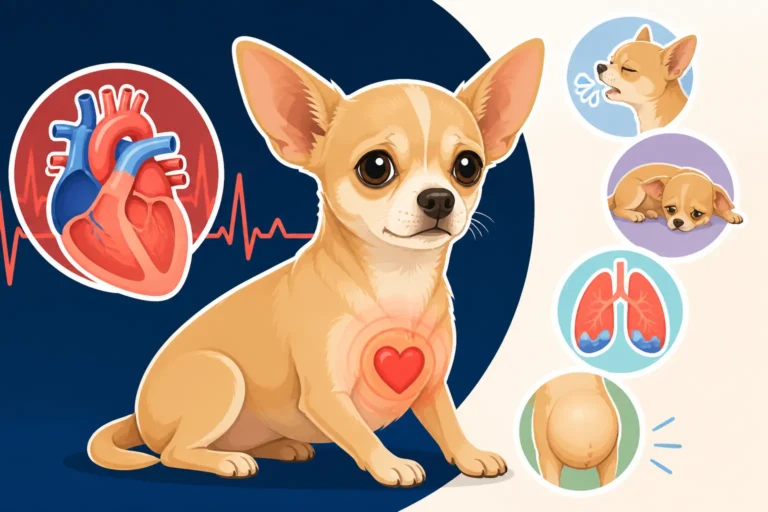
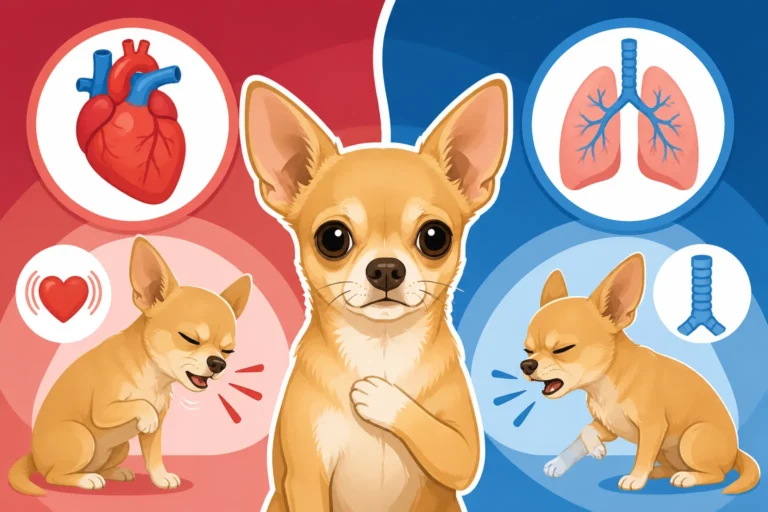
One of the most characteristic and alarming signs that your Chihuahua might have a compromised windpipe is a distinctive, dry, harsh cough that often sounds like a goose honking. It’s impossible to mistake once you hear it, but many owners initially confuse it with choking on food, a hairball, or even a reverse sneeze. This "honking cough" usually worsens with excitement, exercise, eating and drinking, or when pressure is applied to the neck. You might notice it more after a vigorous play session, a bout of barking, or even just after taking a big drink of water. Beyond the cough, your Chihuahua might show other signs of respiratory distress, such as difficulty breathing (dyspnea), wheezing sounds when they inhale or exhale, gagging, or a reduced tolerance for exercise. They might seem to tire out more quickly on walks or pant excessively even with minimal exertion. In severe cases, especially during a coughing fit, their gums or tongue might briefly turn bluish, indicating a lack of oxygen, which is an emergency. Learning to recognize these symptoms early is crucial for getting proper veterinary care, and you can learn more about The Honking Cough of Chihuahua Tracheal Collapse.
How Collars Exacerbate Tracheal Collapse
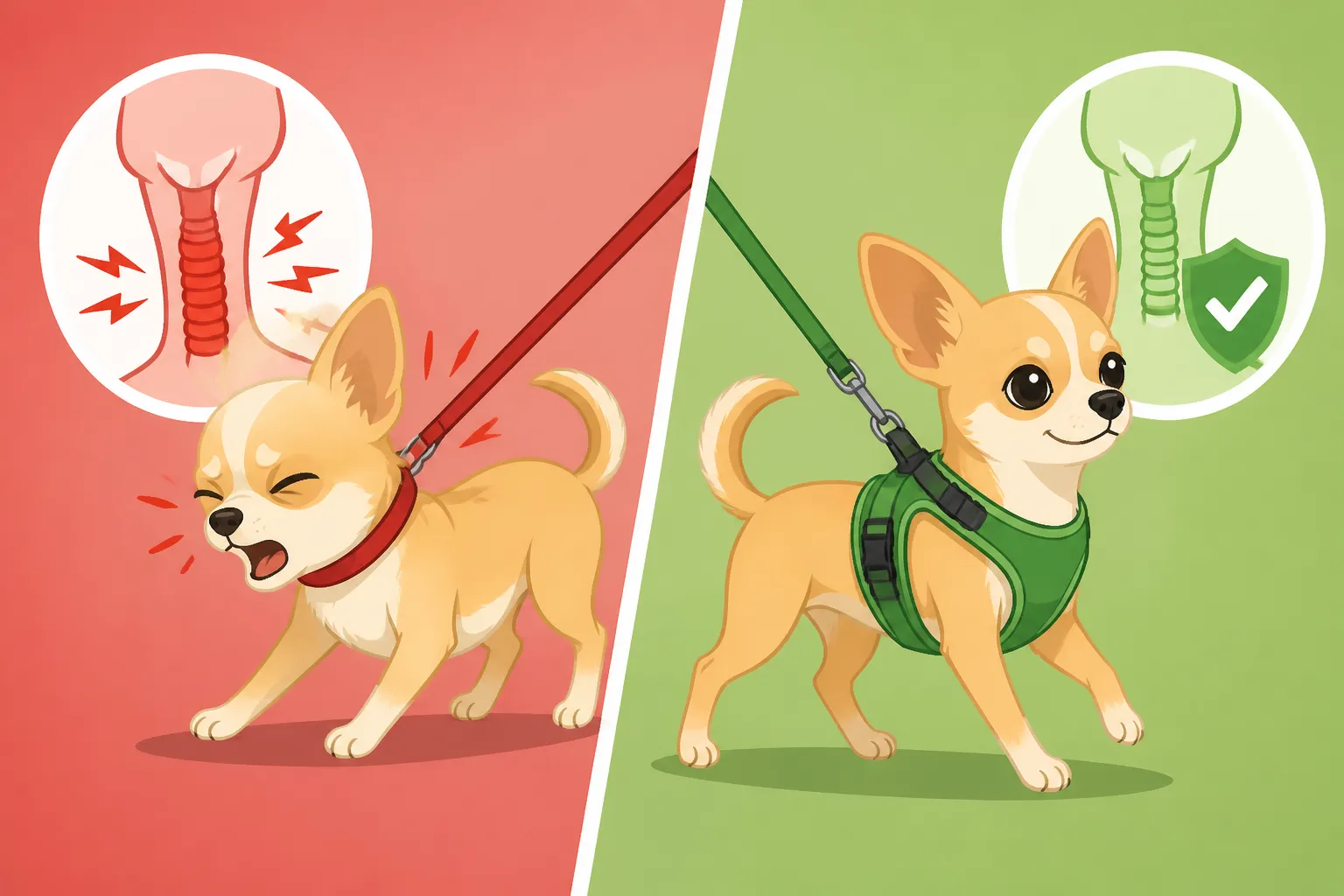
Imagine you have a delicate pipe, and every time you put a rope around it and pull, it squeezes and deforms slightly. That’s essentially what happens to a Chihuahua’s trachea when a collar is used. The direct mechanical pressure a collar applies, even if it feels gentle to you, can be immense on those already weakened or prone-to-collapse cartilage rings. When your Chihuahua pulls forward on the leash, or you need to give a corrective tug, that force is entirely concentrated on their throat. This force can literally flatten the C-shaped rings of the trachea, pushing them inwards and narrowing the airway. Even if your Chihuahua doesn't have a diagnosed collapsing trachea yet, repeated collar pressure can contribute to the weakening of the cartilage over time, making them more susceptible to the condition later in life. It’s a cycle of damage that is entirely preventable. This is why understanding Why Collar Pressure Damages a Chihuahua Trachea is so important for their long-term health. The condition is often progressive, meaning it tends to get worse over time, and once the cartilage rings are damaged, they rarely fully recover their original strength. Prevention, therefore, truly is the best medicine here.
The Unmistakable Advantage of a Harness
Once you understand the fragility of a Chihuahua's windpipe, the superiority of a harness over a collar becomes crystal clear. It's not just a different piece of gear; it's a fundamental shift in how your dog experiences walks, drastically reducing the risk of tracheal damage and discomfort.
Distributing Pressure Across the Chest
The core genius of a well-designed harness lies in its ability to completely redirect any pulling force away from your Chihuahua's delicate neck and throat. Instead of concentrating pressure on the trachea, a harness distributes that force much more broadly across the stronger, more muscular structures of their chest, shoulders, and back. When your Chihuahua pulls, the pressure is spread out, preventing any single point from experiencing intense squeezing. This means that whether they lunge excitedly towards a favorite bush or you need to gently guide them away from a hazard, their windpipe remains safe and unobstructed. This difference is immediate and profound for dogs prone to respiratory issues. It allows them to breathe freely and comfortably, reducing stress and anxiety that can often accompany a feeling of choking or restriction. For many owners, seeing their Chihuahua walk without gasping or coughing is a noticeable improvement that makes the switch entirely worthwhile.
Different Harness Types and Their Benefits
Not all harnesses are created equal, and understanding the differences can help you choose the best fit for your Chihuahua's specific needs and walking style.
- Back-Clip Harnesses: These are arguably the most common and often the best choice for Chihuahuas, especially those not prone to excessive pulling. The leash clips to a ring on the dog's back, usually between the shoulder blades. This design effectively removes all pressure from the neck, distributing it across the dog's back. Brands like Ruffwear and Kurgo offer excellent back-clip options known for their durability and comfort, using soft, breathable materials. They are generally easy to put on and take off, and most Chihuahuas adapt quickly to them. However, if your Chihuahua is a strong puller, a back-clip harness might still allow them to pull, as it doesn't offer much leverage to redirect their forward momentum.
- Front-Clip Harnesses: These harnesses feature a leash attachment ring on the dog's chest. When your Chihuahua pulls, the leash redirects them gently to the side, discouraging pulling. While effective for training strong pullers, some Chihuahuas might find the front attachment a bit awkward or restrictive of their shoulder movement if not perfectly fitted. These are often great for short-term training but might not be a daily walk solution for every Chihuahua.
- Y-Shaped or H-Shaped Harnesses: These designs are generally considered the safest and most comfortable as they conform well to the dog's natural anatomy. The straps form a 'Y' shape over the chest and an 'H' or 'X' shape over the back, ensuring that the harness sits away from the delicate throat area and doesn't restrict shoulder motion. They offer excellent freedom of movement and are less likely to cause chafing. When selecting a harness, always look for soft, lightweight, and breathable materials like mesh or padded nylon webbing, especially for Chihuahuas with sensitive skin. Adjustable straps are also key to ensuring a snug, escape-proof, yet comfortable fit.
Choosing the Right Harness for Your Chihuahua
Making the switch to a harness is a fantastic first step, but the journey doesn't end there. Selecting the right harness for your particular Chihuahua is crucial, as a poorly fitting one can create its own set of problems, even if it's not directly stressing their windpipe.
Sizing and Fit: More Crucial Than You Think
This is where many owners get tripped up. It’s not enough to simply buy a "small" harness; Chihuahuas come in such a range of sizes, from a tiny 2-pounder to a sturdy 10-pounder, that precise measurements are vital. A harness that's too loose can allow your Chihuahua to slip out, potentially into a dangerous situation, or shift and rub, causing chafing and skin irritation, especially under the armpits. On the other hand, a harness that's too tight can restrict movement, hinder breathing, or dig into their skin, causing discomfort and pain.
To get the perfect fit, you'll need a soft measuring tape.
- Neck Circumference: Measure around the widest part of your Chihuahua's neck, where a collar would typically sit. While a harness isn't meant to pull on the neck, this measurement helps ensure the harness won't ride up too high or interfere with their throat.
- Chest Girth: This is the most critical measurement. Measure around the widest part of their rib cage, typically just behind their front legs.
- Back Length (optional but helpful): Measure from the base of their neck to the base of their tail. Some harnesses offer length adjustments.
Once you have the harness, fit it on your Chihuahua. You should be able to comfortably slide two fingers under all the straps, including those around the neck and chest. The harness should fit snugly, but not restrict their breathing, and certainly not pinch their skin or fur. Pay close attention to the area around the armpits; straps here should not be tight enough to rub or chafe, as this is a common spot for discomfort. Watch your Chihuahua move around in the harness. Do their legs have a full range of motion? Is the harness staying in place without twisting or riding up? If you notice any restriction or irritation, the fit isn't right, and you may need to try a different size or style. Even well-known brands like Kurgo or Hurtta, which make great quality products, need to be properly sized for the individual dog.
Material and Design Considerations
Beyond the correct fit, the materials and overall design of the harness play a significant role in your Chihuahua's comfort and safety. Given their small size and often short coats, Chihuahuas are particularly susceptible to chafing and skin irritation from rough or ill-suited materials.
- Soft and Breathable Fabrics: Look for harnesses made from soft, lightweight, and breathable materials. Mesh harnesses are a popular choice for Chihuahuas because they are often soft, lightweight, and allow air circulation, preventing overheating. Padded nylon webbing is another excellent option, offering comfort without bulk. Avoid stiff, rigid, or heavy materials that can restrict movement or feel cumbersome on a tiny frame.
- Thoughtful Design: Consider how easy the harness is to put on and take off. Some Chihuahuas can be quite squirmy, so a design that minimizes fuss, like step-in styles or those with minimal buckles, can be a godsend. Reflective elements are a huge bonus, especially if you walk your Chihuahua in the early mornings or evenings. Given their low profile, they can be hard for drivers or cyclists to see, so reflective strips dramatically enhance their safety.
- Buckle and D-Ring Quality: Inspect the buckles and D-rings. They should be sturdy and reliable, yet lightweight enough not to add unnecessary bulk. Plastic buckles should be strong and secure, not flimsy. The D-ring, where you attach the leash, should be metal and securely stitched or welded into the harness. Investing in a good quality harness, perhaps from brands like Puppia or Gooby, is a long-term investment in your Chihuahua's health, helping to prevent costly veterinary visits for tracheal issues that might otherwise not be covered by pet insurance like Healthy Paws if a pre-existing condition develops from poor equipment. While Healthy Paws offers great coverage, preventing issues with the right gear is always the best approach.
Transitioning Your Chihuahua to a Harness
Introducing anything new to a Chihuahua, especially something that goes on their body, can sometimes be met with skepticism, trembling, or even a dramatic "freeze." Patience and positive reinforcement are absolutely essential during this transition period.
Making the Harness a Positive Experience
Your Chihuahua needs to associate the harness with good things, not fear or discomfort.
- Introduce it gradually: Don't just spring the harness on them. First, let them see it, sniff it, and get accustomed to its presence. Place it on the floor near their food bowl or bed for a few days.
- Positive Association: When they show interest in the harness, offer a high-value treat. Repeat this several times.
- Short Bursts: Next, gently drape the harness over their back without buckling it. Immediately give a treat and praise. Do this for a few seconds, then remove it. Gradually increase the time the harness is on their back.
- Buckle it Up: Once they're comfortable with it draped, try buckling it for a very short period, still indoors. Treat, praise, and remove.
- Indoor Wear: Let them wear the harness for short periods inside the house. Supervise them to ensure they don't try to chew it off. Distract them with play or a puzzle toy while they're wearing it. This helps them forget it's even there. If your Chihuahua gives you the cold shoulder or freezes the moment the harness touches them, don't get discouraged. This is a common reaction for sensitive little dogs. Just take a step back and make the positive associations even stronger and the initial contact even shorter. Remember, forcing it will only create negative associations and make future attempts harder.
Leash Training on a Harness
Once your Chihuahua is comfortable wearing the harness, it’s time to introduce the leash.
- Attach the Leash (Indoors): Clip the leash to the harness while still indoors. Let them drag the leash around for a few minutes under supervision. This helps them get used to the weight and feel of the leash.
- Gentle Guidance: Pick up the leash and, with very gentle pressure, guide your Chihuahua around a small area indoors. Use treats and praise for any forward movement. The key here is guidance, not pulling. You're teaching them that the leash means walk time, not choking time.
- First Outdoor Steps: For their first outdoor walk with the harness, choose a quiet, familiar area. Keep the walk short and positive. Again, avoid any harsh pulling. If your Chihuahua lags behind, coax them with treats or gentle encouragement, rather than dragging them. A front-clip harness can be helpful if your Chihuahua is a strong puller, as it will gently turn them to the side when they pull, making it less rewarding. Regardless of the clip, focusing on positive reinforcement and teaching loose-leash walking is vital. For more detailed tips on getting them accustomed to walks with new gear, check out our guide on Chihuahua Leash Training on a Harness. It’s a learning curve for both of you, but the benefits for their windpipe health are immense.
Beyond the Harness: Comprehensive Windpipe Care
While a harness is a monumental step in protecting your Chihuahua's windpipe, it's part of a larger picture of holistic care that contributes to their overall respiratory health and longevity. It’s about creating an environment and lifestyle that minimizes strain on their delicate systems.
Weight Management and Its Tracheal Impact
It might seem counterintuitive, but your Chihuahua’s weight plays a significant role in the health of their trachea. Even a seemingly small amount of excess weight on a tiny frame can create substantial problems. Adipose tissue (fat) around the neck and chest can physically press on the trachea, further narrowing the airway and exacerbating a collapsing trachea. Imagine trying to breathe with a heavy blanket draped over your chest – that's a bit like what an overweight Chihuahua experiences, but internally.
Maintaining a lean body condition is one of the most impactful things you can do for their respiratory health, as well as their joint health and overall lifespan. This means being incredibly diligent about their diet. Chihuahuas require surprisingly few calories, often around 200-300 per day for an adult, depending on their activity level. Every single treat, every tiny piece of human food, adds up quickly. Measure their food precisely, ideally with a kitchen scale, and factor in all treats. If your Chihuahua is carrying an extra pound or two, that’s a significant percentage of their body weight, akin to a human gaining 15-20 pounds. We've talked extensively about this in our article What One Extra Pound Does to a Chihuahua – it truly makes a world of difference. Consulting with your vet to establish an ideal weight and feeding plan is always recommended.
Environmental Factors and Prevention
Beyond diet and proper walking equipment, the environment your Chihuahua lives in can also impact their windpipe health. These factors are often overlooked but can be crucial for a dog already prone to respiratory issues.
- Avoid Irritants: Smoke, whether from cigarettes, fireplaces, or even strong candles and air fresheners, can irritate your Chihuahua's sensitive airways. Similarly, harsh cleaning chemicals or strong perfumes can trigger coughing fits or exacerbate inflammation in the trachea. Keep their living space as free from airborne irritants as possible.
- Temperature and Humidity: Extreme temperatures, both hot and cold, can stress a Chihuahua’s respiratory system. Cold, dry air can be particularly irritating, leading to increased coughing. In colder months, consider a humidifier in rooms where your Chihuahua spends a lot of time. In warmer months, ensure they don't overexert themselves in the heat and always have access to cool, fresh water.
- Regular Veterinary Check-ups: Consistent vet visits are paramount, especially as your Chihuahua ages. Your veterinarian can monitor their respiratory health, listen for any abnormal sounds, and advise on preventive measures. Early detection of any tracheal issues can lead to more effective management strategies, from medication to environmental adjustments. For example, if a collapsing trachea is diagnosed, your vet might recommend specific cough suppressants or anti-inflammatory medications. Pet insurance, like that offered by Healthy Paws, can be incredibly helpful for covering the costs associated with these chronic conditions, ensuring you can provide the best possible care without financial strain. You can learn more about managing ongoing tracheal issues in our detailed guide on Chihuahua Cough Medication and Long-Term Care. By taking a proactive approach to their overall health and environment, you're giving your little Chihuahua the best chance at a long, comfortable, and active life.
| Feature | Traditional Collar | Chest Harness |
|---|---|---|
| Pressure Point | Concentrated on the neck and trachea | Distributed across chest, shoulders, and back |
| Tracheal Safety | High risk of damage, exacerbates collapse | Significantly reduces risk of tracheal strain |
| Choking Hazard | High, especially with pulling or sudden jerks | Minimal, allows free breathing |
| Control | Neck control (can be harmful) | Body control (gentle redirection) |
| Comfort | Can be uncomfortable or restrictive for neck | Generally more comfortable, less restrictive for movement |
| Escape Risk | Moderate, especially for flexible Chihuahuas | Low, if properly fitted |
| Best For | ID tags only, very controlled walking (not recommended for primary leash attachment) | All walks, especially for Chihuahuas prone to pulling or respiratory issues |
Disclaimer
This article is intended for informational purposes only and does not constitute veterinary advice. Always consult with a qualified veterinarian for any health concerns or before making any decisions about your Chihuahua's care, diet, or exercise regimen.