Chihuahuas and the Risk From Bigger Dogs
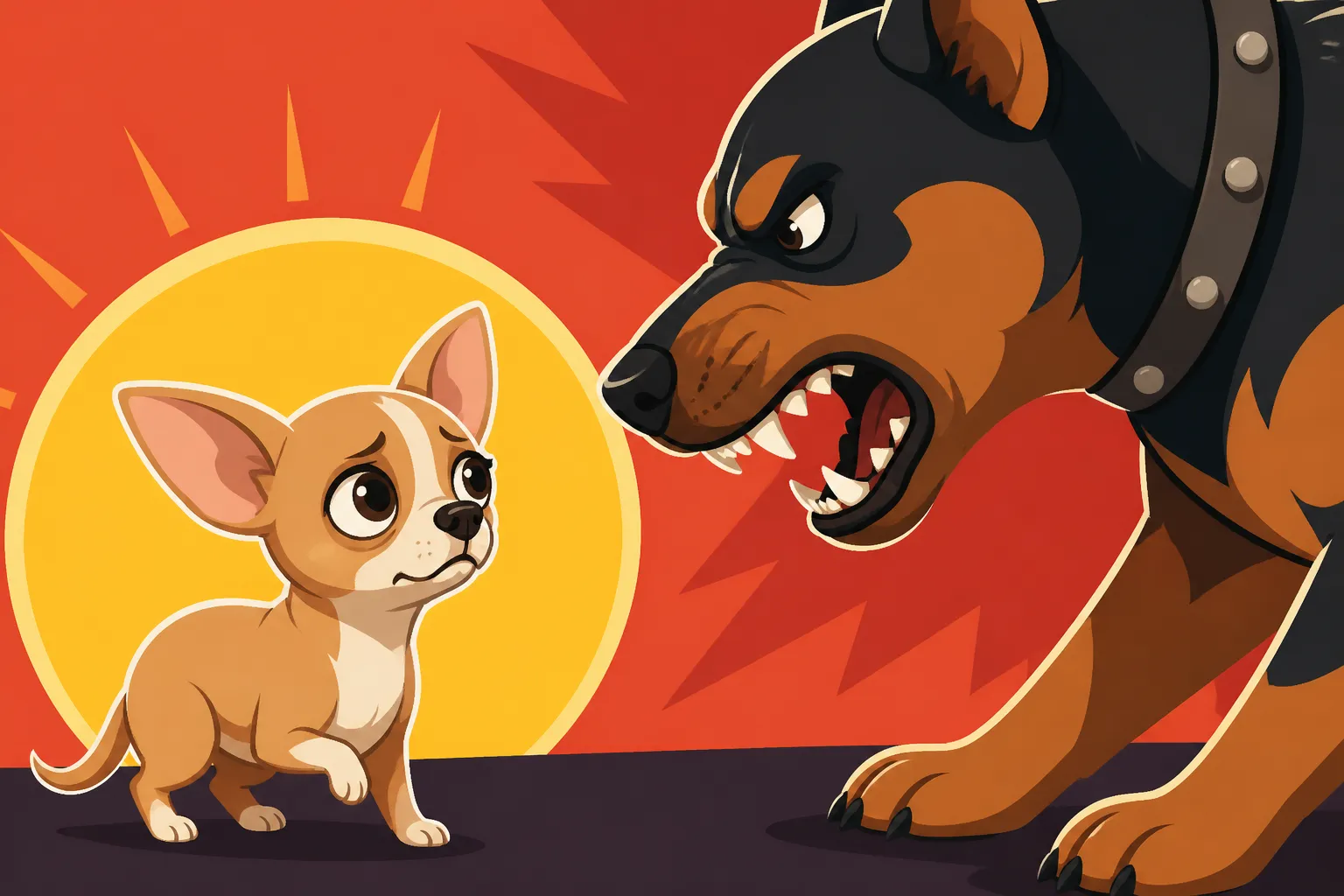
It's a harsh reality that many Chihuahua owners grapple with: the world isn't built for a tiny dog. You're constantly on alert, scanning for potential dangers, and often, the biggest threat isn't a car or a predator, but another, much larger dog, whose playful intentions can turn fatal in an instant. This guide is dedicated to helping you understand why Chihuahuas are so vulnerable to bigger dogs, how to proactively manage those risks, and what crucial steps you can take to protect your beloved little companion, whether you're out and about or even in your own home.
Understanding the Disparity in Size and Instinct
It might seem obvious that a Chihuahua is physically no match for a Golden Retriever, let alone a German Shepherd. But it’s more than just a weight difference; it’s a profound disparity in their inherent behaviors, play styles, and how they perceive the world around them. This fundamental mismatch is what often leads to tragic accidents, even when no ill intent is present from the larger dog.
The Peril of Play Styles
Think about how two big dogs play. They tumble, they mouth, they chase, they body-slam each other, and they might even wrestle with a fair bit of force. This is normal, healthy dog play, and both dogs are usually resilient enough to handle it without injury. Now, imagine a tiny Chihuahua, weighing maybe five pounds, trying to engage in that same rough-and-tumble. Even a gentle nudge from a dog ten times its size can be enough to cause serious internal injuries, broken bones, or worse. The bigger dog isn't trying to hurt the Chihuahua; it's simply playing in a way that is natural for its size and breed, but which is catastrophically dangerous for a toy dog. They don't recognize the fragility.
It’s not just the physical force; it’s the sheer excitement and energy. A big dog can get so caught up in the moment that it might not even register the delicate nature of a Chihuahua. I’ve heard countless stories from heartbroken owners whose Chihuahuas were simply "bowled over" or "stepped on" during what seemed like innocent play with a larger, friendly dog. It's a sobering reminder that a big dog's innocent enthusiasm can be a Chihuahua's undoing. This is why it’s so important to be acutely aware of who your Chihuahua is interacting with and under what circumstances.
Unintentional Accidents
Beyond play, daily interactions can also pose a significant risk. A large dog, even one that lives in the same household and is generally well-behaved, might inadvertently step on, fall on, or knock over a tiny Chihuahua. These aren't acts of aggression, but simply the consequences of different physical scales operating in the same space. Imagine a playful tail wag that catches your Chihuahua in the face, or a sudden change of direction that results in a collision. These moments, which might be nothing more than a minor annoyance for another large dog, can result in concussions, eye injuries, or internal bleeding for a Chihuahua. Chihuahua Eye Injuries and Prominent Eyes are particularly vulnerable given their shallow sockets.
Furthermore, a bigger dog might be curious about something the Chihuahua has, like a toy or a treat. While most Chihuahuas are feisty and will stand their ground, the sheer difference in jaw size and strength means that a larger dog could accidentally inflict a serious bite wound trying to take something, or even just investigating too closely. It's not about malice; it's about the inherent physical power imbalance that makes any interaction between vastly different sized dogs a potential hazard. This is also why many experienced Chihuahua owners often keep their small dogs separate during meal times or when high-value treats are out to avoid any resource guarding issues from either side.
Recognizing and Mitigating Risks in Shared Spaces
Navigating the world with a Chihuahua means constant vigilance, especially when other dogs are around. Public parks, walking trails, and even your friend's backyard can become minefields if you're not prepared. The key is to be proactive, understand your Chihuahua's temperament, and implement strategies that keep them safe.
Controlled Introductions and Supervision
If you absolutely must introduce your Chihuahua to a larger dog, whether it's a new family pet or a friend's dog, control is paramount. Always perform introductions in a neutral, calm environment, preferably outdoors on leash. Keep both dogs on a leash, and ensure there's a barrier (like a fence or even another person) between them initially. Allow them to sniff and observe each other from a safe distance. Pay close attention to both dogs' body language; any signs of stress, tension, or over-excitement, especially from the larger dog, mean you need to slow down or stop the interaction. For a fearful Chihuahua, even a well-meaning lunge from a big dog can be terrifying. Introducing a Chihuahua to Bigger Dogs Safely is a delicate process that requires patience and a good understanding of canine communication.
Once you move to supervised, leash-on interactions, keep sessions very short. Never, ever allow unsupervised play between a Chihuahua and a much larger dog, even if they seem to get along. Even a moment of distraction can lead to an accident. For multi-dog households, consider using baby gates or crates to create separation when you can't actively supervise. Remember, it's not about preventing friendship, but about ensuring safety. You want interaction, but on your Chihuahua's terms and at its level of comfort. Dog parks, for instance, are generally not safe environments for Chihuahuas precisely because of the uncontrolled mix of sizes and play styles. Why Dog Parks Are Dangerous for a Chihuahua is a topic worth exploring further.
Safe Walking Practices and Gear
Your daily walk is a major area of risk. The best defense is often a strong offense: avoid areas where you know there will be off-leash dogs, or choose times of day when fewer dogs are out. If you see a large dog approaching, especially one off-leash, pick up your Chihuahua immediately. It might feel rude to some, but your dog's safety is your priority. Don't assume the other owner has control or that their dog is "friendly." It only takes a second.
Safe Walking Gear for Your Chihuahua:
| Gear Type | Benefit for Chihuahua Safety | Considerations |
|---|---|---|
| Harness | Prevents pressure on delicate trachea, offers better control. | Must be well-fitted to prevent escape or rubbing. |
| Short Leash | Keeps your Chihuahua close to you, easy to manage. | Avoid retractable leashes, which offer less control. |
| Carrier/Bag | Provides a safe retreat, easy to pick up and transport. | Choose one with good ventilation and a secure closure. |
| Reflective Vest | Increases visibility, especially during low light. | Ensure it's lightweight and doesn't restrict movement. |
Using the right equipment is non-negotiable. A collar can put dangerous pressure on a Chihuahua's fragile windpipe, potentially leading to Collapsing Trachea and the Chihuahua Honking Cough. Always opt for a well-fitting harness that distributes pressure across their chest and shoulders, not their neck. Harness Fitting on a Chihuahua Chest is crucial to get right. Keep your Chihuahua on a short leash, preferably a fixed-length one, to maintain control. Retractable leashes can be dangerous as they allow your tiny dog to get too far from you, and their sudden retraction can injure a small neck. Products from brands like Chewy offer a wide range of secure harnesses designed for toy breeds, making it easier to find one that fits snugly and comfortably.
Creating a Secure Home Environment
It's easy to focus on external threats, but your home environment, especially if you share it with larger dogs, also needs careful consideration. Accidents can happen in familiar spaces, and preparing your home can go a long way in preventing unfortunate incidents.
Designated Safe Zones
For multi-dog households with a significant size difference, establishing safe zones for your Chihuahua is critical. This means creating spaces where your little one can relax, eat, and sleep without the risk of being disturbed or accidentally harmed by larger housemates. Baby gates are your best friend here! Install them in doorways to block off areas where the bigger dog might be, or create a "Chihuahua-only" room with a gap at the bottom that only your tiny dog can fit through. This gives your Chihuahua a sanctuary where it doesn't have to be constantly on guard.
A crate or a playpen can also serve as an excellent safe haven. Place it in a quiet corner with comfortable bedding, toys, and water, making it a positive space for your Chihuahua. This not only offers physical protection but also reduces stress for a smaller dog living with larger companions. If your Chihuahua is feeling overwhelmed, it knows it has a place to retreat to. Chihuahua Crate Size and Setup should be chosen carefully to ensure comfort and security. Think of it as their personal apartment within the big house, a place where they can feel completely safe.
Feeding and Resource Management
Meal times and treat times are often high-stress periods in multi-dog homes and present a distinct risk. A larger dog, even if not aggressive, might accidentally trample a Chihuahua to get to food, or cause injury during a scramble for a dropped morsel. To prevent this, always feed your Chihuahua separately from larger dogs. This could mean feeding them in their crate, in a different room, or on a raised surface that the bigger dog cannot access. This ensures your Chihuahua can eat peacefully without feeling rushed or threatened.
Similarly, when giving out treats or chew toys, manage the situation carefully. Provide each dog with their own high-value item in separate areas, or only offer them when the larger dog is secured. This minimizes the chance of competition or accidental injury. Toys should also be size-appropriate; a toy meant for a German Shepherd could be a choking hazard for a Chihuahua, and vice versa. It also helps to ensure the larger dog doesn't accidentally swallow a toy meant for the Chihuahua. Brands like Chewy offer a great selection of durable, size-appropriate toys for both tiny and large breeds, helping you keep everyone happy and safe.
When Things Go Wrong: Emergency Preparedness
Despite our best efforts, accidents can happen. When they do, quick thinking and preparedness can make all the difference for your Chihuahua's survival and recovery. Knowing what to do in the immediate aftermath of an incident involving a larger dog is crucial.
Immediate Actions After an Incident
If your Chihuahua is involved in an incident with a larger dog, your first priority is to separate the dogs safely. Do not put your hands between fighting dogs. Use a loud noise, a blanket, or even a chair to create a barrier if necessary. Once separated, immediately assess your Chihuahua for injuries. Look for obvious signs like limping, bleeding, difficulty breathing, or yelping. Remember that internal injuries might not be immediately visible, but could be very serious. Signs like lethargy, pale gums, or swelling can indicate internal trauma.
Even if your Chihuahua seems fine, a vet visit is absolutely essential. Small dogs can hide pain incredibly well, and internal injuries can worsen quickly. Call your vet or an emergency animal hospital immediately, explain what happened, and head there. Don't wait to see if symptoms develop. Early intervention can be life-saving. Remember that emergency vet bills can be substantial, so it's wise to budget for potential unforeseen costs, as discussed in The Emergency Bills That Reach Chihuahua Owners. Having a plan and contact numbers readily available can save precious minutes.
Veterinary Care and Follow-up
Once at the vet, be prepared to give a detailed account of what happened. The vet will perform a thorough examination, which may include X-rays to check for broken bones, ultrasound to look for internal bleeding, or blood work to assess organ function. Don't be surprised if your Chihuahua needs pain medication, antibiotics, or even surgery. The small size of Chihuahuas means they are often more susceptible to shock and complications, so they may require overnight hospitalization for monitoring.
Recovery can be a long road, depending on the severity of the injuries. Follow your vet's instructions meticulously, including administering all medications, restricting activity, and attending follow-up appointments. This might involve keeping your Chihuahua in a quiet, confined space, away from other pets, for a period of time. It's an emotionally and financially taxing experience, but your dedication is key to your Chihuahua's recovery. Consider reviewing options like pet insurance, as discussed in Chihuahua Pet Insurance and Its Low Premium, especially if you live in a multi-dog household or frequently visit areas where other dogs are present. Prevention is always best, but preparedness for the worst is a loving owner's duty.
Disclaimer
This article is for general informational purposes only and does not constitute professional advice. Laws, prices and regulations vary by location and change over time. Consult a qualified professional for guidance on your specific situation.