Black and Tan Chihuahua Markings
It's quite common for new Chihuahua owners, or even those just admiring the breed, to be drawn to certain colors or markings. You might find yourself wondering if a beautiful black and tan Chihuahua is a rare gem or just another variation in this wonderfully diverse breed. Sometimes, people even think these specific markings come with certain personality traits or health predispositions, which can lead to unnecessary worry or misunderstandings. This guide is here to demystify black and tan Chihuahua markings, helping you understand their genetics, appearance, and what they truly mean for your pint-sized companion.
Understanding the Classic Black and Tan Chihuahua Markings
The black and tan pattern is one of the most recognizable and beloved color combinations across many dog breeds, and Chihuahuas are no exception. It evokes a classic, distinguished look that many people immediately associate with a well-defined purebred dog. But what exactly defines this striking pattern, and how does it come to be?
The Genetic Blueprint Behind Black and Tan
At its heart, the black and tan pattern is all about genetics. It's not just a random splash of color, but a carefully coded instruction set within your Chihuahua's DNA. This particular pattern is controlled by what geneticists call the "A Locus" (Agouti Series). For a dog to be black and tan, they typically inherit specific alleles at this locus, usually expressed as 'at/at' or 'at/a'. Without getting bogged down in too much science, essentially, these genes tell the dog's body to produce black pigment over most of the body, but to "allow" tan pigment to show through in very specific areas. It’s like a painter with a limited palette, knowing exactly where to put the highlights. This genetic makeup ensures that the pattern is consistent and predictable, generation after generation. It's a fundamental color that breeders often aim for, and it speaks to the depth of the Chihuahua's genetic heritage.
What "Black and Tan" Actually Looks Like
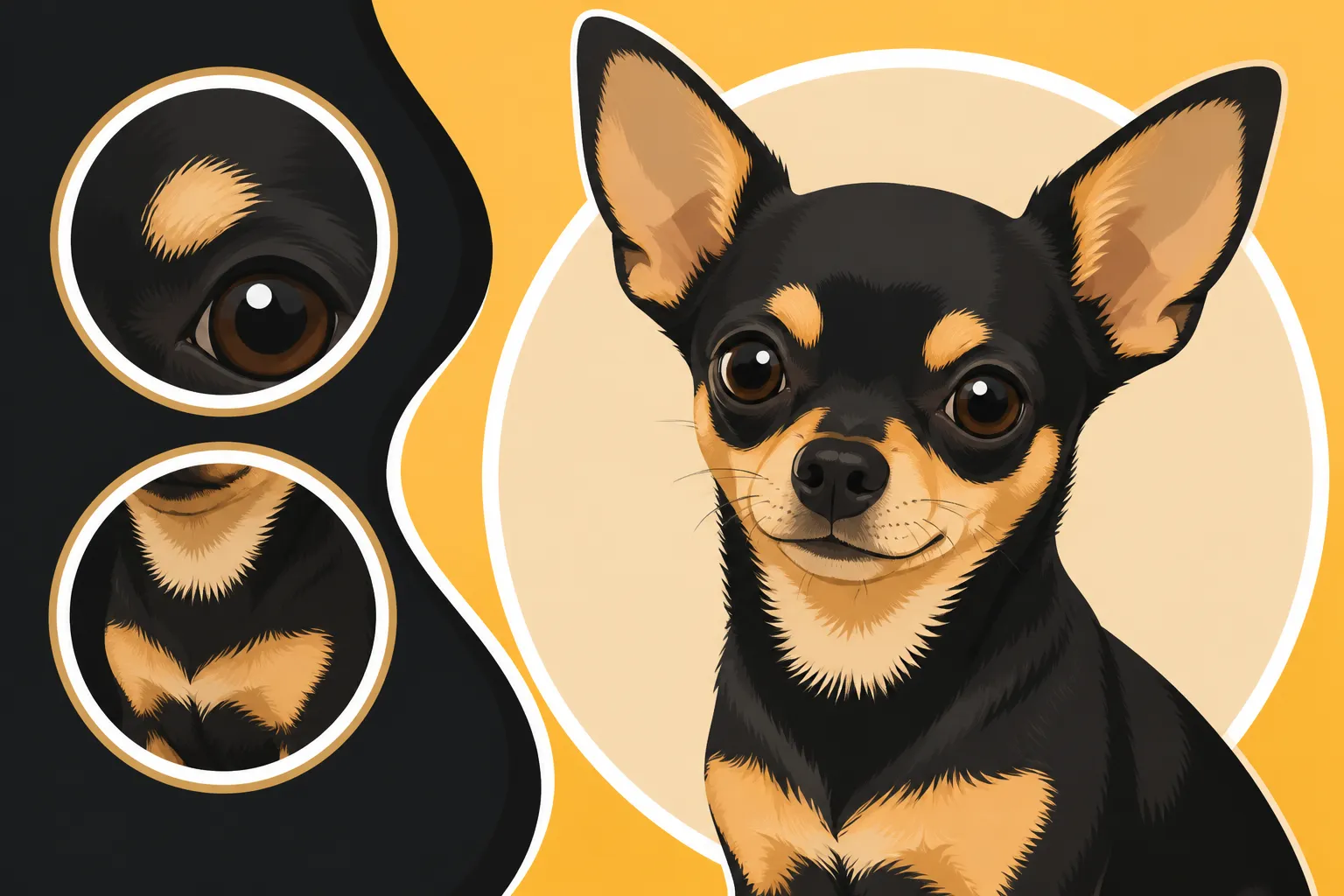
When you picture a black and tan Chihuahua, you should envision a dog with a predominantly solid black coat, often with a rich, glossy sheen. But the "tan" part isn't just a random patch; it appears in distinct, well-defined areas. These tan points are typically a warm, rich shade, sometimes described as mahogany, rust, or even a deep gold. The contrast between the deep black and the vibrant tan is what makes this marking so appealing. It's not a faded brown or a dull gray; it’s a crisp, clear line between the two colors. Think of it like a carefully tailored suit – the main fabric is one color, with precise accent stitching in another. This clean delineation is a hallmark of a classic black and tan. Sometimes, the tan can be lighter, almost a creamy fawn, but the ideal is usually a deeper, more pronounced shade. You'll also notice that the tan areas themselves are quite symmetrical, almost like they were painted on with intention.
Where the Tan Markings Typically Appear
The tan markings aren't just anywhere; they follow a specific pattern that is characteristic of the black and tan genotype. You'll typically find these tan "points" on several key areas of your Chihuahua's body. Look closely, and you'll see distinctive tan patches above each eye, almost like eyebrows, giving them a very expressive look. There will also be tan coloring on the sides of the muzzle, often extending up towards the cheeks. The chest will feature a splash of tan, which can vary in size from a small patch to a more expansive area. You'll also see tan on all four legs, usually on the lower parts, and often extending up the inner thigh. The underside of the tail will also typically carry these tan markings, as will the areas around the vent. This precise distribution is what defines the black and tan pattern and differentiates it from other color combinations. It's like a consistent design element, showing up in the same spots every time, giving the dog a balanced and harmonious appearance. This is part of why the black and tan is so well-regarded in the breed standard; it's a very clear, identifiable pattern.
Variations, Shades, and Common Distinctions
While the classic black and tan is quite specific, there can be subtle variations and other colors that might be confused with it. Understanding these nuances helps in truly appreciating the diversity within the Chihuahua breed.
Saddle Tan vs. Points: Subtle Differences
Sometimes, people confuse a true black and tan with what's known as "saddle tan" or "sable" markings. While both involve black and tan, the distribution is quite different. A true black and tan Chihuahua has those distinct, localized tan "points" on the face, chest, and legs, with the majority of the body remaining solid black. Think of those tan areas as specific, contained patches.
A "saddle tan" or "sable" pattern, however, usually features a larger expanse of tan or fawn color over the back and sides, resembling a saddle, with the black appearing more as an overlay or "lacing" particularly along the back and tail. In these cases, the black might be seen as streaks or shading rather than a solid base color. Imagine a dog that's mostly tan or fawn, with black hairs interspersed, especially on the top line. This is also genetically determined, often by a different allele at the A Locus, such as 'Ay' for fawn/sable. It's important to remember that these are distinct genetic expressions, even if they both incorporate black and tan hues. Breeders are very careful about distinguishing these patterns when discussing Chihuahua Colors the AKC Accepts because they contribute to the overall look and sometimes even the show ring classification.
The Influence of Other Genes on Black and Tan
It's not just the A Locus working alone. Other genes can subtly, or sometimes dramatically, influence the appearance of a black and tan Chihuahua. For example, if a Chihuahua carries genes for "dilution," the black areas might appear slate gray or blue, and the tan areas might lighten to a creamy fawn or even silver. This is why you might sometimes hear of "blue and tan" Chihuahuas, where the black pigment has been diluted. Similarly, genes that cause "ticking" or "roaning" could lead to small flecks of color appearing in the white areas of a pied or Irish-marked Chihuahua, though this is less common with a solid black and tan base.
The intensity of the tan color itself can also vary depending on other modifier genes, ranging from a pale, almost white tan to a deep, rich mahogany. This is part of why even within a litter of black and tan puppies, you might see slight variations. The length of the coat also plays a role in how the markings are perceived. A long-haired black and tan Chihuahua, covered in flowing fur, might have its markings softened by the length, whereas a smooth coat will show every crisp detail. This interplay of genes is fascinating and contributes to the wide array of beautiful Chihuahuas we see, beyond just the basic The Two Chihuahua Coat Varieties Explained. You might have a perfectly standard black and tan, but then another comes along with a genetic twist that makes its colors just a little different.
Distinguishing Black and Tan from Other Dark Colors
Sometimes, a black and tan Chihuahua can be confused with other dark-colored Chihuahuas, especially at a quick glance or in poor lighting. For instance, a solid black Chihuahua, which would have no tan points at all, might look similar. However, the absence of those distinct tan eyebrows, muzzle markings, and leg points is the key differentiator. Another common confusion might arise with chocolate Chihuahuas, particularly if they also have tan points (which is a less common but recognized variation, often called "chocolate and tan"). In these cases, the base color is brown rather than black.
To tell them apart, you’d look at the pigment of the nose, paw pads, and eye rims. A black and tan Chihuahua will have black pigment in these areas, whereas a chocolate and tan dog will typically have liver-colored or brown pigment. This is often the easiest way to make a definitive distinction. Sometimes, a very dark sable Chihuahua might appear predominantly black with tan, but again, the pattern of the tan is more spread out and integrated rather than distinct "points." Understanding these subtle differences helps us categorize and appreciate the full spectrum of Fawn, Cream and Chocolate Chihuahuas and other colors in the breed.
Living With a Black and Tan Chihuahua: Care and Temperament Insights
Beyond their captivating appearance, it's important to understand that the color of a Chihuahua's coat has no bearing on its care needs or fundamental temperament. A black and tan Chihuahua is first and foremost a Chihuahua, with all the wonderful traits and specific care requirements that come with the breed.
General Care for a Black and Tan Chihuahua Coat
Whether your Chihuahua is black and tan, fawn, white, or any other color, the basic care for its coat remains the same. The primary factor influencing grooming is the coat type, not the color. A The Smooth Coat Chihuahua Variety will require less intensive brushing than a The Long Coat Chihuahua Variety, regardless of their markings.
For a smooth coat black and tan, a weekly brush with a soft brush or grooming mitt is usually sufficient to remove loose hair and keep their coat shiny. Their sleek fur will really make those black and tan markings pop. For a long-haired black and tan, you'll need more frequent brushing, perhaps two to three times a week, to prevent tangles and mats, especially behind the ears and on their feathering. Just imagine trying to brush out mats on a tiny dog that's not used to it! Regular grooming also helps distribute natural oils, keeping the coat healthy and vibrant. Brands like Chewy offer a fantastic selection of brushes and grooming tools designed specifically for small dogs, making it easy to find what you need to keep your black and tan looking its best. Beyond brushing, occasional baths are necessary, but over-bathing can strip natural oils, so aim for every few weeks or when they're visibly dirty.
Temperament: Does Color Play a Role?
This is a common question, and I'm happy to put minds at ease: a Chihuahua's temperament is not determined by its coat color or markings. Whether your Chihuahua is black and tan, white, chocolate, or blue, their personality traits are shaped by genetics related to temperament (not color), early socialization, training, and their individual experiences. There's no scientific basis to suggest that black and tan Chihuahuas are inherently more calm, feisty, or intelligent than any other color variant.
The characteristic "terrier-like" spirit, immense loyalty, and sometimes sassy independence you see in Chihuahuas are breed traits, not color-specific ones. A black and tan will be just as prone to being a lap dog, a fierce protector, or a playful companion as any other Chihuahua. Owners sometimes develop superstitions or anecdotal beliefs, but these are simply that – beliefs, not facts. What truly influences a Chihuahua's behavior is consistent positive reinforcement training, proper socialization from a young age (especially important for their sometimes-fearful nature), and a loving, stable environment. If you want to understand what influences their behavior, delve into resources on Chihuahua Temperament and What the Standard Asks For rather than looking at their coat color.
Ensuring Your Black and Tan Chihuahua's Health
Just like temperament, a Chihuahua's health is not tied to its black and tan markings. Chihuahuas as a breed have certain predispositions to health issues, such as Patellar Luxation, the Chihuahua's Commonest Joint Problem, dental disease, and heart conditions. These potential health concerns affect Chihuahuas across the entire spectrum of colors.
What matters most for the health of your black and tan Chihuahua is responsible breeding (ensuring parents were health-screened), a nutritious diet, regular veterinary care, and appropriate exercise. Don't let a beautiful coat distract you from critical health checks. For instance, dental hygiene is paramount for all Chihuahuas due to their small, crowded jaws. Regular brushing with a tiny toothbrush and appropriate dental chews (you can find excellent options on Chewy) can make a huge difference in preventing early tooth loss. Genetic health screenings done by reputable breeders are far more important than any superficial trait like coat color. For example, a breeder focused on sound health will provide The Health Tests a Chihuahua Breeder Should Run, irrespective of what color the puppies are.
Dispelling Myths and Appreciating the Breed's Diversity
It's easy for myths and misunderstandings to spread, especially when it comes to specific appearances within a popular breed. Let's clear up some common misconceptions about black and tan Chihuahuas.
Black and Tan in the Breed Standard
For those interested in conformation shows or simply understanding breed ideals, it's good to know where black and tan stands. The black and tan marking is a widely accepted and admired color pattern within the Chihuahua breed standard. Organizations like the American Kennel Club (AKC) recognize a vast array of colors and combinations, and black and tan is definitely on that list. Unlike some more controversial colors, such as merle (which can be linked to health issues and is not recognized by all registries, as discussed in Merle Chihuahuas and the Registry Argument), black and tan is a classic and perfectly acceptable marking.
Breed standards typically emphasize that "all colors, solid, marked or splashed are permissible." This means that whether your Chihuahua is solid black, solid tan, or perfectly black and tan, they are considered within the standard's guidelines. The focus for judges and breed enthusiasts is more on conformation, structure, and overall breed type, rather than prioritizing one accepted color over another. So, if you have a black and tan Chihuahua, rest assured, its markings are as legitimate and valued as any other color in the breed.
The Rarity (or Commonness) of Black and Tan
Is a black and tan Chihuahua rare? Not particularly. While perhaps not as ubiquitous as solid fawn or cream, black and tan is a very common and well-established color pattern in the breed. Due to the way the genetics work, and its long history in the breed, it's something breeders frequently see and intentionally produce. You're just as likely to encounter a black and tan Chihuahua as you are a chocolate or white one.
The perception of "rarity" often comes from market trends or personal preference. Sometimes, certain colors might be less common in a specific geographic area or among a particular breeder's lines, but this doesn't make them inherently rare across the entire breed. What might feel rare is finding a black and tan Chihuahua with a very specific shade of tan or a particularly glossy coat, but the pattern itself is widespread. It's important to manage expectations if you're looking for a specific color; focusing on a healthy, well-socialized puppy from a reputable breeder should always be the priority, regardless of whether you're set on a specific shade. As discussed in Whether Chihuahua Color Should Set the Price, perceived rarity often leads to inflated prices, which isn't always justified.
Why Markings Don't Define the Dog
Ultimately, while the black and tan markings are undeniably striking and beautiful, they are just one aspect of what makes a Chihuahua unique. A dog's true essence comes from its personality, its bond with its family, and its individual quirks. The color of its coat is simply icing on the cake. Focusing too much on physical attributes like color or size can sometimes distract from the more important aspects of responsible pet ownership: providing a loving home, consistent training, and excellent health care.
Remember, a Chihuahua's lifespan, its propensity for Chihuahua Dental Disease in a Crowded Small Jaw, its loving nature, or its tendency to shiver are all breed characteristics that apply universally. Your black and tan companion will have the same exercise needs, the same small bladder that requires diligent house training, and the same need for mental stimulation as any other Chihuahua. While you might admire their gorgeous black and tan coat every day, what truly matters is the dog inside that beautiful package.
Here's a quick comparison of some common Chihuahua markings:
| Marking Type | Base Color | Secondary Color (if any) | Common Appearance Notes |
|---|---|---|---|
| Black and Tan | Black | Tan | Predominantly black body with distinct tan points above eyes, on muzzle, chest, and legs. |
| Fawn | Light Brown/Tan | None (or darker mask) | Solid, uniform light brown to reddish-tan, often with a darker overlay on the face (mask). |
| Chocolate | Dark Brown | None (or tan points) | Rich, deep brown, can be solid or sometimes appear with tan points (chocolate and tan). |
| White | White | None (or small patches) | Pure white, though small patches of other colors can be present. |
| Cream | Pale Yellow/Tan | None | A softer, often warmer off-white or pale tan, less stark than pure white. |
| Sable | Fawn/Red | Black | Fawn or red base coat with black tips on the hairs, giving a shaded or "smoky" appearance. |
Disclaimer
This article is for general informational purposes only and does not constitute professional advice. Laws, prices and regulations vary by location and change over time. Consult a qualified professional for guidance on your specific situation.