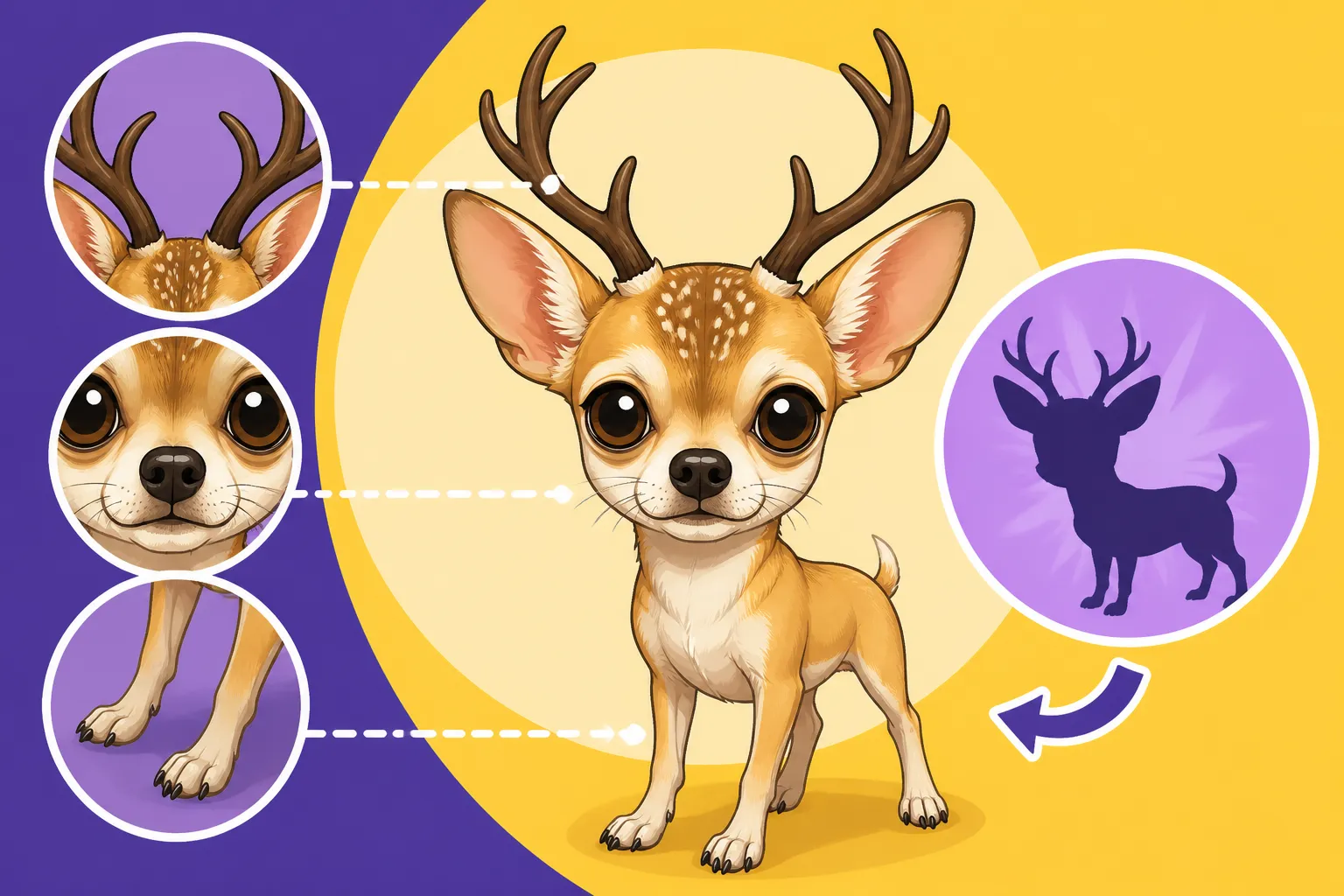
Deer Head Chihuahua Legs and Muzzle
It's incredibly common for Chihuahua owners to look at their beloved tiny companions and wonder why some have that distinct, refined 'deer-like' face and body shape, while others boast the quintessential apple-domed head. When you’re used to seeing the more widely recognized apple head, the deer head Chihuahua can spark questions about whether their physical traits, particularly their legs and muzzle, differ significantly and what that might mean for their health and everyday life. This guide will delve into these unique characteristics, offering a deeper understanding of the deer head Chihuahua's build.
Distinguishing Deer Head Features Beyond the Skull
For many, the term "deer head" immediately conjures an image of a Chihuahua with a flatter skull and a longer nose, distinctly different from the heavily domed head and shorter muzzle typically associated with the breed standard. However, the differences often extend beyond just the cranial structure, influencing the entire silhouette of the dog, right down to their legs and overall build. Understanding these nuances helps us appreciate the full spectrum of Chihuahua appearances.
Defining the "Deer Head" Look Beyond Just the Head
While the flatter, more elongated skull is the most obvious hallmark of a deer head Chihuahua, the "deer-like" descriptor encompasses a more elegant, proportionate body structure compared to the compact, cobby build of an apple head. Imagine the slender grace of a young deer, and you start to get a sense of the ideal deer head physique. These Chihuahuas often present with a slightly longer back, less angulation in their hindquarters, and a generally less square profile. They might appear a bit leggier, or simply more balanced in their overall proportions, rather than having the short-coupled, often top-heavy appearance that the apple head's large skull can create. It's not just about the face; it's about the entire package that contributes to their distinctive look. This overall proportionality can sometimes even lead to them exceeding the breed standard weight, as discussed in Why Deer Heads Often Weigh More.
How the AKC Standard Influences Perceptions
The American Kennel Club (AKC) breed standard for the Chihuahua specifically calls for an "apple-domed skull," a defining characteristic that influences what is typically seen in the show ring and often shapes public perception of the "ideal" Chihuahua. This standard favors a very specific look, which means deer head Chihuahuas, despite being purebred and wonderfully affectionate dogs, are generally not competitive in conformation shows. This doesn't make them any less a Chihuahua, of course! It simply means they possess traits that fall outside the very narrow guidelines set for exhibition. This distinction often creates a misconception among prospective owners, leading some to believe that deer heads are somehow "less pure" or "not real Chihuahuas," which couldn't be further from the truth. They are simply a variation within the breed that celebrates a different kind of beauty, with their own set of unique physical considerations to appreciate. You can learn more about the official breed distinctions in Apple Head Against Deer Head Chihuahuas and The Flat Skull of a Deer Head Chihuahua.
The Distinctive Muzzle of a Deer Head Chihuahua: Shape, Length, and Implications
One of the most noticeable features differentiating a deer head Chihuahua from its apple-headed counterpart is its muzzle. This longer, more tapered snout gives the deer head a less "pushed-in" appearance, resembling that of a small deer, hence the name. This seemingly cosmetic difference actually carries several practical implications for the dog's health and comfort.
Comparing Muzzle Length and Shape
The muzzle of a deer head Chihuahua tends to be noticeably longer and more refined than the shorter, often quite compact muzzle of an apple head. Where an apple head might have a very short, almost blunt muzzle that meets the skull at a sharp, 90-degree angle (a "stop"), the deer head's muzzle slopes more gently into the forehead. This creates a softer, less dramatic facial profile. This longer muzzle means more space for teeth and air passages, which can be a real benefit for these tiny dogs. It's a key part of what gives them that elegant, less "smushed" look that many owners adore.
Dental Considerations with a Longer Muzzle
While Chihuahuas, in general, are unfortunately prone to dental problems due to their small mouths, the slightly longer muzzle of a deer head can sometimes offer a small advantage. A longer snout might, in some cases, provide a bit more room for their tiny teeth, potentially leading to less severe crowding than seen in the very compact jaws of some apple heads. However, this is not a universal truth, and all Chihuahuas, regardless of head type, need diligent dental care. Owners should still expect regular veterinary dental check-ups, and daily brushing is paramount. I always recommend stocking up on Chihuahua-sized toothbrushes and enzymatic toothpaste from places like Chewy. Even with a longer muzzle, retained baby teeth and the rapid accumulation of tartar remain common issues for the breed, as highlighted in Chihuahua Dental Disease in a Crowded Small Jaw. Early and consistent dental hygiene is the best defense against painful and costly dental disease down the line.
Breathing and Snoring Differences
The longer muzzle and more open nasal passages of a deer head Chihuahua often mean they breathe more easily than some of their brachycephalic (short-nosed) cousins in the toy group, and even some apple head Chihuahuas with very compressed muzzles. This can translate to less snorting, snuffling, and snoring, especially during sleep. For owners who have experienced the nightly cacophony of a very short-nosed dog, this can be a welcome change. However, it's important to remember that all Chihuahuas are small dogs and can still be susceptible to conditions like collapsing trachea, which affects the windpipe rather than the nasal passages. Therefore, using a harness instead of a collar for walks is still highly recommended to protect their delicate necks, a topic further explored in Harnesses That Spare a Chihuahua Windpipe. Even with a longer muzzle, ensuring proper airflow, especially in hot or humid weather, is always a priority for these little ones.
Deer Head Chihuahua Legs: Structure, Stance, and Mobility
Beyond the head and muzzle, the legs and overall body structure of a deer head Chihuahua also tend to diverge from the AKC standard's ideal, often presenting a more athletic and less exaggerated appearance. These structural differences can have implications for their movement, predispositions to certain conditions, and how they interact with their environment.
Leg Length and Bone Structure
Deer head Chihuahuas often have legs that appear slightly longer in proportion to their body compared to the more compact, often lower-to-the-ground stance of an apple head. This contributes to their generally more balanced, less "squat" appearance. Their bone structure tends to be finer, but still sturdy, allowing for graceful movement. While the apple head often has a more compact, almost square body, the deer head often exhibits a body that is slightly longer than it is tall, contributing to that "deer-like" elegance. This proportionality means they might move with a slightly different gait, often appearing more fluid and less restricted than some of their very cobby relatives. This isn't to say one is better than the other, but simply a distinction in their physical form that influences their overall carriage and how they carry themselves.
Common Leg and Joint Issues
Like all Chihuahuas, deer heads are still toy breeds and share many of the same genetic predispositions to orthopedic issues. Patellar luxation, where the kneecap slips out of place, is notoriously common across the breed. While a deer head's slightly different leg structure doesn't eliminate this risk, some anecdotal evidence suggests that dogs with a more proportionate build might experience less severe forms of luxation compared to those with very short, bowed legs, though definitive scientific data is scarce. Regardless, owners of deer head Chihuahuas should remain vigilant for signs of limping, skipping, or discomfort in their dog's gait. Patellar Luxation, the Chihuahua's Commonest Joint Problem provides an in-depth look at this widespread issue. Regular vet check-ups are essential for early detection, and managing their weight (which is easy with small portions of high-quality food, readily available from retailers like Chewy) is critical to reduce strain on their tiny joints.
Gait and Movement
The more balanced leg length and overall body proportion of a deer head Chihuahua often result in a more athletic and fluid gait. They might exhibit a longer stride and less of the "mincing" or "pitter-patter" steps sometimes seen in very short-legged Chihuahuas. Their movement tends to be confident and spry, allowing them to navigate varied terrain with relative ease. However, even with this more athletic build, constant jumping on and off furniture can still put undue stress on their delicate knee joints. Providing ramps or steps for access to sofas and beds is always a good idea to protect their long-term joint health. If you notice any changes in your deer head's movement, such as an occasional skip or favoring a leg, it's important to consult your veterinarian, as these can be early indicators of a luxating patella, a condition further detailed in The Skipping Gait That Signals a Chihuahua Knee. Encouraging appropriate, low-impact exercise like walks in the park will help keep their muscles strong and supportive of their joints throughout their long lives.
Why These Unique Traits Matter: Health, Function, and Owner Expectations
The distinct physical characteristics of deer head Chihuahuas, from their longer muzzles to their more proportionate legs, aren't just about aesthetics. They carry real implications for their health, how they function in daily life, and what prospective owners should expect when bringing one of these charming dogs into their home.
Impact on Overall Appearance and Type
The overall appearance of a deer head Chihuahua is one of elegance and balance. They often look less "toy-like" and more akin to a miniature version of a larger dog breed, with their graceful lines and proportionate features. This aesthetic appeals to many who appreciate the Chihuahua's spirit but prefer a less extreme physical presentation than the breed standard often portrays. Their longer muzzles give them expressive faces, and their slightly leggier build can make them appear more agile and sturdy. It’s important to recognize that despite these differences, they are just as much Chihuahuas as their apple-headed cousins, embodying the breed’s characteristic loyalty, feistiness, and undeniable charm. They simply offer a different visual interpretation of what makes a Chihuahua so special.
Health Implications Tied to Structure
As we've touched on, the structural differences of deer head Chihuahuas can have subtle but notable health implications. The longer muzzle, for instance, often means fewer breathing issues typically associated with very short-nosed breeds, and potentially a slight reduction in severe dental crowding, though dental care remains paramount for all Chihuahuas. The more proportionate leg and body structure may contribute to a lower incidence of severe orthopedic issues, or at least help manage them more effectively, compared to dogs with exaggeratedly short or bowed limbs. However, it's crucial not to mistake these potential benefits for immunity. Deer head Chihuahuas are still susceptible to many common Chihuahua health concerns, including patellar luxation, heart disease, and tracheal collapse. Diligent veterinary care, a high-quality diet, and a watchful eye for any changes in their health are vital, regardless of their head type. Ultimately, Whether a Deer Head Chihuahua Is Healthier is a complex question without a simple yes or no answer, as individual genetics and care play a massive role.
Choosing the Right Gear
The unique physique of a deer head Chihuahua also influences practical aspects like choosing the right accessories. Their longer muzzles mean you might find it easier to find appropriate-sized muzzles (if ever needed for vet visits or grooming) that don't press uncomfortably against their face. Their more proportionate necks and chest require a well-fitting harness that doesn't chafe or allow them to slip out, especially important for preventing strain on their delicate tracheas. Look for harnesses with adjustable straps and a comfortable fit around the chest and shoulders, many of which can be found on Chewy. Elevated food and water bowls can also be beneficial, not just for their necks and tracheas, but also to aid digestion, especially for dogs with longer muzzles that might otherwise stoop uncomfortably low. These thoughtful choices in gear contribute significantly to a deer head Chihuahua's comfort, safety, and overall well-being throughout their long, happy lives.
| Feature | Deer Head Chihuahua | Apple Head Chihuahua |
|---|---|---|
| Skull Shape | Flatter, less pronounced dome | Distinctly rounded, apple-domed |
| Muzzle Length | Longer, more tapered | Shorter, often more compact and blunt |
| Stop | Gentle slope from forehead to muzzle | Pronounced, almost 90-degree angle (sharp "stop") |
| Eyes | Often set slightly less prominently | Typically large, round, and prominent |
| Overall Body | Often more proportionate, slightly longer body and legs | More compact, cobby build, often appears "square" |
| Weight | May naturally weigh more, exceeding show standard | More often falls within the 6-pound show standard limit |
Disclaimer
This article is for general informational purposes only and does not constitute professional advice. Laws, prices and regulations vary by location and change over time. Consult a qualified professional for guidance on your specific situation.