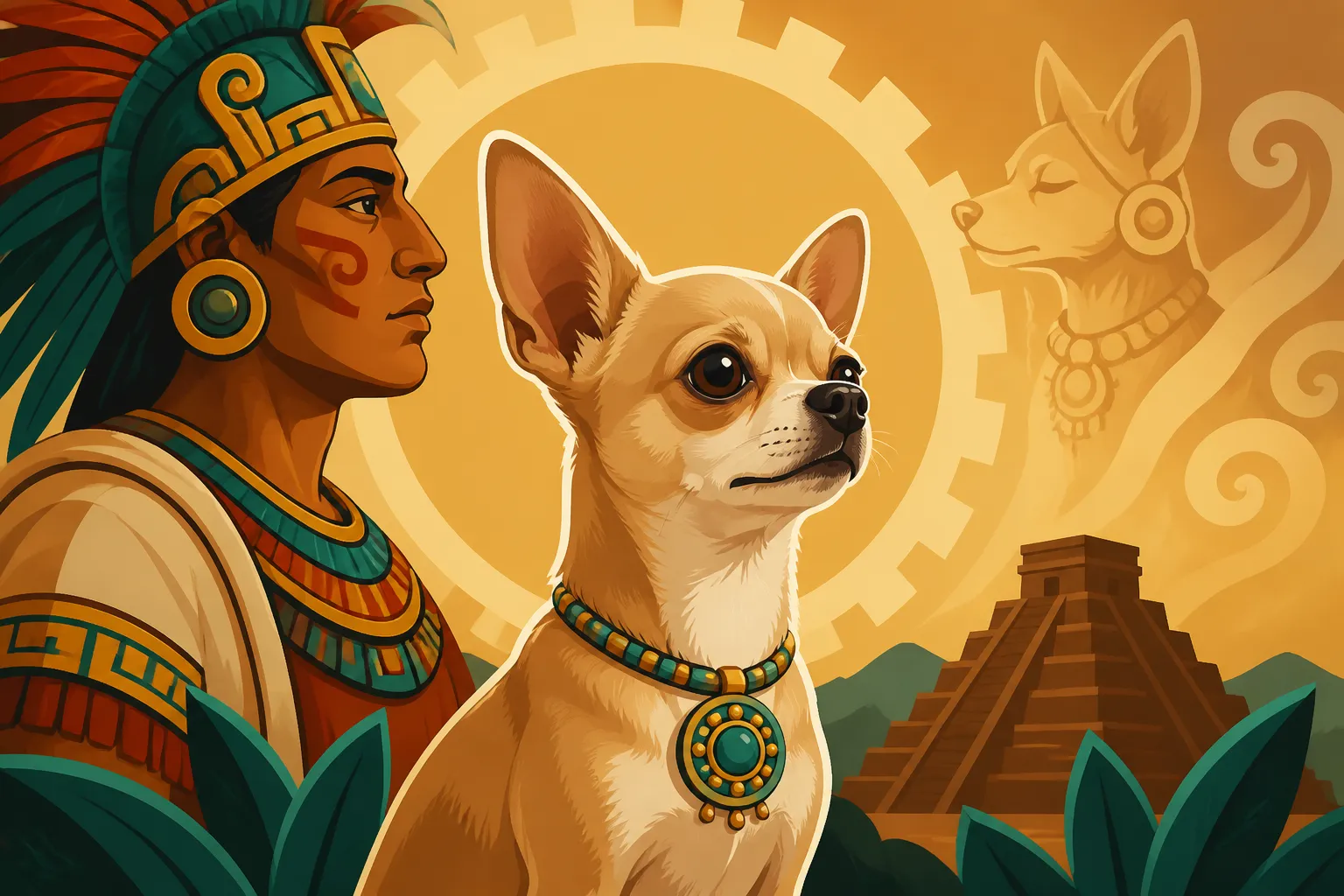
What the Toltecs Believed About Their Dogs
Many of us look at our little Chihuahuas curled up on the sofa, perhaps burrowed under a blanket, and marvel at how such a tiny creature can hold so much personality. But have you ever stopped to wonder about the ancient history swirling in their tiny veins? It's easy to forget that these pint-sized companions carry a lineage stretching back thousands of years to ancient Mesoamerica, where their ancestors weren't just pets, but held profound spiritual significance. This guide dives deep into the fascinating beliefs the Toltec people held about the ancestors of our Chihuahuas, revealing a spiritual connection that goes far beyond simple companionship.
The Ancient Roots of the Chihuahua's Ancestors: The Techichi
When we talk about the earliest ancestors of the Chihuahua, we're really looking at a dog known as the Techichi. These small, often long-haired dogs were native to Mesoamerica, and archaeological evidence, including pottery and carvings, shows they were present for thousands of years before the arrival of Europeans. Imagine a dog that was already deeply ingrained in the culture and daily life of powerful civilizations long before anyone even conceived of a "lapdog" in the modern sense. It's truly incredible.
Tracing the Techichi Through Time
The history of the Techichi is intertwined with some of the most advanced pre-Columbian civilizations. We have discovered sculptures and ceramic effigies of small dogs that bear a striking resemblance to Chihuahuas today, dating back as far as 300 BC. These artifacts provide a window into a world where these dogs were not just animals, but integral members of the community, often depicted with a certain reverence. They weren't just running wild; they were clearly a part of domestic life, a fact that speaks volumes about their importance. If you're curious about their ancient lineage, you might want to read The Chihuahua Ancestor Carved in 300 BC.
These early archaeological findings give us clues about the dogs themselves. They were small, sturdy, and likely quite vocal, much like our modern Chihuahuas. The Toltec civilization, which flourished in Central Mexico from roughly the 10th to 12th centuries, is particularly notable for its interactions with these dogs. The Toltecs were innovators in architecture, art, and societal structure, and within their complex world, the Techichi found a special place. They weren't just an afterthought; they were woven into the very fabric of Toltec existence. We’re not talking about a fleeting trend; this was a deep, sustained relationship over centuries.
More Than Just a Domestic Animal
For the Toltec people, and many other Mesoamerican cultures, animals were rarely just animals in the way we often view them today. They were seen as embodying spirits, holding symbolic power, and often serving as conduits between the human world and the divine. The Techichi, being domesticated and present in human homes, naturally took on these deeper meanings. They weren't simply fed scraps; they were respected. Their presence wasn't accidental; it was purposeful. This elevated status is a key to understanding what the Toltecs believed about these dogs.
Think about it: in a world without advanced science, where natural phenomena were attributed to gods and spirits, every living thing had a role in the cosmic order. The Techichi, with their unique traits and intimate connection to humans, would have been interpreted through this spiritual lens. Their small size, their protective instincts, their warmth – all could have been seen as signs of their special place. For an even broader look at this journey, dive into The Chihuahua From Techichi to American Lapdog.
More Than Just Pets: The Spiritual Role of Toltec Dogs
This is where it gets truly fascinating. The Toltecs didn't just like their Techichis; they held deep spiritual beliefs about them. These dogs were thought to serve crucial functions, particularly in the afterlife, acting as guides and companions in a journey that was paramount to their spiritual understanding. It wasn't just folklore; it was a deeply held conviction that shaped their interactions with these animals.
Guides to the Afterlife
One of the most prominent beliefs among the Toltecs, and indeed many Mesoamerican cultures, was that small dogs like the Techichi served as spirit guides for the deceased on their perilous journey through the underworld, known as Mictlán. Imagine a world where death wasn't an end, but a transition, and every soul needed assistance to navigate the treacherous path ahead. This is where the Techichi stepped in. They were believed to be loyal companions, capable of leading their human masters through challenges and dangers encountered on the journey to the land of the dead.
This belief was so strong that it often led to the Techichi being sacrificed and buried alongside their owners. While this practice can be difficult for us to reconcile with our modern views on animal welfare, it's crucial to understand it within the context of their spiritual framework. It wasn't an act of cruelty in their eyes, but rather the ultimate act of ensuring a loved one's safe passage. The dog wasn't just a pet; it was an essential part of the spiritual survival of the human. This practice highlights the immense value and sacred trust placed in these little dogs. For further reading on the broader context of their utility, consider What the Toltecs Kept the Chihuahua's Ancestor For.
Protectors Against Evil Spirits
Beyond guiding souls, the Techichi were also believed to offer protection in this life, particularly against evil spirits and negative energies. In a world where unseen forces were thought to influence daily life, having a small, alert dog by your side would have been incredibly reassuring. Their keen senses, their vigilance, and their readiness to bark at anything perceived as a threat would have been interpreted not just as animal instinct, but as a spiritual ward.
This protective quality might also be linked to their perceived connection to the underworld. If they could navigate the dangers of Mictlán, surely they could ward off malevolent forces in the living world. They were guardians, both seen and unseen. Even today, many Chihuahua owners will tell you their tiny dogs are fierce protectors, barking at every leaf that blows past the window. Perhaps it's an echo of this ancient instinct, a deep-seated desire to protect their human family from perceived threats, whether physical or spiritual. You can easily find protective gear for your modern tiny guardian, from cozy sweaters to sturdy harnesses, from places like Chewy.
Sacrificial Offerings and Divine Connections
While the role as a spirit guide is often highlighted, it's important to acknowledge that the Techichi, like many animals in ancient cultures, were sometimes used in sacrificial rituals. These sacrifices were not random acts but highly ritualized offerings made to deities, intended to appease gods, ensure good harvests, or bring prosperity. Again, this is a practice viewed through a very different cultural lens than our own, but it underscores the profound connection these dogs had to the spiritual realm.
The act of offering something so valuable, something so intrinsically linked to the spiritual well-being of the community, speaks to the Techichi's high status. They weren't just any animal; they were considered worthy offerings to the gods, signifying their sacred nature. The meticulous depictions of these dogs in art, such as Techichi Figures Found in Mexican Tombs, further confirm their symbolic importance in these rituals and beliefs. These aren't just decorative items; they tell a story of belief and reverence.
From Sacred Guardian to Modern Companion: The Enduring Legacy
The world has changed dramatically since the time of the Toltecs, and the direct spiritual beliefs associated with the Techichi have largely faded into history. Yet, the essence of that ancient connection, the deep bond between humans and these tiny dogs, persists. Our modern Chihuahuas may not be guiding us through the underworld, but they still hold a special place in our hearts and homes.
The Continuity of Companionship
Even as the Toltec civilization eventually declined and other powerful cultures, like the Aztecs, rose to prominence, the small dogs continued to thrive. The Aztecs, for example, also revered these small canines, even working to make them even smaller. If you're curious about how their size changed over time, check out How the Aztecs Shrank the Chihuahua's Ancestor. This continuity across different civilizations demonstrates the inherent appeal and value of these small dogs. They weren't just a Toltec phenomenon; they were a Mesoamerican constant.
Today, our Chihuahuas are cherished family members, bringing joy, comfort, and sometimes a lot of sassy attitude to our lives. While we no longer bury them with our dead, we celebrate their companionship, their loyalty, and their often-fierce devotion. Many modern owners see their Chihuahuas as deeply intuitive, almost spiritual, companions. They seem to know when we're sad, when we need a cuddle, or when we just need a good laugh. Perhaps these are subtle echoes of their ancient, deeper purpose. You can even find specialized comfort items, like cozy beds and blankets, on Chewy, designed to appeal to your Chihuahua’s burrowing instincts – a modern nod to their need for warmth and security.
Honoring the Past in the Present
Understanding the spiritual beliefs of the Toltecs about the Techichi gives us a richer appreciation for our own Chihuahuas. It reminds us that these dogs are more than just cute faces; they are living links to a fascinating and profound history. It encourages us to see them not just as pets, but as beings with a deep, historical connection to humanity.
| Ancient Toltec Belief | Modern Chihuahua Trait/Perception | Connection |
|---|---|---|
| Guide to the Afterlife | Deep loyalty, "shadowing" owner | Unwavering companionship, staying by owner's side |
| Protector Against Evil | Alert barking, guarding home | Fierce vigilance, protective instincts |
| Sacred Companion | Strong emotional bond, intuition | Cherished family member, sensitive to moods |
| Valued Offering | High regard, pampered status | Loved and cared for, often indulged |
This table illustrates how some of the foundational roles perceived by the Toltecs, even if stripped of their literal spiritual meaning, manifest in the way we interact with and appreciate our Chihuahuas today. They are still seen as valuable, loyal, and protective, albeit in a different context. They've earned their place on our laps and in our lives through millennia of faithful companionship. From finding the perfect toy to the best food, modern owners can easily find everything they need to pamper their tiny companions at retailers like Chewy.
The Unseen Legacy
While we may never fully grasp the nuances of Toltec spirituality, we can certainly recognize the enduring spirit of the Techichi in our Chihuahuas. Their intelligence, their sometimes-stubborn independence, and their profound capacity for love all echo a lineage that has been cherished and revered for thousands of years. The next time your Chihuahua curls up beside you, take a moment to reflect on the incredible journey their ancestors have taken, from sacred guardians of the underworld to beloved companions in your home. It’s a powerful reminder that our little dogs carry a much bigger story than their size suggests.
Remember, the history of this breed is vast and complex, stretching far beyond what we know directly about the Toltecs. For a full picture of their journey through time, delve into resources like How Old the Techichi Line Actually Is and explore the rich tapestry of their origins.
Disclaimer
This article is for general informational purposes only and does not constitute professional advice. Laws, prices and regulations vary by location and change over time. Consult a qualified professional for guidance on your specific situation.