The Four Grades of a Slipping Chihuahua Kneecap
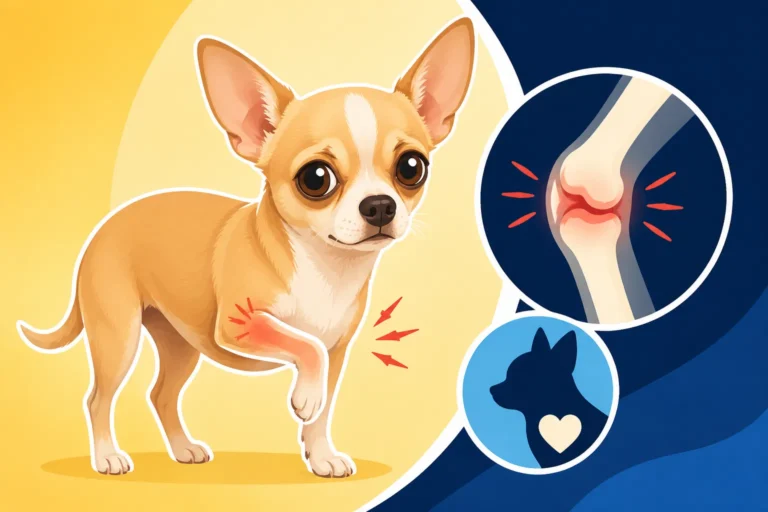
It’s an unsettling moment for any Chihuahua parent: you see your tiny companion suddenly hold up a back leg, maybe let out a little yelp, and then proceed as if nothing happened, perhaps with a slight skip in their step. Or, even more concerning, you notice a persistent limp, a reluctance to jump, or a strange bow in their hind leg. These are often the tell-tale signs of patellar luxation, a condition where your Chihuahua’s kneecap slips out of its normal groove. This guide will walk you through the four distinct grades of this common joint problem, helping you understand what’s happening and what you can do.
Understanding Patellar Luxation in Chihuahuas
When we talk about a Chihuahua’s knee, we’re really referring to the patella, or kneecap, which is a small, oval-shaped bone that sits in a groove at the end of the femur (thigh bone). This kneecap acts as a pulley for the quadriceps muscle, helping to extend the lower leg. In a perfect world, the patella glides smoothly up and down this groove, called the trochlear groove, allowing for fluid movement. But for many Chihuahuas, that world isn’t quite so perfect.
What Exactly is a Slipping Kneecap?
Imagine a tiny train on its tracks. The patella is the train, and the trochlear groove is its track. When patellar luxation occurs, the "train" jumps off its "track." This can happen either medially (towards the inside of the leg) or laterally (towards the outside). Medial patellar luxation is by far the most common type in Chihuahuas and other small breeds. It’s not just a momentary inconvenience; each time it slips, it causes friction and can lead to damage over time, affecting the cartilage and bone.
The reason it's such a big deal for Chihuahuas specifically is their delicate, miniature anatomy. Their bones are small, their joints are compact, and even a slight anatomical deviation can have a significant impact. This isn't just a quirk; it's a structural vulnerability inherent to the breed that often requires careful management, and sometimes even surgical intervention. Understanding how a Chihuahua kneecap slips out of place is the first step in addressing this common issue.
Why Chihuahuas Are Prone to This Condition
Chihuahuas, like many other toy breeds such as Pomeranians and Yorkshire Terriers, are genetically predisposed to patellar luxation. This isn't usually due to an injury, but rather a congenital malformation, meaning they're born with structural anomalies that make their kneecaps unstable. The primary issue often lies in a shallow trochlear groove—the "track" simply isn't deep enough to hold the "train" securely. Sometimes, the ligaments holding the kneecap in place are too loose, or the bones of the leg (femur and tibia) aren't perfectly aligned, creating an abnormal pull on the patella.
Because Chihuahuas are so small, even minor misalignments can lead to significant problems. Their fast-paced, often enthusiastic movements, including jumping on and off furniture (even if it's just a low couch), can put repeated stress on these already compromised joints. This combination of genetic predisposition and the stresses of daily activity means that many Chihuahuas will, unfortunately, face some degree of patellar luxation in their lifetime. It’s a reality of owning these adorable, spirited little dogs.
Grade 1 Patellar Luxation: The Mildest Slip
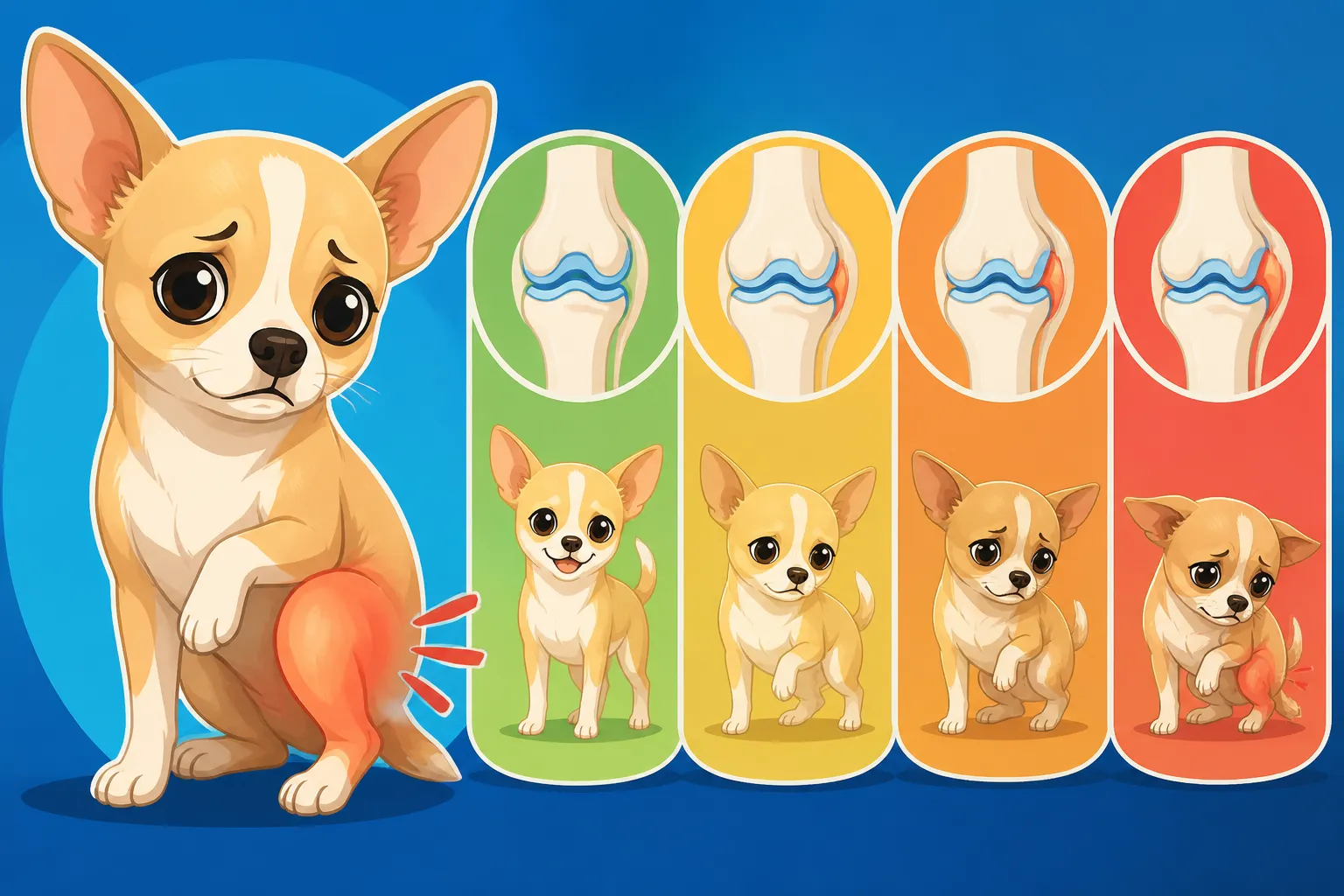
Grade 1 patellar luxation is often the silent culprit, the one that sneaks up on you and might go unnoticed for a while. It’s the mildest form of the condition, where the kneecap slips out of its groove only occasionally and easily returns to its proper position, either on its own or with a gentle nudge. Many Chihuahuas live long, happy lives with a Grade 1 luxation without ever needing surgery, but it’s still important to be aware of it.
Identifying a Grade 1 Slip
The most common sign of a Grade 1 slip is that fleeting "skipping gait" you might observe. Your Chihuahua will be trotting along, suddenly pick up a back leg for a few steps, and then put it down and walk normally as if nothing happened. This brief moment of lameness occurs when the kneecap momentarily slips out, causing a hitch in their stride, and then pops back in. They usually don't show any obvious signs of pain, and the episode is so brief you might even question if you actually saw it. A vet can often diagnose Grade One Patellar Luxation That Corrects Itself during a routine physical exam by manually pushing the kneecap out of place, noting how easily it slides back in.
It's easy to dismiss these subtle signs, especially if your Chihuahua is otherwise energetic and happy. They might not cry out, and the limping is so intermittent that it doesn't seem like a serious problem. However, even these mild, infrequent slips can cause cumulative wear and tear on the joint cartilage over time. Keeping an eye on these early indicators is crucial for proactive care, and your vet will often flag it even if your Chihuahua isn't showing any symptoms yet.
Managing Grade 1 at Home
While surgery is generally not recommended for Grade 1 patellar luxation, there's a lot you can do at home to support your Chihuahua's knee health. Foremost among these is maintaining a healthy weight. Even an extra half-pound on a tiny Chihuahua can put disproportionate strain on their joints, accelerating wear and tear. Regular, controlled exercise is also key; think short, brisk walks rather than intense, jumping activities. Strengthening the muscles around the knee can help provide natural support, so gentle, consistent movement is beneficial.
Many owners also consider joint supplements containing glucosamine, chondroitin, and MSM, which can help support cartilage health and reduce inflammation. Brands like Nutramax Dasuquin or Cosequin are popular choices for small dogs. While these supplements aren't a cure, they can contribute to overall joint health and potentially slow progression. Keeping a Chihuahua off furniture to protect knees, or at least providing ramps and steps for a Chihuahua sofa, also minimizes impact. The goal is to minimize stress on the joint and monitor for any changes in the skipping gait or signs of discomfort.
Grade 2 Patellar Luxation: More Frequent Issues
Grade 2 patellar luxation marks a clear step up in severity. Here, the kneecap still slips out of its groove periodically, but it doesn't always go back in on its own immediately. It might require your Chihuahua to shake their leg, stretch it out, or even for you to gently manipulate it back into place. This is where the condition starts to become more noticeable and can definitely impact your Chihuahua's quality of life.
Recognizing a Grade 2 Progression
With a Grade 2 luxation, the skipping or limping episodes become more frequent and prolonged. You might observe your Chihuahua holding up their leg for several steps, or even a short period of time, before putting it back down. The telltale sign, "The Skipping Gait That Signals a Chihuahua Knee," is no longer fleeting but a regular occurrence. Sometimes, your dog might even cry out when the kneecap slips, indicating actual discomfort or pain. This is a significant difference from Grade 1, where pain is usually absent.
During a vet examination, a Grade 2 kneecap can be manually luxated quite easily and often stays out of the groove until it is manually replaced or the leg is flexed and extended. This persistent instability, coupled with observable signs of discomfort, signals that the condition is progressing beyond just a minor anatomical variation. As a concerned owner, you might start noticing a shift in your Chihuahua's usual activity levels, perhaps a reluctance to jump or engage in their favorite games. This is often the point where you start seriously considering interventions beyond just home management.
When to Consider Veterinary Intervention for Grade 2
For Grade 2 patellar luxation, veterinary intervention becomes a more serious discussion. While some dogs might manage with continued conservative care (weight management, supplements, controlled exercise), many vets will start discussing options like physical therapy or even surgical correction, especially if there's pain or if the luxation is frequent and debilitating. Physical therapy, which might include specific exercises to strengthen the quadriceps and hamstring muscles, can be very beneficial in stabilizing the joint. Hydrotherapy (swimming) is another excellent low-impact option.
If conservative measures aren't enough, surgery becomes a strong consideration. The goal of surgery for a Grade 2 luxation is to deepen the trochlear groove, realign the patellar ligament, and sometimes tighten the joint capsule to prevent further slippage. This is a preventative measure, aiming to reduce the long-term risk of arthritis and improve mobility. The decision for surgery often comes down to the individual dog's comfort level and how much the condition impacts their daily life. While Chihuahua Kneecap Surgery Costs can be substantial, early intervention can often prevent more severe problems down the line. It's also worth discussing pet insurance options with your vet, especially before any pre-existing conditions become too severe; companies like Healthy Paws offer coverage for a range of accidents and illnesses, but generally exclude conditions already present before enrollment.
Grade 3 Patellar Luxation: Persistent Instability
Grade 3 patellar luxation is a significantly more serious condition, characterized by the kneecap being luxated (out of its groove) most of the time. While it might still be possible to manually put the kneecap back into place, it will quickly slip out again once released. This persistent instability has a profound impact on a Chihuahua's mobility and comfort, often leading to noticeable changes in their stance and gait.
Symptoms of a Grade 3 Luxation
When a Chihuahua has Grade 3 patellar luxation, you'll likely see persistent lameness. Their leg might appear bowed, and they may adopt a crouched stance, especially in the hindquarters, because the patella being out of place causes the quadriceps muscle to pull the femur and tibia into an abnormal position. Walking can become a challenge, and they'll actively try to avoid putting weight on the affected leg. The constant misalignment can lead to significant muscle atrophy (wasting) in the affected limb, as they're not using it correctly or as much.
Chronic pain is almost a given with Grade 3 luxation. Your Chihuahua might cry out when moved or touched, become reluctant to exercise, or even start showing behavioral changes like increased irritability or aggression due to constant discomfort. These are signs that a Chihuahua snaps because its knee hurts. Over time, the repeated friction and abnormal joint mechanics will inevitably lead to severe arthritis, causing further pain and reduced mobility. This is a condition that significantly impacts a Chihuahua's quality of life and demands attention.
Surgical Considerations and Recovery for Grade 3
For Grade 3 patellar luxation, surgical intervention is almost always recommended to correct the anatomical abnormalities and restore proper joint function. The most common procedures involve deepening the trochlear groove (trochleoplasty) so the kneecap has a more secure "track" to run in, and often repositioning the tibial tuberosity (tibial tuberosity transposition) to ensure the patellar ligament pulls straight. Sometimes, a joint capsule release or tightening (fascial imbrication) is also performed. These surgeries are highly effective but require a skilled veterinary surgeon, often an orthopedic specialist.
Recovery after Chihuahua kneecap surgery is a commitment, typically involving strict rest for several weeks, followed by a gradual increase in controlled activity. Pain management is crucial during this period, often involving a combination of medications. Physical therapy, once cleared by the vet, plays a vital role in regaining strength, flexibility, and range of motion. While the prognosis for Grade 3 surgery is generally good, it’s important to have realistic expectations. Some degree of arthritis may still develop over the dog's lifetime, especially if the condition was long-standing, but surgery aims to significantly improve comfort and function.
Grade 4 Patellar Luxation: Severe and Chronic
Grade 4 patellar luxation represents the most severe form of the condition. In this stage, the kneecap is permanently luxated, meaning it is always out of its groove and cannot be manually reduced, even by a veterinarian. The anatomical deformities of the leg bones are so pronounced that the joint structure is fundamentally compromised. This is a very serious condition that drastically affects a Chihuahua's ability to walk and live comfortably.
The Impact of Grade 4 on Your Chihuahua
A Chihuahua with Grade 4 patellar luxation will typically exhibit severe, persistent lameness or be unable to use the affected leg at all. Their limb will likely be significantly bowed or twisted due to the severe skeletal deformities, and they will walk with a severely abnormal gait, often with a permanent crouch or by dragging the limb. Because the kneecap cannot be put back in place, the mechanics of the entire leg are disrupted, leading to chronic, debilitating pain and extensive muscle atrophy. They may struggle with basic movements like standing, walking, or even getting comfortable when lying down.
The impact on their quality of life is profound. Daily activities become arduous, and they may withdraw, become irritable, or display other signs of chronic pain. Secondary problems, such as hip or spinal issues, can also develop as the dog attempts to compensate for the severely compromised knee. This grade is distressing for both the dog and their owner, as the visible deformity and constant discomfort are undeniable, requiring significant empathy and intervention.
Advanced Treatment and Long-Term Care
Treatment for Grade 4 patellar luxation is complex and often challenging. Due to the severe anatomical changes, standard surgical techniques used for lower grades may not be sufficient. Advanced procedures, such as osteotomy (cutting and realigning bones) of the femur or tibia, might be necessary, often performed by highly specialized orthopedic surgeons. The goal is to correct the alignment enough to allow the patella to remain in the groove, but the extent of correction possible depends on the individual dog's specific deformities.
Even with successful surgery, the prognosis for full, pain-free function may be guarded, as the joint has often suffered extensive damage and arthritic changes are severe. Long-term care will almost certainly involve ongoing pain management with medication, regular physical therapy to maintain muscle mass and range of motion, and careful monitoring for comfort. Mobility aids, a comfortable bed, and modifications around the home (like ramps and non-slip surfaces) become absolutely essential to help your Chihuahua navigate their world with the best possible quality of life. This is often an end-of-life decision for a long-lived Chihuahua if the pain cannot be managed effectively.
Living with a Chihuahua with Patellar Luxation
No matter the grade, living with a Chihuahua affected by patellar luxation requires a thoughtful approach to their daily care. It’s not just about managing the immediate symptoms; it’s about creating an environment that supports their joint health and prevents further damage over their entire lifespan.
Supportive Care and Environmental Modifications
One of the most immediate and impactful things you can do for a Chihuahua with patellar luxation is to modify their living environment. Think about how they interact with your home. Are they constantly jumping on and off the couch or bed? This repetitive impact can exacerbate the condition. Providing ramps and steps for a Chihuahua sofa or bed can eliminate harmful jumping. Consider non-slip rugs or runners on hard floors to prevent slips and slides that can put sudden stress on their knees. A good rule of thumb is that if your Chihuahua can't comfortably walk on a surface, they shouldn't be asked to.
Regular, controlled exercise is also vital, but it needs to be the right kind. Short, consistent walks on a leash are far better than sporadic, high-impact play sessions. Avoid activities that involve sharp turns, twisting motions, or high jumps. The goal is to strengthen the muscles supporting the joint without putting excessive strain on it. Routine vet check-ups are paramount, not just for annual vaccinations, but specifically to monitor the progression of the luxation and discuss any new signs of pain or discomfort. Your vet can provide guidance on appropriate exercise levels and identify any worsening symptoms early on.
Nutritional Support and Weight Management
Maintaining a lean body condition is perhaps the single most critical factor in managing patellar luxation in a Chihuahua. Every extra ounce puts additional strain on those tiny, vulnerable joints. Your vet can help you determine your Chihuahua's ideal weight and develop a feeding plan. This might involve carefully measuring their food to the gram, as even a slight overestimation can lead to weight gain in a dog that only needs around Daily Calories for a Three to Seven Pound Chihuahua.
Beyond just calorie control, consider a diet that supports joint health. Many premium dog foods formulate options with added glucosamine and chondroitin, or you can add these supplements separately. Fish oil, rich in Omega-3 fatty acids, can also help reduce inflammation. While these won't "cure" luxation, they can certainly help manage the symptoms and support the overall health of the cartilage. Always discuss any dietary changes or supplements with your veterinarian to ensure they're appropriate for your individual Chihuahua's needs, especially given their specific calorie budget and potential sensitivities.
When to Get Pet Insurance
Navigating the potential costs of patellar luxation can be daunting, from ongoing veterinary visits to possible surgeries and long-term medication. This is where pet insurance can be a real lifeline. Companies like Healthy Paws offer accident and illness policies that can significantly reduce your out-of-pocket expenses. However, the timing of enrollment is absolutely crucial. Most pet insurance policies consider patellar luxation a pre-existing condition if signs were noted or diagnosed before you enrolled or before the waiting period ended. This means if your Chihuahua already has a diagnosed luxation, that specific condition may not be covered.
Therefore, the ideal time to enroll your Chihuahua in pet insurance is when they are a healthy puppy, before any such issues arise. This ensures that if patellar luxation develops later, it will be covered, subject to your policy's terms. It’s a proactive step that can save you thousands of dollars down the line. When choosing a policy, look closely at deductibles, reimbursement percentages, and annual limits, and understand what Patellar Luxation as a Pre-Existing Chihuahua Condition truly means for your coverage.
Here's a quick comparison of patellar luxation grades:
| Grade | Description | Manual Reduction | Typical Symptoms | Treatment Recommendations |
|---|---|---|---|---|
| 1 | Occasional luxation, easily self-corrects. | Yes, easy | Occasional skipping gait, no pain. | Weight management, controlled exercise, supplements. |
| 2 | Frequent luxation, requires manual or self-correction. | Yes, easy | More frequent skipping, occasional pain/lameness. | Conservative care, physical therapy, consider surgery. |
| 3 | Patella luxated most of the time, can be reduced but slips out. | Yes, difficult | Persistent lameness, crouched stance, chronic pain. | Surgery almost always recommended. |
| 4 | Patella permanently luxated, cannot be reduced. | No | Severe lameness, limb deformity, debilitating pain. | Complex surgery (osteotomy), extensive long-term care. |
Disclaimer
The information provided in this article is for educational purposes only and is not a substitute for professional veterinary advice. Always consult with a qualified veterinarian for any health concerns or before making any decisions about your Chihuahua's medical care or treatment.