How Often a Chihuahua Needs a Bath
One of the trickiest things about owning a Chihuahua is figuring out their unique care needs, especially when it comes to grooming. Many new Chihuahua parents find themselves constantly wondering, "How often is too often?" or "Am I bathing them enough?" It’s a legitimate concern, because these tiny dogs have surprisingly delicate skin and varying coat types, and getting it wrong can lead to dry, itchy skin, or conversely, a greasy, smelly little companion. This guide is here to walk you through the nuances of Chihuahua bathing, helping you find that perfect balance for a happy, healthy, and clean pup.
Understanding Your Chihuahua's Unique Skin and Coat
When we talk about bathing any dog, we're really talking about maintaining the health of their skin and coat. For Chihuahuas, this is especially important because their small size and specific breed characteristics make them a bit different from your average furry friend. Their skin is thin, and their coats, whether smooth or long, are often quite fine.
Why Chihuahuas Have Delicate Skin and Coats
Chihuahuas generally have very fine hair, even the long-coated varieties. Unlike some breeds with thick undercoats, many Chihuahuas have relatively sparse fur or a single coat, making their skin more exposed and prone to irritation. This delicate skin can react more intensely to harsh shampoos, extreme temperatures, or even just being handled roughly. You might notice they shiver easily, and part of that is their low body fat and thin skin, which offers less insulation. This also means their skin can dry out faster than a larger, thicker-coated dog.
Their small stature also means they have a smaller surface area, so while they might get dirty, the sheer volume of dirt is often less than what a Golden Retriever might accumulate. This doesn't mean they don't get messy, but it frames how we think about the intensity of their cleaning needs.
The Dangers of Over-Bathing
It's tempting to want a perpetually fresh-smelling dog, but bathing a Chihuahua too frequently can do more harm than good. A dog's skin has natural oils that are crucial for maintaining a healthy skin barrier and coat sheen. These oils act as a protective layer, keeping moisture in and irritants out. When you bathe your Chihuahua too often, especially with strong detergents, you strip away these essential oils.
This stripping leads to dry, flaky, and itchy skin. Your Chihuahua might start scratching excessively, leading to redness, hot spots, or even secondary skin infections if they break the skin. It can also disrupt the natural pH balance of their skin, making them more susceptible to yeast or bacterial overgrowth. Imagine washing your own hair twice a day with harsh soap – it wouldn't feel good for long, would it? The same principle applies to your little companion.
The Downsides of Under-Bathing
On the flip side, neglecting your Chihuahua's grooming needs can also cause problems. If baths are too infrequent, especially for a long-coated Chihuahua, their fur can become matted and tangled. Mats aren't just unsightly; they can pull on the skin, causing pain and creating breeding grounds for parasites and skin infections due to trapped moisture and debris.
Beyond matting, under-bathing allows dirt, dander, and environmental allergens to accumulate on their skin and coat. This buildup can lead to an unpleasant odor, a greasy or dull coat, and irritate their sensitive skin, potentially triggering allergic reactions or general itchiness. Some Chihuahuas can develop skin issues or even exacerbate existing conditions like Chihuahua Skin Allergies and Bald Patches if they aren't kept clean and comfortable. It's a fine line to walk, but finding the right rhythm is key.
Factors Influencing Bath Frequency
There isn't a single, universal answer to how often every Chihuahua needs a bath. It truly depends on a variety of factors unique to your specific dog and household. Thinking about these elements will help you tailor a bathing schedule that works best.
Coat Type: Smooth vs. Long Coat
The most obvious factor is your Chihuahua's coat type. We often talk about Smooth Coat and Long Coat Chihuahua Grooming as distinct needs, and bathing is no exception.
- Smooth Coat Chihuahuas: These little guys have short, close-lying fur. While they might show dirt more readily, a quick wipe down with a damp cloth or a dog-specific grooming wipe can often handle minor messes. Their short coats are less prone to matting, so they can generally go longer between full baths. However, their skin is still exposed and sensitive, so regular checks for dryness are important.
- Long Coat Chihuahuas: With their flowing manes, feathered ears, and often plumed tails, long-coated Chihuahuas are absolutely stunning. However, this beautiful coat also acts as a magnet for dirt, debris, and potential tangles. They might not look as "dirty" as a smooth coat after a roll in the grass, but the grime can be hidden deeper within their fur. Regular brushing – daily, if possible – is essential for these pups to prevent mats and distribute natural oils. While brushing helps, they might still need a full bath slightly more frequently than their smooth-coated cousins, especially if their fur gets greasy or they pick up a lot of outdoor debris.
Lifestyle and Activity Level
Consider what your Chihuahua actually does every day. A pampered city dog who spends most of its time indoors, carried in a bag, and only takes short sidewalk strolls will naturally stay cleaner than an adventurous pup who loves romping in the backyard, visiting dog parks, or joining you on hikes.
If your Chihuahua is prone to rolling in mud, investigating every puddle, or enjoying dusty trails, then more frequent baths or spot cleaning will be necessary. Conversely, a couch potato Chihuahua might only need a bath every month or even six weeks, assuming they are regularly brushed and don't have underlying skin issues. Think about their exposure to dirt, pollen, and other environmental factors that could cling to their fur or irritate their skin.
Skin Sensitivities and Allergies
Many Chihuahuas, like other small breeds, can be prone to skin sensitivities or environmental allergies. If your dog suffers from flaky skin, redness, persistent itching, or has been diagnosed with specific allergies by your vet, their bathing frequency and product choices become even more critical.
For Chihuahuas with dry skin, less frequent bathing and the use of ultra-moisturizing, hypoallergenic shampoos are key. On the other hand, if your Chihuahua has a skin condition that requires medicated shampoo, your veterinarian might recommend more frequent baths for a set period to treat the issue. Always follow your vet's advice in these situations. They might even suggest specific brands of shampoo or conditioners that are known to be gentle on sensitive skin, available at places like Chewy or Amazon.
Seasonal Considerations
The time of year can also play a role in your Chihuahua's bathing needs.
- Spring and Summer: These seasons often bring more outdoor activity, higher pollen counts, and sometimes more humidity. If your Chihuahua spends more time outside, encountering mud, dust, or allergens, they might need more frequent bathing to remove these irritants from their coat. Be mindful of Hot Pavement and a Chihuahua's Small Feet and ensure any outdoor adventures are safe and comfortable.
- Fall and Winter: Colder, drier air can strip moisture from the skin, making Chihuahuas more prone to dry, itchy skin. In these months, you might want to extend the time between baths to preserve their natural skin oils. However, if your Chihuahua wears sweaters or coats, these can sometimes trap dirt or create friction, so keeping the skin underneath clean is still important. If you live in an area with snow and ice, salt and de-icers can irritate paws and cling to lower body fur, requiring paw rinsing or even a quick rinse of their belly and legs after walks.
| Factor | Recommended Bath Frequency | Notes |
|---|---|---|
| Smooth Coat | Every 4-6 weeks | Easier to wipe clean; less prone to mats. Monitor for dryness. |
| Long Coat | Every 3-5 weeks | Prone to tangles and trapping dirt; requires regular brushing between baths. |
| Low Activity | Every 6-8 weeks | Primarily indoors, minimal exposure to outdoor elements. |
| High Activity | Every 2-4 weeks (or as needed) | Frequent outdoor adventures, rolls in dirt/grass. Spot cleaning often. |
| Sensitive Skin | Every 6-8 weeks (or vet-recommended) | Minimize stripping natural oils; use hypoallergenic/medicated shampoos. |
| No Issues | Every 3-6 weeks | A good baseline for a healthy, active but not overly messy Chihuahua. |
| Unexpected Mess | Immediately | For rolling in something truly awful! |
Establishing a Healthy Bathing Routine
Once you understand the factors at play, you can start to nail down a bathing routine that works for your individual Chihuahua. The goal is to keep them clean and comfortable without over-drying their delicate skin.
The "Sweet Spot" for Most Chihuahuas
For the average, healthy Chihuahua with a balanced lifestyle, a bath every 3 to 6 weeks is often the sweet spot. This allows enough time for their natural oils to replenish while preventing excessive dirt and odor buildup. Some Chihuahuas with very dry skin or minimal outdoor exposure might be fine with a bath every 8 weeks, especially during dry winter months. Others, particularly long-haired Chihuahuas who love to explore, might need closer to every 3-4 weeks with diligent brushing in between.
The best way to figure out your Chihuahua's ideal schedule is to observe them. Do they start to smell a little "doggy"? Is their coat looking dull or feeling greasy? Are they scratching more than usual? These are cues that a bath might be due or that your current routine needs adjustment.
The Gentle Bathing Process for a Chihuahua
Bathing a Chihuahua isn't just about how often; it's also about how you do it. These little dogs can get chilly easily, and their small size means you need to be extra gentle.
- Preparation is Key: Gather everything you need before you start: shampoo, conditioner (optional but recommended), towels, a small cup for rinsing, and perhaps cotton balls for their ears. Brush your long-haired Chihuahua thoroughly beforehand to remove any loose fur or tangles.
- Water Temperature: Use lukewarm water – test it on your wrist to ensure it's comfortable, not too hot or too cold. Filling a shallow sink or a small tub is usually easier than a full-sized bathtub.
- Gentle Wetting: Slowly wet your Chihuahua's coat, talking to them calmly. Avoid spraying water directly into their face or ears. You can use a damp cloth to gently clean their face.
- Shampoo Application: Apply a small amount of dog-specific shampoo and lather gently. Focus on areas that get dirtiest, like paws, belly, and around the tail. Avoid vigorous scrubbing, as this can irritate their skin. Take care to protect their eyes.
- Thorough Rinsing: This is perhaps the most important step. Residual shampoo can cause skin irritation and flakiness. Rinse, rinse, and rinse again until the water runs clear and their fur feels squeaky clean, not slick. Use the small cup for precise rinsing around their head and ears. This thorough rinsing is crucial, as noted in articles about Bathing a Chihuahua Without Letting It Chill.
- Conditioner (Optional): If your Chihuahua has long fur or dry skin, a dog-specific conditioner can add moisture back into their coat. Apply, let sit for a minute or two, then rinse thoroughly.
- Drying: Immediately after rinsing, wrap your Chihuahua in a soft towel and gently blot away excess water. Many Chihuahuas shiver post-bath, so the goal is to get them dry quickly to prevent chills. You can use a low-heat setting on a hairdryer, held far away from their body, continuously moving it to avoid burning their delicate skin. Keep them in a warm, draft-free room until they are completely dry. For more tips on this, check out Drying a Chihuahua Quickly After a Bath.
Choosing the Right Products
The products you use are just as important as the frequency of bathing. Skip human shampoos entirely; their pH balance is different from a dog's and can be very irritating.
- Gentle, Hypoallergenic Shampoo: Look for shampoos specifically formulated for dogs with sensitive skin, or those labeled "hypoallergenic," "tearless," or "soap-free." Ingredients like oatmeal, aloe vera, or chamomile can be soothing. Brands like Earthbath, TropiClean, or even some veterinary-recommended lines found on Chewy or Amazon often offer excellent choices. Consider a shampoo that is Shampoo That Does Not Strip a Chihuahua Coat.
- Conditioner: A dog-specific conditioner can help restore moisture and keep long coats soft and manageable, reducing static and preventing tangles.
- Grooming Wipes: For quick clean-ups between baths, dog grooming wipes are invaluable. They can tackle dirty paws, freshen up their hindquarters, or wipe away dust without the need for a full bath.
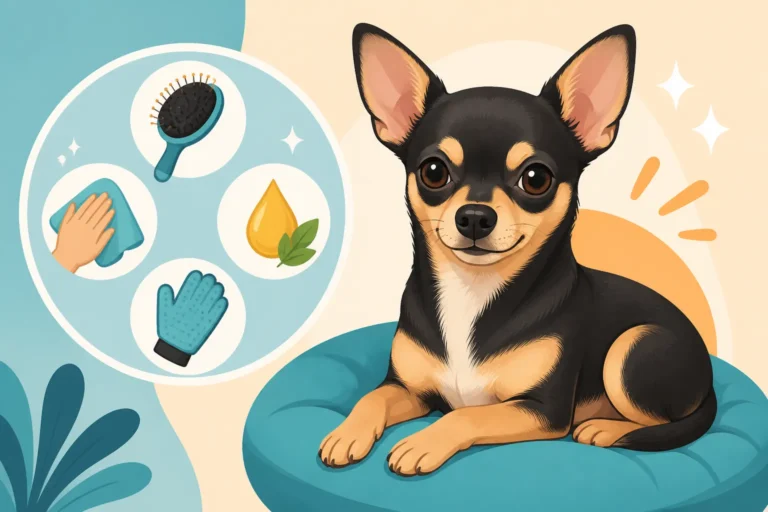
- Soft Brushes: For long-haired Chihuahuas, a soft slicker brush or a pin brush is essential for daily maintenance to prevent mats. Even smooth coats benefit from a soft bristle brush to remove loose hair and stimulate the skin. Brushing a Long Coat Chihuahua Weekly is a task that will drastically reduce the need for emergency baths.
Between-Bath Freshening
Maintaining freshness doesn't always require a full bath. There are several ways to keep your Chihuahua clean and comfortable between washes.
- Daily Brushing: This is paramount, especially for long-haired Chihuahuas. Brushing removes loose hair, dirt, and dander, prevents mats, and distributes natural skin oils, keeping their coat healthy and shiny. For smooth coats, a quick brush a few times a week is usually sufficient.
- Spot Cleaning: Did your Chihuahua step in something yucky? Or maybe their hindquarters need a little refresh after a potty break? Use a damp cloth or a dog-specific grooming wipe to clean just the affected area.
- Paw Wipes: After walks, especially if it’s muddy or rainy, wiping down their paws prevents tracking dirt into the house and removes any potential irritants like salt or chemicals from their tiny feet.
- Dry Shampoos/Deodorizing Sprays: If your Chihuahua starts to smell a bit before their next scheduled bath, a dog-safe dry shampoo or deodorizing spray can offer a quick refresh. Just be sure to choose products with natural, non-irritating ingredients.
- Regular Ear Cleaning: Chihuahuas have large, open ears which can accumulate wax and debris. A gentle wipe with a dog ear cleaner can prevent Chihuahua Ear Infections and Big Open Ears.
- Eye Wipes: Many Chihuahuas develop tear stains. Wiping their faces daily with a soft, damp cloth or a tear stain remover can keep the area clean and prevent irritation, a topic often explored in Chihuahua Tear Stain Cleaning.
When to Deviate from the Routine
While establishing a routine is great, it's also important to be flexible. Life with a Chihuahua is rarely perfectly predictable, and sometimes, you just have to adapt.
Unexpected Messes
Let's be honest, dogs find the most incredible things to roll in, and Chihuahuas are no exception. Whether it's mud, something stinky in the park, or a little accident indoors, sometimes a full, immediate bath is simply unavoidable. Don't worry about breaking your routine in these instances; hygiene and comfort take precedence.
When an unexpected mess happens, assess the situation. If it's just a localized patch of mud, sometimes a thorough spot clean with a damp cloth and quick dry is enough. If it's something truly offensive or widespread, then a full bath is necessary. Just be sure to use a gentle, moisturizing shampoo to counteract the effect of an unscheduled wash, and follow up with a good conditioner.
Veterinary Recommendations for Skin Issues
If your Chihuahua is dealing with a skin condition, such as allergies, yeast infections, or bacterial dermatitis, your veterinarian might prescribe a medicated shampoo. These shampoos often require a specific frequency and contact time to be effective. For example, your vet might tell you to bathe your Chihuahua every 3-7 days for a few weeks, allowing the shampoo to sit on the skin for 5-10 minutes before rinsing.
In these cases, always follow your vet's instructions precisely, even if it means bathing more frequently than your usual routine. Medicated baths are a form of treatment, and adherence is crucial for your Chihuahua's recovery. Once the condition is under control, you can gradually return to a more standard bathing schedule, perhaps incorporating a gentle, maintenance shampoo.
Older Chihuahuas and Special Needs
As Chihuahuas age, their skin and coat can change, and their overall mobility might decrease. Senior Chihuahua Care Past the Age of Twelve brings with it a host of new considerations. Older Chihuahuas often have drier, more sensitive skin, and their coats might become thinner or coarser. They might also be more prone to arthritis, making standing for a bath uncomfortable or even painful.
For senior Chihuahuas, you might want to:
- Reduce Bath Frequency: To preserve their natural oils and prevent dryness, less frequent bathing might be ideal, perhaps every 6-8 weeks, unless medical necessity dictates otherwise.
- Use Extra Gentle Products: Opt for ultra-moisturizing, hypoallergenic shampoos and conditioners designed for sensitive skin.
- Ensure Comfort: Use a non-slip mat in the sink or tub. Provide plenty of support, and keep bath times short and sweet. Use a very gentle stream of water.
- Focus on Spot Cleaning: If a full bath is too stressful or uncomfortable, focus on targeted cleaning of dirty areas using wipes or a damp cloth. This can keep them fresh without the full ordeal.
Ultimately, bathing your Chihuahua is a balance between cleanliness and maintaining healthy skin and coat. By understanding your dog's individual needs, being mindful of the products you use, and following a gentle process, you can ensure your tiny companion is both fresh-smelling and comfortable.
Disclaimer
This article is for general informational purposes only and does not constitute professional advice. Laws, prices and regulations vary by location and change over time. Consult a qualified professional for guidance on your specific situation.