Why a Chihuahua Sleeps Under the Covers
If you're a Chihuahua parent, you've probably experienced it: you wake up in the morning, or perhaps you just reach for a blanket on the sofa, only to find a tiny, warm lump nestled deep inside the covers. Your little companion loves to burrow, to create a cozy, hidden den out of blankets, pillows, or even your laundry pile. It's a charming quirk, but it often leaves owners wondering, "Why do they do that?" This guide is here to shed light on this endearing Chihuahua habit, exploring everything from their inherent physical needs to learned behaviors and how to ensure your tiny burrower stays safe and comfortable.
The Primal Instinct for Warmth and Security
Chihuahuas aren't just being cute when they dive under the covers; they're often responding to deep-seated instincts related to their physical makeup and ancient lineage. Their tiny bodies aren't built for cold, and the world can feel like a very big, exposed place for such a small dog.
A Breed Built for Warmth (or Lack Thereof)
Let's be real: Chihuahuas are tiny, often weighing less than a large bag of flour. Their small stature means they have a much higher surface area to volume ratio compared to bigger dogs, making them incredibly inefficient at retaining body heat. Think about it – a little teacup barely holds warmth, while a big thermos keeps coffee hot for hours. That's your Chihuahua versus a Labrador! They simply don't have much body mass or insulating fat to keep them toasty. Even a long-haired Chihuahua, with its beautiful flowing coat, has very little natural insulation against the cold right at skin level. This is why you often see them shivering, even indoors, when the temperature feels perfectly fine to you. They're genuinely cold.
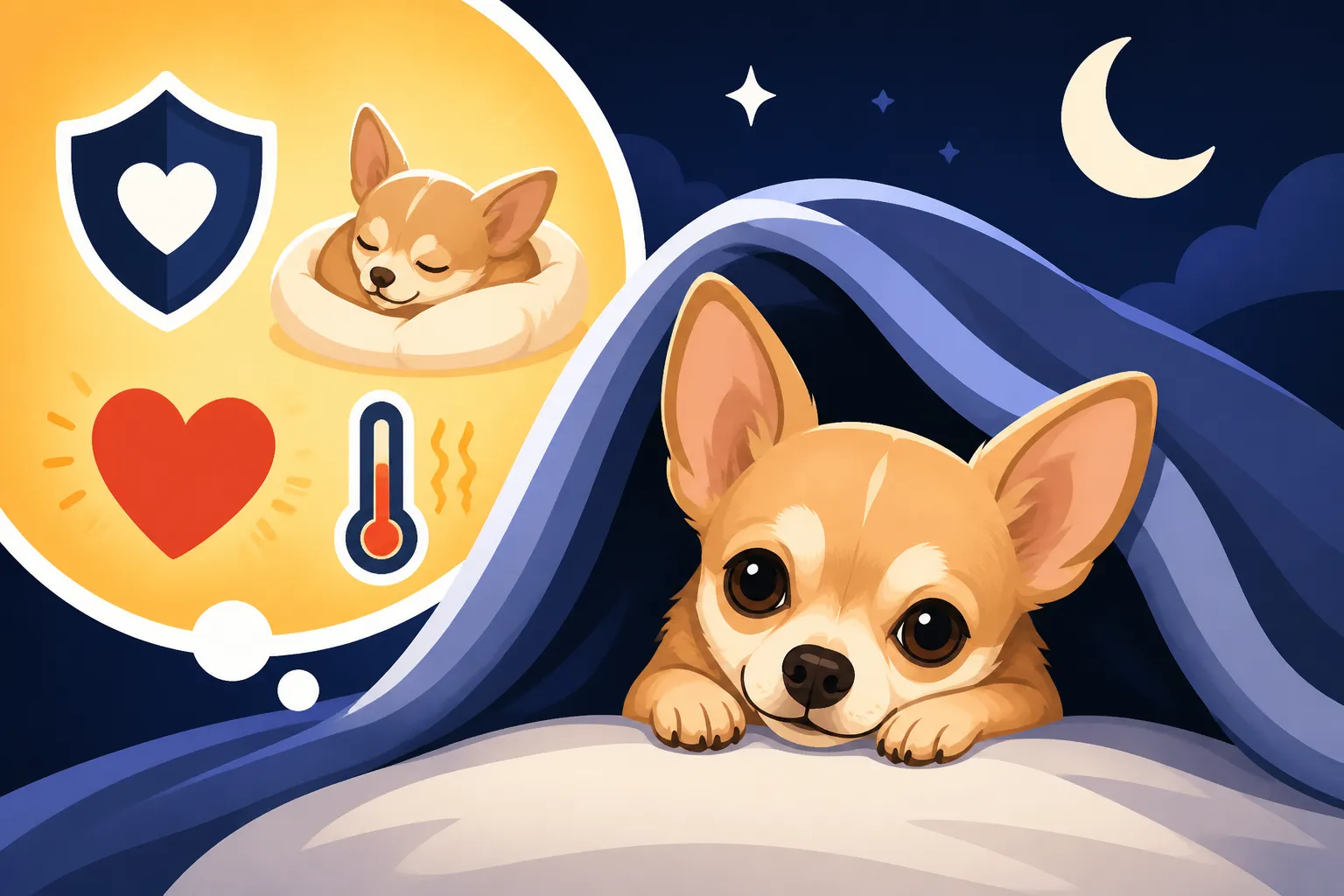
When they burrow deep into blankets, they're instinctively seeking to create a microclimate where their body heat can be trapped and shared. It’s like wrapping themselves in a personal, portable sauna. This behavior is so ingrained because, without it, they'd expend too much energy trying to stay warm, which could be dangerous, especially for puppies or very senior Chihuahuas. It's not a sign of weakness, but a clever, essential survival strategy for such a delicate breed. Why a Chihuahua Shivers Indoors delves deeper into just how sensitive they are to temperature fluctuations.
The Denning Instinct in Small Canines
Beyond just physical warmth, there's a strong ancestral drive at play: the denning instinct. In the wild, canids seek out small, enclosed spaces like dens or burrows to rest, sleep, and raise their young. These spaces offer protection from predators, harsh weather, and provide a sense of security and privacy. For your Chihuahua, who views your home as their territory, a pile of blankets or a duvet can perfectly mimic that ancestral den.
When they’re tucked away under a blanket, they feel safe and hidden. It shields them from perceived threats – whether it’s the vacuum cleaner, a loud doorbell, or simply the vast, open space of a room. This sense of enclosure provides psychological comfort, reducing stress and allowing them to truly relax into a deep sleep. It’s a prime example of how domesticated dogs still carry echoes of their wild past, seeking out comfort and security in familiar, soft havens. It's the ultimate hide-and-seek game, where the prize is peace of mind.
Behavioral Comforts and Learned Habits
While primal instincts are powerful, much of a Chihuahua's cover-snuggling habit can also be attributed to learned behaviors and their deep desire for connection and comfort within your family unit.
Seeking Comfort and Affection
Chihuahuas are renowned for their intense bond with their human companions. They are often described as "velcro dogs" because they want to be right by your side, or even on you, whenever possible. When they crawl under the covers, especially if you're already there, they're not just finding warmth; they're seeking the ultimate form of physical closeness and affection. Your scent, your body heat, and the gentle rhythm of your breathing are all incredibly comforting to them.
For a Chihuahua, being under the covers with you isn't just about feeling safe; it's about feeling loved and being part of your "pack." It reinforces their strong attachment and fulfills their need for constant companionship. It's their way of saying, "You're my person, and I want to be as close to you as possible." This behavior often intensifies when they're feeling a bit under the weather or if they've had a stressful day, turning to you for that extra layer of comfort and reassurance. They crave that physical connection, and a blanket fort for two (or one tiny dog) is the perfect setting.
A Learned Behavior from Puppyhood
Many Chihuahua owners unknowingly reinforce this burrowing behavior from the very beginning. A tiny puppy, fresh from its littermates, is used to snuggling in a warm pile of siblings. When they come home, they naturally seek out similar warmth and closeness. If you offer a soft blanket or let them curl up next to you, they quickly learn that these cozy spots provide comfort, warmth, and security. It becomes a positive association that sticks with them for life.
Imagine a tiny Chihuahua puppy exploring a new home. It’s cold, vast, and perhaps a little scary. Then, it discovers a soft blanket that smells like you, or you gently tuck it in. That immediate warmth and sense of security imprints on them. As they grow, this habit becomes a strong routine. Even if they have their own bed, the allure of your covers, especially if you’re nearby, is often irresistible. It's not a bad habit at all, as long as it's safe for them, but it's certainly a learned one that stems from their early experiences of finding comfort.
Escaping Overstimulation or Noise
While Chihuahuas are known for their lively personalities, they can also be quite sensitive to their environment. A bustling household with children, other pets, or even just the everyday sounds of a busy street can be overwhelming for a dog whose primary sense is hearing. A barking dog outside, the clang of pots and pans, or guests talking loudly can all trigger a need to retreat.
For these moments, the deep recesses of a blanket fort provide a perfect escape. It's a dark, quiet, and enclosed space that muffles sounds and blocks out visual stimuli. It allows them to decompress and recharge without having to actively participate in the chaos of the household. Think of it as their personal sanctuary, a quiet room where they can feel invisible and undisturbed. If your Chihuahua tends to be a bit nervous or reactive to noise, you might notice they burrow even more when things get lively. It’s a coping mechanism, giving them control over their environment by essentially making it disappear.
Potential Health or Anxiety-Related Reasons
While most cover-snuggling is perfectly normal and adorable, it's also worth considering if there might be an underlying reason, especially if the behavior is new or extreme.
Underlying Cold Sensitivity
We've touched on their general sensitivity to cold, but it's worth emphasizing. A Chihuahua's average body temperature can be slightly higher than larger breeds, and they are incredibly efficient at losing heat. This means that a room temperature that feels comfortable to you (say, 70 degrees Fahrenheit) might feel genuinely chilly to your little Chihuahua. Factors like drafts, uncarpeted floors, or even just sitting still for too long can make them feel cold very quickly.
If your Chihuahua seems to be burrowing constantly, even when the house feels warm to you, it could simply be that they are consistently cold. Consider Setting a Thermostat Around a Chihuahua a few degrees higher, especially during colder months. Providing extra layers of bedding in their designated sleeping areas or even putting a sweater on them can make a big difference. Sometimes, the instinct to burrow is a straightforward physical need, and addressing the temperature of their environment can help them feel more comfortable overall, even if they still enjoy the occasional blanket dive. After all, they don't have the luxury of a thick fur coat like a husky.
Anxiety and Insecurity
For some Chihuahuas, burrowing can be more than just seeking comfort; it can be a manifestation of anxiety or insecurity. Dogs that are prone to general anxiety, fear of strangers, or even Chihuahua Separation Anxiety and Time Alone might use burrowing as a coping mechanism. The enclosed space provides a feeling of being protected and hidden, which can temporarily alleviate their feelings of unease.
If your Chihuahua's burrowing is accompanied by other signs of anxiety, such as excessive licking, pacing, panting, destructive behavior when left alone, or reluctance to emerge from their blanket fort, it might be worth investigating further. This isn't to say every burrowing Chihuahua is anxious, but if it's part of a larger pattern, it's a signal. A safe, secure hiding spot can be beneficial for an anxious dog, but understanding the root cause of the anxiety is key to helping them long-term. Sometimes a simple change in routine or a consistent calm environment can help, but for more severe cases, professional guidance might be needed.
Pain or Discomfort
While less common, a sudden or increased desire to burrow could, in rare instances, signal that your Chihuahua is experiencing pain or discomfort. Animals instinctively try to hide vulnerabilities when they're not feeling well, and retreating to a perceived safe space is a common behavior. If your dog is feeling achy, has an upset stomach, or is experiencing any kind of physical ailment, they might seek out a dark, quiet, enclosed spot to rest and recover.
If your Chihuahua suddenly starts burrowing more than usual, or if their burrowing is accompanied by other subtle changes like lethargy, loss of appetite, reluctance to move, or sensitivity to touch, it’s always a good idea to consult your veterinarian. They can rule out any underlying health issues. While a blanket nest is mostly a comfort zone, any significant shift in behavior, especially in an older Chihuahua who might be developing Chihuahua Arthritis in the Teenage Years, warrants attention. It’s better to be safe than sorry and ensure their comfort isn't masking a deeper problem.
Making Sure it's Safe and Comfortable
So, your Chihuahua loves to burrow. That's great! Now, how do you make sure this beloved habit is as safe and comfortable as possible for your tiny friend? There are a few key considerations to keep in mind.
Ensuring Proper Airflow and Temperature
While your Chihuahua craves warmth, it's crucial to ensure they don't overheat or lack sufficient airflow when tucked deep inside blankets. Overheating can be just as dangerous as being too cold, especially for a small dog who might struggle to regulate their temperature once it gets too high. If they're under heavy duvets or in a tightly packed blanket nest, there's a risk of the air becoming stagnant and warm.
Always use breathable fabrics, and avoid letting them burrow under too many layers of very heavy blankets, especially without an easy way out. Check on them periodically if they've been hidden for a long time. You can gently lift a corner of the blanket to let some fresh air in, or feel their ears or belly – if they're excessively hot to the touch, they might be too warm. Providing options like a light throw or a specially designed "burrow bed" can give them the warmth they desire without the risk of suffocation or overheating. These specialty beds are designed to give them that enclosed feeling while still allowing for good air circulation.
Providing Alternatives for Safe Snuggling
Not everyone wants their Chihuahua sleeping under the main bed covers, or perhaps you want to give them their own dedicated safe spaces around the house. Fortunately, there are many fantastic products designed with the burrowing Chihuahua in mind. You can find "cave beds" or "snuggle sacks" that are essentially pet beds with an attached hood or blanket, allowing your dog to crawl inside and create their own den. Many popular pet retailers, like Chewy and Amazon, offer a wide variety of these.
Another excellent option, especially for Chihuahuas who are particularly sensitive to cold, are Heated Beds and Whether They Are Safe. These provide gentle, consistent warmth and can be a godsend during the colder months, reducing their need to seek out your covers solely for temperature regulation. Positioning these cozy alternatives in quiet corners or spots where your Chihuahua already likes to nap can encourage them to use them. Giving them these dedicated, safe spaces means they can fulfill their natural desire to burrow without you constantly worrying about them. You can learn more about creating Blanket Nests and Chihuahua Burrowing in a separate guide.
Safe Co-Sleeping Practices
If you're among the many Chihuahua owners who happily share their bed with their tiny companion, safety is paramount. Chihuahuas are incredibly delicate, and their small size makes them vulnerable to accidental injury, especially during sleep. A restless sleeper could inadvertently roll over on them, or they could fall off the bed, leading to serious injuries like fractures or internal trauma.
To ensure safe co-sleeping:
- Know where they are: Always be mindful of your Chihuahua's exact location in the bed. Many owners get into the habit of feeling for their dog before shifting positions.
- Provide a safe entry/exit: Consider placing Ramps for a Chihuahua Bed and Sofa next to your bed so your Chihuahua can get on and off without jumping. Repeated jumping from heights, even for a small dog, can put strain on their joints and lead to issues like patellar luxation over time.
- Designate a "safe zone": Some owners create a specific spot on the bed for their Chihuahua, perhaps tucked into a dog-specific sleeping bag on top of the duvet, which provides both warmth and a clear boundary.
- Beware of heavy sleepers: If you're a very restless or deep sleeper, it might be safer for your Chihuahua to have their own designated, cozy bed right next to yours, allowing for closeness without the risk of accidental injury.
By taking these precautions, you can ensure that your Chihuahua's love for burrowing under the covers remains a source of comfort and joy for both of you, rather than a cause for concern.
Comparing Reasons for Chihuahua Burrowing
Here's a quick overview of why your Chihuahua might be seeking out those cozy blanket forts:
| Reason | Key Indicators | Owner Action/Observation |
|---|---|---|
| Warmth (Primary) | Shivering, seeking sunny spots, cold to touch, minimal body fat. | Ensure room temperature is adequate, provide sweaters, heated beds. Note if it's worse in cold weather. |
| Security/Denning | Seeks enclosed spaces, hides during loud noises, prefers dark spots to sleep. | Offer cave beds, snuggle sacks, ensure a quiet resting place. Observe if they retreat during stressful events. |
| Affection/Bonding | Always wants to be near you, follows you room to room, seeks physical contact. | Allow them to snuggle, engage in positive interaction. Note if they only burrow when you are present or nearby. |
| Learned Habit | Started as a puppy, consistently seeks blankets. | No immediate action needed, but reinforce safe practices. |
| Overstimulation | Retreats during loud events, visitors, or busy times. | Provide a quiet retreat, consider calming aids if severe, desensitize to triggers if possible. |
| Anxiety/Insecurity | Other signs of anxiety present (pacing, licking, panting, destructive behavior). | Consult a vet or behaviorist if other anxiety signs are noted. Provide a safe, consistent environment. |
| Pain/Discomfort | Sudden increase in burrowing, lethargy, reluctance to move, changes in appetite. | Immediate veterinary check-up required. Observe for any other changes in behavior or physical symptoms. |
Ultimately, a Chihuahua sleeping under the covers is a wonderfully normal, often endearing, part of living with this unique breed. By understanding the motivations behind this behavior and taking simple steps to ensure their safety and comfort, you can enjoy these cozy moments knowing your little companion is happy, warm, and secure.
Disclaimer
This article is for general informational purposes only and does not constitute professional advice. Laws, prices and regulations vary by location and change over time. Consult a qualified professional for guidance on your specific situation.