Chihuahua Coats for Rain and Snow
Oh, the chilly shiver of a Chihuahua on a cold, damp day! If you're a Chihuahua parent, you've probably witnessed that tell-tale tremble, even when it doesn't feel that cold to you. Their tiny bodies just aren't built to handle the elements like larger, furrier breeds, and nothing highlights this more than navigating rain, sleet, or snow. This guide is all about understanding why your little one needs specialized outerwear and how to choose the best coats to keep them cozy, safe, and happy when the weather turns nasty.
Why Your Chihuahua Needs Dedicated Weather Protection
It's easy to look at a dog and assume their natural coat is enough, but Chihuahuas are a special case. Their small size, lean build, and sometimes thin fur make them particularly vulnerable to cold and wet conditions. This isn't just about comfort; it's about their health.
Minimal Body Fat for Insulation
Think about it: your Chihuahua is often no bigger than a housecat, and sometimes much smaller. They have very little subcutaneous fat – that insulating layer that helps larger dogs stay warm. This lack of natural padding means their internal body temperature drops much faster when exposed to cold. It's why they're often found burrowing under blankets or curled up in your lap, even indoors. When you combine this minimal body fat with a wet coat, the chilling effect is amplified dramatically. A wet coat can't insulate, and in freezing temperatures, it can quickly lead to hypothermia, which is a serious medical emergency for a dog of any size, but especially one so small.
Thin Coats and Exposed Skin
While some Chihuahuas boast a lovely long coat, many, especially the smooth-coated variety, have very short, thin fur. This offers minimal protection against wind, rain, and snow. Even long-haired Chihuahuas, with their delicate feathering, aren't built for extreme weather. Their hair isn't dense like a Husky's undercoat; it's more for show and a bit of warmth, but it quickly becomes saturated and heavy when wet. The sparse fur around their armpits and belly often leaves skin exposed, making these areas particularly susceptible to cold. This isn't just about shivering; it's about preventing skin irritation from prolonged dampness, frostbite on exposed areas like ear tips, and general discomfort that can make outdoor potty breaks a battle.
Health Considerations and Hypothermia Risk
Beyond simple discomfort, exposure to cold, wet weather can pose real health risks for your Chihuahua. As mentioned, hypothermia is a genuine concern. A drop in core body temperature can impact organ function, leading to lethargy, weakness, and in severe cases, collapse. For Chihuahuas who are already prone to issues like Chihuahua Hypoglycemia and the Puppy Emergency or those with existing conditions, staying warm is absolutely crucial. Cold can also exacerbate other common Chihuahua ailments; for instance, dogs with Chihuahua Arthritis in the Teenage Years might experience increased stiffness and pain in damp, chilly conditions. Proper outerwear acts as a vital barrier, helping them maintain a stable body temperature and allowing them to enjoy short outdoor excursions without undue risk. It's about proactive care, ensuring their longevity and quality of life.
Choosing the Right Gear for Wet and Snowy Conditions
Selecting the perfect coat for your Chihuahua isn't just about aesthetics; it's about functionality, fit, and material. You want something that offers maximum protection without hindering their movement or causing discomfort.
Raincoats: Keeping Them Dry and Comfortable
A good raincoat is essential for those drizzly, damp days, or even a sudden downpour. The primary goal here is water resistance. Look for materials like nylon or polyester with a waterproof or water-resistant coating. Breathability is also a factor, as you don't want them to overheat underneath, though for Chihuahuas, warmth is usually more of a concern than overheating in typical rainy weather.
Key features to consider:
- Hoods: Many raincoats come with hoods. While adorable, ensure the hood is functional and doesn't obstruct their vision or hearing. Some chihuahuas tolerate hoods better than others.
- Coverage: The best raincoats offer good coverage over the back, belly, and ideally, a bit down the legs. A longer hem can prevent their underside from getting soaked by splashes.
- Easy Fasteners: Velcro straps or simple buckles make putting the coat on and taking it off much easier, especially when dealing with a wiggling Chihuahua or wet conditions.
- Reflective Strips: For walks in low light or evening rain, reflective elements are a huge safety bonus.
Brands like those found on Chewy or Amazon offer a vast selection of raincoats specifically designed for small breeds. You can often find lightweight, packable options that are perfect to tuck into your bag for unexpected showers.
Winter Coats and Insulated Jackets: Serious Warmth for Snow
When the temperatures really plummet and snow starts to fall, your Chihuahua needs more than just a waterproof shell; they need serious insulation. These coats are designed to trap body heat and often feature multiple layers.
Consider these types:
- Fleece-lined or Padded Coats: These typically have an outer waterproof or water-resistant layer and an inner fleece lining or synthetic padding for warmth. This combination is ideal for snowy walks, keeping them both dry and insulated.
- Puffer Jackets: Just like human puffer jackets, these are filled with synthetic insulation to create warmth. Look for lightweight versions that aren't bulky and allow full range of motion.
- Sweaters under Coats: For extremely cold conditions, you might layer a snug The Sweater Weight a Chihuahua Needs underneath their winter coat. This provides an extra layer of warmth, acting almost like a thermal base layer.
When looking at winter coats, pay attention to the warmth rating if provided. Some manufacturers will give a temperature range recommendation. Remember that for a Chihuahua, you'll likely want the warmest option for anything below freezing.
Paw Protection: Boots for Ice and Salt
While not strictly a "coat," paw protection is an absolute must-have in snowy and icy conditions. Ice melt chemicals and rock salt commonly used on sidewalks can be incredibly irritating and even toxic to your Chihuahua's delicate paw pads. Furthermore, prolonged contact with snow and ice can lead to frostbite.
- Dog Boots: Look for flexible, comfortable boots that are easy to put on and stay on. This can be a challenge for tiny Chihuahua paws, so read reviews carefully. The best boots will protect from sharp ice, cold, and chemical irritants. It might take a bit of training to get your Chihuahua used to wearing them, but it’s worth the effort for their safety and comfort. Think of it as part of their Chihuahua Paw Protection on Ice and Salt strategy.
- Paw Balm: If boots aren't an option or for shorter excursions, a protective paw balm can create a barrier against the elements and moisturize their pads, preventing cracking. This should be applied before going out and wiped off when they come back inside.
| Type of Weather Gear | Primary Function | Ideal Conditions | Key Features to Look For |
|---|---|---|---|
| Raincoat | Water Repellent | Light rain, heavy downpours | Waterproof/resistant fabric, hood, belly coverage |
| Winter Coat | Insulation & Water Repellent | Snow, freezing temperatures, wind | Insulated lining (fleece/padding), good body coverage |
| Insulated Vest | Core Warmth | Mild cold, layering under raincoat | Lightweight, warm, allows leg freedom |
| Dog Boots | Paw Protection | Ice, snow, salt, hot pavement | Flexible, secure fit, good traction, chemical barrier |
Ensuring a Proper Fit and Encouraging Acceptance
Even the warmest, most waterproof coat is useless if it doesn't fit correctly or if your Chihuahua refuses to wear it. Getting the fit right and slowly introducing the gear are critical steps.
Measuring for the Perfect Fit
Chihuahuas come in a range of sizes, even within the breed standard, so a "small" from one brand might be different from another. Always measure your Chihuahua before purchasing any outerwear. The three key measurements are:
- Neck Girth: Measure around the base of their neck where a collar would sit.
- Chest Girth: Measure around the widest part of their chest, just behind their front legs. This is crucial for comfort and ensuring the coat isn't too tight or too loose.
- Back Length: Measure from the base of their neck (where it meets the shoulders) to the base of their tail.
Compare these measurements to the sizing chart provided by the manufacturer. If your Chihuahua is between sizes, it's often better to size up slightly to ensure full coverage and prevent the coat from being restrictive. A coat that's too tight can rub and cause irritation, while one that's too loose can trip them or allow cold air to get in. You should be able to comfortably slide two fingers under any straps or closures.
Acclimating Your Chihuahua to Wearing Clothes
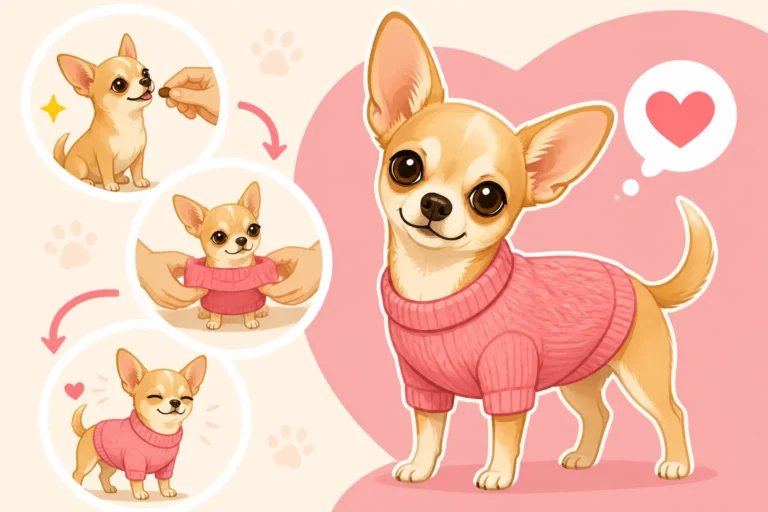
For many Chihuahuas, especially puppies, wearing clothing can feel strange at first. They might freeze, walk funny, or try to chew the garment off. Patience and positive reinforcement are key to Getting a Chihuahua Used to Wearing Clothes.
- Start Slow: Begin with a lightweight, comfortable sweater or vest indoors for very short periods. Let them wear it for a few minutes, praise them, and offer a special treat.
- Short Sessions: Gradually increase the time they wear it. Never force them or make it a negative experience.
- Distraction: Distract them with play or a meal while they're wearing the garment. This helps them associate the clothing with positive things and forget they're wearing it.
- Practice Indoors: Before heading out into the rain or snow, let them wear the full weather gear (raincoat, winter coat, boots) indoors for a few minutes. This allows them to get accustomed to the feel and movement.
- Consistency: The more frequently they wear it in positive situations, the more accepting they will become.
Remember that a comfortable, well-fitting coat should not impede their natural movement. They should be able to walk, run, and potty freely. If they seem uncomfortable, check the fit again.
Practical Tips for Winter and Wet Weather Walks
Once you have the right gear, there are a few more things to consider to make those cold and wet weather outings as safe and enjoyable as possible for your tiny companion.
Shortening Walks and Monitoring for Cold
Even with the best coat, a Chihuahua's tolerance for cold weather is limited. On very cold or wet days, consider The Coldest Temperature to Walk a Chihuahua and err on the side of caution. Potty breaks should be quick and efficient. If you live in an area with extreme winters, you might need to Shortening Chihuahua Walks in Winter significantly or explore indoor potty solutions.
Always keep a close eye on your Chihuahua for signs of cold:
- Excessive Shivering: While Chihuahuas shiver for many reasons (Why a Chihuahua Shivers Indoors), uncontrollable shivering when outdoors in the cold is a clear sign they are too cold.
- Lifting Paws: If they repeatedly lift their paws, it could mean the ground is too cold or uncomfortable.
- Hunching or Reluctance to Move: They might hunch their back, tuck their tail tightly, or resist walking.
- Lethargy or Whining: These can also be signs of discomfort or distress from the cold.
If you notice any of these signs, it's time to head home immediately.
Cleaning and Maintaining Your Chihuahua's Outerwear
Just like your own winter coat, your Chihuahua's gear needs regular cleaning to stay effective and hygienic. Dirt, mud, and salt residue can build up, reducing the fabric's performance and potentially irritating your dog's skin.
- Read Labels: Always follow the washing instructions on the garment's label. Most dog coats are machine washable on a gentle cycle with mild detergent.
- Air Dry: Many waterproof fabrics should be air-dried to protect their coatings. Tumble drying on high heat can damage the material.
- Regular Wiping: For light dirt or splashes, a quick wipe down with a damp cloth after each walk can keep them clean between washes.
- Storage: Store clean, dry coats in a breathable bag or on a hanger to maintain their shape and prevent mildew.
Having a clean, dry coat ready for every outing is important, so consider having a backup, especially for rainy regions. Keeping their gear well-maintained means it will last longer and continue to provide optimal protection. You can often find durable, easy-to-clean options from online retailers like Amazon, offering a variety of materials and designs.
Post-Walk Care and Warmth
After a cold or wet walk, ensure your Chihuahua is completely dry and warm.
- Towel Dry: Use a soft, absorbent towel to thoroughly dry their fur, especially around the belly and paws. If their coat got wet, make sure to dry underneath it as well.
- Warm Up: Offer a warm, cozy spot, perhaps with a soft blanket or a heated dog bed (used safely and appropriately). Some Chihuahuas love to burrow into Chihuahua Beds and Blankets for Warmth immediately after coming inside.
- Check Paws: Inspect their paw pads for any cracks, redness, or irritation from salt or ice. Apply paw balm if needed.
- Hydration: Ensure they have access to fresh water. While they might not feel thirsty, staying hydrated is always important.
By taking these extra steps, you can ensure that even on the most blustery days, your Chihuahua remains a happy, healthy, and warm member of your family. Investing in quality outerwear is a small price to pay for their comfort and well-being, allowing them to enjoy their Chihuahua Exercise for a Dog That Fits in a Bag no matter the forecast.
Disclaimer
This article is for general informational purposes only and does not constitute professional advice. Laws, prices and regulations vary by location and change over time. Consult a qualified professional for guidance on your specific situation.