Why a Measuring Cup Is Useless for a Chihuahua
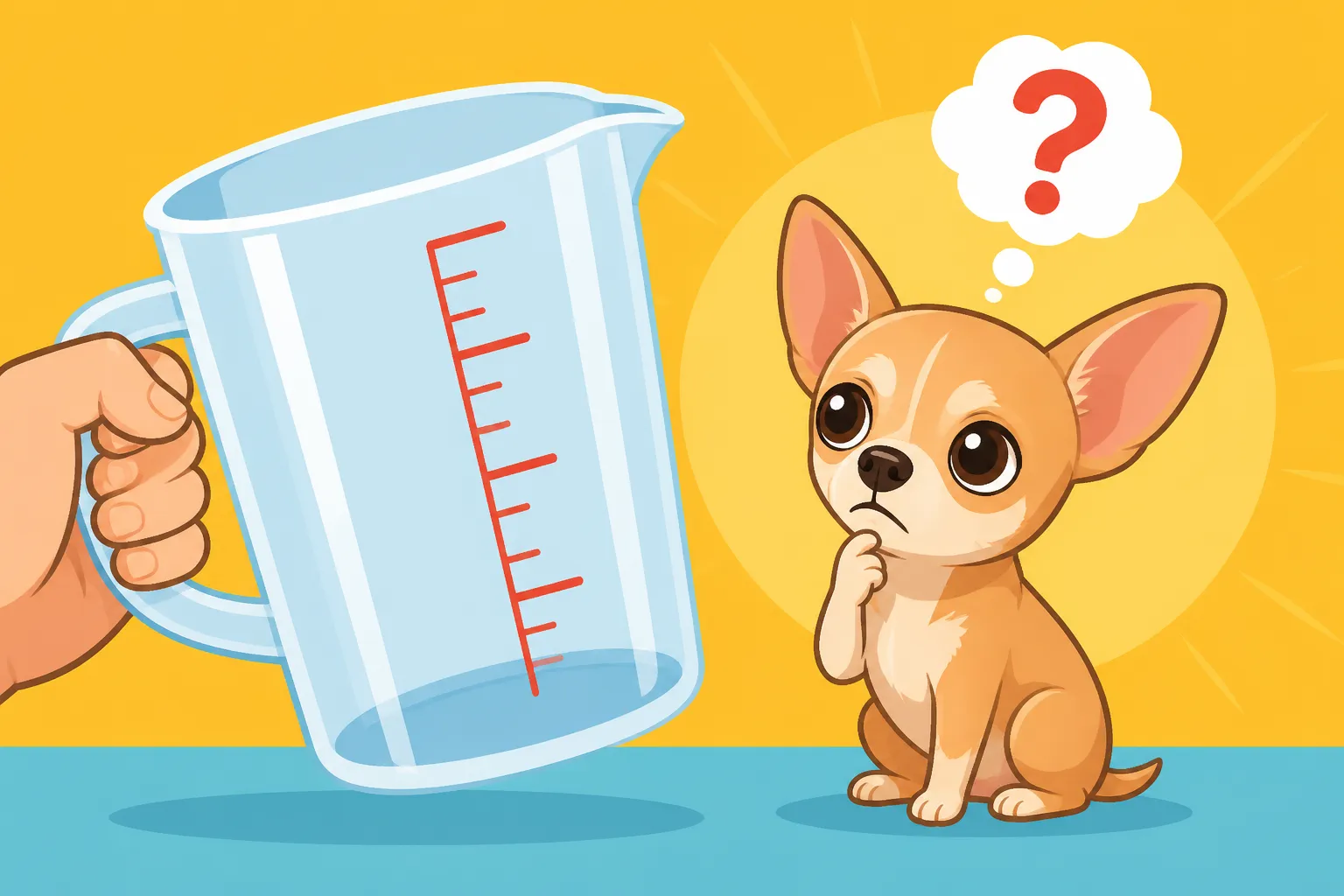
It's a common scene in kitchens across the country: you grab the dog food scoop, eyeball a "half cup," and pour it into your Chihuahua's bowl, feeling like you've done your due diligence. But here's the honest truth, and it's a frustration many small dog owners don't realize until much later: that standard measuring cup you're using? It's practically useless for a Chihuahua. Their tiny bodies and unique metabolic needs mean that even a slight overage or shortage in food can have significant health consequences, turning what seems like a simple task into a potential health hazard. This guide is going to dive deep into why those cups fail us, and more importantly, how you can precisely feed your beloved tiny companion to ensure their optimal health and longevity.
The Tiny Truth About Chihuahua Calorie Needs
When you're dealing with a dog that might weigh less than a newborn human baby, the concept of "a cup of food" becomes almost meaningless. Chihuahuas operate on such a delicate caloric balance that the broad strokes of a measuring cup simply can't capture the nuance their diet demands.
Why "A Quarter Cup" Just Doesn't Cut It
Imagine trying to measure out medication for a baby with a tablespoon instead of a syringe. That's essentially what we're doing when we use a measuring cup for a Chihuahua. These little dynamos have incredibly high metabolisms for their size, but their total caloric needs are minuscule. We're talking in the range of, say, 200 to 300 calories a day for an active adult Chihuahua, depending on their exact weight and energy level. For a puppy, that might be slightly higher per pound, but still a tiny overall number. Even a difference of 20 or 30 calories can be a substantial percentage of their daily intake.
A "quarter cup" of kibble isn't a universal measure. The density of kibble varies wildly between brands. One brand's quarter cup might be 80 calories, while another's could be 120. That's a huge swing for a dog whose entire daily allowance is so small. If your Chihuahua needs, for example, 250 calories a day, and you're consistently feeding them a "quarter cup" of a denser kibble that actually contains 120 calories twice a day, you're accidentally overfeeding them by almost 100 calories daily. Over a week, that's nearly 700 extra calories—enough for them to gain weight alarmingly fast. On the flip side, if the kibble is lighter, you could be underfeeding, which for a Chihuahua puppy, especially, can quickly lead to dangerous blood sugar drops and conditions like Chihuahua Hypoglycemia and the Puppy Emergency. This is precisely why generic measurements fail our tiny friends. Understanding Daily Calories for a Three to Seven Pound Chihuahua and Fifty Calories a Pound for a Chihuahua Puppy is critical, and a cup simply isn't precise enough to hit those targets.
The Hidden Dangers of Estimation
The casual approach to feeding—the one where we estimate or scoop without precision—carries genuine health risks for a Chihuahua. Overfeeding, even by a small amount, is a leading cause of obesity in Chihuahuas. On a dog that typically weighs between three and seven pounds, an extra pound or two is like a human gaining 30 or 40 pounds. That added weight puts immense strain on their tiny joints, exacerbating conditions like Patellar Luxation, the Chihuahua's Commonest Joint Problem or accelerating the onset of Chihuahua Arthritis in the Teenage Years. It can also contribute to serious health issues such as Diabetes in a Chihuahua That Already Runs Low and heart disease.
Conversely, underfeeding, particularly in young puppies or adult Chihuahuas during stressful times or illness, can quickly lead to hypoglycemia (low blood sugar). Their small bodies have very little glycogen stored, so they can run out of energy reserves incredibly fast. A seemingly minor miscalculation with a measuring cup can mean the difference between a healthy meal and an emergency vet visit. Furthermore, the varying density of kibble isn't just a calorie problem; it can also impact nutrient intake. If a "quarter cup" of one kibble provides adequate protein and vitamins for your Chihuahua's ideal weight, but your new kibble is less dense and you're still using the same cup, your dog might not be getting all the essential nutrients they need, even if the volume looks the same. It's a silent threat to their overall well-being.
Precision Feeding: The Only Way for a Chihuahua
Given the delicate balance required for Chihuahua nutrition, precision isn't just a suggestion; it's a necessity. We need to move beyond approximations and embrace tools that give us accurate, repeatable measurements.
The Unsung Hero: The Kitchen Scale
If there's one tool every Chihuahua owner should have, it's a digital kitchen scale. This isn't just for gourmet chefs; it's essential equipment for anyone serious about their Chihuahua's health. Why? Because grams (or ounces) don't lie. Unlike volume, which changes with density, weight is consistent. Every single piece of kibble, every morsel of wet food, every bit of fresh food you put in your dog's bowl, has a precise weight and, therefore, a precise caloric value that you can calculate.
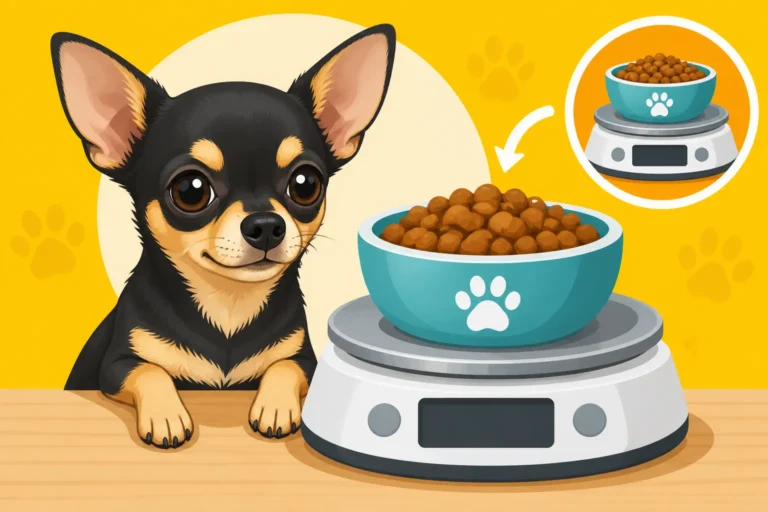
Using a kitchen scale is incredibly simple. You place your empty dog bowl on the scale, press the "tare" or "zero" button to account for the bowl's weight, and then add your Chihuahua's food directly to the bowl until you reach the target weight. For instance, if your vet recommends your Chihuahua eats 60 grams of their specific kibble per day, you weigh out 30 grams for breakfast and 30 grams for dinner. This method removes all guesswork. It ensures that regardless of kibble size, shape, or density, your Chihuahua is receiving the exact, consistent amount of food and calories they need every single day. Many brands list the caloric content per gram or ounce right on the bag, making calculations straightforward. This consistent measurement is vital for maintaining a healthy weight and preventing many of the health issues associated with either over- or underfeeding. This is the single most effective way to address Weighing Chihuahua Food on a Kitchen Scale with accuracy.
Understanding Your Chihuahua's Specific Needs
While the kitchen scale provides the "how," understanding "how much" is equally crucial. Every Chihuahua is an individual, and their specific caloric and nutritional requirements can vary significantly based on a number of factors. Age is a big one: a growing puppy needs more calories per pound than a sedentary senior. An incredibly active Chihuahua who loves long walks and play sessions will naturally burn more calories than a couch potato Chihuahua who prefers to burrow under blankets all day. Health conditions also play a massive role. A Chihuahua recovering from surgery, managing Chihuahua Heart Disease as the Breed Ages, or dealing with kidney issues will have very specific dietary needs that need to be carefully met.
This is why consulting your veterinarian is paramount. They can help you calculate your Chihuahua's ideal weight and, based on their age, activity level, and any underlying health concerns, determine a precise daily caloric target. They might recommend specific food types or even prescription diets. For instance, an older Chihuahua transitioning into Senior Chihuahua Care Past the Age of Twelve might need a different macronutrient balance or fewer calories to prevent weight gain as their metabolism slows. Once you have that calorie target, you can then use your kitchen scale, combined with the caloric information on your chosen dog food, to accurately portion their meals. Remember that different food types—dry kibble, wet food, or fresh food—have vastly different caloric densities even if they look like the same volume. Always double-check the nutritional label for the caloric content per unit of weight (e.g., Kcal/kg or Kcal/gram).
Practical Tips for Accurate Feeding
Making the switch to precision feeding doesn't have to be daunting. With a few adjustments and the right tools, it quickly becomes second nature, giving you peace of mind that you're doing the absolute best for your pint-sized pal.
Finding the Right Tools and Resources
First things first: invest in a good quality digital kitchen scale. You don't need anything fancy or expensive; a basic, reliable scale that measures in grams and ounces will do the trick. Many affordable and accurate options are readily available on platforms like Amazon, making it easy to get started. When choosing, look for one that has a tare function (so you can zero out the bowl's weight) and is easy to clean.
Next, familiarize yourself with your dog food's nutritional information. Most quality dog food brands clearly label the caloric content (often in kcals per cup or per kilogram/gram) and a feeding guide on the bag. Pay less attention to the "cups per day" and more to the "kcals per unit of weight." If you're using a fresh food service like Ollie, they often provide personalized meal plans and precise portioning based on your dog's profile, taking much of the guesswork out of it. For those who prefer kibble or canned food, online retailers like Chewy offer a vast selection, and their product descriptions usually include detailed nutritional breakdowns, which are key for calculating precise portions. Don't forget to consistently check these labels, as formulas or recommendations can sometimes change. Knowing What to Read on a Chihuahua Food Bag is a superpower.
Integrating Precision into Your Daily Routine
Once you have your scale and your Chihuahua's caloric target from your vet, integrating precision feeding into your daily routine is simple. Here’s a basic step-by-step:
- Calculate Daily Grams/Ounces: Take your Chihuahua's daily caloric needs and divide it by the calories per gram (or ounce) of your chosen food. This gives you the total weight of food your Chihuahua needs daily.
- Divide by Meals: Most Chihuahuas do best with two or three small meals a day to help stabilize their blood sugar and prevent hypoglycemia. Divide the total daily weight of food by the number of meals you plan to feed. Three Small Meals a Day for a Chihuahua is often a good strategy.
- Weigh Each Meal: At feeding time, place your Chihuahua's bowl on the digital scale, tare it to zero, and carefully add the food until you reach the precise weight for that meal.
- Account for Treats: Remember, treats contain calories too! If you're giving treats for training or just as a reward, those calories need to be factored into their daily total. You can either reduce their meal portions slightly or opt for very low-calorie training treats, breaking them into tiny pieces. Training Treats Broken Down for a Chihuahua are perfect for this.
- Regular Weight Checks: Even with precise feeding, it's wise to weigh your Chihuahua regularly (weekly or bi-weekly) at home using a pet scale or even a regular scale if you can get them to stay still. This allows you to monitor their body condition closely. Feeling a Chihuahua's Ribs and Waist should be your guide. If they're gaining or losing weight unintentionally, you can make tiny adjustments to their daily food intake as advised by your vet.
By adopting this precise approach, you move away from the unreliable "measuring cup" and toward a feeding strategy that truly caters to the unique needs of your small, yet mighty, Chihuahua. It's a small change in your routine that can make a monumental difference in their health and happiness over their long life.
Here's a quick comparison of common feeding methods for a Chihuahua:
| Measurement Method | Pros | Cons | Best Use Case |
|---|---|---|---|
| Standard Measuring Cup | Convenient, common household item | Highly inaccurate due to varying kibble density; leads to over/underfeeding; high risk for tiny dogs; Why a Measuring Cup Is Useless for a Chihuahua | Larger dog breeds where small calorie variations are less critical; not recommended for Chihuahuas. |
| Dog Food Scoop | Often provided with food, convenient | Same issues as standard measuring cups; lacks standardization; hard to get a consistent level scoop | Same as standard measuring cup; not recommended for Chihuahuas. |
| Digital Kitchen Scale | Highly accurate, consistent, repeatable; accounts for kibble density; promotes precise caloric intake; Weighing Chihuahua Food on a Kitchen Scale | Requires an initial purchase; takes a few extra seconds per meal. | Essential for Chihuahuas and any small dog with delicate caloric needs or specific dietary requirements. |
Disclaimer
This article is for general informational purposes only and does not constitute professional advice. Laws, prices and regulations vary by location and change over time. Consult a qualified professional for guidance on your specific situation.