Chihuahua Dental Brushing as a Daily Job
It's a frustrating reality for many Chihuahua parents: that sweet, innocent face can sometimes come with breath that could knock a buzzard off a garbage truck. And it's not just about the smell, as much as that might make you wince when they try to give you a kiss. That pungent odor is often a clear signal that something much more serious is brewing beneath the surface, deep in their tiny mouths. This guide is all about tackling that head-on, showing you why daily dental brushing for your Chihuahua isn't just a nice-to-have, but an absolute essential, and how to make it a manageable part of your daily routine.
The Unavoidable Truth: Why Chihuahuas Need Daily Dental Care
Let's be real, no one wants to brush their dog's teeth. It sounds like a chore, another item on an already packed daily list. But when you have a Chihuahua, it moves from "chore" to "critical health intervention" faster than you can say "periodontal disease." Their unique anatomy sets them up for dental disaster, and understanding why is the first step in committing to daily care.
Their Tiny Mouths are a Breeding Ground for Trouble
Imagine trying to fit a full set of adult teeth into a space designed for baby teeth. That's essentially what happens in a Chihuahua's mouth. Their jaws are incredibly small, but they still have the same number of teeth as much larger breeds. This leads to severe overcrowding, where teeth are often rotated, crooked, or jammed against each other. It creates nooks and crannies that are practically impossible for saliva and natural chewing to clean effectively.
To compound the issue, many Chihuahuas suffer from Chihuahua Tooth Crowding and Retained Baby Teeth, meaning their puppy teeth don't fall out naturally when the adult teeth emerge. This double-row of teeth only worsens the overcrowding, trapping food particles and debris even more readily. This perfect storm of conditions means that plaque and tartar build up at an astonishing rate. What might take months to become problematic in a large breed can become a significant issue in a Chihuahua in just weeks. It's a relentless battle, and without daily intervention, plaque hardens into tartar, which cannot be removed by brushing alone.
The Health Consequences Beyond Bad Breath
While bad breath, medically known as halitosis, is the most obvious sign, it's merely the tip of a much larger iceberg. Left unchecked, that plaque and tartar will cause gingivitis, which is inflammation of the gums. You might notice their gums look red, swollen, and even bleed when touched. This is painful, but many Chihuahuas are masters at hiding discomfort, so you might not even realize how much agony they're in.
If gingivitis progresses, it turns into full-blown periodontal disease, where the infection starts to attack the structures supporting the teeth – the ligaments and bone. This leads to loosening teeth, chronic pain, and eventually, tooth loss. It's truly heartbreaking to see a tiny Chihuahua with half its teeth gone by the age of five or six. Beyond the oral pain, the chronic bacterial infection in their mouth can have serious systemic consequences. Bacteria from the infected gums can enter the bloodstream and travel to vital organs, potentially impacting the heart, kidneys, and liver. This is why Chihuahua Dental Disease in a Crowded Small Jaw is often cited as a leading cause of other serious health issues. A healthy mouth is intrinsically linked to overall health, especially for a breed known for its impressive longevity. Chihuahua Heart Disease as the Breed Ages can sometimes be exacerbated by poor oral hygiene, highlighting the interconnectedness of their delicate systems.
Gathering Your Chihuahua Dental Arsenal
You wouldn't try to fix a leaky faucet with a spoon, right? Similarly, you need the right tools to effectively tackle your Chihuahua's dental needs. Don't worry, it's not an overwhelming collection, but choosing wisely will make a world of difference in your success and your Chihuahua's comfort.
Choosing the Right Brush and Toothpaste
First and foremost, ditch your human toothbrush and toothpaste immediately. Human toothpaste contains ingredients like fluoride and xylitol that are toxic to dogs if swallowed, and trust me, your Chihuahua will swallow it. You need pet-specific enzymatic toothpaste, which is designed to be swallowed and often comes in flavors dogs love, like poultry or beef. Brands like Virbac C.E.T. or Petrodex are popular choices, and you can easily find them on platforms like Chewy or Amazon. Experiment with flavors to see what your little one tolerates best.
As for the brush, size definitely matters. A regular dog toothbrush is likely far too large for a Chihuahua's tiny mouth. You have a few options:
- Finger brushes: These slip over your finger and have soft bristles. They offer excellent control and direct contact, which can be great for beginners or very small puppies.
- Small, soft-bristled toothbrushes: Look for brushes specifically marketed for toy breeds or even baby toothbrushes designed for human infants. The head should be small enough to comfortably reach all surfaces of their teeth without causing discomfort. Our guide on The Toothbrush Size a Chihuahua Needs goes into more detail.
- Electric toothbrushes (pet-specific): While a bigger investment, some owners find the gentle vibrations of a pet electric toothbrush more effective and faster. Just ensure it's specifically designed for animals and introduce it very slowly to avoid startling your Chihuahua.
Making Dental Time a Positive Experience
This isn't just about cleaning teeth; it's about building trust and creating a positive association with the process. If you approach it like a wrestling match, your Chihuahua will dread it, resist, and likely develop a fear of having their mouth handled. The key is patience, praise, and plenty of rewards.
Start with very short sessions. Even just letting them lick a tiny bit of toothpaste off your finger is a win. Follow every interaction with enthusiastic praise and a special high-value treat – something they absolutely adore and only get during dental time. This teaches them that while the actual brushing might be a little weird, something amazing happens right after. Consistency is also crucial here; if it's a sporadic event, it'll always feel new and potentially scary. Think of it as a bonding ritual, not a battle.
A Step-by-Step Guide to Daily Brushing
Alright, you've got your tools, you're mentally prepared, and your Chihuahua is (hopefully) intrigued by the poultry-flavored toothpaste. Now, let's break down the actual brushing process into manageable steps. Remember, slow and steady wins the race, especially with a tiny, sensitive Chihuahua.
Getting Your Chihuahua Comfortable
Before you even introduce the brush to their mouth, you need to desensitize them to having their muzzle and gums touched. Start by simply petting their face, gently lifting their lips, and touching their gums with your finger for just a few seconds. Do this several times a day, always praising and offering a high-value treat immediately afterward. The goal is for them to associate your touch around their mouth with positive outcomes.
Once they're comfortable with your fingers, introduce the pet toothpaste. Let them lick a tiny dab off your finger. Most dogs love the taste, and this helps create a positive association with the toothpaste itself. Once they're happy with that, you can try putting a small amount of toothpaste on your finger and gently rubbing it along their outer gum line for a few seconds. Keep it super brief and rewarding. This stage might take a few days or even a week, depending on your Chihuahua's personality and prior experiences. Don't rush it; a solid foundation of comfort will make future brushing much easier.
The Brushing Technique for Tiny Teeth
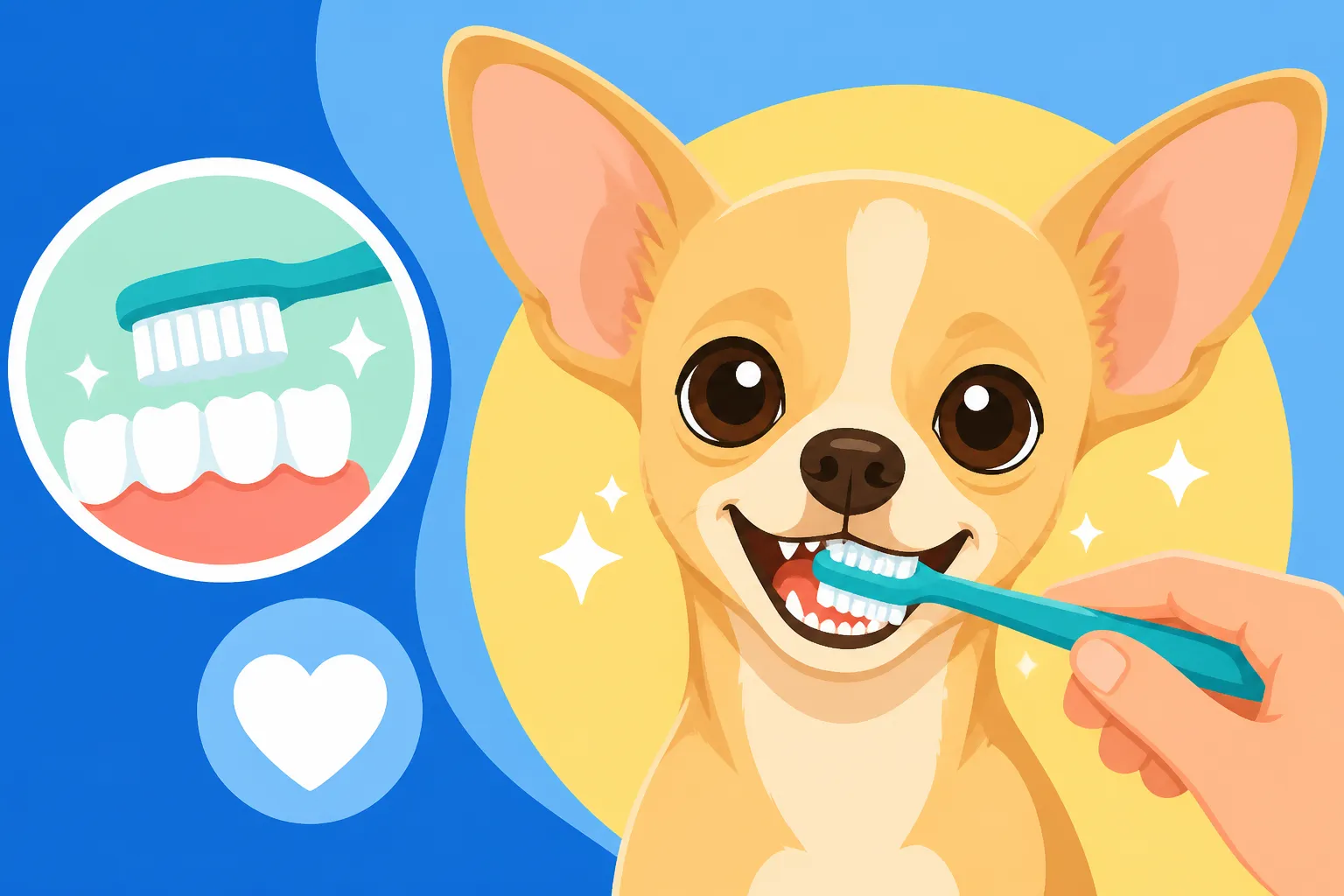
When your Chihuahua is ready for the brush, put a pea-sized amount of toothpaste on it. Gently lift their upper lip and place the brush against their teeth at a 45-degree angle to the gum line. Use small, circular motions, focusing on the area where the tooth meets the gum, as this is where plaque accumulates most. You don't need to scrub hard; gentle pressure is all that's required.
Start with the canine teeth (the pointy ones) and the large molars in the back, as these tend to accumulate the most plaque. Work your way around the outer surfaces of the teeth. If your Chihuahua tolerates it, you can try to get the inside surfaces, but the outer surfaces are the most critical, as they collect the most debris and are generally easier to access. Aim for about 30 seconds per side, if possible. If they only tolerate a few seconds, that's okay! End the session on a positive note, with praise and a treat, and try again later or the next day. The goal is to gradually increase the duration over time.
Consistency is Key
This isn't a once-a-week task; it needs to be a daily commitment. Just like you brush your own teeth every day, your Chihuahua needs the same regularity to truly prevent plaque from hardening into tartar. Plaque starts to mineralize into tartar within 24-48 hours, so skipping days gives it a chance to set in. Our article, The Two Minute Daily Chihuahua Tooth Routine, emphasizes this dedication.
Think of it as brushing your own teeth; if you only did it once a week, you wouldn't expect great results. Build it into your daily routine – maybe right after their last meal of the day, or first thing in the morning. Making it a consistent habit will not only benefit their oral health but also make it less of a struggle as they come to expect it. It's an act of love that will significantly impact their long-term health and comfort.
Beyond the Brush: Other Dental Support Options
While daily brushing is the gold standard for Chihuahua dental care, it's true that some dogs are simply too resistant, or some days you might run short on time. In these cases, or as a complement to brushing, there are other tools that can offer some benefit. However, it's crucial to understand that these are generally supplementary and not a replacement for regular brushing or professional veterinary care.
Dental Chews and Water Additives
Many companies offer dental chews specifically designed to help reduce plaque and tartar. When selecting these, look for products with the VOHC (Veterinary Oral Health Council) seal of acceptance. This seal indicates that the product has met standards for reducing plaque and/or tartar. Brands like Greenies or OraVet are commonly recommended by vets. These chews work through abrasive action as the dog chews, mechanically scraping plaque off the tooth surface, and some contain ingredients that can help break down plaque chemically. They can be found readily on Chewy or Amazon.
Water additives are another option. These are typically liquids you add to your Chihuahua's drinking water daily. They often contain antibacterial agents that help reduce bacteria in the mouth and can inhibit plaque formation. While easy to use, their effectiveness can vary, and they generally provide less benefit than direct brushing. Neither dental chews nor water additives can reach every tooth surface or address existing gum disease as effectively as brushing, but they can be a helpful part of a multi-faceted dental hygiene plan. Just remember to account for the extra calories from dental chews in your Chihuahua's daily food intake!
Professional Cleanings and Their Importance
Even with diligent daily brushing, many Chihuahuas will still require periodic professional dental cleanings under anesthesia at their veterinarian's office. This is because once plaque hardens into tartar, it cannot be removed by brushing alone. A professional cleaning allows the vet to thoroughly scale off tartar, both above and below the gum line, polish the teeth, and often perform dental X-rays to check for problems beneath the gum surface that aren't visible to the naked eye.
The frequency of these cleanings varies. Some Chihuahuas might need them every year, while others might go longer. Your vet will assess your Chihuahua's oral health and recommend a schedule. It's a common concern among Chihuahua owners about Anesthesia Risk During a Chihuahua Dental due to their small size, but modern veterinary anesthesia protocols are very safe, especially with pre-anesthetic bloodwork and careful monitoring. Discussing any concerns with your vet is crucial. The investment in professional cleanings is vital for maintaining their long-term oral health and preventing painful extractions down the line. Our guide, How Young a Chihuahua Needs Its First Dental, provides more insights on this topic.
Troubleshooting Common Brushing Challenges
It would be lovely if every Chihuahua enthusiastically presented their teeth for brushing, but let's be realistic. Many will be less than thrilled, especially at first. Don't get discouraged! There are ways to navigate resistance and recognize when your efforts might not be enough.
Dealing with Resistance and Fear
If your Chihuahua is putting up a fight, trembling, or trying to nip, it's a clear sign you're pushing too hard, too fast. This isn't a reflection on your ability, but rather their anxiety. Go back a step or two in the comfort-building process. Perhaps they need more time just licking the toothpaste off your finger, or more positive associations with muzzle touches before you reintroduce the brush.
Consider these strategies:
- Change the setting: Try brushing in a different, more relaxed environment, like on your lap on the sofa rather than on a raised counter.
- Vary the time: Is your Chihuahua tired after a walk? Or are they still hyped up from playtime? Find a calm moment.
- Different toothpaste flavor: Some dogs are simply picky! There are many flavors out there.
- Swaddle if necessary (gently): For particularly squirmy dogs, a gentle towel wrap can help keep them still, but this should only be done if it doesn't increase their fear. The goal is calm, not restraint.
- Consult a professional: If resistance is severe and persistent, a certified professional dog trainer or veterinary behaviorist might offer tailored techniques to reduce fear and build positive associations.
Remember, patience is paramount. A few seconds of positive brushing is far more effective in the long run than a lengthy, stressful struggle that makes them hate the entire process.
When Brushing Isn't Enough: Signs of Dental Disease
Despite your best efforts with daily brushing, sometimes dental disease can still take hold, or you might inherit a Chihuahua with pre-existing issues. It's important to recognize the signs that professional veterinary intervention is needed.
Look out for:
- Persistent bad breath: While brushing helps, if the truly offensive odor returns quickly, it could indicate underlying infection. Our guide on Chihuahua Bad Breath and What It Means explains this further.
- Red, swollen, or bleeding gums: These are clear signs of gingivitis.
- Loose or missing teeth: This indicates advanced periodontal disease.
- Reluctance to eat hard food or chew on toys: Pain in their mouth might make them avoid crunchy things.
- Paw rubbing at the mouth or excessive drooling: These can be signs of oral discomfort.
- Changes in behavior: A normally outgoing Chihuahua might become withdrawn, irritable, or less playful if they're in chronic pain.
If you notice any of these symptoms, don't delay in scheduling a vet visit. The sooner dental issues are addressed, the less painful and less costly the treatment often is, and the better the outcome for your Chihuahua's overall health and comfort.
| Dental Tool/Method | Pros | Cons | Best Used As |
|---|---|---|---|
| Toothbrush | Most effective for plaque removal above gum line | Requires cooperation, daily commitment | Primary daily cleaning method |
| Pet Toothpaste | Palatable flavors, safe to swallow, enzymatic action | Needs to be applied with a brush or finger | Essential partner to brushing |
| Finger Brush | Good control, gentle, easy for beginners | May not reach all areas as effectively as a brush | Introductory brushing tool |
| Dental Chews | Dogs enjoy them, some mechanical plaque removal | Calories, may not clean all teeth, supplement only | Supplementary, for plaque control |
| Water Additives | Easy to administer, antibacterial | Limited effectiveness, supplement only | Supplementary, for overall oral health |
| Professional Cleaning | Removes hardened tartar, addresses below gum line issues, pain relief | Requires anesthesia, cost, periodic (not daily) | Essential for existing disease/tartar |
Ultimately, providing daily dental care for your Chihuahua is one of the most impactful things you can do for their long-term health and happiness. It's a commitment, yes, but the reward is a healthier, more comfortable companion by your side for many years to come, with breath that might actually make those kisses enjoyable again!
Disclaimer
This article is for general informational purposes only and does not constitute professional advice. Laws, prices and regulations vary by location and change over time. Consult a qualified professional for guidance on your specific situation.