Heartworm Doses Made for a Five Pound Chihuahua
It's incredibly frustrating when you realize that even the tiniest member of your family, your beloved Chihuahua, faces a health threat as serious as heartworm. Owners of small dogs often worry about everything from finding the right kibble size to keeping them warm, but the thought of parasite prevention for such a delicate system can be daunting. This guide is here to walk you through everything you need to know about heartworm doses specifically tailored for a five-pound Chihuahua, ensuring they get the protection they need without unnecessary worry.
Understanding Heartworm Risk in Tiny Chihuahuas
Many Chihuahua parents mistakenly believe that because their little companion spends most of their time indoors or only goes out for short walks, they're somehow immune to the dangers of heartworm. This simply isn't the case, and understanding the real risks is the first step toward effective prevention. Your tiny friend, despite their size, is just as vulnerable, if not more so, to this devastating parasite.
The Unique Vulnerabilities of a Chihuahua
Chihuahuas, due to their miniature size, delicate internal systems, and often singular bond with their human, present a unique set of considerations for heartworm prevention. A five-pound Chihuahua's body is incredibly small, meaning even a small number of adult heartworms can cause significant, life-threatening damage to their heart, lungs, and blood vessels. Their tiny hearts simply don't have the reserve to compensate for the obstructions and inflammation caused by these parasites the way a larger dog's might. We're talking about an animal that weighs less than a house cat, where every organ is working hard.
Beyond the physical impact, the sheer invasiveness of heartworm treatment itself can be incredibly risky for a toy breed. The medications used to kill adult heartworms are potent and can cause severe side effects, including pulmonary embolisms as the dying worms break apart. The recovery period is lengthy, requiring strict cage rest, which is difficult enough for any dog, let alone a high-energy Chihuahua accustomed to running laps around the living room. This is why prevention isn't just a good idea; for a Chihuahua, it's absolutely critical.
How Heartworm Spreads and What It Does
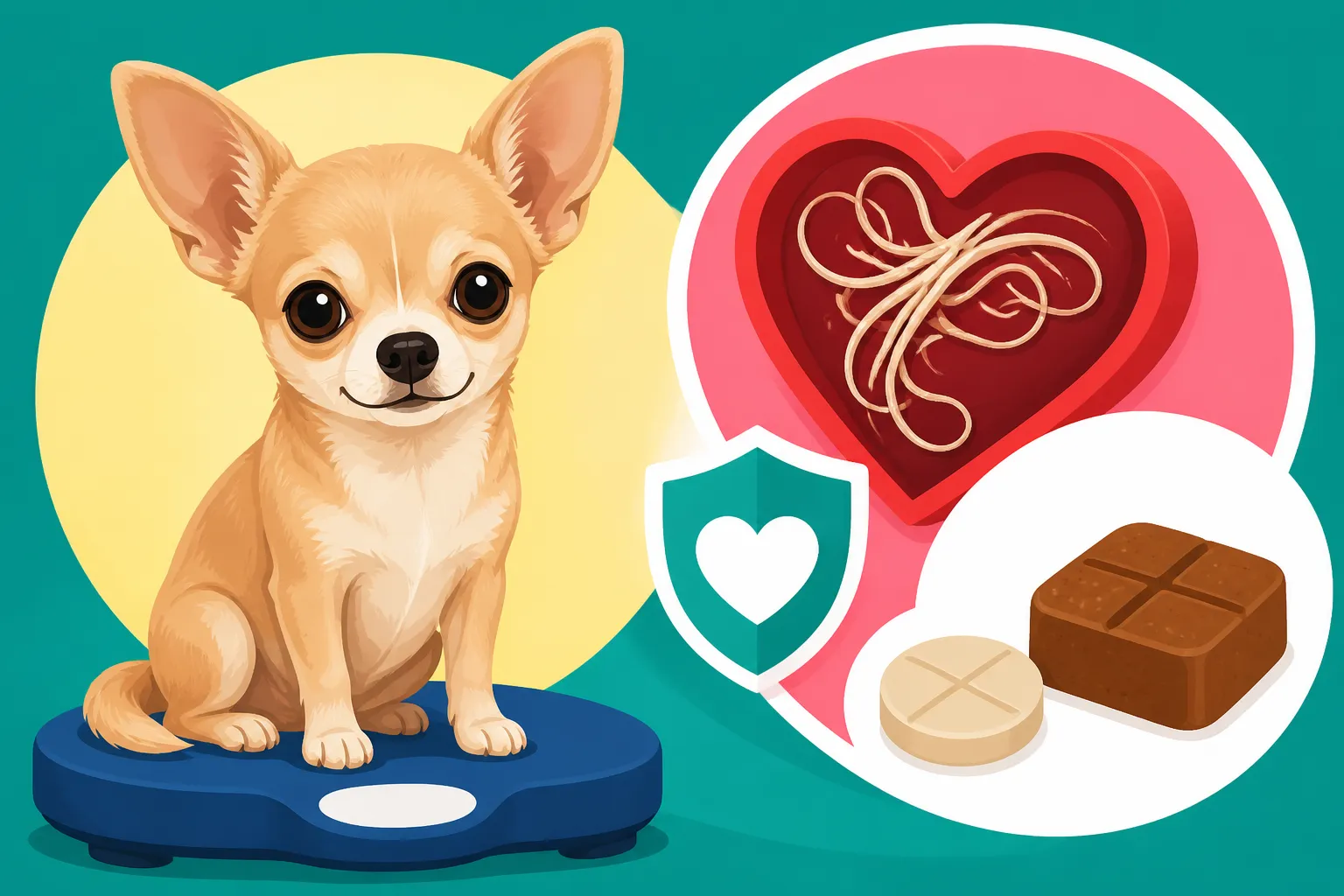
Heartworm disease is spread exclusively through the bite of an infected mosquito. It's a truly insidious cycle: a mosquito bites an infected dog (or other animal like a fox or coyote), picks up microscopic heartworm larvae, and then transmits those larvae to your Chihuahua with its next bite. These larvae then migrate through the dog's tissues, eventually making their way to the heart and pulmonary arteries, where they mature into adult worms. These adult worms can grow up to a foot long, coiling in the heart and major blood vessels.
The damage caused by heartworms is progressive and severe. Initially, your Chihuahua might show no symptoms at all. As the worms multiply and mature, they cause inflammation and blockages in the arteries, leading to symptoms like a persistent cough, lethargy, decreased appetite, and exercise intolerance. For a small dog, even mild symptoms can quickly escalate. Imagine a tiny straw trying to push water through a clogged pipe – that's what your Chihuahua's heart faces. Eventually, the heart struggles to pump blood effectively, leading to heart failure and potential organ damage. This is a condition that, left untreated, will shorten a Chihuahua Lifespan and Why the Breed Reaches Sixteen This is an entirely preventable tragedy.
The Misconceptions About Indoor Dogs
It’s a common misconception that indoor Chihuahuas are safe from mosquitoes and therefore heartworm. The truth is, mosquitoes are incredibly adept at finding their way indoors. They can sneak in through open doors, torn screens, or even hitch a ride on clothing. A single mosquito bite is all it takes to transmit the disease. It doesn’t matter if your Chihuahua never sets a paw outside a fenced yard or only enjoys short stroller rides; if a mosquito can get to them, they’re at risk.
Furthermore, living in a cooler climate doesn't always offer full protection either. While mosquito seasons might be shorter, they still exist. And with climate change, mosquito populations are expanding into new regions. Therefore, assuming your location or lifestyle provides a safety net against heartworm is a dangerous gamble. Consistent, year-round prevention is the only truly reliable defense, regardless of whether your Chihuahua is an avid hiker or a dedicated couch potato.
Navigating Heartworm Prevention Options for Small Dogs
When it comes to protecting your five-pound Chihuahua from heartworm, you have several excellent options, each with its own benefits and considerations. The key is to work closely with your veterinarian to choose the preventative that best suits your dog's specific needs, lifestyle, and your ability to administer it consistently.
Different Types of Preventatives Available
Heartworm preventatives come in various forms, primarily oral tablets, topical solutions, and even injectable options. Oral medications are often flavored chews or tablets, making them palatable for many dogs. They are typically given once a month. Topical solutions are applied to the skin, usually between the shoulder blades, and are absorbed through the skin into the bloodstream, also providing monthly protection. Injectable options offer longer-lasting protection, sometimes for six or twelve months, and are administered by your vet during an office visit.
Each type has its pros and cons. Oral medications are great if your Chihuahua loves treats, but some dogs can be picky. Topical treatments avoid digestive issues but require careful application to ensure the full dose is absorbed and that small children or other pets don't come into contact with the wet solution. Injections remove the monthly dosing worry but mean a trip to the vet and are not available for all weights or specific breeds. For a small dog like a Chihuahua, your vet will ensure the chosen product is accurately dosed and safe for their tiny system.
Choosing the Right Dose and Formulation
This is where the "five-pound Chihuahua" part of our discussion becomes critical. Heartworm medications are dosed precisely by weight. Giving too little means your dog isn't protected, and giving too much can lead to adverse reactions. For a five-pound Chihuahua, your vet will prescribe a product specifically formulated for very small dogs. These often come in the lowest available dose range, sometimes labeled for dogs "up to 5 lbs" or "2-10 lbs." Never try to split a larger dose meant for a bigger dog, as it's impossible to ensure an accurate and safe amount of medication. The active ingredients are not evenly distributed throughout a pill, for example.
Consider the formulation, too. Some oral medications are tiny tablets, while others are chews. For a finicky eater, a soft, flavored chew might be easier to hide in a tiny piece of cheese or a dollop of peanut butter (xylitol-free, of course!). For dogs with sensitive skin, a topical might be irritating, or vice versa. Discuss these nuances with your vet to find the perfect match. Online pet supply retailers like Chewy often carry a wide range of these specialized small-dog formulations, but always with a prescription from your veterinarian.
Considering Side Effects and Safety Profiles
Like any medication, heartworm preventatives can have side effects, though they are generally rare and mild when given correctly. These can include vomiting, diarrhea, lethargy, or skin irritation for topicals. Serious side effects are extremely uncommon, but it’s vital to be aware of them. For Chihuahuas, particular attention is paid to any neurological symptoms, though these are more often associated with specific breeds or drug interactions.
It's also crucial to remember that heartworm preventatives kill the larval stage of heartworms. They do not kill adult worms. This is why an annual heartworm test is so important before continuing medication, especially if a dose was missed or your dog acquired the infection despite prevention. Giving heartworm preventative to a dog that already has adult heartworms can be dangerous, as it can cause a rapid die-off of microfilariae (baby worms) that can trigger a severe reaction. This is one of the reasons vets are so strict about annual testing.
Administering Heartworm Medication Safely
Successfully administering medication to a tiny, sometimes stubborn, Chihuahua can feel like an Olympic sport. But with the right techniques and a little patience, it becomes a routine part of their care. Consistency is paramount, as even a single missed dose can leave your five-pound friend vulnerable.
Tips for Giving Oral Medication to a Tiny Dog
Giving a pill to a five-pound Chihuahua requires a gentle touch and sometimes a bit of trickery. Many oral heartworm preventatives come as flavored chews, which can be a huge help. You might be able to offer it as a treat, or break it into smaller pieces and mix it into a favorite soft food. For a dog that's not easily fooled, 'pilling' might be necessary. Gently open their mouth, place the pill as far back on their tongue as you can, close their mouth, and gently stroke their throat until you see them swallow. Follow with a tiny, yummy treat or a bit of water from a syringe to ensure it went down.
Sometimes, a "pill pocket" or a small amount of cheese, peanut butter (again, check for xylitol!), or even a tiny piece of cooked hot dog can work wonders. Remember, the goal is to make it a positive or at least neutral experience, so avoid struggles that can make future dosing even harder. If your Chihuahua is truly a master at spitting out pills, your vet might have compounding pharmacies they work with that can turn the medication into a liquid form or a different flavor, although this isn't always available for heartworm preventatives.
Here's a quick comparison of common preventative types:
| Prevention Type | Administration Method | Frequency | Common Formats for Chihuahuas | Pros | Cons |
|---|---|---|---|---|---|
| Oral Chew/Tablet | By mouth | Monthly | Tiny chews, small tablets | Often palatable, easy to dose | Can be spit out, some dogs dislike taste |
| Topical Solution | Applied to skin | Monthly | Small vials/pipettes | Avoids digestive upset, no pill struggles | Skin irritation possible, must dry fully |
| Injectable | Vet administered | 6-12 months | Injection by vet | Long-lasting, no owner administration | Vet visit required, not for all sizes/breeds |
Applying Topical Treatments Correctly
If your Chihuahua is an absolute Houdini when it comes to pills, a topical heartworm preventative might be your savior. These liquid medications typically come in a small tube or pipette and are applied directly to the skin, usually on the back between the shoulder blades where your Chihuahua can't easily lick it off. It's crucial to part the fur completely to ensure the liquid makes direct contact with the skin, not just the fur.
After application, keep your Chihuahua from getting wet for at least 24-48 hours, as water can wash away the product before it's fully absorbed. Also, prevent other pets or children from touching the application site until it's completely dry. A simple strategy is to apply it right before bedtime, so your little one can sleep it off and the product has plenty of time to absorb. Remember, even with topicals, ensuring the correct dosage for a five-pound Chihuahua is essential, and your vet will prescribe the appropriate weight-specific product.
Ensuring Your Chihuahua Swallows the Full Dose
Whether it's an oral chew or a liquid, making sure your Chihuahua gets the full dose is vital for their protection. For oral medications, watch them closely to ensure they haven't stashed the pill in their cheek or spit it out when you weren't looking. Sometimes, giving a follow-up treat immediately after the pill encourages a full swallow. If you suspect they didn't get it all, contact your vet for advice rather than attempting to give another partial dose.
For topical medications, ensure no drips or spills occur during application. If some of the product lands on the fur rather than the skin, it might not be fully effective. Being meticulous in your application is key. If you're struggling with either method, don't hesitate to reach out to your veterinarian for a demonstration or to explore alternative solutions. Companies like Ollie, which often specialize in fresh, customized meals, might indirectly help by providing highly palatable food you can use to hide pills, but their main focus isn't medication itself.
The Importance of Regular Vet Checks and Testing
Heartworm prevention is a partnership between you, your Chihuahua, and your veterinarian. Regular check-ups and diagnostic testing are non-negotiable components of keeping your little one safe and healthy, complementing the monthly preventative medication.
The Annual Heartworm Test Explained
Before starting any heartworm preventative for the first time, and typically once a year thereafter, your Chihuahua will need a simple blood test. This test screens for the presence of adult heartworm antigens in their bloodstream. If the test comes back negative, it confirms your dog is free of adult heartworms and it's safe to start or continue prevention. If it's positive, a different, more complex and risky treatment protocol for adult heartworms would be necessary, making that yearly test incredibly valuable.
This annual screening is crucial, even if you're diligent with your monthly doses. No medication is 100% foolproof, and factors like missed doses, spitting out pills, or even unusual mosquito activity could potentially lead to infection. Catching a budding infection early, before the worm burden becomes too high, can make a significant difference in the outcome and the complexity of treatment. Think of it as a yearly physical that confirms all systems are go for your tiny companion's heart health. You can learn more about The Annual Heartworm Test Explained for a deeper dive.
Why Prevention Is Always Better Than Treatment
This cannot be stressed enough: heartworm prevention is vastly superior to treating an established infection, especially for a small, fragile dog like a Chihuahua. Heartworm treatment is expensive, lengthy, painful, and carries significant risks. It involves a series of injections of an arsenic-based drug, strict cage rest for weeks or even months, and potential complications from the dying worms. The emotional toll on both you and your Chihuahua is immense. Many owners find themselves grappling with difficult decisions when faced with the cost and risks of treatment. This is where comprehensive pet insurance like Healthy Paws can be a lifesaver, covering unexpected veterinary bills, but the best approach is always to avoid the situation entirely.
Preventative medication, on the other hand, is generally affordable, easy to administer, and extremely safe. By consistently giving your Chihuahua their heartworm dose, you're not just preventing a disease; you're safeguarding their quality of life, avoiding untold stress, and ensuring their long-term health. It's a small investment that pays off immeasurably over your Chihuahua's long life.
Budgeting for Consistent Care
Understanding the full scope of Chihuahua ownership means preparing for regular veterinary care, and heartworm prevention is a significant part of that budget. While the monthly cost of preventative medication is relatively low, it's an ongoing expense that needs to be factored in. Beyond the medication itself, remember to budget for the annual heartworm test and routine vet check-ups. These regular visits are also critical for discussing other preventative care, like flea and tick control, and for addressing any emerging health concerns specific to the breed, such as Chihuahua Dental Disease in a Crowded Small Jaw.
Many veterinary clinics offer wellness plans that bundle preventative care, including heartworm tests and medication, which can help spread out costs. Online pharmacies and pet stores, like Chewy, might offer competitive pricing on prescription heartworm medications, but always ensure you have a valid prescription from your vet. Proactive budgeting and consistent prevention are the cornerstones of ensuring your five-pound Chihuahua lives a happy, healthy life free from the threat of heartworm.
Disclaimer
This article is for general informational purposes only and does not constitute professional advice. Laws, prices and regulations vary by location and change over time. Consult a qualified professional for guidance on your specific situation.