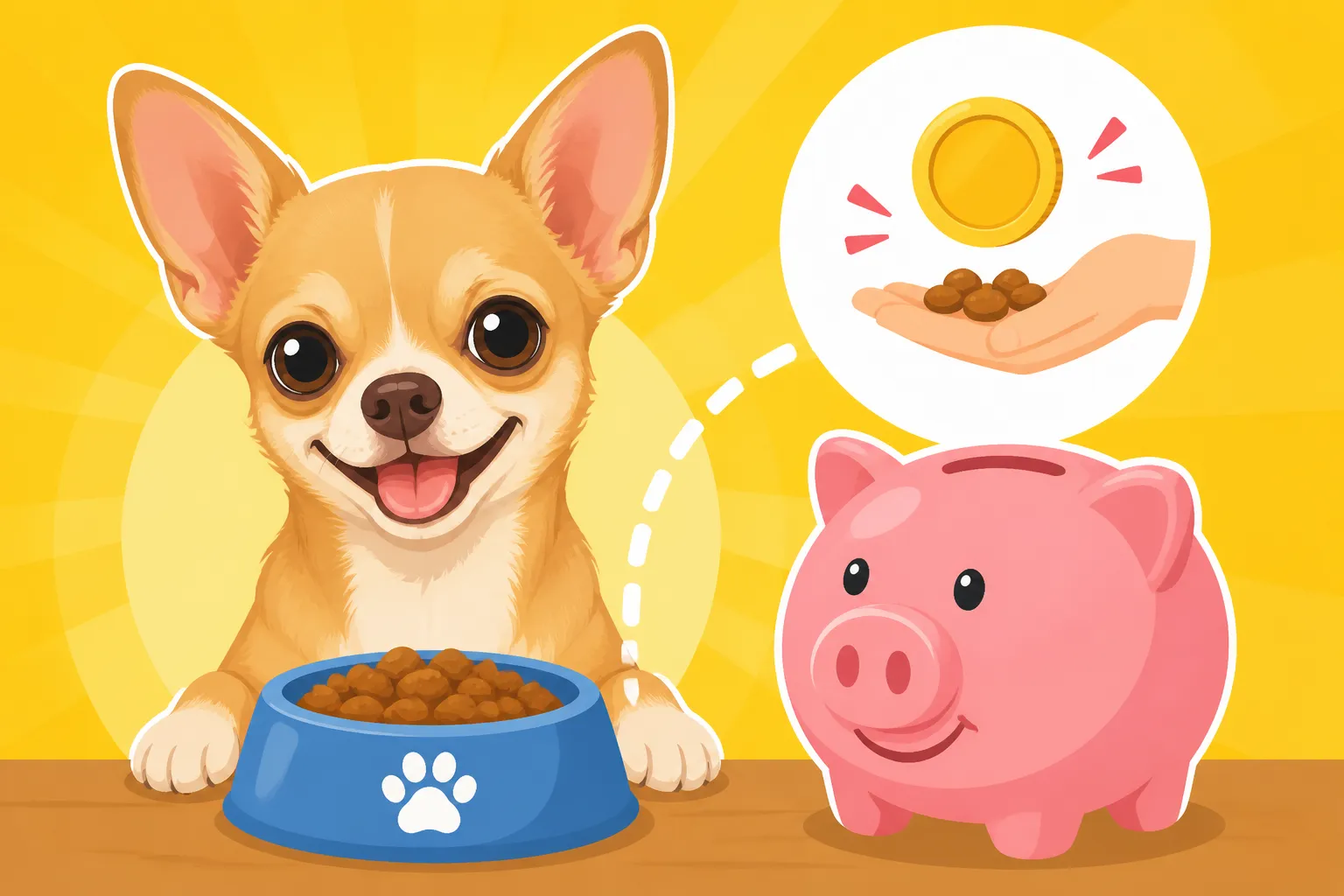
Why Feeding a Chihuahua Costs So Little
Many Chihuahua owners, especially those new to the breed, quickly realize that while owning one of these pint-sized companions brings immense joy, it also comes with a unique set of considerations. One common surprise, and a pleasant one at that, is just how little it actually costs to feed them. This guide will delve into the specific reasons behind these surprisingly low food expenses, breaking down everything from their minuscule calorie requirements to smart shopping strategies, ensuring you understand why your Chihuahua's food bill won't break the bank.
The Astonishingly Small Calorie Needs of a Chihuahua
It might seem obvious that a tiny dog eats less than a giant one, but the sheer difference in caloric requirements often catches new Chihuahua parents off guard. Your average adult Chihuahua, weighing in at a dainty 3 to 6 pounds, simply doesn't need much fuel to power its day. This isn't just a matter of size; it's also about metabolism and the inherent design of these miniature dynamos.
Chihuahuas, despite their often energetic personalities, burn calories at a much lower overall rate than, say, a Labrador Retriever or a Great Dane. While they do have a relatively fast metabolism per pound compared to larger breeds, the total amount of energy expended is still dramatically less. A general guideline often cited by veterinarians is around 30-40 calories per pound of body weight for an adult Chihuahua, though this can vary based on age, activity level, and whether they are spayed or neutered. This means a 5-pound Chihuahua might only need about 150-200 calories a day to maintain a healthy weight. When you compare that to a 50-pound dog needing 1000-1500 calories, or a 100-pound dog needing 2000-3000 calories, the difference is stark.
This minuscule calorie requirement has profound implications for your grocery bill. Imagine trying to feed a large breed dog on two hundred calories a day; it's simply impossible. For your Chihuahua, however, this modest intake is perfectly sufficient. It means that bags of kibble, cans of wet food, or even portions of fresh food last an incredibly long time. You're not pouring cup after cup into their bowl; often, it's just a fraction of a cup, carefully measured, to meet their daily needs. This careful measurement is crucial, by the way, as even a slight overestimation can quickly lead to an overweight Chihuahua, which brings its own set of health problems like Chihuahua Obesity on a Six Pound Frame and joint issues.
Factors like age and activity level also play a role. A rambunctious young puppy, for example, might need slightly more calories per pound to support its rapid growth and boundless energy, often around 40-50 calories per pound. Conversely, a senior Chihuahua who spends more time napping might need slightly fewer calories to prevent weight gain as their metabolism naturally slows down. Owners with a very active Chihuahua, perhaps one that enjoys long walks or agility, might find their dog needs to be on the higher end of that calorie range, while a more sedentary lapdog will thrive on the lower end. Always consult your vet to confirm the ideal daily caloric intake for your specific dog.
Breaking Down the Daily Food Cost
The direct impact of those tiny calorie requirements is felt most acutely when you look at how long a single bag or can of dog food lasts. What might be a week's supply for a medium-sized dog could easily stretch into months for your Chihuahua, making their feeding expenses almost negligible on a weekly or monthly basis.
Let's consider dry kibble first, which is often the most economical option. A high-quality 4-pound bag of premium small-breed kibble might cost anywhere from $15 to $25. If your 5-pound Chihuahua eats, say, 1/2 cup of kibble a day (which is roughly 200 calories for many brands), and there are about 4 cups of kibble per pound, that 4-pound bag contains 16 cups of food. At 1/2 cup per day, that bag will last 32 days, or over a month! This means your monthly kibble cost could be as low as $15-$25, even for a high-end product. If you buy a larger bag, the per-pound cost often decreases further, saving you even more money in the long run. Many owners find themselves buying a 15-pound bag that lasts for half a year or more.
Wet food, while typically more expensive per calorie than kibble, still offers significant savings for Chihuahuas due to portion control. A single 3-ounce can of wet dog food might contain around 90-100 calories. If your Chihuahua needs 200 calories, that one can could easily be split over two meals, or even two days, depending on other food sources. This means a tray of 12 cans, costing around $20-$30, could last anywhere from 12 to 24 days. Again, compare this to a larger dog that might devour 3-4 cans in a single day, and the cost difference becomes incredibly apparent. Many Chihuahua owners opt for wet food as an occasional treat or a mixer with kibble, rather than a sole diet, which stretches their dollar even further.
Even if you choose a fresh food delivery service like Ollie, which provides pre-portioned, human-grade meals, the cost remains surprisingly reasonable for a Chihuahua. While these services are generally pricier than traditional kibble, the portion sizes for a small dog are so minute that the total weekly or monthly bill is still far less than what a larger dog owner would pay. For a Chihuahua, you might find yourself spending around $30-$50 per month for these premium, ready-to-serve meals, where a larger breed could easily cost upwards of $150-$200. This is because the individual daily portions are precisely calculated, so you're only paying for the exact amount your tiny companion needs. You can learn more about this in Fresh Food Delivery Portioned for a Chihuahua.
Here's a quick comparison of approximate monthly food costs for a 5-pound adult Chihuahua versus a 50-pound adult dog:
| Food Type | Chihuahua (5 lbs) Est. Daily Calorie Needs (200) | Average Monthly Cost (Chihuahua) | 50-lb Dog Est. Daily Calorie Needs (1500) | Average Monthly Cost (50-lb Dog) |
|---|---|---|---|---|
| Premium Kibble | ~1/2 cup/day | $15 – $25 | ~4 cups/day | $50 – $80 |
| Canned Wet Food | ~1-2 cans/day (if sole diet) | $30 – $60 | ~8-12 cans/day | $150 – $250 |
| Fresh Food Service | Pre-portioned meal | $30 – $50 | Pre-portioned meal | $150 – $250 |
Note: These are estimates and actual costs can vary based on brand, region, and specific dog needs.
As you can see, the difference is astronomical. This often comes as a relief to owners who are budgeting for a new pet, as the food component of their The Monthly Cost of Keeping a Chihuahua is far less intimidating than for other breeds.
Beyond the Bowl: Other Factors Contributing to Low Food Costs
The savings don't stop with just the main meals. The tiny scale of a Chihuahua's existence extends to nearly every aspect of their consumption, including treats and supplements, further contributing to their remarkably low feeding costs.
When it comes to treats, for instance, a Chihuahua's small size means they need treats that are equally miniature. A single standard dog biscuit might be a meal in itself for a Chihuahua! Instead, owners often break treats into tiny pieces, or purchase specially designed training treats that are already pea-sized. This means a bag of treats, which might last a week for a larger dog during training sessions, can easily last a Chihuahua several months. Many premium treat brands, available through retailers like Chewy, offer options specifically formulated for small breeds, and while they might seem expensive per bag, the sheer number of individual treats or the longevity of the bag makes them very economical. You'll find yourself needing to restock treats far less frequently, as explored in Chihuahua Treats Inside a Tiny Calorie Budget.
Furthermore, any supplements a Chihuahua might need—be it a joint supplement for an aging dog, a fish oil for coat health, or a probiotic for digestion—are dosed according to body weight. This means a Chihuahua will receive a fraction of the dose prescribed for a larger dog, making supplement bottles last significantly longer. A bottle of joint chews that might be a month's supply for a German Shepherd could easily be a three or four-month supply for your Chihuahua, further stretching your budget. It's a small detail, but these little savings add up over time, reinforcing the overall low cost of feeding these tiny companions.
Another often overlooked aspect is the sheer lack of waste. With precise measuring for a Chihuahua's small appetite, there's rarely leftover food in the bowl that needs to be discarded. Unlike larger dogs who might be pickier or leave scraps, Chihuahuas often finish their carefully portioned meals. This means every single calorie you put down is typically consumed, minimizing waste and ensuring you get the most out of every dollar you spend on their food. There's less chance of food spoiling or being thrown out because your dog decided they weren't in the mood for it today, which can be a real issue with larger portions for bigger, fussier dogs. This attention to portion control and the avoidance of "free feeding" also helps prevent health issues like Why Free Feeding a Chihuahua Ends in Obesity.
Smart Shopping and Budgeting for Chihuahua Owners
While feeding a Chihuahua is inherently inexpensive, smart shopping practices can help you save even more and ensure your tiny companion receives the best nutrition possible without overspending. It’s all about making informed choices and being a savvy consumer.
Firstly, investing in a good kitchen scale is paramount when feeding a Chihuahua. Measuring cups, while convenient for larger breeds, are notoriously inaccurate for the minuscule portions a Chihuahua requires. A slight overfill of a 1/4 cup measure can mean dozens of extra calories for a small dog, leading to rapid weight gain. By weighing your Chihuahua’s food to the gram, you ensure precise portion control, which not only prevents obesity but also makes your food supply last exactly as long as it should. This precise approach is detailed in Weighing Chihuahua Food on a Kitchen Scale. Many vets recommend feeding Daily Calories for a Three to Seven Pound Chihuahua, and hitting that target accurately is key.
Secondly, choosing the right food brand matters. Focus on high-quality small-breed specific formulas that offer nutrient-dense kibble. Brands formulated for small dogs often have smaller kibble sizes, which are easier for a Chihuahua’s tiny mouth and jaw to manage. They also tend to have appropriate protein and fat levels for their unique metabolism. While a premium brand might have a slightly higher upfront cost per bag, the quality ingredients can mean better digestion, healthier coat, and overall better health, potentially reducing vet bills in the long run. Many reputable brands can be found at online retailers like Chewy, which often offers subscription services and bulk discounts that can lower your costs even further.
Consider buying in slightly larger, but still manageable, quantities. While a 30-pound bag of kibble might last a Chihuahua for a year and could go stale, a 10 or 15-pound bag often offers a better per-pound price than a small 4-pound bag and can easily last several months. Storing the extra food in an airtight container in a cool, dark place will keep it fresh. Just be mindful of expiration dates. If you're exploring fresh food options, services like Ollie already handle portioning and freshness, taking some of the guesswork out of it. They ship regular, smaller batches, ensuring your Chihuahua always has fresh food without you having to worry about it going bad.
Finally, resist the urge to overfeed with treats or extra table scraps. It's easy to spoil these adorable little dogs, but those extra calories add up quickly on such a small frame. Not only can it lead to obesity, but it can also contribute to dental issues and other health problems. Stick to their allocated meal portions and use tiny, healthy treats for training or occasional rewards. This discipline ensures that your Chihuahua remains healthy and that your food budget stays low, avoiding potential medical costs down the line that could arise from poor dietary habits. Remember, a healthy Chihuahua is the most cost-effective Chihuahua in the long run.
Disclaimer
The information provided in this article is for general informational purposes only and is not intended as a substitute for professional veterinary advice. Always consult with a qualified veterinarian for any health concerns or before making any decisions related to your Chihuahua's diet or care. Individual dietary needs can vary based on age, activity level, health conditions, and other factors.