Insuring a Chihuahua Puppy in Week One
Bringing a tiny Chihuahua puppy home is an absolute joy, but let's be honest, it also comes with a whole new layer of worry. These little guys are so delicate, and you can't help but fret about all the potential bumps, scrapes, or unexpected health issues that could crop up, especially in those crucial first few weeks. This guide is all about cutting through that anxiety by showing you exactly why and how to get your precious Chihuahua puppy insured right in its very first week with you, setting you both up for a lifetime of peace of mind.
Why Early Pet Insurance for a Chihuahua Puppy is So Critical
When you welcome a tiny Chihuahua puppy into your life, you're not just getting a dog; you're getting a commitment to protect a fragile, intelligent, and fiercely loyal little being. The sheer tininess of Chihuahuas means they face unique vulnerabilities right from the start, and unfortunately, these can lead to some surprisingly high vet bills if you're not prepared. Waiting even a few weeks to get insurance can literally cost you thousands, because of how rapidly conditions can develop and be deemed "pre-existing."
Understanding the Unique Health Risks of Chihuahua Puppies
Chihuahua puppies, especially those under a few pounds, are incredibly susceptible to certain health issues that larger breeds might brush off. One of the most common and terrifying for new owners is Chihuahua Hypoglycemia in the First Twelve Weeks. Their tiny bodies struggle to regulate blood sugar, meaning a skipped meal, a slight chill, or even too much playtime can send them crashing. An emergency vet visit for hypoglycemia can be hundreds of dollars, and it often happens when you least expect it in those early days.
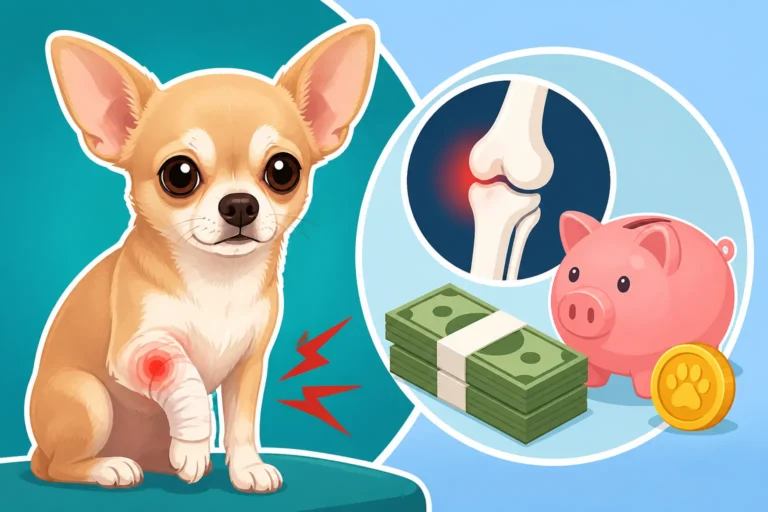
Beyond metabolic issues, their physical fragility is a constant concern. A small jump off a sofa that a Labrador puppy would laugh off can result in a fractured leg for a Chihuahua. Accidental falls, a playful tumble with another pet, or even just misjudging a step can lead to significant injuries requiring X-rays, casts, or even surgery. These aren't just minor incidents; they can be incredibly painful for your puppy and financially devastating for you. Knowing that you have coverage for such unforeseen accidents allows you to focus on your puppy's recovery, rather than the looming vet bill. They might look tough, but their little bones are not invincible.
The "Pre-Existing Condition" Trap
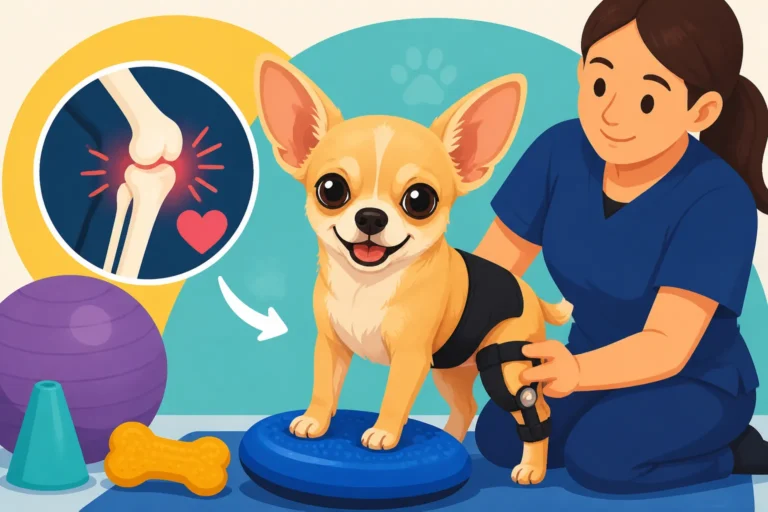
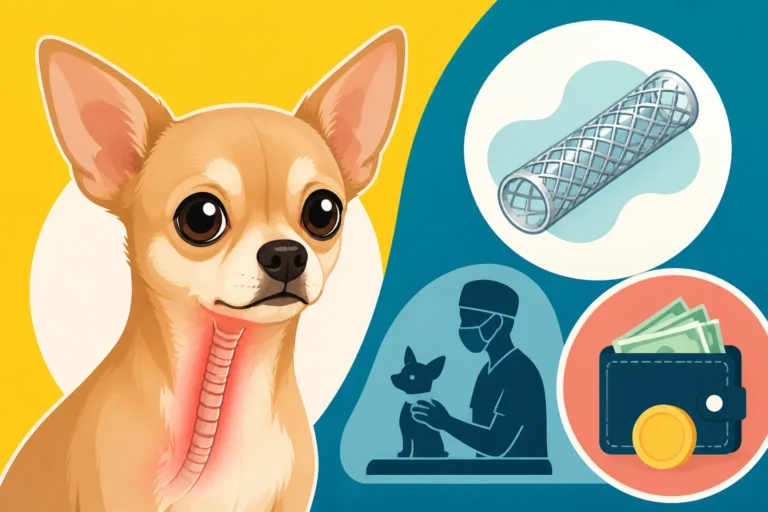
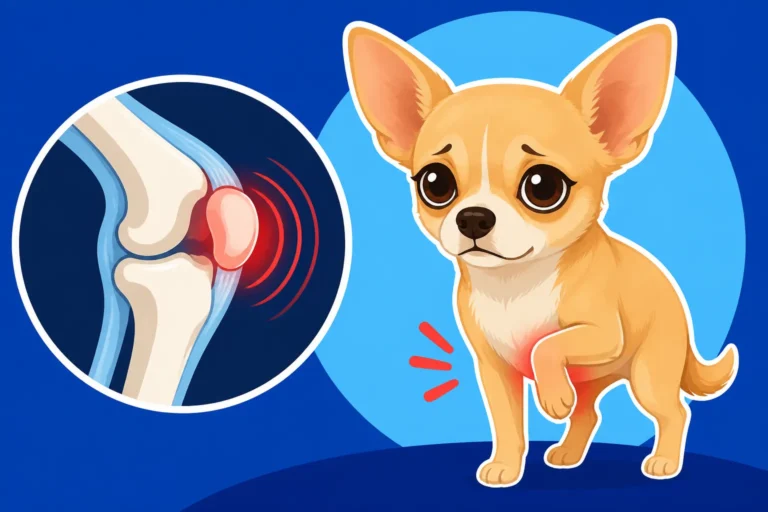
This is where the timing of your insurance really matters. Pet insurance companies generally define a "pre-existing condition" as any illness or injury that showed symptoms or was diagnosed before your policy's waiting period ended. For Chihuahuas, this is a huge deal. Imagine your puppy develops a slight, intermittent skip in its gait in week three, something you might initially dismiss as puppy clumsiness. If you don't have insurance active by then, and this "clumsiness" later gets diagnosed as Patellar Luxation as a Pre-Existing Chihuahua Condition – a very common issue in Chihuahuas – your insurance policy likely won't cover treatment. Even a minor cough during your puppy's first few weeks, which might be nothing more than kennel cough, could potentially be recorded in their vet history and later lead to a denial of coverage if they develop something more serious like a Collapsing Trachea in a Chihuahua and Its Triggers as they age.
The crucial point is that conditions don't always appear overnight. They can manifest subtly, developing over time, and if that manifestation begins before your policy's waiting period is over, it's considered pre-existing. This means that getting your Chihuahua puppy insured the moment you bring them home, ideally even before their first vet visit, is your best defense against having future claims denied. You're trying to establish a clean bill of health before any potential issues arise, which is incredibly challenging with a growing puppy.
What to Look For When Insuring Your Brand-New Chihuahua Puppy
Choosing the right pet insurance for your Chihuahua puppy isn't about picking the first option you see; it's about understanding the nuances of policies and how they apply to such a small, unique breed. You want a plan that genuinely covers the things Chihuahuas are most prone to, without leaving you in a lurch when those inevitable, often expensive, issues arise.
Navigating Waiting Periods and Enrollment Timing
Every pet insurance policy comes with "waiting periods," which are specific lengths of time you must wait after enrolling before certain conditions are covered. Typically, these are shorter for accidents (often a few days) and longer for illnesses (usually 14-30 days). Orthopedic conditions, like patellar luxation or cruciate ligament tears, can sometimes have even longer waiting periods, or require a vet exam and sign-off after a certain period.
This is precisely why enrolling your Chihuahua puppy in week one is so vital. If your puppy manages to swallow something it shouldn't, or breaks a tiny toe playing, you want that accident coverage to be active immediately. For illnesses, the sooner you start the clock, the sooner you'll have full coverage for things like infections, digestive upsets, or even more serious conditions like Chihuahua Epilepsy and Seizure Onset if they manifest later in life. Imagine waiting a month, and then your puppy gets a severe stomach bug on day 29 – you might still be in the waiting period and out of luck. The optimal time to enroll is literally the day you get your puppy, before any visit to the vet for their initial check-up, as some policies will consider anything noted in that first exam as pre-existing if it shows symptoms.
Key Coverage Types for a Toy Breed
For a Chihuahua, an accident and illness policy is non-negotiable. This covers unexpected injuries (like those broken bones from a fall) and sudden illnesses (like an infection or acute pancreatitis). However, given the breed's predispositions, you should look deeper.
Dental disease is rampant in Chihuahuas due to their crowded small jaws. By age three, many Chihuahuas already have significant tartar buildup and gum inflammation. You'll want to investigate policies that offer Chihuahua Dental Disease in a Crowded Small Jaw coverage or at least a wellness add-on that contributes to annual cleanings, extractions, and associated anesthesia costs. Without it, you're looking at potentially thousands of dollars in dental bills over their long lifespan. Similarly, conditions like Chihuahua Heart Disease as the Breed Ages and Chihuahua Eye Problems in a Shallow Socket are common, so ensure your policy doesn't have restrictive clauses around breed-specific conditions. Some plans might have special exclusions or higher deductibles for certain hereditary conditions, so read the fine print carefully.
Comparing Providers and Policy Specifics
When comparing providers, don't just look at the monthly premium. You need to consider:
- Deductibles: How much you pay out of pocket before your insurance kicks in. A higher deductible means lower premiums but more upfront cost for each incident.
- Reimbursement Rate: The percentage of the vet bill the insurance company pays back to you (e.g., 70%, 80%, 90%).
- Annual Limit: The maximum amount the policy will pay out in a given year. For a long-lived breed like the Chihuahua, with potential for multiple chronic issues, a high or unlimited annual limit is beneficial.
Many trusted pet insurance providers exist, each with slightly different offerings. Healthy Paws is frequently praised for its comprehensive accident and illness plans with unlimited annual payouts, which can be a huge relief for Chihuahua owners facing unexpected emergencies or chronic conditions. Other companies, which you can often explore through marketplaces like Chewy's pet insurance offerings (where they partner with multiple carriers), might allow for more customization with wellness plans that could help with those routine dental cleanings or regular check-ups. Look for plans that are flexible enough to grow with your Chihuahua, from energetic puppyhood to the Senior Chihuahua Care Past the Age of Twelve. Don't hesitate to get quotes from at least three different companies.
| Policy Feature | Low-Cost Plan (Example) | Mid-Range Plan (Example) | Premium Plan (Example) |
|---|---|---|---|
| Monthly Premium | $25 – $40 | $40 – $60 | $60+ |
| Annual Deductible | $500 – $1,000 | $250 – $500 | $100 – $250 |
| Reimbursement Rate | 70% | 80% | 90% |
| Annual Limit | $5,000 – $10,000 | $10,000 – $20,000 | Unlimited |
| Accident Waiting Period | 2-5 days | 2-3 days | 1-2 days |
| Illness Waiting Period | 14-30 days | 14 days | 10-14 days |
| Dental Coverage | Accident-only | Included (non-routine) | Included (some routine) |
| Behavioral Therapy | Excluded | Limited coverage | Included |
Note: This table represents general examples; actual policy details vary widely by provider, location, and specific pet details.
The Practical Steps to Insure Your Chihuahua Puppy in Its First Week
The thought of navigating insurance paperwork when you're busy with a brand-new, tiny puppy can feel overwhelming, but breaking it down into simple steps makes it manageable. The goal is to get that policy active and those waiting periods ticking as quickly as possible.
Gathering Necessary Information
Before you even start comparing quotes, have all your puppy's essential information handy. This usually includes:
- Your Contact Information: Name, address, phone, email.
- Puppy's Birthdate: You'll need the exact date for accurate age calculation.
- Breed: Chihuahua (obviously!).
- Gender: Male or Female.
- Name: Your puppy's chosen name.
- Microchip Number: If your puppy is already microchipped, have this ready. Many policies require microchipping within a certain timeframe or before a claim is paid.
- Veterinarian's Contact Information: Even if you haven't had the first visit yet, have the name and phone number of the clinic you plan to use.
- Breeder's Information: Some policies might ask for this, or it can be helpful for verifying health history if any questions arise.
Having these details compiled will make the online application process much faster. Remember, every day counts when it comes to those waiting periods. It’s a good idea to research your vet clinic and schedule that first "new puppy" check-up for as soon as possible after you bring your little one home.
Making the Enrollment Choice
Once you've compared a few quotes and feel confident in a provider like Healthy Paws for their strong accident and illness coverage, or found a suitable plan on Chewy's marketplace, it's time to enroll. Most providers offer easy online applications that can be completed in minutes. During this process, you'll select your desired deductible, reimbursement rate, and annual limit. Don't be afraid to adjust these to find a sweet spot between your monthly budget and your desired coverage level.
As you finalize your choice, make sure you understand the claims process. How do you submit a claim? What's the typical reimbursement timeline? Knowing these practicalities upfront will save you stress later. Many pet parents also like to think about their Chihuahua's overall well-being. Brands like Ollie, while primarily a fresh dog food delivery service, cater to owners who are highly proactive about their dog's health. Choosing premium food, regular vet care, and insurance all go hand-in-hand in providing the best possible start for your Chihuahua, especially one with a potentially long life ahead.
Budgeting and Long-Term Considerations
While the immediate goal is to get your puppy covered, it's essential to integrate pet insurance into your broader financial plan for your Chihuahua. The monthly premium might seem like another expense, but when you consider the potential costs of even one emergency, it quickly becomes a smart investment. For instance, Chihuahua Dental Bills as the Biggest Recurring Cost can be hundreds, if not thousands, of dollars every few years. If your policy contributes to these, the premium easily pays for itself.
Moreover, Chihuahuas are known for their longevity, often living 15-20 years. That's a lot of potential vet visits, senior care, and possible age-related conditions like arthritis or kidney disease. When you're Budgeting for a Chihuahua That Lives Sixteen Years, factoring in consistent, reliable pet insurance from week one can truly safeguard your finances and ensure your beloved companion receives the best care throughout their entire life without you ever having to make difficult decisions based on cost. Think of it as investing in your peace of mind and your Chihuahua's long-term health.
Disclaimer
The information provided in this article is for general informational purposes only and does not constitute veterinary advice. Always consult with a qualified veterinarian for any health concerns or before making any decisions about your pet's care or treatment. Pet insurance policies vary, and it is crucial to read your specific policy documents carefully to understand coverage, exclusions, and limitations.