Chihuahua Kneecap Surgery Costs
The moment your veterinarian mentions "patellar luxation" and then "surgery" in the same breath regarding your beloved Chihuahua, it can feel like your stomach drops. It’s an incredibly common issue for these tiny companions, and while your first thought is naturally for their comfort and health, the financial implications can quickly become a huge source of stress. This comprehensive guide is here to help you navigate the intimidating world of Chihuahua kneecap surgery costs, breaking down every potential expense so you can be prepared.
Understanding Patellar Luxation in Chihuahuas
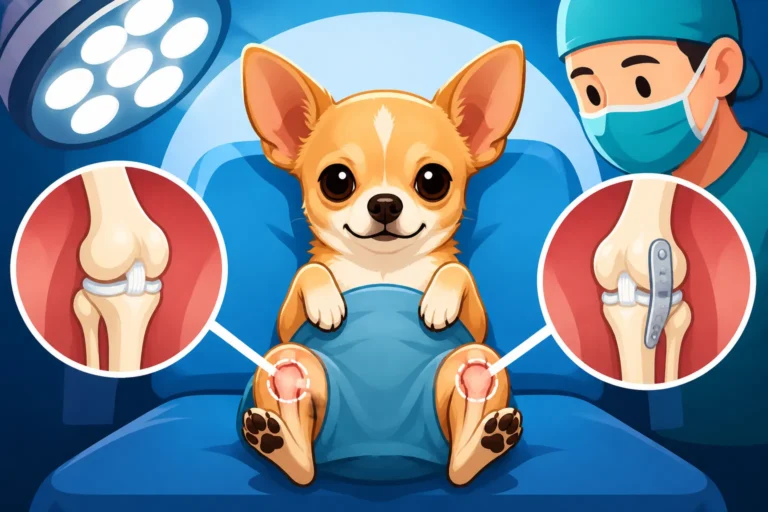
Patellar luxation, more commonly known as a "slipped kneecap," is a condition where the patella (kneecap) dislocates or moves out of its normal groove in the femur (thigh bone). It's one of the most frequently diagnosed orthopedic problems in small breed dogs, and Chihuahuas, unfortunately, are right at the top of that list. Imagine a tiny, intricate mechanism where one small gear keeps popping out of place – that's essentially what's happening. It’s not just a minor inconvenience; it can cause pain, lameness, and, if left unaddressed, lead to more severe orthopedic issues like arthritis or even cruciate ligament tears down the line.
The Grades of Luxation and Surgical Necessity
Not all slipped kneecaps are created equal, and the severity of the luxation plays a huge role in determining whether surgery is recommended or even necessary. Vets typically classify patellar luxation into four grades, from Grade I to Grade IV.
- Grade I: This is the mildest form. The kneecap can be manually displaced from its groove but pops back into place on its own. Your Chihuahua might exhibit a slight skipping gait occasionally, but often there's no persistent pain or lameness. For a Grade I, surgical intervention is rarely recommended. Instead, your vet might suggest conservative management like weight control, joint supplements, and controlled exercise. It’s about strengthening the surrounding muscles to keep everything stable.
- Grade II: In this stage, the kneecap still luxates periodically but can usually be put back into place by your Chihuahua extending their leg or by manual manipulation. You’ll notice the skipping gait more frequently, and your dog might show signs of discomfort or lameness after activity. This is where the discussion about surgery often begins. While some Grade II cases can be managed conservatively, especially if the dog isn't in pain and maintains good muscle tone, many vets will recommend surgery if the luxation is frequent or causing noticeable issues.
- Grade III: Now we're getting more serious. The kneecap is luxated most of the time but can still be manually reduced into its groove. However, it quickly pops out again. Dogs with Grade III luxation typically have a persistent lameness or a crouched, bow-legged stance. They're often in pain, and their quality of life is clearly affected. At this stage, surgery is almost always the recommended course of action to alleviate pain and prevent further joint damage.
- Grade IV: This is the most severe form. The kneecap is permanently luxated and cannot be manually returned to its normal position. The groove in the femur is often shallow or even absent, and the surrounding bone structures might be deformed. Dogs with Grade IV luxation usually have significant lameness and abnormal limb use. Surgery is definitely necessary here, though it might be more complex and involve reshaping the bone itself.
Understanding The Four Grades of a Slipping Chihuahua Kneecap is crucial for any owner, as it directly impacts the treatment plan and associated costs.
When Surgery Becomes the Clear Option
Deciding on surgery is a big step, and it's not a decision to be taken lightly. Beyond the grading of the luxation, several factors come into play, primarily centered around your Chihuahua's comfort and long-term health. The Whether a Chihuahua Knee Needs Surgery at All question is complex.
If your Chihuahua is frequently lifting their leg, showing obvious pain, or has a noticeable The Skipping Gait That Signals a Chihuahua Knee that affects their ability to play and move freely, these are strong indicators that conservative management might not be enough. Imagine your tiny friend struggling to jump onto their favorite spot on the sofa, or yelping when they try to run. When the pain becomes chronic, it doesn't just affect their physical well-being; it can also impact their mental state, leading to irritability or withdrawal.
Moreover, if your vet observes progressive arthritic changes on X-rays, or if the luxation is causing other structures in the knee to wear down (like the cranial cruciate ligament), then surgery moves from an option to a necessity to prevent irreversible damage. Early intervention can often lead to a better prognosis and a more straightforward recovery, potentially saving your Chihuahua from more complex and expensive procedures down the road. It's about preserving their mobility and ensuring they can enjoy their long life with as much comfort as possible.
The Breakdown of Chihuahua Kneecap Surgery Costs
Now for the part that often causes the most anxiety: the actual cost. It's rarely a single, neat figure. Chihuahua kneecap surgery costs are an amalgamation of several distinct phases: pre-surgical diagnostics, the surgery itself, and post-operative care. Because our Chihuahuas are so small, there are unique considerations that can sometimes make their procedures more delicate and therefore more expensive than one might expect for a larger dog.
Pre-Surgical Diagnostics and Consultations
Before your Chihuahua even steps foot in the operating room, there's a critical phase of assessment. This is where your vet or a specialist gathers all the necessary information to ensure the surgery is as safe and effective as possible.
- Initial Veterinary Examination and Consultation: This is usually the first step. Your primary vet will perform a thorough physical exam, palpate the knee, and assess your Chihuahua's gait. They'll discuss your dog's history, symptoms, and potential treatment options. This initial visit might cost anywhere from $50 to $150, depending on your clinic and region.
- Orthopedic Specialist Consultation: For patellar luxation surgery, especially Grade II and above, many primary vets will refer you to a board-certified veterinary orthopedic surgeon. These specialists have advanced training and experience in complex joint surgeries. A consultation with a specialist can range from $150 to $400 or more. They will conduct their own detailed examination, review your vet's findings, and discuss the specific surgical techniques they recommend.
- Diagnostic Imaging (X-rays): X-rays are crucial. They allow the vet to visualize the bones and joints, confirm the luxation, assess the depth of the patellar groove, look for signs of arthritis, and check for any other underlying orthopedic issues. Since Chihuahuas are so small, detailed imaging is essential. X-rays for a small dog can cost between $150 and $400, sometimes more if multiple views or sedation are required to get clear images.
- Pre-Anesthetic Bloodwork: This is a non-negotiable step. Chihuahuas, like all toy breeds, carry a higher Anesthesia Risk During a Chihuahua Dental or any surgery due to their small size and delicate systems. Blood tests evaluate your Chihuahua's organ function (kidneys, liver), blood cell counts, and clotting ability to ensure they can safely metabolize anesthetic drugs and recover well. This blood panel usually costs between $100 and $300.
- Electrocardiogram (ECG) or Cardiac Screening: Sometimes, especially for older Chihuahuas or those with suspected heart murmurs, a cardiac screening or ECG might be recommended to assess heart health before anesthesia. This can add another $50 to $200.
All these pre-surgical steps are vital. They paint a complete picture of your Chihuahua's health, allowing the surgical team to tailor the anesthesia and procedure to their specific needs, minimizing risks and maximizing the chances of a successful outcome.
The Surgical Procedure Itself
This is the core expense, encompassing the actual time in the operating room, the surgical team's expertise, and the resources used.
- Surgeon's Fees: The cost of the surgeon's expertise is a significant component. This covers their skill, experience, and the time spent performing the delicate procedure. For a board-certified orthopedic surgeon, these fees can be substantial. The surgical techniques typically involve deepening the patellar groove (trochleoplasty), tightening or loosening the soft tissues around the kneecap, and often transposing the tibial crest (moving the attachment point of the patellar ligament) to ensure proper alignment. The fee for the actual Chihuahua Kneecap Surgery Cost Per Leg usually ranges from $1,500 to $4,000 per leg, and sometimes even higher in very specialized clinics or high-cost-of-living areas. Keep in mind, if both knees require surgery, the cost can easily double.
- Anesthesia and Monitoring: Anesthesia for a Chihuahua is an art form. Their tiny size means precise dosing is critical, and they are prone to hypothermia and hypoglycemia during surgery. Therefore, dedicated anesthesia monitoring, often by a credentialed veterinary technician, is essential. This includes monitoring heart rate, respiratory rate, blood pressure, oxygen saturation, and body temperature. The cost of anesthesia and monitoring typically falls between $300 and $800, varying with the complexity and duration of the surgery.
- Operating Room and Equipment Costs: You’re also paying for the sterile environment, specialized surgical instruments, and any implants (like pins or sutures) used during the procedure. These are often bundled into the overall surgical fee but contribute significantly to the total.
- Hospitalization: After surgery, your Chihuahua will need to stay overnight, sometimes for a few nights, for pain management, fluid therapy, and close monitoring during the initial recovery phase. This hospitalization can add $100 to $300 per night.
Post-Operative Care and Medication
The care doesn't stop once your Chihuahua leaves the operating room. The post-operative phase is critical for healing and preventing complications.
- Pain Management and Anti-inflammatories: Your Chihuahua will definitely need pain medication and possibly anti-inflammatory drugs to manage discomfort and reduce swelling after surgery. These prescriptions are typically for several weeks and can cost $50 to $200.
- Antibiotics: To prevent infection at the surgical site, a course of antibiotics is often prescribed, adding another $30 to $100.
- E-Collar (Cone of Shame): Essential to prevent your Chihuahua from licking or chewing at their incision, which could lead to infection or reopening the wound. These are relatively inexpensive, usually $10-$30, but absolutely vital.
- Follow-up Examinations: Your vet will need to see your Chihuahua for recheck appointments to monitor healing, remove sutures (if applicable), and assess their progress. Typically, one or two follow-up visits are included in the overall surgical package, but additional visits due to concerns or complications would incur separate exam fees ($50-$150 each).
- Wound Care Supplies: You might need to purchase special cleaning solutions or bandages for at-home wound care, usually a minor expense, perhaps $20-$50.
- Supplements or Specialized Diets: Sometimes, vets recommend specific joint supplements or prescription diets post-surgery to aid healing and support joint health. Brands like Chewy often carry a wide range of such products, and a specialized diet could add $30-$60 per month.
- Cold Laser Therapy: Some clinics offer cold laser therapy sessions post-op to help reduce inflammation, promote healing, and manage pain. These are usually not included in the surgical fee and can cost $30-$70 per session, with a course often including multiple sessions.
Regional and Clinic Variations in Cost
It’s important to understand that the costs we've discussed are broad estimates. Just like human healthcare, veterinary costs can fluctuate dramatically based on where you live and the type of facility providing the care.
Geographical Differences Across the US
The economic landscape of a region significantly impacts veterinary pricing.
- Urban vs. Rural: Veterinary practices in major metropolitan areas, such as New York City, Los Angeles, or Seattle, typically have higher overheads—rent, staff salaries, property taxes—which translate to higher prices for services. A patellar luxation surgery that costs $2,500 in a rural area of, say, Kansas or Nebraska, might easily cost $3,500 to $5,000 or more in a densely populated, high-cost-of-living city.
- State-by-State Variations: Even within states, there can be differences. For example, California, Florida, and the Northeast states tend to have higher veterinary costs across the board compared to states in the Midwest or Southern regions. It's not uncommon to see a 20-30% price difference for the same procedure across different states.
- Competition: In areas with many veterinary clinics, competition might drive prices down slightly, but this effect is often overshadowed by the general cost of living. Conversely, in areas with fewer specialists, the limited options can lead to higher prices.
- Cost Surveys: Organizations periodically conduct surveys to map average veterinary costs. These often confirm the stark regional disparities, with the West Coast and Northeast consistently reporting higher prices for specialized procedures like orthopedic surgery.
Before committing to surgery, it’s always a good idea to inquire about the estimated costs from clinics in your general area. You might even find it worthwhile to get a quote from a specialist clinic a bit further out if the price difference is substantial enough to warrant the travel.
Veterinary Hospital vs. Specialty Clinic Pricing
The type of facility performing the surgery also plays a crucial role in the final bill.
- General Practice Veterinary Hospitals: Some general practice vets, particularly those with a special interest or advanced training in orthopedics, may perform patellar luxation surgeries. They often have lower overheads than specialty clinics, which can translate to a slightly lower overall cost for the procedure. However, they may not have the same level of advanced diagnostic equipment (like MRI or CT scans) or specialized staff (like board-certified veterinary anesthesiologists) that a dedicated orthopedic center might offer. The cost at a general practice might range from $1,800 to $3,500 per leg.
- Board-Certified Specialty Clinics (Veterinary Orthopedic Surgeons): These facilities are dedicated to specific areas of veterinary medicine, often housing multiple specialists in orthopedics, internal medicine, cardiology, and more. When you take your Chihuahua to a board-certified orthopedic surgeon, you are paying for a higher level of expertise, specialized equipment, and often more rigorous protocols for anesthesia and post-operative care. This expertise is reflected in the price, with costs typically ranging from $2,500 to $5,000 or more per leg. The peace of mind that comes with knowing a specialist is performing such a delicate surgery on your tiny Chihuahua is often considered well worth the investment. They are usually equipped to handle any Chihuahua Cruciate Tears After Years of Slipping that may have occurred alongside the luxation.
- Emergency and University Veterinary Hospitals: University veterinary hospitals often serve as both teaching institutions and referral centers for complex cases. They offer cutting-edge treatments, advanced diagnostics, and a team of specialists, but their prices can sometimes be the highest due to the research, teaching, and extensive resources they maintain. Emergency veterinary hospitals are typically for after-hours or critical care, and while they can stabilize an issue, elective surgeries like patellar luxation repair are usually scheduled with a specialist during regular hours.
When choosing a facility, consider not just the price, but the level of expertise, technology, and support staff available. For a complex surgery on a small, delicate breed like a Chihuahua, sometimes paying a bit more for a specialist offers the best chance for a successful outcome.
Managing and Mitigating Surgical Expenses
The cost of Chihuahua kneecap surgery can be daunting, but there are proactive steps you can take to make it more manageable. Thinking ahead and exploring various financial avenues can significantly reduce the burden.
The Role of Pet Insurance
Pet insurance can be an absolute lifesaver when unexpected veterinary bills arise, and a surgery like patellar luxation repair is a prime example of where it truly shines.
- How it Works: Most pet insurance plans operate on a reimbursement model. You pay the vet bill upfront, then submit a claim to your insurance provider, and they reimburse you a percentage of the covered costs, after your deductible has been met.
- Coverage for Patellar Luxation: Many comprehensive pet insurance policies, like those from Healthy Paws, will cover patellar luxation surgery, provided it's not a pre-existing condition. This is the crucial point: it must not be diagnosed before you enroll your Chihuahua or during the policy's waiting period. If your Chihuahua shows signs or has received a diagnosis of patellar luxation before you get insurance or within the initial waiting period, it will almost certainly be considered a Patellar Luxation as a Pre-Existing Chihuahua Condition and will not be covered. This is why it's so important to enroll your Chihuahua when they are young and healthy.
- Premiums and Deductibles: While Chihuahua Insurance Premiums Around $31 a Month can seem like another monthly bill, it's a small price to pay for protection against thousands of dollars in surgical costs. Policies typically have a deductible (e.g., $100, $250, $500), which is the amount you pay before the insurance starts reimbursing. After the deductible, they'll cover a percentage of the bill, often 70%, 80%, or 90%. For a $3,000 surgery with an 80% reimbursement and a $250 deductible, you'd save over $2,000!
- Choosing a Policy: When looking at pet insurance for a Chihuahua, specifically ask about coverage for hereditary and congenital conditions, as patellar luxation is often considered one of these. Compare different providers, their waiting periods, reimbursement percentages, and annual limits. Don't wait until your Chihuahua shows symptoms; by then, it's often too late for coverage.
Financial Assistance and Payment Plans
Even with insurance, or if you don't have it, there are still options to help manage the financial load.
- Veterinary Payment Plans: Many veterinary clinics and specialty hospitals understand that large bills can be a challenge. They may offer in-house payment plans, allowing you to pay the cost over several months. Always inquire about this directly with the clinic's finance or client care team.
- CareCredit and Similar Services: CareCredit is a popular healthcare credit card designed specifically for medical expenses, including veterinary care. It often offers promotional periods with deferred interest if the balance is paid within a certain timeframe (e.g., 6, 12, or 18 months). Other similar third-party financing options may also be available. These can be a good solution for spreading out the cost, but be mindful of the interest rates if you can't pay off the balance during the promotional period.
- Animal-Specific Charities and Foundations: There are numerous non-profit organizations dedicated to helping pet owners with veterinary costs. Some are breed-specific, while others are broader. For instance, The Pet Fund, RedRover, and Frankie's Friends offer financial assistance to owners who meet certain criteria. It's worth doing a local and national search for "veterinary financial aid" or "Chihuahua rescue medical fund" to see what resources might be available.
- Crowdfunding: Platforms like GoFundMe or Waggle (specifically for pet medical bills) allow you to share your Chihuahua's story and raise funds from friends, family, and compassionate strangers.
- Savings Account: While not immediate, establishing a dedicated savings account specifically for your pet's future needs, even if it's just putting away a small amount each month, can provide a cushion for Budgeting for a Chihuahua That Lives Sixteen Years and unexpected health issues. Even a few hundred dollars can make a difference in mitigating the out-of-pocket expense.
The Long-Term Financial Picture: After Surgery and Beyond
The initial surgery cost is often just the beginning of the financial journey for a Chihuahua recovering from patellar luxation repair. The success of the surgery hinges significantly on proper aftercare, and this too comes with its own set of expenses.
Rehabilitation and Physical Therapy
Post-operative rehabilitation is increasingly recognized as a vital component of a full and speedy recovery, especially for orthopedic surgeries. It helps restore strength, flexibility, and proper gait, reducing the risk of complications and improving long-term outcomes.
- Referral to a Certified Canine Rehabilitation Specialist: Just like humans, dogs can benefit immensely from physical therapy. Your vet might recommend a specialist who can design a tailored rehabilitation program for your Chihuahua. These programs might include a variety of modalities.
- Hydrotherapy: This involves controlled exercise in a warm water treadmill or pool. The buoyancy of the water reduces stress on the healing joint, allowing for early weight-bearing and muscle strengthening without impact. Sessions typically cost $50 to $100 each, and a course might involve 6-12 sessions or more.
- Therapeutic Exercises: These are specific exercises performed with a therapist, or taught to you for at-home practice. They focus on improving range of motion, building muscle, and proprioception (awareness of body position).
- Laser Therapy (Photobiomodulation): As mentioned earlier, cold laser therapy can reduce inflammation, alleviate pain, and accelerate tissue healing. It's often used in conjunction with other rehab modalities.
- Manual Therapies: Techniques like massage, stretching, and joint mobilizations can help reduce stiffness and improve circulation around the surgical site.
- At-Home Care and Equipment: You might need to invest in ramps or steps to prevent your Chihuahua from jumping on and off furniture, which can put strain on the recovering knee. Keeping a Chihuahua Off Furniture to Protect Knees is critical during recovery and beyond. Brands like Chewy offer various supportive products such as orthopedic beds and mobility aids. Sometimes, a special harness or sling is needed to assist with walking during the initial weeks of recovery. The total cost for Rehab Visits After a Chihuahua Patella Repair can range from a few hundred dollars for a basic program to over a thousand dollars for extensive therapy, depending on the number of sessions and modalities used.
Potential Complications and Re-operation Costs
While patellar luxation surgery generally has a good success rate, especially when performed by a specialist, complications can arise. It's important to be aware of these possibilities and their potential financial impact.
- Infection: Despite sterile surgical conditions, infections can occur at the incision site or within the joint. This would require additional veterinary visits, antibiotics, and potentially surgical flushing of the joint, adding hundreds or even thousands of dollars to the total.
- Suture Breakage or Implant Failure: In some cases, internal sutures or implants used to stabilize the knee can break or fail. This often necessitates another surgery to repair or replace them, which would incur similar costs to the initial procedure.
- Re-luxation: Although uncommon after successful surgery, the kneecap can re-luxate, meaning it slips out of place again. This can happen if the initial correction wasn't sufficient, or due to trauma. A re-luxation would almost certainly require another surgical intervention, effectively doubling your surgical expenses.
- Cruciate Ligament Tear: Patellar luxation, if severe or long-standing, can predispose a dog to tearing their cranial cruciate ligament (similar to an ACL injury in humans). While surgery might correct the patellar luxation, a future cruciate tear would require a separate, often more complex and expensive, surgery.
- Persistent Arthritis: Even with successful surgery, some degree of arthritis can develop in the joint over time, especially if the luxation was severe or present for a long duration before correction. Managing arthritis involves lifelong medication, supplements, and possibly ongoing rehabilitation, adding to your recurring costs. These medications might include NSAIDs (non-steroidal anti-inflammatory drugs), gabapentin, or joint injections, which can range from $30-$100+ per month.
Being prepared for Recovery After Chihuahua Kneecap Surgery means understanding that the journey doesn't end when the stitches come out. A successful outcome often requires ongoing vigilance, dedicated care, and potentially further financial investment if complications arise. It's a testament to the commitment we have to our Chihuahuas, ensuring they live their fullest, most comfortable lives.
Disclaimer
The information provided in this article is for general informational purposes only and does not constitute veterinary medical advice. Always consult with a qualified veterinarian or veterinary specialist for any medical concerns or before making any decisions about your Chihuahua's health or treatment plan. Costs mentioned are estimates and can vary significantly based on location, specific veterinary practice, and individual patient needs.