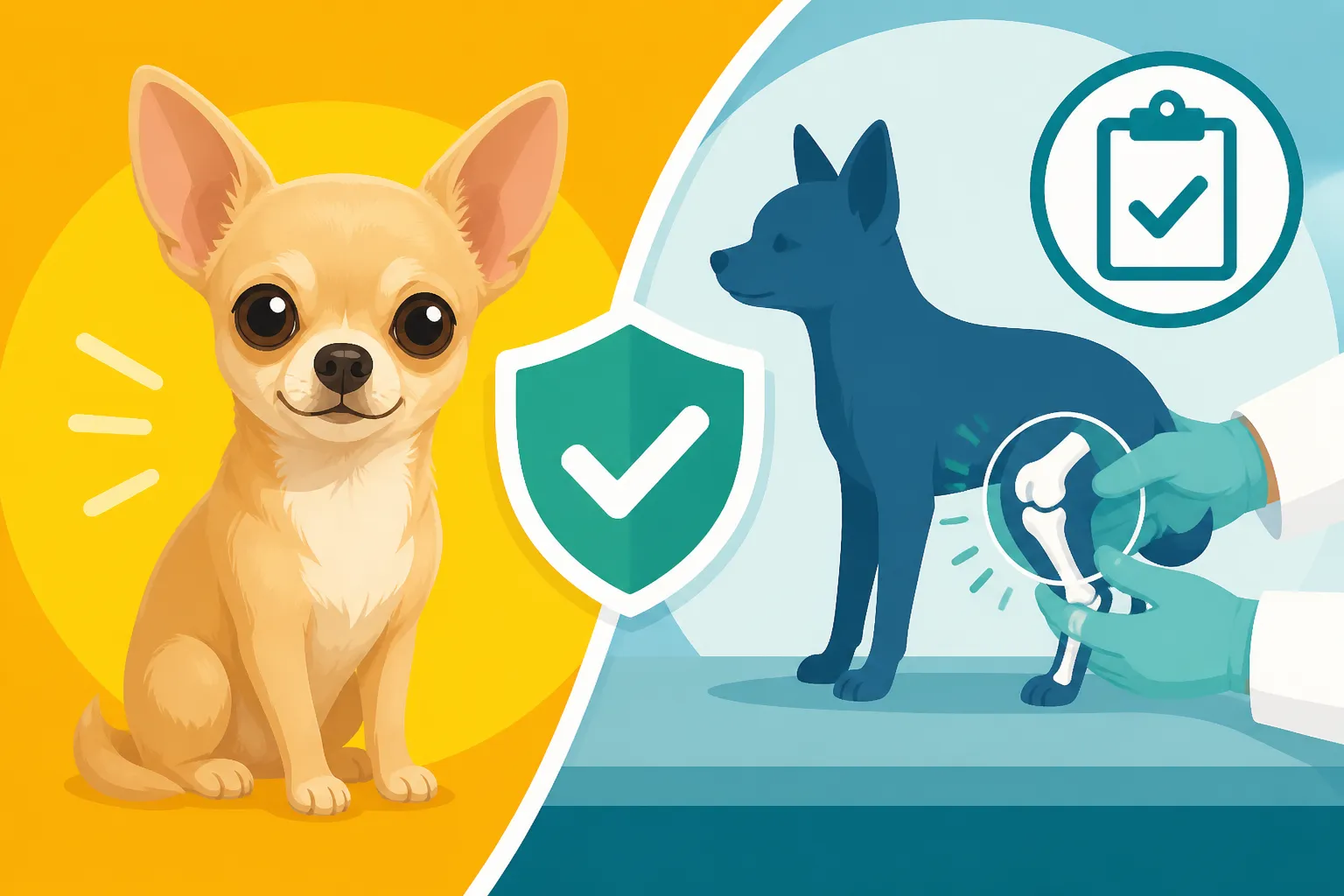
Enrolling a Chihuahua Before the First Knee Exam
It's a frustrating reality for so many Chihuahua parents: you adore your tiny companion, but you're also keenly aware of the breed's predispositions to certain health issues. One of the most common, and potentially costly, is patellar luxation, a fancy way of saying a slipping kneecap. The challenge isn't just treating it, but making sure your pet insurance actually covers it. This comprehensive guide will walk you through why enrolling your beloved Chihuahua in pet insurance before any hint of a knee issue is spotted by a vet is absolutely critical, and how to navigate the world of policies to protect your little one's health and your wallet.
The Looming Shadow of Patellar Luxation for Chihuahuas
If you've spent any time researching Chihuahuas, or perhaps already share your home with one, you've likely heard about patellar luxation. It’s not just a potential problem; it's practically a rite of passage for many of these tiny dynamos. This condition is far from rare in small breeds, and Chihuahuas, with their delicate bone structure and specific genetic predispositions, are particularly susceptible. Understanding what it means for your dog and for your finances is the first step toward proactive care.
What Patellar Luxation Means for a Chihuahua
At its core, patellar luxation is a condition where your Chihuahua’s kneecap, or patella, dislocates or slips out of its normal groove in the thigh bone (femur). It can slip either to the inside (medial luxation, most common) or to the outside (lateral luxation). This might sound minor, but imagine your own kneecap constantly shifting out of place as you walk – it's uncomfortable, painful, and can lead to more serious issues over time. For a Chihuahua, this can manifest as a sudden "skip" in their step, holding a leg up for a few seconds before putting weight on it again, or in more severe cases, persistent lameness. Over time, the constant rubbing and abnormal movement can lead to debilitating arthritis, chronic pain, and even damage to other parts of the knee joint. It's a progressive issue, meaning it tends to worsen without intervention. This common joint problem is truly a significant concern for the breed, and you can learn more about its nuances in our detailed article on Patellar Luxation, the Chihuahua's Commonest Joint Problem.
The grades of patellar luxation range from mild (Grade 1), where the kneecap slips out but easily pops back in, often unnoticed by the casual observer, to severe (Grade 4), where the kneecap is permanently dislocated, causing significant discomfort and impacting mobility. What makes it even more challenging is that it can affect one knee or, quite often, both knees. A Chihuahua might be born with the anatomical predisposition, but the actual slipping often doesn't start until they are a few months old, or even several years into their life. The subtle skipping gait can be easily dismissed by owners as "just how my dog walks," but these early signs are critical when it comes to insurance.
The Financial Burden of Knee Issues
When a Chihuahua starts showing signs of patellar luxation, the immediate concern shifts to diagnosis and treatment, and that's when the financial implications begin to mount. A trip to the vet will likely involve a thorough physical examination, potentially sedation to get a better feel of the joint, and X-rays to assess the severity and look for secondary changes like arthritis. These initial diagnostics alone can run into hundreds of dollars.
If the luxation is severe enough to warrant intervention, surgery is often the recommended course of action. This isn't a simple procedure; it involves reshaping the bone groove, tightening or loosening soft tissues, and potentially moving the attachment point of a tendon to keep the kneecap in place. Surgical costs for patellar luxation can be substantial, often ranging from $1,500 to $4,000 per knee, depending on your location, the veterinary specialist, and the complexity of the case. When you factor in post-operative care, pain medication, rehabilitation sessions, and potential follow-up visits, the total bill can quickly reach the upper end of that scale, or even higher, especially if both knees require surgery. You can read more about these expenses in our guide to Chihuahua Kneecap Surgery Costs. These aren't small sums for any household, and they highlight precisely why pet insurance becomes a critical safety net. Without it, many owners find themselves facing agonizing decisions about their beloved pet's quality of life versus their personal financial limits.
Understanding Pet Insurance and Pre-Existing Conditions
Navigating the world of pet insurance can feel like deciphering a foreign language, especially when terms like "pre-existing condition" come into play. For Chihuahua owners, understanding this particular clause is not just important; it's paramount to ensuring your dog gets the coverage they need, particularly for common ailments like patellar luxation. This seemingly innocuous term holds the key to whether your insurance policy will actually pay out when you need it most.
The Strict Definition of a Pre-Existing Condition
From an insurer's standpoint, a "pre-existing condition" is generally defined as any illness or injury that your pet showed signs of, or was diagnosed with, before your insurance policy's effective date or during the waiting periods. And here's the kicker: it doesn't even need to have been formally diagnosed by a veterinarian. If your vet's medical notes mention a subtle limp, a "loose kneecap," or a "skipping gait" during a routine check-up – even if no formal diagnosis of patellar luxation was made at that time – that can be enough for an insurance company to deem it pre-existing.
Imagine this scenario: you take your Chihuahua puppy in for its initial vaccinations. The vet does a quick once-over and notes "slight give in left patella" in the puppy's chart. A month later, you decide to get pet insurance. Two months after that, your Chihuahua starts consistently skipping on that left leg, and you take them back to the vet for a full work-up, leading to a Grade 2 patellar luxation diagnosis. Even though the official diagnosis came after you enrolled in insurance, the initial note in the vet's chart, made before or during your policy's waiting period, would likely cause the insurance company to deny coverage for that knee. This isn't about being dishonest; it's about the stringent way insurers interpret medical history. It's a tough pill to swallow, knowing that a fleeting observation can have such long-term financial consequences.
The Critical Importance of Waiting Periods
Beyond the initial effective date of your policy, pet insurance plans always include "waiting periods" – specific durations that must pass after you purchase the policy before certain coverages kick in. These are standard across the industry and vary by company and type of coverage. For example, most policies have a short waiting period for accidents (often 2-14 days) and a slightly longer one for illnesses (typically 14-30 days).
However, for orthopedic conditions like patellar luxation, many insurance providers impose much longer waiting periods. It's not uncommon to see orthopedic waiting periods ranging from six to twelve months, or even more. This extended timeframe is specifically designed to prevent people from signing up for insurance only after their pet has already started showing signs of a costly joint issue. If your Chihuahua shows any symptom of patellar luxation or receives a diagnosis during this lengthy orthopedic waiting period, even if it's the day after your policy officially begins, it will almost certainly be classified as a pre-existing condition and therefore excluded from coverage for the life of that policy. This is why the timing of enrollment is so critical; if you wait until you see that tell-tale skipping step, you might already be too late to secure coverage for that specific issue. The subtle sign of a The Skipping Step That Means a Chihuahua Knee can initiate this critical window.
The Strategic Advantage of Early Enrollment
Given the prevalence of patellar luxation in Chihuahuas and the strict rules surrounding pre-existing conditions and waiting periods, the single most powerful strategy for any Chihuahua owner is early enrollment in pet insurance. It's truly a race against time and veterinary observations, and the sooner you start, the better fortified you'll be against potential future health challenges and their associated costs.
Securing Coverage Before Symptoms Appear
The ideal scenario for pet insurance is to enroll your Chihuahua when they are a young puppy, or at least a young adult, and are completely healthy with no known medical issues. This means getting them signed up before their first full veterinary examination where potential orthopedic issues might be noted, and certainly before any symptoms, however subtle, begin to manifest. By doing so, if patellar luxation (or any other covered condition) does develop later in their life, it will be considered a new condition by the insurance company, assuming all waiting periods have been successfully passed without incident.
Think of it like this: you're essentially buying peace of mind for future unknowns. While a responsible Chihuahua breeder will conduct health screenings on parent dogs and provide preliminary health checks for puppies, subtle predispositions might not be apparent at eight or twelve weeks. Even the healthiest puppy from the best lines can develop issues. Ensuring your Chihuahua is covered from a young age means that if a genetic predisposition or a developmental issue like patellar luxation surfaces years down the line, you won't be left scrambling to cover thousands in surgical bills out of pocket. Many breeders are diligent about health clearances, and understanding The Health Tests a Chihuahua Breeder Should Run can give you confidence in your puppy's initial health, but insurance is still a wise safeguard.
Avoiding the "Watch and Wait" Trap
One of the biggest pitfalls for Chihuahua owners, especially concerning patellar luxation, is falling into the "watch and wait" trap. It's perfectly natural to observe your pet for a minor issue before rushing to the vet. You might notice a slight, intermittent skip in their step, or maybe they favor a leg for a moment after a burst of zoomies. Your initial thought might be, "Oh, it's nothing, they just overdid it," or "I'll keep an eye on it." This seemingly harmless approach can, unfortunately, be financially devastating when it comes to pet insurance.
If you observe these symptoms, and then take your Chihuahua to the vet, and the vet notes any observation related to a potential knee issue in their medical records – even if it's just a "possible mild patella luxation" or "intermittent lameness, advise monitoring" – that notation immediately creates a pre-existing condition. Even if you then rush home and sign up for pet insurance, that past vet visit, now documented, will be flagged. The insurance company will request all prior vet records when you file a claim, and they will meticulously review them. That initial, seemingly insignificant note could mean the difference between your policy covering 80-90% of a multi-thousand-dollar surgery and covering 0%. It's a harsh lesson many pet parents learn the hard way. Therefore, if you're considering insurance, the best time to act is before your dog sets paw in a vet's office for anything beyond their very first set of shots, if even that.
Choosing the Right Pet Insurance for Your Chihuahua
Once you understand the critical timing of enrollment, the next step is selecting an appropriate pet insurance policy. Not all policies are created equal, and what works for a Great Dane might not be the ideal fit for a tiny Chihuahua, especially given their specific breed predispositions. Making an informed choice now can save you significant stress and expense down the road.
Key Policy Features to Look For
When evaluating pet insurance policies for your Chihuahua, several key features deserve your close attention. First and foremost, you'll want comprehensive accident and illness coverage. This is the foundation that will cover patellar luxation surgery, medication, diagnostics, and other unforeseen medical events. Many plans also specifically cover hereditary and congenital conditions, which is crucial for Chihuahuas given their genetic propensity for issues like patellar luxation, as well as potential heart conditions like mitral valve disease. Ensure the policy doesn't have an exclusion for these types of conditions.
Next, consider the deductible, reimbursement rate, and annual limits. A lower deductible means you pay less out-of-pocket before your insurance kicks in. A higher reimbursement rate (e.g., 80% or 90%) means the insurer pays back a larger percentage of covered costs. And an annual limit indicates the maximum amount the policy will pay out in a year. For a breed that can live up to sixteen years, like a Chihuahua, multiple costly events can occur over a lifetime.
Another vital point for Chihuahuas is how the policy handles bilateral conditions. Patellar luxation often affects both knees. Some policies treat both knees as one condition if the first one was diagnosed and treated, while others might consider them two separate conditions. Understanding this nuance can significantly impact your potential payouts if both knees require surgery. Providers like Healthy Paws are often praised for their straightforward, comprehensive accident and illness plans, typically with high reimbursement rates and no per-incident limits, which can be advantageous for long-term or recurring conditions.
Comparing Providers and Understanding the Fine Print
Shopping for pet insurance means doing your homework. Don't just pick the first option you see. Gather quotes from multiple providers and, crucially, dive into the policy details beyond just the monthly premium. Read the terms and conditions carefully, paying close attention to the exclusions section. Are there specific breed exclusions? Are certain conditions, like patellar luxation, given a longer waiting period or special clauses? Some platforms, such as Chewy, allow you to easily compare different pet insurance options side-by-side, helping you weigh policy features against costs from various providers.
Look for transparency in how they define pre-existing conditions and how they handle medical records. Check their customer service reputation – you want a company that's easy to work with when you're already stressed about your pet's health. Consider whether they offer any wellness plans, which can help cover routine preventative care like annual exams, vaccinations, and dental cleanings – though remember these are typically add-ons and don't usually cover major illness or accident costs. While brands like Ollie focus primarily on delivering fresh, personalized dog food that supports overall health, good nutrition can play a role in maintaining a healthy weight and potentially reducing stress on joints, which in turn supports the long-term well-being that insurance protects. It's all part of a holistic approach to your Chihuahua's care.
When to Enroll: The Sooner, The Better
To reiterate the strongest advice: the absolute best time to enroll your Chihuahua in pet insurance is as soon as you bring them home, ideally before their first official vet check-up or at least before any potential symptoms of common breed-specific conditions like patellar luxation could even be noted. For puppies, this means enrolling them around 8-10 weeks of age. This strategy maximizes the chances that any health issue that arises later will be covered, provided you get through the waiting periods incident-free.
If you have an adult Chihuahua who hasn't been insured yet, and they currently show no signs of illness or injury, it's still worth enrolling them. While the risk of a pre-existing condition being flagged from past vet records increases with age, a healthy adult can still get comprehensive coverage for future, unforeseen issues. The older a dog gets, the higher the premiums, and the more likely they are to have something noted in their records that could be deemed pre-existing. So, whether you have a puppy or a young adult, the takeaway remains the same: don't delay. Every day you wait is another day a potential issue could arise, be noted in a vet chart, and jeopardize your ability to secure coverage.
Maximizing Your Chihuahua's Long-Term Health and Coverage
Pet insurance is a vital tool for managing unforeseen health costs, but it's just one piece of the puzzle. A truly comprehensive approach to your Chihuahua's well-being involves proactive veterinary care, diligent record-keeping, and a lifestyle that supports their unique needs. By combining these efforts, you not only improve your Chihuahua's quality of life but also streamline any future insurance claims.
Proactive Vet Care and Detailed Records
Regular veterinary check-ups are the cornerstone of your Chihuahua's health, even if they seem perfectly fine. These routine visits allow your vet to catch subtle changes early, provide preventative care, and maintain a consistent medical history. This history becomes incredibly important when dealing with pet insurance. Every visit, every observation, every test result is documented in your Chihuahua's medical file.
It's crucial to be open and honest with your vet about any concerns you have, no matter how minor they seem. If your Chihuahua occasionally skips a step or has a slight cough, mention it. However, the timing here is everything. If you have pet insurance, ensure you have successfully navigated all initial waiting periods before you start pointing out these minor quirks to your vet. Once those waiting periods are safely behind you, clear and detailed vet records are your best friend. They provide irrefutable evidence for your insurance company that a condition was not present or observed before your coverage started. Should you ever need to file a claim, well-maintained, chronological vet records that clearly show the onset and diagnosis of an illness after your policy's waiting periods are crucial for a smooth approval process. For a breed that can live Chihuahua Lifespan and Why the Breed Reaches Sixteen years, these records will accumulate and become incredibly valuable.
Nutritional and Lifestyle Support
While insurance covers treatment, a proactive lifestyle can significantly contribute to your Chihuahua's overall health and potentially delay or mitigate the severity of certain conditions. Good nutrition is paramount. A balanced diet appropriate for their size and activity level helps maintain an ideal body weight. Obesity is a huge strain on joints, exacerbating conditions like patellar luxation and contributing to other health issues like heart disease and diabetes. Feeding a high-quality, precisely portioned diet can make a huge difference. Brands like Ollie offer fresh, customized meal plans delivered right to your door, perfectly portioned for a small dog like a Chihuahua, ensuring they get all the necessary nutrients without overeating.
Beyond diet, appropriate exercise is key. While Chihuahuas are small, they still need daily activity. Short, regular walks and indoor playtime can keep their muscles strong, which provides better support for their joints. However, avoid excessive jumping off furniture or down stairs, as these can put undue stress on delicate kneecaps and backs. Providing ramps or steps for access to sofas and beds can protect their joints and prevent injuries over their lifetime. This is a critical aspect of care, as outlined in our article on Keeping a Chihuahua Off Furniture to Protect Knees. Regular, gentle exercise tailored to their size, coupled with a nutrient-rich diet, creates a strong foundation for a long, healthy life, allowing your insurance to be there for the truly unexpected, rather than issues compounded by preventable factors.
Understanding the Financial Mechanics of Pet Insurance
Beyond simply choosing a policy, it’s vital to understand how pet insurance actually works in practice, particularly the financial terms that determine how much you pay versus how much the insurer reimburses. Demystifying deductibles, reimbursement rates, and annual limits will empower you to make more confident decisions and manage your expectations when an unexpected vet bill arrives.
Deductibles, Reimbursement Rates, and Annual Limits
These three terms are the bedrock of most pet insurance policies and directly impact your out-of-pocket expenses:
- Deductible: This is the amount you, the policyholder, must pay yourself before your insurance company starts to reimburse you for covered veterinary expenses. Deductibles can range from $100 to $1,000 or more per year. For example, if you have a $250 deductible, you would pay the first $250 of your covered vet bills each policy year, and then your insurance would begin to pay its share. Some policies have a per-incident deductible, meaning you pay that amount for each new condition, while most modern policies use an annual deductible, which is usually preferable as you only pay it once a year regardless of how many different conditions arise.
- Reimbursement Rate: This is the percentage of the covered vet bill that your insurance company will pay back to you after you’ve met your deductible. Common reimbursement rates are 70%, 80%, or 90%. So, if your vet bill is $1,000, your deductible is $250, and your reimbursement rate is 80%, here’s how it works: you pay the $250 deductible, leaving $750. Your insurance company then pays 80% of that $750, which is $600. Your total out-of-pocket for that $1,000 bill would be $250 (deductible) + $150 (the 20% of the remaining $750) = $400.
- Annual Limit: This is the maximum amount your pet insurance policy will pay out in covered expenses within a single policy year. Limits can range from $5,000 to unlimited. For a long-lived breed like a Chihuahua, especially one prone to expensive conditions like patellar luxation or even Chihuahua Dental Bills as the Biggest Recurring Cost over its long life, an unlimited annual payout can offer significant peace of mind. A low annual limit could easily be reached with just one major surgery, leaving you to cover the rest.
Lifetime vs. Annual Conditions
When comparing policies, another crucial distinction to clarify is how they handle chronic or recurring conditions, sometimes referred to as "lifetime" versus "annual" limits for specific conditions. Some older or more restrictive policies might impose a lifetime limit on payouts for a particular condition. This means that once the insurer has paid out a certain amount (e.g., $5,000) for your Chihuahua's patellar luxation, they will never cover any further expenses related to that specific knee problem, even if it flares up again years later.
Conversely, most comprehensive modern policies will reset their annual limits each year. This is highly beneficial for chronic conditions, such as arthritis that develops from a repaired patellar luxation, or ongoing management for heart disease, which can be common in senior Chihuahuas. With an annual reset, as long as you renew your policy, the coverage for that chronic condition continues year after year, up to the annual limit. This is paramount for a breed like the Chihuahua, which can easily live into its teenage years, facing potential health issues like Chihuahua Arthritis in the Teenage Years or Senior Chihuahua Care Past the Age of Twelve that require ongoing management. Understanding this difference can literally mean tens of thousands of dollars in covered care over your Chihuahua's long life.
Here's a quick comparison of common pet insurance terms:
| Feature/Term | Description | Impact on Chihuahua Owners (Example: Patellar Luxation) |
|---|---|---|
| Deductible | Amount you pay before insurance kicks in (usually annual). | Choose a manageable amount ($250-$500) that you're comfortable paying once a year for potential vet bills, like diagnostics for a limping Chihuahua. |
| Reimbursement Rate | Percentage of covered costs the insurer pays back (e.g., 80%, 90%). | Higher rate means less out-of-pocket. For a $3,000 knee surgery, 90% vs. 70% can save you hundreds of dollars after deductible. |
| Annual Limit | Maximum amount the policy will pay in a year (e.g., $5,000, $10,000, unlimited). | With patellar luxation surgery potentially costing $3,000-$4,000 per knee, an unlimited or high annual limit is vital, especially if both knees are affected. |
| Pre-Existing Condition | Any illness/injury noted/diagnosed before policy start or during waiting periods. | CRITICAL: Any sign of a "skipping step" before enrollment means no coverage for that knee. Enroll early. |
| Waiting Periods | Time you must wait after enrollment before coverage begins (accidents, illnesses, orthopedic). | Watch for long orthopedic waiting periods (6-12 months). Any issue noted during this time will be pre-existing. |
| Bilateral Conditions | How policies treat conditions affecting paired organs (e.g., both knees). | Some policies treat both knees as one condition if the first was diagnosed; clarify this. Crucial for Chihuahuas prone to bilateral patellar luxation. |
| Hereditary/Congenital Coverage | Covers conditions passed genetically or present from birth. | Essential for Chihuahuas due to genetic predispositions for patellar luxation and other breed-specific health issues like heart murmurs. |
Ultimately, enrolling your Chihuahua in pet insurance before any hint of a knee issue is the smartest move you can make. It protects your finances, ensures your dog can receive the best possible care without compromise, and allows you to enjoy their boundless love and personality for many, many years to come. Early enrollment is the key to unlocking true peace of mind.
Disclaimer
This article is for general informational purposes only and does not constitute professional advice. Laws, prices and regulations vary by location and change over time. Consult a qualified professional for guidance on your specific situation.