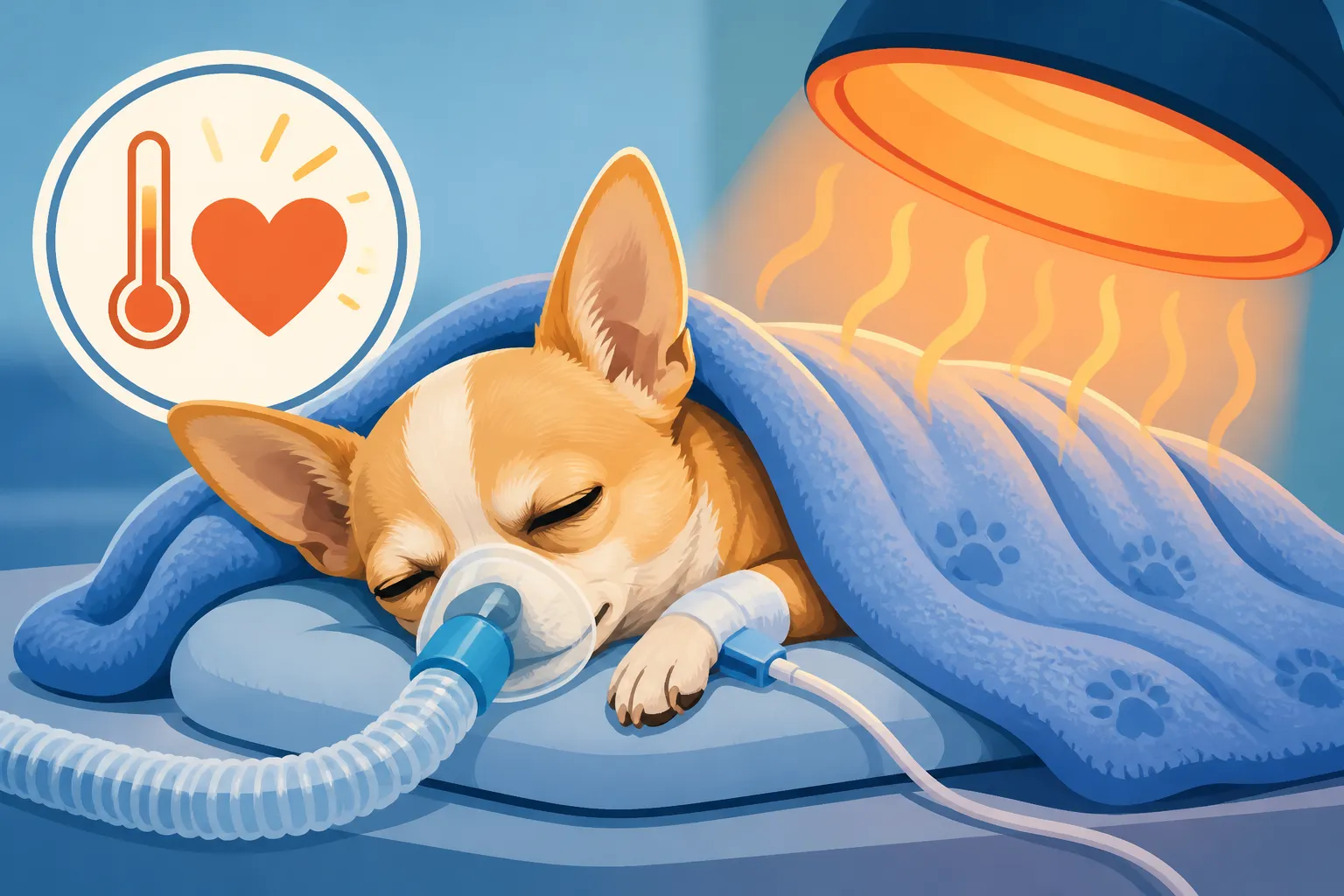
Warming a Chihuahua Through an Anesthetic
It’s a terrifying moment for any Chihuahua owner: hearing your tiny companion needs anesthesia for a dental cleaning, a knee repair, or even a minor procedure. The biggest fear often isn't the surgery itself, but the recovery, particularly keeping your little one warm. Chihuahuas, with their diminutive size, are incredibly susceptible to hypothermia during and after anesthesia, a risk that can lead to serious complications. This comprehensive guide will walk you through exactly why this happens, the proactive measures veterinary teams take to maintain their warmth, and crucial questions you should ask to ensure your beloved Chihuahua stays safe and snug throughout their anesthetic journey.
Why Chihuahuas Get Cold So Easily Under Anesthesia
You know how your Chihuahua seems to be perpetually cold, burrowing under blankets even on a mild day? That natural predisposition to shiver and seek warmth becomes a critical challenge when they go under anesthesia. Their unique physiology, combined with the effects of medication, makes them incredibly vulnerable to a dangerous drop in body temperature. It's not just an inconvenience; it's a significant health concern that veterinarians actively work to prevent.
The Impact of Their Tiny Size and Surface Area
Think about it: a Chihuahua might only weigh between two and six pounds, a fraction of a larger dog's weight. This tiny stature means they have a disproportionately large surface area relative to their body volume. Imagine a hot potato versus a handful of hot peas – which cools down faster? The peas, because they have more surface exposed to the cold air compared to their internal mass. Chihuahuas are like those hot peas. Their vast skin surface allows heat to escape rapidly into the cooler ambient environment of a surgical suite, even one that feels comfortable to a human.
Compounding this is their naturally lean body composition. Unlike a sturdy Labrador with a thick layer of insulating fat, Chihuahuas typically have minimal body fat. This lack of natural insulation means there's less tissue to hold onto warmth. They just don't have the biological buffer to protect against heat loss that larger, more robust breeds do. This is a key reason why you see them shivering even when they're healthy and alert, and it becomes even more pronounced when their body's natural regulatory systems are compromised by medication. If you've ever wondered Why a Chihuahua Has Almost No Body Fat, it's because their small stature doesn't require extensive insulation, but it leaves them vulnerable in specific situations like this.
How Anesthetic Drugs Affect Body Temperature Regulation
Anesthesia isn't just about making your Chihuahua sleep through a procedure; it profoundly impacts their entire system, including the very mechanism that keeps them warm. The primary effect is on the hypothalamus, often called the body's thermostat, located in the brain. Anesthetic agents, regardless of whether they are injectable or inhaled, suppress the hypothalamus's ability to sense and respond to changes in core body temperature. This means their body can't automatically trigger warming responses like shivering or constricting blood vessels.
Furthermore, many anesthetic drugs cause vasodilation, which means the blood vessels close to the skin's surface widen. While this can be beneficial in some medical contexts, in the context of maintaining warmth, it's counterproductive. Dilated blood vessels bring more warm blood closer to the skin, where the heat then dissipates rapidly into the colder air. It’s like opening a window on a cold day; the warm air rushes out. The suppression of the shivering reflex, a crucial involuntary response to cold, also means the Chihuahua’s muscles can’t generate heat. Normally, a shivering dog is creating internal warmth, but under anesthesia, this essential mechanism is shut down. This combined assault on their natural thermoregulation makes vigilant external warming absolutely non-negotiable for their safety.
Veterinary Strategies for Maintaining a Chihuahua's Core Temperature
Understanding the challenges is one thing; overcoming them is another. Thankfully, modern veterinary medicine employs a sophisticated array of techniques specifically designed to combat hypothermia in tiny patients like Chihuahuas. These methods are carefully chosen and often used in combination to ensure your dog’s temperature remains stable from the moment they receive their pre-medication until they are fully recovered and cozy.
Active Warming Techniques
Active warming involves directly introducing heat to the patient's body. These aren't just feel-good measures; they are critical medical interventions. One of the most common and effective tools is the forced-air warming blanket system, often known by its prominent brand name (like Bair Hugger, though many types exist). These devices consist of a blanket with small perforations, connected to a unit that blows warm air through it. The blanket is placed over or under the Chihuahua during the procedure, providing a constant, regulated flow of warmth to their skin, preventing heat loss and actively raising their core temperature.
Another excellent method involves circulating warm water blankets. These blankets have tiny tubes through which warm water continuously flows, providing a gentle, consistent warmth that avoids direct skin contact with excessive heat. For internal warming, veterinarians often administer warmed intravenous (IV) fluids. The fluids are passed through a warming device before entering the Chihuahua's bloodstream, helping to warm them from the inside out. This is particularly important because cold IV fluids can actually decrease core body temperature if not warmed. Additionally, a vet tech might use warm surgical scrubs or towels, fresh from a warmer, to wrap around extremities or parts of the body not directly involved in the surgery, adding an extra layer of warmth and insulation. These measures are often combined to create a "warm zone" around your Chihuahua.
Passive Warming and Monitoring
Beyond active heat sources, passive warming techniques are equally important. These strategies focus on preventing heat loss and maintaining the warmth that’s already there. Before anesthesia even begins, your Chihuahua might be wrapped in insulating covers, like thick towels or even bubble wrap (which acts as an excellent insulator due to trapped air), to help them retain body heat. This proactive approach continues into recovery, where a cozy, warm space filled with blankets is essential. If you want to know more about Warming a Chihuahua Straight After a Bath, many of the same principles of wrapping and gentle warming apply to post-anesthesia care.
The cornerstone of all warming efforts, however, is continuous temperature monitoring. A rectal temperature probe is typically inserted during anesthesia to provide real-time feedback on your Chihuahua’s core body temperature. This allows the veterinary team to adjust warming protocols instantly if they notice any significant drops. Without this constant monitoring, even the best warming equipment can’t guarantee safety. The ambient temperature of the surgical suite and recovery areas is also carefully controlled to be warmer than a typical room, minimizing the environmental pull of heat from your tiny dog. Many clinics strive to keep their surgical suites comfortably warm for the patient, not just the staff.
Here’s a quick overview of common warming methods:
| Method | Type | How It Works | Benefits |
|---|---|---|---|
| Forced-Air Warming | Active | Warm air blown through a specialized blanket. | Direct, consistent heat application; highly effective for maintaining core temperature. |
| Circulating Warm Water | Active | Warm water circulated through a padded mat placed under the patient. | Gentle, even heat distribution; less risk of direct skin burns; good for long procedures. |
| Warmed IV Fluids | Active | Intravenous fluids are heated before administration. | Warms the patient from the inside; essential to prevent chilling from cold fluids. |
| Insulating Covers | Passive | Blankets, towels, or bubble wrap wrapped around the patient. | Prevents radiant and convective heat loss; useful before, during, and after procedures. |
| Temperature Probes | Monitoring | Rectal probe provides continuous core body temperature readings. | Essential for real-time assessment and adjustment of warming strategies. Allows for immediate intervention. |
| Warm Room Temperature | Passive | Maintaining a higher ambient temperature in surgical/recovery areas. | Reduces environmental heat sink; complements other warming methods. |
Owner Concerns and Pre-Anesthetic Discussions
It's completely normal to feel anxious when your small dog needs anesthesia. Your Chihuahua is family, and you want to be sure every precaution is taken. The best way to ease your mind is through open and thorough communication with your veterinary team. Don't hesitate to ask questions; they understand your concerns and are there to provide reassurance and information.
Questions to Ask Your Veterinary Team
Before the day of the procedure, schedule a time to talk with your vet or a certified veterinary technician about their anesthetic protocols, specifically concerning warmth. Here are some key questions to ask:
- "What specific active warming methods do you use for Chihuahuas during anesthesia?" Listen for mention of forced-air blankets, warm water blankets, or warmed IV fluids. It's a sign of a clinic that takes toy breed safety seriously.
- "How do you monitor my Chihuahua's temperature during the procedure, and how often?" The answer should involve continuous monitoring with a rectal probe, not just intermittent checks.
- "What is your protocol for recovery from anesthesia, particularly regarding warmth?" They should describe a plan for a warm, quiet recovery area, and possibly continued warming measures until your dog is fully awake and stable. You want to ensure they don't just "wake up" in a cold kennel.
- "What pre-anesthetic testing do you recommend?" While not directly about warmth, this shows they are assessing your Chihuahua's overall health, which impacts anesthetic risk. Pre-anesthetic bloodwork can sometimes reveal underlying issues that might affect how they handle anesthesia, and you can learn more about this by asking about Pre-Anesthetic Bloodwork Costs for a Chihuahua. If your Chihuahua is a senior, perhaps over the age of twelve, asking about Senior Chihuahua Care Past the Age of Twelve can also bring up additional considerations for their overall health during such a procedure.
Don’t be afraid to voice your specific worries. If you’re concerned about Anesthesia Risk During a Chihuahua Dental due to their age or a heart murmur, bring it up. A good veterinary team will appreciate your engagement and provide detailed, reassuring answers.
What You Can Do Before and After the Procedure
While the bulk of the responsibility for maintaining warmth lies with the veterinary team, there are things you, as the owner, can do to help prepare and ensure a smooth recovery. Before the procedure, follow all pre-anesthetic instructions carefully, especially regarding food and water. Ensuring your Chihuahua is adequately hydrated (unless otherwise instructed) can indirectly help with thermoregulation.
When you drop your Chihuahua off, consider bringing a small, familiar blanket or their favorite bed, freshly laundered, for them to recover in. The scent of home can be comforting, and the extra insulation is always a plus. Ask if it’s okay for them to have it in recovery. After the procedure, once your Chihuahua is safely home, create a warm, quiet, and cozy recovery space. This means a comfortable bed, perhaps even a heated bed on a low setting (ensure it's designed for pets and used safely), and plenty of soft blankets for burrowing. Remember how they instinctively seek warmth? Let them do it! If you’ve ever noticed Why a Chihuahua Shivers Indoors, you’ll know they’re always seeking that extra bit of warmth, and post-anesthesia is no different. You might even consider discussing with your vet how to best achieve appropriate indoor temperatures, aligning with advice on Setting a Thermostat Around a Chihuahua.
Watch for signs of hypothermia post-op, which can include prolonged shivering, lethargy, cold ears or paws, or a lack of interest in food. If you see these, contact your vet immediately. Also, keep in mind that unexpected veterinary bills can quickly add up, especially with small breeds that require specialized care. Companies like Healthy Paws offer pet insurance plans that can help cover a significant portion of these costs, giving you peace of mind during emergencies or planned procedures. Understanding your policy with providers like Healthy Paws before any major procedure can alleviate financial stress, allowing you to focus on your Chihuahua's well-being. Keeping a close eye on their behavior, ensuring they are eating small, frequent meals as recommended to prevent Chihuahua Hypoglycemia and the Puppy Emergency, and making sure their environment is warm will contribute immensely to their recovery.
Ultimately, vigilance and communication are your best tools. Knowing what to expect and what questions to ask empowers you to be the best advocate for your small but mighty Chihuahua.
Disclaimer
This article is for general informational purposes only and does not constitute professional advice. Laws, prices and regulations vary by location and change over time. Consult a qualified professional for guidance on your specific situation.