How Often a Chihuahua Puppy Must Eat
Bringing home a new Chihuahua puppy is incredibly exciting, but it also comes with a unique set of worries, especially around feeding. These tiny bundles of joy have incredibly fast metabolisms and almost no fat reserves, making them highly susceptible to a sudden drop in blood sugar, known as hypoglycemia. This guide will walk you through exactly how often your Chihuahua puppy needs to eat to stay healthy and thriving, helping you avoid those scary emergency trips to the vet.
The Critical Need for Frequent Meals in Chihuahua Puppies
It’s easy to look at a Chihuahua puppy, barely fitting in the palm of your hand, and forget just how delicate their internal systems are compared to a larger breed puppy. Their small size isn't just about being adorable; it dictates much of their fundamental care, particularly when it comes to nutrition. The biggest concern for any new Chihuahua puppy parent is the risk of hypoglycemia, a condition where their blood sugar levels plummet to dangerous lows.
Why Small Size Equals Big Risk for Hypoglycemia
Imagine a tiny engine running at top speed all the time. That's essentially your Chihuahua puppy. Their metabolic rate is incredibly high, burning through calories and glucose much faster than a larger dog. Couple this with their minimal body fat stores—there's simply not much in the way of reserves to fall back on if they miss a meal or expend too much energy. This is precisely why a Chihuahua Runs Out of Blood Sugar So Fast. They don't have the physiological buffer to go long periods without food.
What this means for you, the devoted owner, is that regular, frequent meals aren't just a suggestion; they are a vital line of defense against a serious health crisis. Even a few hours without food can lead to a noticeable drop in energy, and if left unchecked, can quickly escalate to weakness, confusion, and even seizures. It's a terrifying prospect, but one that can largely be prevented with a diligent feeding schedule. Understanding Chihuahua Hypoglycemia and the Puppy Emergency is paramount for any owner.
The Role of Stress and Cold in Sugar Crashes
Beyond just missing meals, other factors can exacerbate a Chihuahua puppy's susceptibility to hypoglycemia. Stress, even mild stress from a new environment or an overly boisterous play session, can cause their little bodies to burn through glucose even more rapidly. Think about how you feel after a stressful day – often ravenous! For a tiny puppy, this caloric demand is immediate and critical.
Similarly, cold temperatures are a significant danger. Chihuahuas, especially puppies, have very little body fat to insulate them, and they can lose body heat rapidly. When a puppy gets cold, their body expends extra energy just to maintain core temperature, further depleting their already limited glucose reserves. This is why you'll often see them trembling when they're cold, a clear sign their body is working hard. A cold, stressed, or hungry Chihuahua puppy is a prime candidate for a sugar crash. Keeping them warm, calm, and well-fed is a trifecta of preventative care.
Establishing a Consistent Feeding Schedule for Your Tiny Companion
When you bring your Chihuahua puppy home, establishing a consistent and frequent feeding schedule is perhaps the most important thing you can do for their health and well-being. This isn't just about filling their belly; it's about regulating their blood sugar and giving them the consistent energy they need to grow, learn, and explore.
Feeding Schedules by Age: From Eight Weeks Onward
The youngest Chihuahua puppies, typically around 8 to 12 weeks old when they come home, are the most vulnerable and require the most frequent meals. Think of them as tiny infants who need constant nourishment.
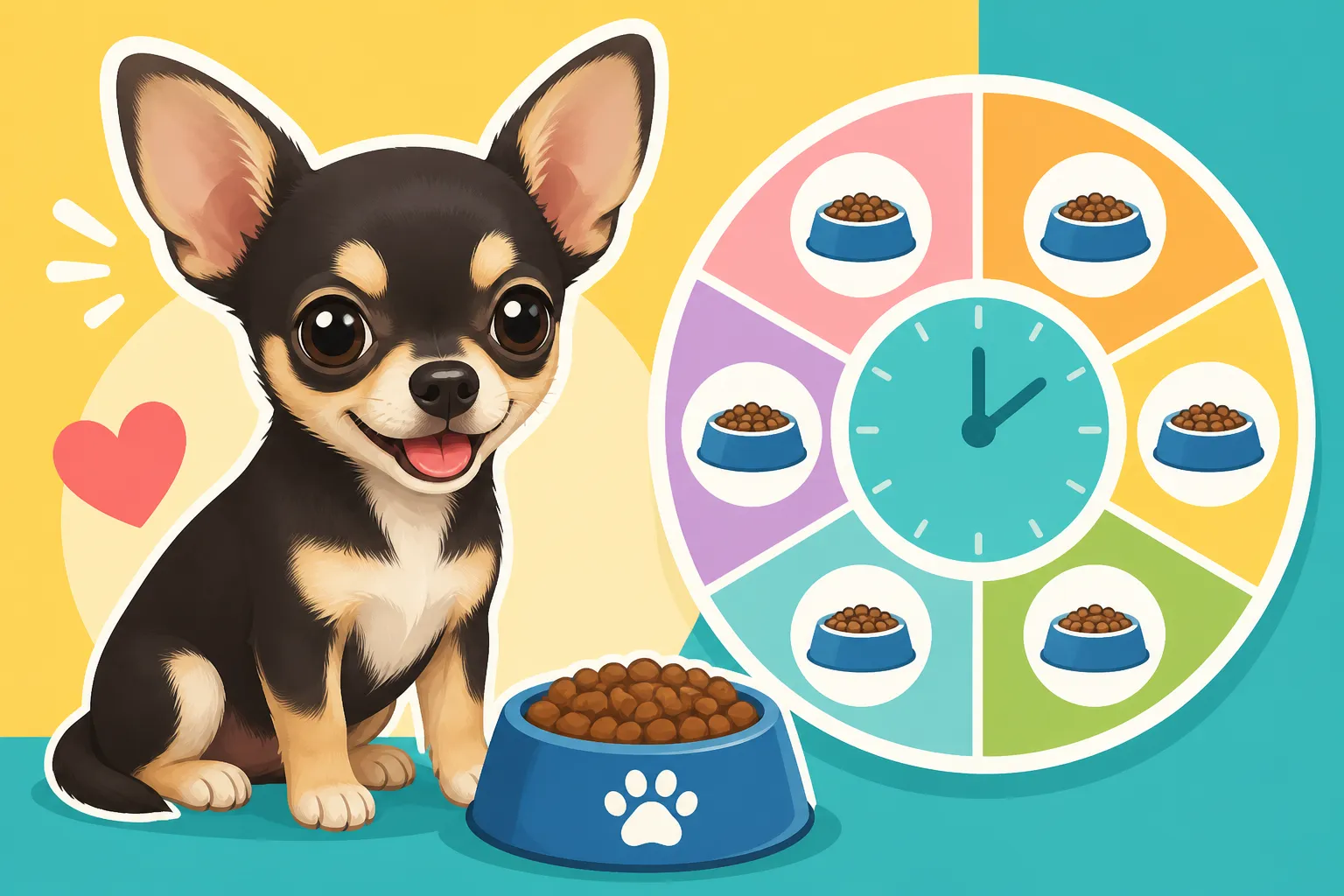
- 8 to 12 Weeks Old: At this stage, your puppy will ideally need to eat four to five small meals a day, spaced out relatively evenly. For example, if your puppy is awake for 16 hours, that means a meal every 3 to 4 hours. Many breeders will send their puppies home with a very specific feeding schedule, often including a late-night or very early-morning feeding. This sounds like a lot, and it is! But it’s crucial for stabilizing their blood sugar. Always make sure their last meal is as close to bedtime as possible, and if they're particularly small or prone to wobbles, a very early morning meal might even be necessary before you're fully awake yourself. Remember, Feeding a Chihuahua Puppy Every Few Hours is non-negotiable at this age.
- 12 Weeks to 6 Months Old: As your puppy grows a little, their metabolism, while still speedy, begins to stabilize slightly. You can generally reduce the frequency to three to four meals a day. This might mean meals at breakfast, lunch, dinner, and a small snack or fourth meal mid-afternoon or late evening. The goal is still consistent energy and avoiding long stretches without food.
- 6 Months to 1 Year Old: By six months, many Chihuahuas can transition to three meals a day. This often aligns with a typical human meal schedule: breakfast, lunch, and dinner. Some smaller or more active Chihuahuas might still benefit from a small snack between meals or a fourth small meal, but for many, three solid meals will suffice. The key is to monitor their energy levels closely. This is around The Month a Chihuahua Moves to Adult Food, but consult your vet for precise timing based on their growth.
Remember, every puppy is an individual. A very active puppy might need slightly more frequent small meals, while a calmer one might be fine with the standard. The table below offers a general guideline, but always observe your individual puppy.
| Age Range | Meals Per Day | Typical Interval (Approx.) | Important Notes |
|---|---|---|---|
| 8-12 Weeks Old | 4-5 | 3-4 hours | Most critical period for hypoglycemia prevention. |
| 12 Weeks to 6 Months Old | 3-4 | 4-5 hours | Metabolism still fast; monitor closely. |
| 6 Months to 1 Year Old | 3 | 6-7 hours | Many can handle this; adjust for individual needs. |
| 1 Year + (Adult) | 2 | 8-12 hours | Maintenance feeding for healthy adult Chihuahuas. |
The Importance of Portioned Meals Over Free-Feeding
You might think that leaving food out all day (free-feeding) would be the easiest way to prevent hypoglycemia. After all, if the food is always there, they can just eat when they need to, right? Unfortunately, this approach is problematic for several reasons, especially for Chihuahuas.
First, free-feeding can quickly lead to overeating and obesity. Chihuahuas are small, and even a tiny bit of extra weight can put strain on their delicate joints and organs. Obesity also increases the risk of other health issues, which you certainly want to avoid for a breed already prone to conditions like Chihuahua Dental Disease in a Crowded Small Jaw. Second, free-feeding makes it impossible to monitor your puppy's actual food intake. If they suddenly stop eating, you might not notice for hours, which can be critical if they're on the verge of a sugar crash. By portioning meals, you know exactly how much they're consuming and can quickly spot any changes in appetite. This is why a Chihuahua Should Never Graze All Day.
Third, free-feeding can contribute to picky eating habits and make house training more difficult. When food is always available, it loses its value. Scheduled meals create anticipation and make training rewards more impactful. It also helps regulate their potty schedule, as what goes in on a schedule, often comes out on a schedule. This can be a huge help when you're trying to figure out How Many Weeks Chihuahua Potty Training Takes.
Recognizing Hunger Cues and Adapting Your Puppy's Diet
Even with the best schedule in place, your Chihuahua puppy might occasionally need an adjustment, or you might spot signs that they need food sooner than planned. Learning to read your puppy's subtle cues is vital, especially given their vulnerability to blood sugar drops.
Spotting the Early Signs of Low Blood Sugar
Chihuahua puppies can go from seemingly fine to concerningly weak very quickly. It's crucial to know the early signs of hypoglycemia so you can intervene before it becomes an emergency. Look out for:
- Lethargy or unusual quietness: A puppy that's normally active suddenly becoming still or unresponsive. They might just seem "off."
- Trembling or Shivering: While Chihuahuas are known for trembling, excessive or new trembling, especially when not cold or scared, can be a red flag.
- Weakness or uncoordinated movement: They might stumble, have difficulty standing, or seem "drunk." Their legs might give out.
- Lack of interest in food or water: This can be confusing, as lack of appetite causes hypoglycemia, but also occurs during it.
- Dazed or confused expression: They might stare blankly or seem disoriented.
- Pale gums: Their gums might look paler than their usual healthy pink.
If you see any of these signs, don't wait. Offer a small amount of their regular food immediately. If they refuse, or if the symptoms are severe, you'll need to administer an emergency sugar source. This is where knowing about Emergency Sugar for a Collapsing Chihuahua Puppy comes in handy. Keep a product like Nutri-Cal or even corn syrup on hand for such situations. Gently rub a small amount on their gums. If there's no improvement within a few minutes, or if they worsen, it's time for an emergency vet visit. Having pet insurance, like a plan from Healthy Paws, can be a huge relief in these stressful, unexpected moments, covering a significant portion of those urgent care costs.
Adjusting Meals for Growth Spurts, Activity, and Stress
Your Chihuahua puppy isn't a static creature; they're growing and developing rapidly, and their caloric needs will fluctuate. What works one week might need a tweak the next.
- Growth Spurts: Puppies, like human children, have growth spurts where their appetite seems insatiable. During these times, they might genuinely need a little extra food at each meal, or you might find adding a fifth small meal back into the schedule for a few days can help. Don't just increase portion sizes drastically without consulting your vet, but be responsive to their obvious hunger cues.
- Increased Activity: Did you just have a particularly long play session at the park (safely, of course, with other small dogs)? Or maybe a fun day of training? Extra activity means extra calories burned. Consider a tiny snack after an unusually active period to replenish their energy stores. This is especially true if you have a very energetic puppy that never seems to stop moving.
- Stressful Events: A vet visit, a car ride, visitors to the house, or even a sudden change in weather can be stressful for a sensitive Chihuahua puppy. As discussed, stress burns glucose. If your puppy has had a particularly stressful day, offer a small, appealing meal or treat to help them recover and prevent a sugar crash. Knowing when to proactively offer food can make a world of difference.
It's a delicate balance, and it takes time to learn your puppy's individual rhythm. Don't be afraid to keep a log of their eating, activity, and any signs of lethargy, especially in the first few weeks. This data can be invaluable for you and your veterinarian.
Transitioning to Fewer Meals and Long-Term Nutritional Health
As your Chihuahua puppy matures, their frenetic metabolism will start to slow down slightly, and their ability to regulate blood sugar will improve. This means you can gradually reduce the frequency of their meals, eventually settling into an adult feeding routine.
Gradual Reduction in Meal Frequency
The transition from multiple puppy meals to fewer adult meals should always be gradual. Rushing it can still trigger low blood sugar episodes.
- From Four to Three Meals: When your puppy is around 4-6 months old, you can typically start to drop one meal, moving from four to three meals a day. Instead of just cutting out a meal entirely, you might slightly increase the portion size of the remaining three meals, ensuring the total daily caloric intake remains appropriate for their growing body. Observe your puppy closely for any signs of hunger or low energy between these new, longer intervals. If they seem ravenous or lethargic, you might need to reintroduce the fourth meal for a little longer or provide a small, healthy snack.
- From Three to Two Meals: Most Chihuahuas can transition to two meals a day once they reach around 9-12 months of age, or when they are considered an adult. Again, this should be a slow process. Start by slightly increasing the size of two main meals (morning and evening) while phasing out the mid-day meal. Watch for any signs of distress. Some Chihuahuas, particularly very tiny ones or those with specific health needs, may do better on three smaller meals a day even as adults. There’s no hard and fast rule, and your vet's guidance is invaluable here, especially when considering the nuances like What a Chihuahua Puppy Weighs at Twelve Weeks, which can indicate their mature size.
The goal is to find a routine that keeps your Chihuahua energized and at a healthy weight without causing spikes and crashes in their blood sugar. Regular vet check-ups are key to ensuring their nutritional needs are being met at each stage of development. If your puppy has any underlying health concerns, discussing their feeding schedule with your vet is even more important.
The Importance of High-Quality Puppy Food and Treats
The type of food you feed your Chihuahua puppy is just as important as how often. High-quality puppy food specifically formulated for small breeds provides the concentrated nutrition they need in small, digestible portions. Look for foods with good quality protein as the first ingredient and balanced fats and carbohydrates. Brands like Royal Canin or Hill's Science Diet often offer specific small-breed puppy formulas that are widely recommended by veterinarians.
When it comes to treats, remember your Chihuahua's tiny calorie budget. Treats should be small, easily digestible, and only make up a tiny percentage of their daily caloric intake. Breaking larger treats into pea-sized pieces is a great strategy. For teething puppies, a frozen, small-breed-appropriate chew can offer relief without excessive calories, but always supervise to prevent choking hazards. Read more about Frozen Chews for a Teething Chihuahua for safe options.
Ultimately, your Chihuahua puppy's feeding schedule is a dynamic thing that will evolve as they grow. Be patient, be observant, and don't hesitate to reach out to your veterinarian with any concerns. A well-fed puppy is a happy, healthy puppy, ready to shower you with years of love and companionship. And for those times when unexpected health issues arise, having a robust pet insurance plan, like one offered by Healthy Paws, can provide invaluable financial peace of mind, allowing you to focus on your beloved companion's recovery.
Disclaimer
This article is intended for informational purposes only and does not constitute veterinary advice. Always consult with a qualified veterinarian for any health concerns or before making any decisions about your pet's medical care or diet. Individual needs may vary.