Why Chihuahuas Lose Teeth Younger Than Big Dogs
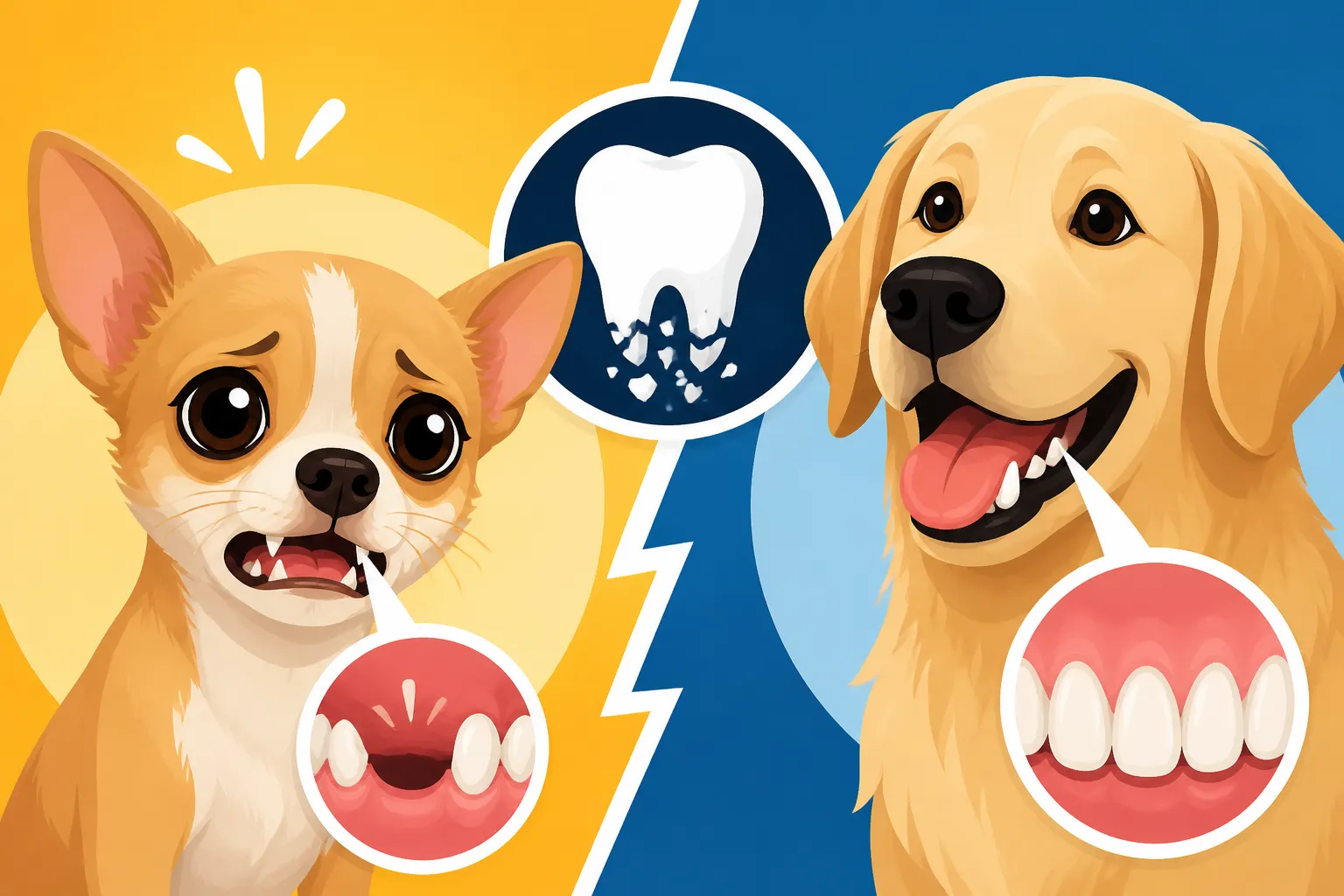
It's incredibly disheartening and often perplexing for Chihuahua owners to watch their tiny companions develop severe dental problems, sometimes losing teeth at an age when larger dogs are just starting to show a bit of tartar. You see your little one, no bigger than a loaf of bread, and wonder why their mouth seems to fail them so much sooner than, say, a Labrador's. This comprehensive guide will dive deep into the specific reasons why Chihuahuas are predisposed to early tooth loss, offering clarity and actionable insights to help you navigate this common health challenge.
The Unique Anatomy of a Chihuahua's Mouth
One of the most significant factors contributing to early tooth loss in Chihuahuas isn't about diet or care (though those play a huge role too!), but simply the way they're built. Their adorable, compact skulls come with a hidden challenge: a mouth that's often too small for the standard set of canine teeth.
Jaw Crowding and Dental Malocclusion
Imagine fitting 42 adult teeth – the same number a Labrador has – into a jaw that's perhaps a quarter of the size. That's essentially the predicament many Chihuahuas face. Their tiny skulls and relatively short muzzles mean that the space available for teeth is severely limited. This often results in extreme dental crowding, where teeth are forced to grow in at odd angles, rotate, or even overlap each other.
This crowding isn't just an aesthetic issue; it creates a perfect storm for dental disease. When teeth are packed so tightly, it becomes incredibly difficult for the natural self-cleaning mechanisms of the mouth, or even a toothbrush, to reach all surfaces. Food particles and bacteria get trapped in those tight spaces, forming plaque that quickly hardens into tartar. These crevices become ideal hiding spots for anaerobic bacteria, the primary culprits behind gum disease. The constant irritation and bacterial load in these inaccessible areas mean that the battle against dental disease is often lost before it even begins for many Chihuahuas.
Retained Deciduous Teeth
Another anatomical quirk that significantly impacts a Chihuahua's dental health is the high prevalence of retained deciduous teeth, more commonly known as retained puppy teeth or baby teeth. In most dog breeds, the adult teeth naturally push out the baby teeth as they erupt, a process usually completed by six months of age. For Chihuahuas, however, this doesn't always happen smoothly. It's incredibly common to see a young Chihuahua with both its adult canine teeth and its long, needle-sharp puppy canine teeth still present, leading to the peculiar sight of "two rows of teeth."
These retained baby teeth are problematic for several reasons. Firstly, they further exacerbate the crowding issue, taking up valuable space that the adult teeth need to align correctly. Secondly, the presence of both adult and baby teeth creates additional narrow gaps and surfaces where food, plaque, and tartar can accumulate with alarming speed. These areas are almost impossible to clean effectively, even with diligent brushing. This constant accumulation of bacteria and debris directly accelerates the onset and progression of periodontal disease, often requiring professional intervention, including extractions, at a much younger age than typically seen in larger breeds. Addressing Chihuahua Tooth Crowding and Retained Baby Teeth is often one of the first major dental challenges owners face.
The Rapid Buildup of Plaque and Tartar
Beyond the structural issues, Chihuahuas often contend with a faster rate of plaque and tartar accumulation, making daily dental care not just important, but absolutely critical for these little dogs.
Saliva Chemistry and Bacterial Environment
While research is ongoing, some veterinary experts suggest that the unique oral environment of smaller breeds, including Chihuahuas, might contribute to a more rapid mineralization of plaque into tartar. It's not fully understood if there's a specific "Chihuahua saliva chemistry" at play, but the combination of crowded teeth, increased surface area for bacterial adhesion, and potentially different salivary pH or enzyme composition could create conditions more conducive to plaque hardening quickly.
The sheer density of bacteria thriving in the warm, moist, food-rich environment of a Chihuahua's crowded mouth is a major contributing factor. These bacteria, particularly the anaerobic types that don't need oxygen, flourish in the protected crevices between overlapping teeth and beneath the gumline. Once they form a biofilm (plaque), minerals in the saliva quickly begin to harden it into tartar. Tartar is rough and porous, offering even more surface area for more plaque to attach, creating a vicious cycle that rapidly degrades dental health. This accelerated process means that even a few days of missed brushing can lead to significant buildup that would take weeks or months in a larger dog.
Limited Chewing Action on Small Kibble
Think about how your Chihuahua eats their dinner. If you're feeding a small-breed formula (which is usually recommended for their tiny mouths and calorie needs), the kibble pieces are, by necessity, quite small. While this prevents choking, it also means there's very little abrasive action happening on the tooth surfaces during meals. Larger dogs, crunching on bigger kibble or appropriate dental chews, naturally get a certain amount of mechanical scraping against their teeth, which helps dislodge some of the soft plaque.
For a Chihuahua, those tiny pieces are often swallowed with minimal chewing, especially if they're particularly enthusiastic eaters. This lack of friction means that the teeth aren't getting even that minimal, natural cleaning. Combined with their already crowded mouths and propensity for rapid plaque buildup, the absence of natural abrasive action from their diet further speeds up the formation of tartar. It becomes a setup where, despite eating, their teeth are actually getting dirtier rather than cleaner, laying the groundwork for serious dental disease much earlier in life.
The Progression of Periodontal Disease
The rapid onset of plaque and tartar in Chihuahuas quickly spirals into periodontal disease, a condition that can cause immense pain, infection, and ultimately, tooth loss. The progression in a Chihuahua's mouth is often swift and unforgiving.
Gingivitis to Advanced Disease
Periodontal disease begins with gingivitis, an inflammation of the gums. This stage is characterized by red, swollen, and sometimes bleeding gums, often accompanied by bad breath (halitosis). In Chihuahuas, due to the factors discussed earlier, gingivitis can set in remarkably early, sometimes even by their first or second birthday. If left untreated, gingivitis progresses to periodontitis. This is where things become far more serious. The inflammation and infection extend beyond the gums to attack the deeper supporting structures of the tooth – the ligaments that hold it in place and the bone of the jaw itself.
As periodontitis advances, pockets form between the gum and the tooth, providing even more space for bacteria to thrive, protected from oxygen and flushing. The body's immune response, while trying to fight the infection, inadvertently causes further destruction of the surrounding tissues and bone. This cycle of infection and tissue destruction can escalate quickly in a Chihuahua, leading to significant irreversible damage, deep infections, and systemic health issues if bacteria enter the bloodstream. Early signs of Chihuahua Bad Breath and What It Means should never be ignored.
Bone Loss and Jaw Fractures
Perhaps one of the most devastating consequences of advanced periodontal disease in Chihuahuas is severe bone loss, which can lead to spontaneous jaw fractures. Unlike larger breeds with robust jawbones, a Chihuahua's jaw is incredibly delicate and thin, especially the mandible (lower jaw). When chronic infection and inflammation from periodontitis erode the bone surrounding the tooth roots, the structural integrity of the jaw is compromised.
Imagine the bone supporting a tooth dissolving away due to infection. As the bone recedes, the tooth becomes loose, painful, and often mobile. In extreme cases, particularly in the lower jaw where the roots of the premolars and molars extend deep, the entire jaw can become paper-thin, resembling Swiss cheese on an X-ray. This makes it incredibly vulnerable to fracture, sometimes spontaneously during a sneeze, a jump off furniture, or even during a routine dental extraction. The risk of a jaw fracture during a Chihuahua Dental Cleaning at $300 to $700 can be a serious concern for owners and vets alike, highlighting the severity of the underlying bone loss. This potential for severe, life-altering complications underscores why preventing or aggressively treating periodontal disease is so crucial for these tiny dogs.
Dietary Habits and Their Impact
While genetics and anatomy lay the groundwork for dental issues, a Chihuahua's diet and eating habits can either exacerbate or mitigate these challenges. What goes into their tiny mouths can make a big difference.
The Pitfalls of "Human Food" and Soft Diets
It's so easy to spoil our little Chihuahuas; their pleading eyes and tiny stature make them seem perpetually deserving of special treats. However, routinely feeding them soft human foods or exclusively wet dog food, while seemingly harmless or even an act of love, can be detrimental to their dental health. Soft, sticky foods, whether they're pieces of chicken, soft cheese, or pâté-style wet food, tend to cling to the teeth more readily than dry kibble.
These residues provide a rich buffet for oral bacteria, accelerating plaque formation. Unlike crunchy kibble or appropriate dental chews, soft foods offer virtually no mechanical abrasion to help clean the tooth surfaces. Over time, this leads to a rapid buildup of plaque and tartar, especially in those already crowded areas of a Chihuahua's mouth. While a balanced diet is essential, relying too heavily on soft or sugary human foods can significantly hasten the progression of periodontal disease, turning a treat into a dental nightmare.
The Role of Dental Chews and Water Additives
Given the challenges of brushing a tiny Chihuahua's teeth daily, many owners turn to dental chews and water additives as alternative or supplementary tools. Dental chews can be genuinely helpful, but only if they are chosen carefully and used correctly. The best dental chews for Chihuahuas are those that are appropriately sized, flexible enough to conform to the tooth surface, and designed with enzymes or textures to help reduce plaque and tartar. Brands like Greenies Teenie or Virbac C.E.T. VeggieDents are often recommended, but it's crucial they are digestible and don't pose a choking hazard or risk fracturing a delicate tooth.
Water additives, on the other hand, offer a more passive approach. These typically contain antimicrobial agents or enzymes that are released into the mouth as the dog drinks, aiming to reduce bacterial load and plaque formation. While they can provide some benefit, they are generally considered a supplement, not a standalone solution. They work best in conjunction with brushing and regular veterinary dental care. Neither dental chews nor water additives can fully replace the mechanical action of brushing or the comprehensive cleaning achieved during a professional The Yearly Chihuahua Dental Cleaning Bill. They are tools in your arsenal, but not magic bullets.
The Challenges of Preventative Care and Owner Oversight
Even the most dedicated Chihuahua owners can find themselves overwhelmed by the sheer pace of dental decay in their pets. Effective preventative care, while paramount, often comes with its own set of hurdles specific to these tiny dogs.
Difficulty with Regular Brushing
Let's be real: trying to brush the teeth of a tiny, often squirmy, Chihuahua can feel like wrestling a greased miniature pig. It's a task that many owners find incredibly challenging, if not downright impossible, to do effectively on a daily basis. Their small mouths don't open very wide, their teeth are cramped, and their delicate jaws require gentle handling. Plus, let's not forget their often feisty personalities; some Chihuahuas are simply not thrilled about having a toothbrush in their mouth.
However, despite these difficulties, regular brushing remains the single most effective way to combat plaque buildup at home. If you can only manage a few times a week, that's better than nothing, but daily is truly the gold standard for small breeds. Starting early, making it a positive experience with tiny, delicious dog-specific toothpaste, and using a finger brush or a very small, soft-bristled toothbrush can make a huge difference. Consistency is key, even if each session is short. Understanding Brushing a Chihuahua's Teeth Every Single Day is a commitment, but one that pays dividends in preventing future pain and expense.
Importance of Professional Dental Cleanings
Given all the factors working against a Chihuahua's dental health, professional dental cleanings under anesthesia are not just recommended, but often absolutely essential, sometimes annually or even more frequently for those prone to severe issues. This isn't just a cosmetic cleaning; it's a full medical procedure designed to address what you can't see or reach at home. During a professional cleaning, the veterinarian or veterinary dental specialist will perform a thorough oral examination, often including dental X-rays to assess the health of the tooth roots and jawbone beneath the gumline.
They will then use ultrasonic and hand scalers to meticulously remove plaque and tartar from above and below the gumline, a critical step that cannot be done on an awake dog. Finally, the teeth are polished to smooth out any microscopic etches where plaque could easily adhere. This comprehensive approach is vital for Chihuahuas, as it allows for early detection of problems like Chihuahua Dental Disease in a Crowded Small Jaw, extractions of painful or infected teeth, and proactive measures to prevent more severe issues. While Anesthesia Risk During a Chihuahua Dental is a concern for any small dog, modern veterinary protocols, including pre-anesthetic bloodwork and careful monitoring, minimize these risks. Many owners find financial relief when their pet insurance, like Healthy Paws, helps cover some of the extensive dental work often required, making these necessary procedures more accessible.
Comparing Chihuahua Dental Health to Larger Breeds
It's natural to compare your Chihuahua's health journey to that of other dogs, and when it comes to dental issues, the differences are often stark. Understanding these comparisons can highlight just how uniquely vulnerable Chihuahuas are.
Genetic Predisposition Differences
Larger dog breeds generally benefit from more proportionate skull and jaw structures. A German Shepherd, for instance, has ample space in its mouth for all 42 teeth to erupt correctly and align without significant crowding. This natural spacing means that food debris and bacteria are less likely to get trapped in tight crevices, and the teeth are more easily cleaned by the dog's tongue, the abrasive action of chewing, and even home brushing. Their robust jawbones are also less prone to the fragility that can accompany severe bone loss from periodontal disease.
While all dogs can develop dental disease, the genetic predispositions for widespread, early-onset periodontal disease are significantly higher in toy breeds like Chihuahuas. It's less about a specific breed-exclusive dental condition (like a genetic predisposition to missing enamel in some breeds) and more about the inherent architectural challenges of their compact size. The combination of jaw crowding, retained puppy teeth, and a generally thinner, more delicate jawbone makes dental disease almost an inevitability for a Chihuahua without aggressive preventative care, starting from a very young age.
Lifecycle of Dental Disease
The lifecycle of dental disease unfolds at a much faster pace in Chihuahuas compared to most larger breeds. A large breed dog might begin to show noticeable tartar buildup around age 4-6, with significant periodontal disease possibly developing by 8-10 years, potentially leading to a few extractions in their senior years. For a Chihuahua, this timeline is drastically accelerated. It's not uncommon to see a Chihuahua with significant gingivitis and moderate tartar by age 2, requiring their first professional dental cleaning with extractions by age 3-5.
This earlier onset means that a Chihuahua lives for many more years with the potential for recurring, progressive dental problems. By the time they reach Senior Chihuahua Care Past the Age of Twelve, they might have already undergone multiple dental procedures, lost a significant number of teeth, and require ongoing management for remaining dental issues. This prolonged battle against dental disease is why Chihuahua Dental Bills as the Biggest Recurring Cost is a harsh reality for many owners, often far outweighing the cost of food or routine vet visits over their long lifespan. The constant vigilance and proactive care needed for a Chihuahua's oral health are truly a marathon, not a sprint.
Here's a quick comparison of key dental health aspects between Chihuahuas and larger dog breeds:
| Feature | Chihuahuas | Larger Dog Breeds |
|---|---|---|
| Jaw Size | Very small, compact | Generally larger, proportionate |
| Tooth Crowding | High prevalence, common issue | Less common, teeth usually well-spaced |
| Retained Baby Teeth | Very common (often requires extraction) | Less common, usually fall out naturally |
| Plaque/Tartar Buildup | Rapid and aggressive | Slower rate of accumulation |
| Onset of Gingivitis | Early (often by 1-2 years) | Later (often by 3-5 years) |
| Bone Loss/Jaw Fracture | Higher risk due to delicate jawbone | Lower risk, stronger jawbone |
| Dietary Abrasion | Minimal from small kibble | More effective from larger kibble/chews |
| Dental Cleaning Needs | Frequent (often annual or biennial from young age) | Less frequent (often every 2-3 years initially) |
| Lifetime Dental Costs | Often the highest recurring veterinary expense | Significant, but usually not as intensely recurring |
Disclaimer
This article is intended for informational purposes only and does not constitute veterinary advice. Always consult with a qualified veterinarian regarding your Chihuahua's specific health concerns and treatment options. Dental issues can be complex and require professional diagnosis and care.