How Americans Found Chihuahuas in the 1800s
It’s easy to look at our adorable Chihuahuas today, curled up on a velvet cushion or tucked into a designer carrier, and imagine they’ve always been a beloved fixture in American homes. But their journey to becoming one of the most popular toy breeds wasn’t a straight line, nor was it always glamorous. This guide dives deep into the fascinating era of the 1800s, exploring how these tiny, spirited dogs first captivated American hearts and made their way across the border, laying the groundwork for the breed we cherish today.
The Ancient Roots: A Quick Look Back Before Their American Debut
Before we jump into the 1800s, it’s absolutely essential to understand that Chihuahuas didn’t just appear out of thin air. They have a truly ancient lineage, deeply intertwined with the history of Mesoamerica. Imagine a time long before modern borders, where indigenous cultures flourished, and dogs were not just companions but held significant spiritual and cultural roles.
The Techichi and Pre-Columbian Mexico
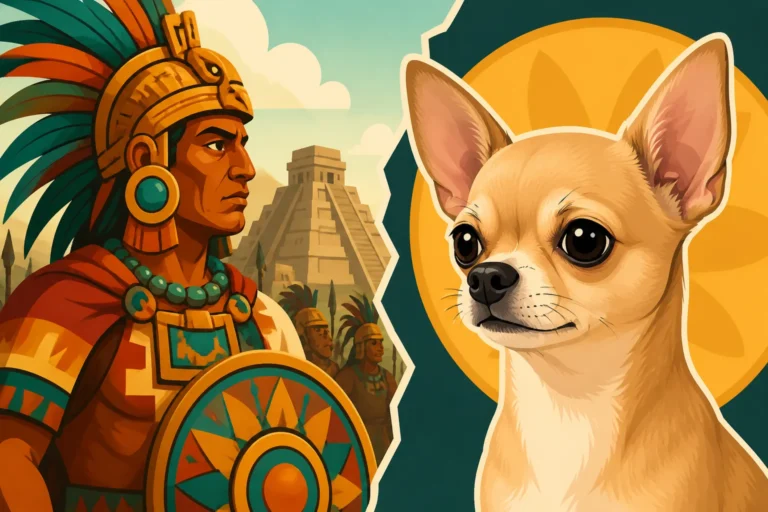
For centuries, possibly even millennia, the ancestors of today's Chihuahuas, often referred to as Techichi, were cherished by civilizations like the Toltecs and later the Aztecs. These dogs were more stout, a bit larger than our modern Chihuahuas, but shared that undeniable spark and loyal nature. They weren't just pets; they were integral to the spiritual and daily life of these ancient peoples. You can read more about their ancient history in The Chihuahua From Techichi to American Lapdog.
These dogs were believed to guide the souls of the dead to the afterlife, making them incredibly sacred. Archeological findings, including ceramic figures and skeletal remains, confirm their presence and importance in pre-Columbian Mexico. It's a humbling thought, isn't it? Our little lapdogs once walked alongside emperors and priests. However, with the arrival of the Spanish conquistadors, much of this indigenous culture, including the prominence of the Techichi, was disrupted or even suppressed. For a long time, the breed’s existence became more localized, fading from the broader historical record, waiting for a new era of discovery.
A Period of Obscurity and Resilience
Following the Spanish conquest in the 16th century, the Techichi largely receded from the limelight. They weren't eradicated, thankfully, but their role in grand ceremonies diminished, and they became more localized to remote villages and rural areas, particularly in what is now the state of Chihuahua in northern Mexico. For generations, these dogs continued to exist, likely interbreeding and adapting to their environment, their unique characteristics persisting through a period of historical obscurity.
This resilience is a testament to the hardiness of the breed's ancestors. While larger dogs were often preferred by the new European settlers for hunting or guarding, these smaller, less demanding canines found their niche among the common people, surviving and thriving in quiet corners. They were companions, pest control, and often, beloved family members in communities far from the bustling centers of power. It’s during this long, quiet period that they truly became associated with the region from which they would eventually take their modern name.
The Mid-19th Century: A New Border and New Connections
The 1800s brought significant changes to the geopolitical landscape of North America, particularly for Mexico and the burgeoning United States. The Mexican-American War (1846-1848) and subsequent land cessions dramatically reshaped the border, leading to increased interaction between the two nations. This new proximity and movement of people set the stage for the Chihuahua's introduction to American consciousness.
Traders, Prospectors, and Border Crossings
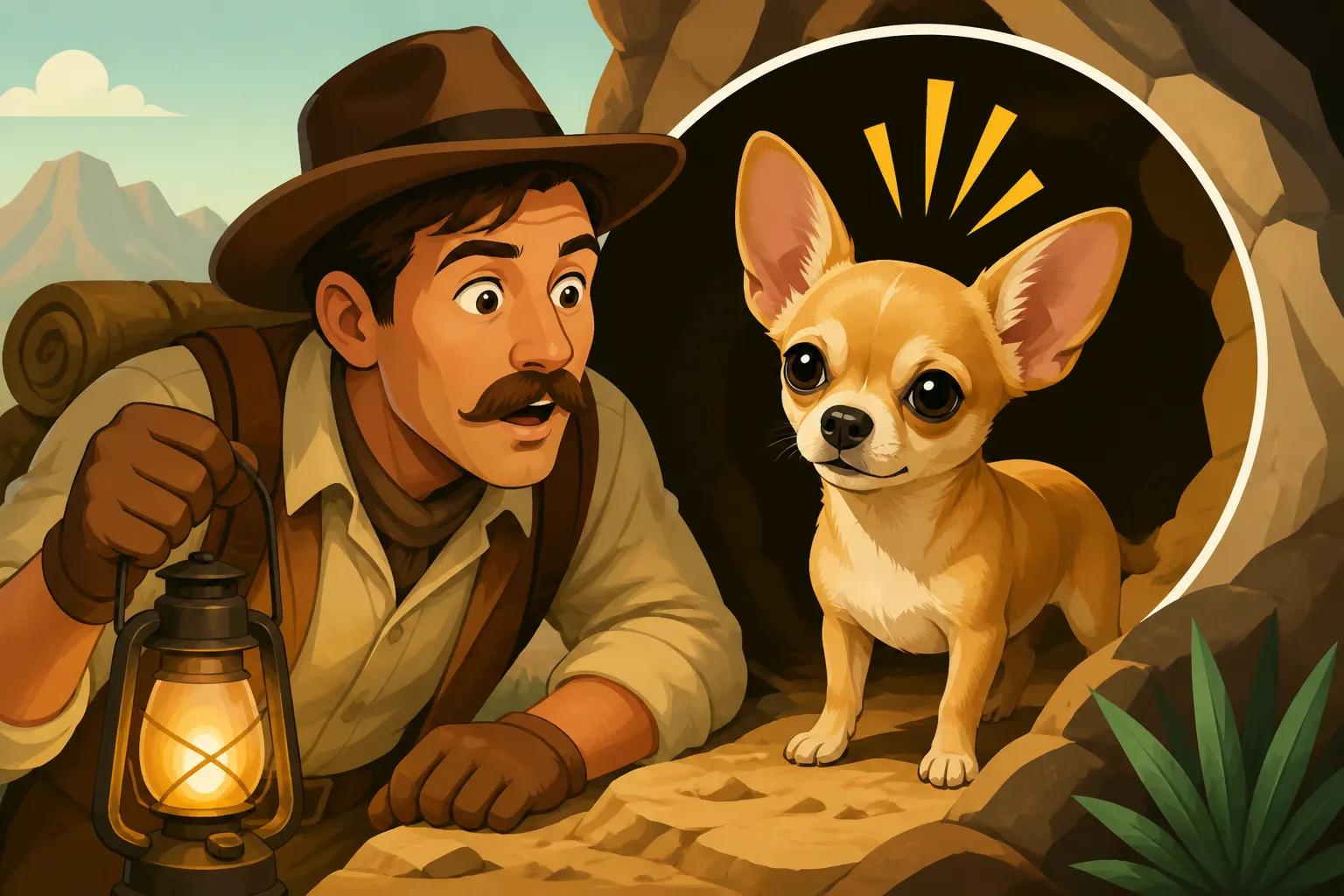
As the United States expanded westward, driven by the lure of land, resources, and opportunity, American traders, prospectors, and settlers began venturing into new territories, including those that bordered or were once part of Mexico. These intrepid individuals were often the first Americans to encounter the local populace and their customs, which sometimes included their small, distinctive dogs. Imagine a dusty trading post or a remote mining camp, and suddenly, there's this tiny dog, unlike anything most Americans had ever seen back home.
These encounters were often casual. A trader might be offered a small dog as part of a transaction, or a prospector, struck by the unique appearance and charming personality of these local canines, might decide to bring one home. These weren't planned expeditions to "discover" a new dog breed; rather, they were organic interactions born from the increasing cross-cultural exchanges along the new borderlands. These early dogs likely varied widely in appearance, but their small size and distinctive features were enough to spark curiosity.
The Role of Mexico's Chihuahua State
It's no coincidence that the breed eventually adopted the name of the Mexican state where many of these initial encounters took place: Chihuahua. This region, known for its vast deserts and mountainous terrain, was a hotbed of activity for both Mexican inhabitants and incoming Americans. The state of Chihuahua became a focal point for trade routes, military movements, and cultural exchange, making it a natural hub for these small dogs to be noticed.
The local people in this region had long kept these little dogs, and as Americans began to frequent the area, they couldn't help but notice them. Often, vendors would sell the dogs in border towns to American tourists or servicemen, recognizing their appeal to outsiders. It was a local curio, a charming piece of the culture, that began to catch the eye of people from north of the border. This direct connection to the state solidified its place in the breed's identity, giving it the name we use today. You can delve deeper into this naming in Why the Breed Carries a Mexican State's Name.
Early American Enthusiasts and Collectors
Once these small dogs started making their way across the border, they didn't just fade into the background. Their unique appearance and captivating personalities quickly drew the attention of a specific kind of American: the dog enthusiast, the collector of exotic novelties, and the intrepid traveler eager to share their discoveries.
Military Personnel and Tourists Bringing Them Home
Perhaps some of the earliest American "importers" were military personnel stationed near the Mexican border during and after the Mexican-American War. They encountered these dogs, often acquired them as mascots or companions, and then brought them back to their homes in various parts of the United States. Imagine a soldier, returning from deployment, with a tiny, trembling dog tucked into his saddlebag – a living souvenir from a distant land.
Tourists, too, played a significant role. As travel became somewhat more accessible in the latter half of the 19th century, adventurous Americans began to visit Mexico, especially the northern regions. They were captivated by the local culture, and these little dogs, often sold in markets or by street vendors, were a charming and portable memento. These early tourists, delighted by the "Mexican miniature dogs," spread the word and fueled demand, albeit on a small scale at first. These were not typically people looking to start a breeding program, but rather individuals charmed by a novel pet.
Mrs. James Watson and Early Breed Recognition
Among the most influential figures in introducing the Chihuahua to America was a woman named Mrs. James Watson from El Paso, Texas. She's often credited with being one of the first serious American breeders and promoters of the breed. Her dedication was crucial because, before her efforts, Chihuahuas were largely scattered curiosities. She understood the importance of establishing a consistent type and advocating for their recognition as a distinct breed.
Mrs. Watson was known for her apple-headed Chihuahuas, a characteristic that would later become a defining feature of the breed standard. She was instrumental in bringing some of the earliest notable Chihuahuas into the show ring and working towards their formal acceptance by kennel clubs. Without the passion and sustained effort of individuals like Mrs. Watson, the Chihuahua might have remained a regional curiosity rather than blossoming into the beloved breed we know today. Her work paved the way for others to follow suit, turning casual interest into dedicated breeding and showing.
Challenges and Cultivation: Establishing the Breed
Bringing a new breed across borders and establishing it within a new country is never a simple task. The early American pioneers of the Chihuahua faced numerous challenges, from the practicalities of transport to the complexities of defining and standardizing the breed.
The Perils of Travel for Tiny Dogs
Consider the mode of transportation in the 1800s. Long journeys by horse, wagon, or early trains were arduous, even for people, let alone a tiny dog weighing just a few pounds. Imagine the sheer difficulty of keeping a delicate puppy safe, warm, and fed during a multi-day trip. There were no climate-controlled carriers or readily available veterinary care along the route. Hypoglycemia, a common issue for young Chihuahuas even today, would have been a constant, life-threatening risk on such journeys. Chihuahua Hypoglycemia and the Puppy Emergency was a very real, and often fatal, threat.
These dogs were often smuggled or carried discreetly, not always with the best intentions or knowledge of their specific needs. Many simply wouldn't have survived the journey. This meant that the dogs that did make it were often exceptionally hardy, or incredibly lucky. It highlights the dedication of those early enthusiasts who managed to bring them home safely, often by providing constant vigilance and care. Modern pet parents can easily order insulated carriers and travel accessories from places like Chewy, making such journeys far safer today.
Defining the Breed: Early Standards and Types
Once Chihuahuas began to appear in the United States, there was a natural variation in their appearance. Some might have had flatter heads, others more rounded; some were smoother coated, others had longer hair. The concept of a formal "breed standard" was still developing for many breeds, and for a newly imported one, it was even more ambiguous. Early enthusiasts and breeders had to work together, often through trial and error, to decide what the ideal Chihuahua should look like.
This process involved selecting dogs for breeding that exemplified desirable traits, and slowly, over time, a consensus began to form. Discussions would have taken place among small groups of fanciers, perhaps at local dog shows or informal gatherings, as they debated which characteristics were most important. This foundational work was crucial because it provided a roadmap for future breeders and laid the groundwork for the breed's official recognition. The diversity of the early dogs is why we still see variations today, even within the standard, such as the debate over Apple Head Against Deer Head Chihuahuas.
Official Recognition and Growing Popularity
The painstaking efforts of those early American enthusiasts eventually bore fruit, leading to the formal recognition of the Chihuahua as a distinct breed and a steady rise in its popularity across the country.
AKC Recognition in 1904
A significant milestone for the Chihuahua in America was its recognition by the American Kennel Club (AKC) in 1904. This was a monumental step, officially cementing the Chihuahua's place among established dog breeds in the United States. The first Chihuahua registered with the AKC was a male named Midget, owned by H. Rayner. This act of recognition validated the breed and gave serious breeders a framework within which to operate, encouraging the ethical and consistent development of the Chihuahua.
AKC recognition brought with it a formal breed standard, a detailed description of the ideal Chihuahua's physical characteristics and temperament. This standard guided breeders and judges, helping to refine the breed's appearance and ensure consistency. It also meant that Chihuahuas could now compete in official dog shows, bringing them into the public eye and increasing their exposure beyond a small circle of dedicated fanciers. This new status meant the breed was no longer just a curiosity but a respected member of the canine world. Learn more about this in AKC Recognition of the Chihuahua in 1904.
From Novelty to Cherished Companion
In the decades following AKC recognition, the Chihuahua slowly but surely transitioned from a rare novelty to a cherished companion. Their small size, lively personality, and undeniable charm made them particularly appealing to urban dwellers and those seeking a devoted lapdog. Early publicity, sometimes in newspapers or through personal anecdotes, helped spread awareness of the breed.
As their popularity grew, so did the infrastructure around them. Dedicated breeders worked to produce healthy, well-socialized puppies. Owners sought advice on care, feeding, and training – a far cry from the scattered information available to those first 1800s owners. Today, resources are abundant; for example, if you need a specific type of small-breed food or a unique toy for your Chihuahua, you can find countless options on Chewy, designed for their specific needs. The breed's journey from a humble Mexican village dog to a beloved American household pet is a testament to its enduring appeal and the dedication of its early champions.
The Enduring Appeal of a Tiny Treasure
The legacy of those 1800s travelers, breeders, and dog lovers is evident in every Chihuahua we see today. Their initial curiosity and dedication brought this incredible breed to the forefront, allowing generations of Americans to experience the unique joy and companionship that only a Chihuahua can offer.
Why Their Charm Stood the Test of Time
What is it about the Chihuahua that resonated so strongly with those early Americans, and continues to do so today? It’s a blend of factors: their diminutive size, which makes them incredibly portable and suitable for various living situations; their fierce loyalty and boundless affection for their chosen people; and their bold, often feisty personalities that belie their small stature. They are, in many ways, tiny dogs with big dog attitudes, and that combination is endlessly endearing.
Even in the 1800s, when other breeds were valued for working abilities, the Chihuahua stood out simply for its charm and companionship. They fit perfectly into a growing trend of pet ownership focused on emotional connection rather than utility. Their compact nature meant they were less demanding of space, making them ideal for homes that didn't have sprawling yards. This inherent appeal, discovered centuries ago, remains as strong as ever, ensuring the Chihuahua's place in our hearts.
The Chihuahua's Place in American Culture
From those first hesitant border crossings in the 1800s, the Chihuahua has woven itself deeply into the fabric of American pet culture. They've appeared in films, advertisements, and are frequently seen accompanying celebrities, solidifying their image as both a fashionable accessory and a deeply loved family member. This cultural presence stems directly from the pioneering efforts of individuals who saw beyond the initial novelty and recognized the profound potential of this small dog.
Their journey is a powerful reminder of how cultural exchange enriches our lives, bringing new experiences and, in this case, new companions. The little dogs from the state of Chihuahua, Mexico, have traversed geographical and historical boundaries to become one of the most beloved and recognizable breeds in America. And while their initial arrival was a rugged, challenging affair, the outcome has been a lasting legacy of joy and companionship for countless owners, many of whom still turn to trusted retailers like Chewy for all their Chihuahua's needs.
Here's a look at some of the key milestones in the Chihuahua's introduction to America:
| Event/Period | Description | Significance |
|---|---|---|
| Pre-1800s | Ancestors (Techichi) kept by indigenous Mexican civilizations. | Established deep historical roots in Mexico. |
| Mid-19th Century | Increased U.S.-Mexico border interaction after Mexican-American War. | Opened pathways for American travelers to encounter the breed. |
| 1850s-1880s | American traders, prospectors, military personnel encounter and acquire dogs. | First informal introductions of Chihuahuas to the United States. |
| Late 1800s | Early American breeders/enthusiasts like Mrs. James Watson emerge. | Dedicated efforts to breed and promote the dogs; work towards standardization. |
| 1904 | American Kennel Club (AKC) officially recognizes the Chihuahua. | Formal acceptance into the canine world; establishment of breed standard. |
| Early 20th Century | Growing popularity as companion animals; cultural integration begins. | Transition from novelty to beloved pet; increased presence in American homes. |
Disclaimer
This article is for general informational purposes only and does not constitute professional advice. Laws, prices and regulations vary by location and change over time. Consult a qualified professional for guidance on your specific situation.