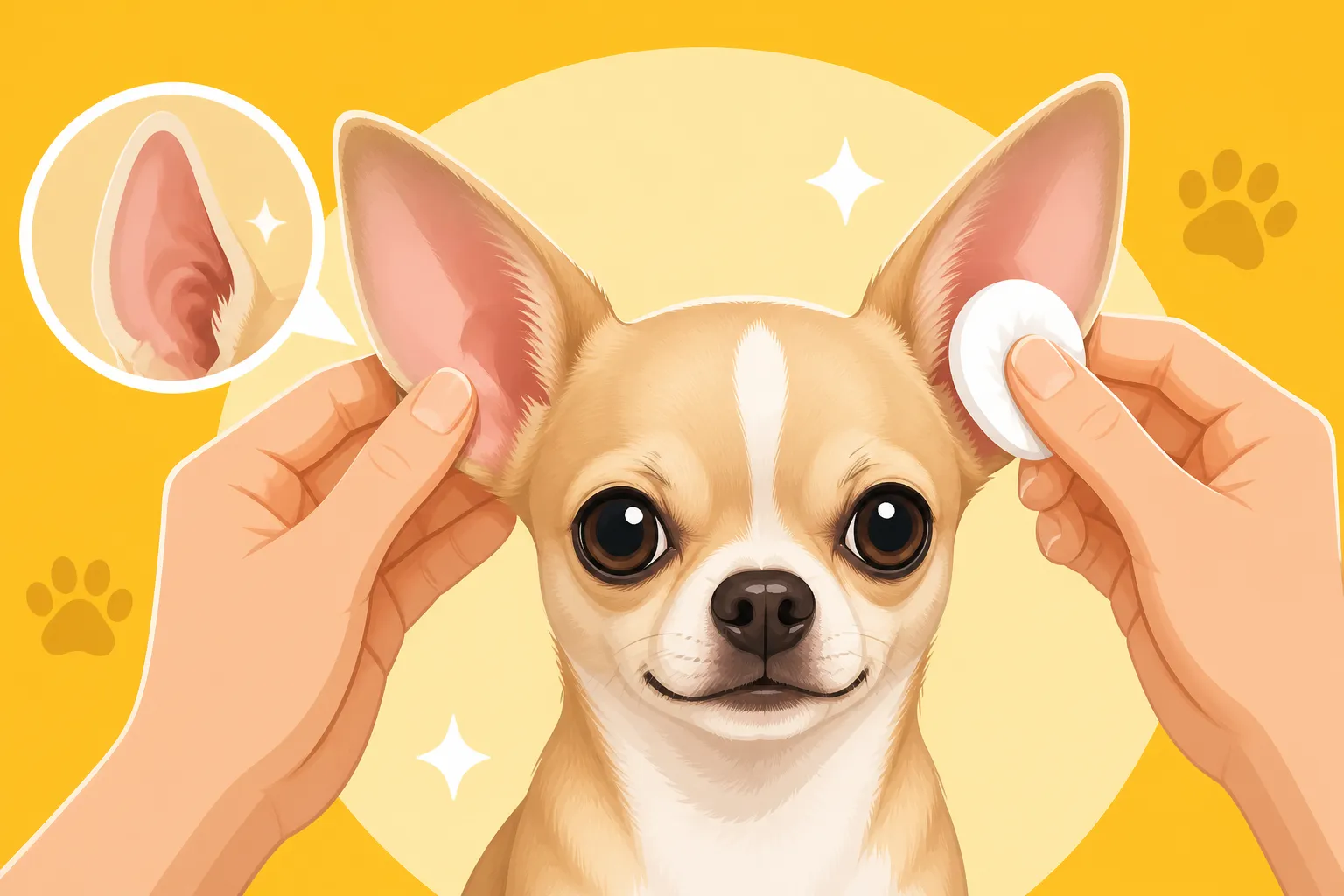
Cleaning a Chihuahua’s Large Open Ears
One of the unique joys of sharing your life with a Chihuahua is their distinct appearance, and those magnificent, often oversized ears are definitely a highlight. But let's be real, while they're adorable, those big, open ears can also be a magnet for dirt, wax, and all sorts of tiny troubles. Many of us Chihuahua parents find ourselves wondering how to properly clean these delicate structures without causing stress or, worse, injury. This guide will walk you through everything you need to know to keep your Chihuahua’s ears clean, healthy, and happy, tackling the fears and frustrations many of us face along the way.
Why Chihuahua Ears Need Special Attention
It's not just about aesthetics; those prominent Chihuahua ears have a particular anatomy that makes them susceptible to certain issues if not cared for properly. Unlike floppy-eared breeds where airflow is restricted, our Chihuahuas have upright, open ears that seem like they'd be self-cleaning, but that's often not the case. This unique structure means they can collect debris differently, and some common problems can escalate quickly if ignored.
The Anatomy of a Chihuahua Ear: Open and Prone
Think about your Chihuahua’s ear – it’s often large, thin, and stands erect. This "bat ear" structure, while charming, means the ear canal is quite exposed to the elements: dust, pollen, even tiny bits of grass can easily find their way in. The upright position does allow for better air circulation compared to a long, heavy ear flap, which is a good thing for preventing yeast and bacteria that thrive in dark, moist environments. However, it also means anything airborne can land right inside. It’s a bit of a double-edged sword, really. While less prone to moisture trapping, they're more open to collecting environmental debris.
The inner structure of a dog's ear canal is also different from a human's. It's an L-shape, with a vertical canal leading down, then a horizontal canal bending towards the eardrum. This makes it tricky for dirt and wax to work their way out naturally and can easily trap foreign objects or excess buildup. For a Chihuahua, with their tiny heads, this L-shape is still present, just on a miniature scale, making careful cleaning all the more critical. You're not just cleaning the visible outer ear, but working to help keep that deeper canal clear.
Common Ear Issues in Chihuahuas
Despite their open nature, Chihuahuas can still experience a range of ear problems. One of the most common frustrations is the accumulation of wax. Some Chihuahuas simply produce more ear wax than others, which can look dark and gunky. If left unchecked, this wax can harden, become itchy, and even lead to blockages or provide a breeding ground for bacteria or yeast. It's a fine line to walk, as over-cleaning can also irritate the delicate skin.
Beyond wax, our little friends are susceptible to ear infections. Chihuahua Ear Infections and Big Open Ears are a frequent complaint at the vet. These can be bacterial, yeast, or even a combination. Signs often include redness, swelling, a strong odor, and your Chihuahua scratching frantically at their ear or shaking their head a lot. Ear mites are another possibility, especially in younger puppies or those who've been around other animals. These microscopic parasites cause intense itching and produce a dark, crumbly discharge that looks a bit like coffee grounds. It’s absolutely heartbreaking to see your tiny companion in such discomfort, which is why proactive care is so important.
Gathering Your Chihuahua Ear Cleaning Arsenal
Before you even think about putting anything near your Chihuahua's precious ears, you need to have all your supplies ready. Rushing around to grab things while holding a wiggly, possibly anxious, Chihuahua is a recipe for disaster. Trust me, I've been there, trying to balance a bottle of cleaner, cotton balls, and a dog who suddenly decides they have urgent business elsewhere. A calm, prepared environment makes a huge difference for both of you.
Essential Cleaning Supplies
First up, you'll need cotton balls or soft gauze pads. Do not use cotton swabs (Q-tips) inside the ear canal. That L-shaped canal means you could easily push debris further down or even damage the eardrum. Cotton balls or pads are for gently wiping the visible parts of the ear and the entrance to the canal. You’ll also want a towel or two. Chihuahua ears are often fragile, and a towel can help manage any drips and make your dog feel more secure, especially if they’re wrapped in it like a tiny burrito.
Another often-overlooked item is a good headlamp or a very bright flashlight. When you're dealing with such a small area, clear visibility is key. You need to be able to see exactly what you’re doing and check for any redness or discharge. Lastly, a tasty reward! Positive reinforcement is your best friend here. Have some tiny, high-value treats ready to make this a positive, or at least tolerable, experience for your Chihuahua. You can find a good selection of these on sites like Chewy, making it easy to stock up.
Choosing the Right Ear Cleaner
This is crucial. Not all ear cleaners are created equal, and using the wrong product can do more harm than good. You need a veterinarian-approved ear cleaning solution specifically designed for dogs. Look for solutions that are gentle, non-irritating, and help break down wax while having antiseptic properties to ward off bacteria and yeast. Avoid anything with alcohol, as it can be very drying and painful, especially if your Chihuahua already has irritated ears.
Some popular ingredients to look for include witch hazel, aloe vera, and gentle cleansers. If your vet has previously prescribed a specific cleaner for an infection, you might continue to use that for maintenance, but always check with them first. For everyday cleaning of healthy ears, over-the-counter options are generally fine. You can often find a wide array of choices on Amazon, with reviews from other pet parents that can help guide your decision. If you're ever unsure, always err on the side of caution and ask your vet for a recommendation. They know your Chihuahua's specific health history best.
Step-by-Step Guide to Cleaning Your Chihuahua's Ears
Okay, you’ve got your supplies, your Chihuahua is hopefully calm, and you're ready to tackle those ears. This is where patience and a gentle touch really come into play. Remember, for a tiny dog, this can feel like a big invasion of personal space. Your demeanor and approach will set the tone for the entire process.
Preparing Your Chihuahua for the Process
First, choose a quiet time when both you and your Chihuahua are relaxed. Avoid times when they're super excited, like right before a walk or a meal. Find a comfortable spot, maybe on your lap or on a soft blanket on the floor. Start by gently handling their ears outside of cleaning time. Just a quick touch, a stroke, and then a treat. Do this regularly so they associate ear touching with positive things. This "desensitization" is key, especially for a breed that can be prone to anxiety. You don't want the only time their ears are touched to be when you're cleaning them.
Once you’re ready, have your supplies within easy reach. Hold your Chihuahua securely but gently. You might want to wrap them loosely in a towel if they tend to squirm. Speak to them in a calm, reassuring voice. Some owners even find it helpful to have a second person present, one to hold and comfort, the other to clean. If your Chihuahua is particularly nervous, consider doing just one ear at a time over a few days until they get more comfortable. It’s better to go slowly than to create a traumatic experience that makes future cleanings impossible.
The Gentle Cleaning Technique
Now for the actual cleaning. Hold the ear flap up so you can see the entrance to the ear canal. Carefully insert the tip of the ear cleaner bottle into the ear canal opening – do not push it deep. Give a gentle squeeze to fill the canal with the solution. You'll hear a squishy sound. Don’t panic! Immediately, massage the base of your Chihuahua’s ear for about 20-30 seconds. This helps break up wax and debris deeper in the canal. You'll feel and hear the liquid sloshing around, doing its job.
After massaging, let your Chihuahua shake their head. This is instinctual and helps bring the loosened gunk to the surface. Have your towel ready to catch any spray! Then, take a clean cotton ball or gauze pad and gently wipe the visible parts of the ear, including the folds of the ear flap and the entrance to the canal. Don't go poking inside with the cotton ball; just wipe what you can see. You'll likely see a fair amount of brown or yellowish gunk on the cotton ball, which is totally normal. Keep wiping with fresh cotton balls until they come away mostly clean. Repeat the process with the other ear. Remember, this is about flushing out the gunk, not scrubbing. For very dirty ears, you might need to repeat the flush and wipe a second time. This process is about being thorough yet gentle, understanding the delicacy of their small frame.
Post-Cleaning Care and Observation
Once both ears are clean, offer your Chihuahua plenty of praise and those high-value treats you had waiting. A short play session or a cuddle can also help cement the positive association. It's a good idea to check their ears again a few hours later, or the next day, just to make sure there's no residual moisture that could lead to irritation. You're looking for dryness and lack of odor.
Regular observation is a key part of ear care. Even between cleanings, take a moment to look at your Chihuahua's ears. Are they pink and clean, or do you see any redness, swelling, or discharge? Is there any excessive scratching or head shaking? Knowing your Chihuahua's normal ear appearance will help you quickly spot any changes. Creating a routine, perhaps a quick check a few times a week, can prevent minor issues from becoming major problems down the line. It's truly an ongoing commitment to their well-being, just like ensuring they're eating enough on their tiny Daily Calories for a Three to Seven Pound Chihuahua diet or getting adequate Chihuahua Exercise Needs Every Day.
Here's a quick comparison of common cleaning methods:
| Method | Description | Pros | Cons |
|---|---|---|---|
| Veterinary Ear Cleaner | Liquid solution specifically formulated for canine ear canals, often containing gentle antiseptics and wax-dissolving agents. | Safe, effective for wax and minor debris, helps prevent infections. | Requires purchase, some dogs dislike the wet sensation. |
| Warm Water/Saline (Outer Ear Only) | Using a damp cotton ball with plain warm water or saline to wipe the outer ear flap. | Gentle, non-irritating, good for surface dirt. | Ineffective for deeper canal cleaning, no antiseptic properties. |
| Cotton Swabs (Q-tips) | Using cotton swabs to clean visible crevices. (NOT RECOMMENDED FOR INSIDE CANAL) | Good for very outer folds, precise. | High risk of pushing debris deeper, damaging eardrum, or irritating skin. |
| Home Remedies (e.g., vinegar) | Various concoctions found online. | Might be cheap. | Often irritating, can alter ear pH, may worsen infections, never vet-approved. Strongly discouraged. |
When to Call the Vet: Recognizing Warning Signs
While regular at-home cleaning is a fantastic preventative measure, there will be times when a professional touch is absolutely necessary. It's important to know the difference between normal ear maintenance and a problem that requires veterinary attention. Ignoring early signs can lead to more serious, painful, and expensive issues for your tiny companion.
Signs of an Ear Infection or Problem
Your Chihuahua can’t tell you in words when their ear hurts, so it's up to us to read their body language and observe for changes. Look for any of the following signs:
- Persistent Head Shaking: A subtle shake here and there might be normal after a cleaning, but constant, vigorous head shaking is a red flag.
- Excessive Scratching: If your Chihuahua is constantly pawing, rubbing, or scratching at one or both ears, it’s a sign of discomfort or itchiness.
- Strong Odor: A healthy ear should have minimal odor. A foul, yeasty, or sweet smell indicates an infection.
- Redness or Swelling: Gently check the inside of the ear flap and the visible parts of the canal for any inflammation. It should be a healthy pink.
- Discharge: While some wax is normal, dark, thick, yellow, or greenish discharge is a definite sign of trouble. Black, crumbly discharge can point to mites.
- Pain or Sensitivity: If your Chihuahua yelps, flinches, or tries to bite when you touch their ear, they're in pain.
- Changes in Behavior: Lethargy, loss of appetite, or an unusual irritability can sometimes be linked to discomfort from an ear issue.
If you observe any of these symptoms, don't delay. Schedule a vet visit. Attempting to treat an active infection at home with over-the-counter cleaners can often make things worse, pushing bacteria deeper or simply delaying proper treatment. Timely intervention can make all the difference, preventing a mild irritation from escalating into a severe infection that might require more aggressive treatment, or even indicating an underlying issue like Chihuahua Skin Allergies and Hair Loss.
What to Expect at the Vet
When you take your Chihuahua to the vet for an ear issue, they'll start with a thorough examination. This usually involves looking into the ear canal with an otoscope, a special tool with a light, to see the eardrum and deeper structures. This allows them to identify inflammation, foreign objects, or other abnormalities. They might also take a swab of any discharge for microscopic examination (cytology). This helps them determine if the infection is bacterial, yeast, or caused by mites, which dictates the type of medication needed.
Treatment will vary depending on the diagnosis. For ear mites, they'll prescribe specific ear drops or oral medication. For bacterial or yeast infections, it's typically medicated ear drops or ointments. Sometimes, oral antibiotics or anti-inflammatories are also necessary, especially if the infection is severe or has spread. Your vet will provide clear instructions on how to administer the medication, which can often be tricky with a squirmy Chihuahua, but it's vital to complete the full course of treatment, even if the ears appear to improve quickly. They might also discuss preventative measures, especially if your Chihuahua is prone to recurrent infections. Remember, vet visits and potential medications are part of the Chihuahua Dental Bills as the Biggest Recurring Cost equation, though ear care is usually less frequent. It's all part of the commitment to their long, happy life.
Disclaimer
This article is for general informational purposes only and does not constitute professional advice. Laws, prices and regulations vary by location and change over time. Consult a qualified professional for guidance on your specific situation.