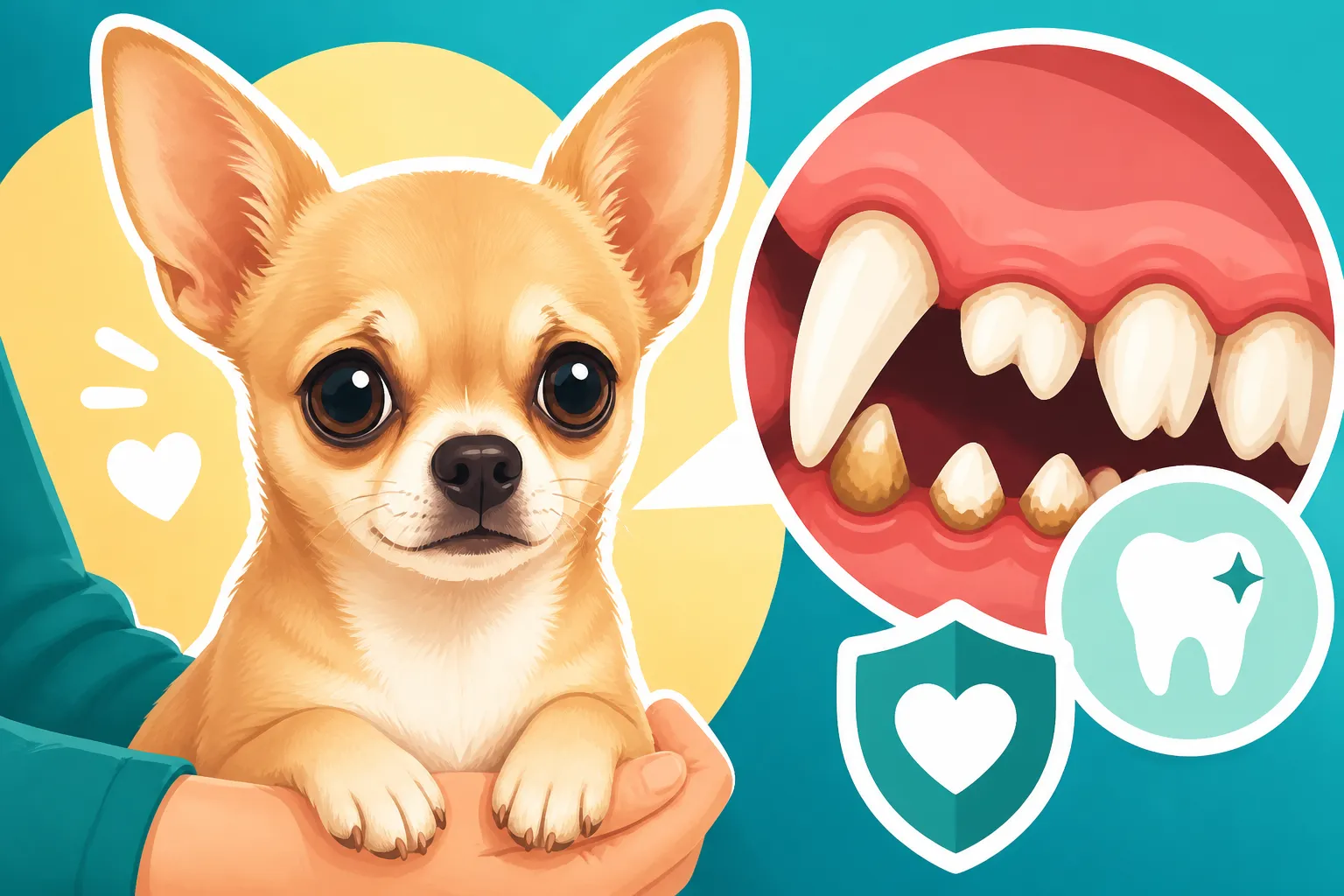
Adopting a Chihuahua With Dental Disease Already
One of the most heartwarming things you can do is open your home to a Chihuahua in need, especially an adult or senior dog from a rescue. But many people are surprised to discover just how prevalent dental disease is in these tiny dogs, often already advanced when they arrive in your care. This guide will walk you through what to expect when you adopt a Chihuahua with existing dental issues, helping you prepare for the financial commitment and ongoing care to give your new family member a healthy, pain-free life.
The Harsh Reality of Chihuahua Dental Disease in Rescues
It's a tough truth, but many Chihuahuas entering rescue organizations carry a heavy burden of neglect, and one of the most common and painful conditions they suffer from is severe dental disease. When you're looking at a sweet little face peering out from a shelter photo, it's easy to overlook what might be festering behind that adorable smile. But the reality is, a significant number of these dogs will require extensive dental work, sometimes even before they've truly settled into their new homes.
Why Dental Disease is So Common in Chihuahuas
Chihuahuas are uniquely predisposed to dental problems, and it’s not just because of poor care. Their tiny mouths are often overcrowded, meaning their teeth don't fit together perfectly and food particles get trapped easily. This creates a perfect breeding ground for plaque and tartar. Think about trying to fit full-sized adult teeth into a space designed for much smaller ones – it’s a recipe for disaster. This structural issue, combined with their generally long lifespans, means that even with diligent home care, a Chihuahua is more likely to develop dental disease than many larger breeds.
Beyond genetics, many Chihuahuas in rescue situations come from backgrounds where regular veterinary care, let alone daily tooth brushing, simply wasn't a priority. They might have been surrendered from homes that couldn't afford care, came from puppy mills with minimal health oversight, or were found as strays. By the time they reach a rescue, they could be years into a progressive disease, with significant plaque buildup, gum inflammation, and decaying teeth. This is why you'll so often find a rescue Chihuahua that needs a "dental right away" or already has a history of dental issues. It's not a flaw in the dog; it's a sad consequence of their breed predisposition and often, their past circumstances. To learn more about this, you might find our article on Chihuahua Dental Disease in a Crowded Small Jaw insightful.
What "Existing Dental Disease" Really Means at Adoption
When a rescue tells you a Chihuahua has "existing dental disease," it can range from mild tartar buildup to severe periodontal disease with bone loss and painful abscesses. It's not just cosmetic; it's a source of chronic pain and can lead to systemic health problems. Imagine having a persistent toothache, or even multiple infected teeth – that's what many of these brave little dogs are enduring silently.
Often, the full extent of the problem can only be truly assessed once the dog is under anesthesia, when X-rays can reveal what lies beneath the gumline. You might see visibly brown, crusty teeth, red and swollen gums, or even missing teeth. But what you can't see is the pain your dog is experiencing, or the potential for infection to spread to their bloodstream, affecting organs like the heart, kidneys, and liver. Early intervention, even for dogs with advanced disease, can drastically improve their quality of life. Understanding Gum Disease in a Five Year Old Chihuahua can give you a clearer picture of what to expect.
Here’s a simplified breakdown of what dental disease stages might mean for an adopted Chihuahua:
| Stage of Dental Disease | Visual Signs You Might See | What it Means for the Chihuahua | Expected Treatment |
|---|---|---|---|
| Stage 1: Gingivitis | Mild plaque/tartar, red gums | Reversible inflammation, usually not painful yet | Professional cleaning, home care |
| Stage 2: Mild Periodontitis | Increased tartar, red/swollen gums, bad breath | Early gum recession, some bone loss, mild pain | Cleaning, scaling, potentially minor extractions |
| Stage 3: Moderate Periodontitis | Heavy tartar, very red/bleeding gums, visible recession | Significant bone loss, loose teeth, moderate pain | Deep cleaning, multiple extractions, pain management |
| Stage 4: Severe Periodontitis | Excessive tartar, pus, severe gum recession, wobbly teeth | Extensive bone loss, chronic pain, possible jaw fractures | Numerous extractions, specialized surgery, pain meds |
Preparing for the Financial Commitment of Dental Care
Let's be realistic: dental care for a Chihuahua, especially one with pre-existing disease, is not cheap. It's often the biggest recurring cost for Chihuahua owners. But it’s also one of the most important investments you can make in your new dog’s health and happiness. Understanding the potential costs upfront can help you budget and plan, so there are no surprises down the road.
Estimating Initial Dental Treatment Costs
The first major hurdle will likely be the initial comprehensive dental cleaning and any necessary extractions. This isn't just a quick scrub; it's a full medical procedure that requires general anesthesia, blood work, intubation, IV fluids, monitoring, and dental X-rays to assess the damage below the gumline. For a tiny Chihuahua, anesthesia requires extra precautions, as their small size makes them more sensitive to medications and temperature changes. You can expect the costs for a full dental procedure, including extractions, to be substantial. These procedures often range significantly depending on the clinic, your geographic location, and the severity of the disease. Remember, each extracted tooth adds to the complexity and cost. Our article, What Chihuahua Extractions Cost Per Tooth, goes into more detail on this.
It's wise to get an estimate from your veterinarian that includes all potential services: pre-anesthetic blood work, anesthesia, IV fluids, monitoring, cleaning, polishing, full mouth X-rays, and an estimate for extractions. Be prepared for the possibility that more teeth may need to be removed than initially anticipated once X-rays are taken. This is a common scenario, and it's always best to err on the side of caution and budget for the higher end of the estimate. It's not a one-time fix either; Chihuahuas often need yearly professional cleanings throughout their lives to stay ahead of the curve.
Ongoing Costs and How Pet Insurance Can Help
After the initial big dental procedure, the financial commitment doesn't end. You'll need to invest in home dental care supplies, which include tiny toothbrushes and pet-specific toothpaste. You might also consider dental chews, although always consult your vet about appropriate options for a Chihuahua, especially one with a history of dental issues. Beyond home care, annual professional dental cleanings are crucial. These annual cleanings will be less extensive (and usually less costly) than the initial procedure if you maintain diligent home care, but they are still a significant line item in your yearly budget. For information about the overall picture, check out The Yearly Chihuahua Dental Cleaning Bill.
This is where pet insurance can be an absolute lifesaver. Companies like Healthy Paws offer accident and illness plans that, while they won't cover pre-existing conditions (like the dental disease your adopted Chihuahua already has), can cover future dental issues not directly related to the existing condition, or complications arising from new problems. They may also cover a portion of future annual cleanings if you add a wellness rider. It's worth researching different providers and their policies carefully. While they won't cover the initial extensive cleaning and extractions for a pre-existing condition, if your Chihuahua develops a new dental problem or even breaks a tooth in the future, having a policy can make a huge difference. Just be sure to read the fine print, as dental coverage can vary widely. Getting Chihuahua Insurance at Eleven Dollars a Month might be a consideration before any problems are noted.
Bringing Home Your New Chihuahua: Post-Adoption Dental Care
Bringing a new Chihuahua home is an exciting time, but if they come with dental issues, you'll want to prioritize their oral health right from the start. A thoughtful approach to their initial care and long-term maintenance will set them up for a much healthier and happier future.
Immediate Steps After Adopting a Chihuahua with Dental Issues
First things first: schedule a comprehensive vet visit as soon as possible after adoption. Even if the rescue has already started a dental plan, your own vet needs to get a baseline on your new dog's overall health, including their oral cavity. They can discuss the best approach for the initial dental procedure, including any pre-operative care or pain management. Sometimes, your vet might prescribe antibiotics if there's an active infection, or pain medication to make your Chihuahua more comfortable before the main procedure.
During this initial period, while you're waiting for dental work, feeding soft food can make a world of difference. Kibble can be incredibly painful for a dog with loose or decaying teeth. A diet of wet food or rehydrated kibble will be much gentler on their sensitive mouth. This is also a good time to introduce them to a comfortable home environment, ensuring they feel safe and loved before undergoing any stressful procedures. You can find excellent quality soft foods through services like Ollie, which can deliver fresh, gently cooked meals perfectly portioned for a small dog. This ensures they get the nutrition they need without unnecessary pain.
Long-Term Home Care Strategies
Once your Chihuahua has had their initial dental work, the real work of maintaining their oral health begins at home. Daily tooth brushing is the gold standard for preventing future plaque and tartar buildup. Yes, daily! It might sound daunting for a tiny dog, but with patience, positive reinforcement, and tiny pet toothbrushes (you can find various sizes at places like Chewy), most Chihuahuas can learn to tolerate it. Start slowly, just touching the brush to their teeth, and gradually build up to brushing all surfaces. Our guide, The Two Minute Daily Chihuahua Tooth Routine, can give you some great tips.
Beyond brushing, consider their diet. While wet food is good post-surgery, some veterinarians might suggest specific dental diets that help scrape plaque, though these can sometimes be too large or hard for very tiny Chihuahuas. Discuss appropriate dental chews with your vet; not all chews are safe or effective for Chihuahuas, especially those with previous dental problems or a tendency to chew aggressively. Water additives can also offer a small layer of protection, but they are never a substitute for brushing or professional cleanings. Consistent, proactive home care is your best defense against the return of severe dental disease.
Supporting Your Chihuahua Through Dental Recovery and Beyond
A dental procedure, especially a complex one with extractions, is a significant event for a Chihuahua. Their recovery will require your patience and attentive care, and ongoing support will be key to their long-term well-being.
Managing Pain and Discomfort
Post-surgery, your vet will likely send your Chihuahua home with pain medication and possibly antibiotics. Administer these exactly as prescribed. Your dog might be a bit groggy or disoriented for the first 24 hours. Keep them in a quiet, warm, and comfortable space. Avoid letting them jump on or off furniture, as they might be clumsy. You might notice some minor swelling around their muzzle or some redness in their gums; this is normal.
The most important thing is to monitor them for signs of discomfort. These can be subtle in Chihuahuas:
- Reluctance to eat, even soft food
- Paw-licking or pawing at their mouth
- Rubbing their face on furniture or the floor
- Increased drooling
- Whining or yelping when picked up or touched near their mouth
- Changes in temperament, such as becoming withdrawn or unusually irritable.
If you suspect your Chihuahua is in pain, don't hesitate to call your vet. They can adjust medication or offer further advice. Gentle handling is crucial during this time; avoid touching their mouth area unnecessarily. Remember that a painful Chihuahua might snap as a warning, which is often a sign of their discomfort rather than aggression. For more insights into how pain affects their behavior, consider reading Chihuahua Behavior Shifts That Mean a Knee Hurts.
Dietary Adjustments for a Healthier Mouth
For several days, or even weeks, after extensive dental work, your Chihuahua will need a soft diet. This means wet food, prescription recovery diets, or even home-cooked bland foods (like boiled chicken and rice, approved by your vet) that are easy to eat without chewing. Gradually, you can reintroduce a softened version of their regular food, but always ensure it's easy for them to manage. If they've had many extractions, particularly of their canines or molars, they might need to stay on a softer diet indefinitely. Many Chihuahuas thrive on a lifetime of wet food or gently cooked meals, which can also be a great way to ensure proper hydration.
When selecting long-term food, look for options that minimize plaque buildup. Some kibbles are designed with special textures or ingredients to help clean teeth, but for Chihuahuas with few teeth remaining, wet food or fresh food services like Ollie can be ideal. Chewy offers a wide variety of wet and fresh food options, as well as dental-specific products. Avoiding hard chews or toys that could potentially damage newly healed gums or remaining teeth is also important. The goal is to provide nutrition that supports their overall health while being gentle on their delicate mouth. Remember, the effort you put into their dental care now will pay off in years of comfort and companionship.
Disclaimer
This article is for general informational purposes only and does not constitute professional advice. Laws, prices and regulations vary by location and change over time. Consult a qualified professional for guidance on your specific situation.