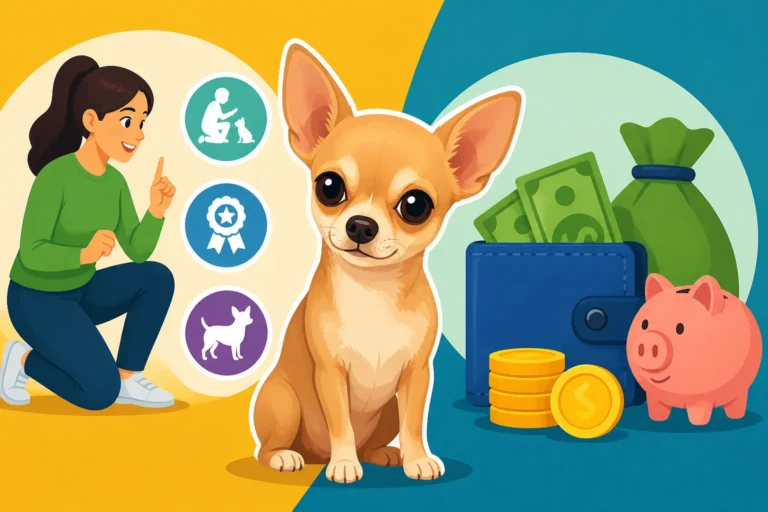
Waiting Lists at Small Chihuahua Kennels
Finding a healthy, well-adjusted Chihuahua puppy from a responsible breeder can feel like a Herculean task. It's not like walking into a big box pet store and picking one out on a whim; those places are often linked to puppy mills and come with a host of issues. Instead, you'll likely encounter waiting lists at small, reputable Chihuahua kennels, which can be frustrating if you're eager to bring a tiny companion home. This guide is here to walk you through why these lists exist, what to expect, and how to navigate the process effectively to ensure you find a truly wonderful addition to your family.
The Reality of Responsible Chihuahua Breeding
When you embark on the journey of finding a Chihuahua, you'll quickly discover that the best breeders don't always have puppies readily available. This isn't because they're being exclusive or difficult; it's a direct reflection of their commitment to the breed's health, temperament, and ethical standards. Many hopeful owners become disheartened by the wait, but understanding the reasons behind it can shift your perspective from frustration to appreciation.
Why Small Kennels Have Limited Availability
Responsible Chihuahua breeders operate on a fundamentally different principle than large-scale commercial operations. Their priority isn't mass production; it's quality over quantity, always. This means they intentionally keep their breeding programs small, often focusing on just a few breeding pairs at any given time. They're deeply invested in each dog, ensuring they meet rigorous health standards before ever considering a litter. This involves extensive health testing for common Chihuahua ailments such as patellar luxation, heart conditions, and eye problems. For instance, reputable breeders will openly share documentation of the health tests a Chihuahua breeder should run, often including cardiac and eye clearances on a Chihuahua parent and Chihuahua patella certification before breeding from organizations like the Orthopedic Foundation for Animals (OFA).
Furthermore, a small kennel will typically only breed a female Chihuahua once every year or two, giving her ample time to recover between litters. Chihuahua litters are naturally small, often only one to three puppies, which further limits availability. Breeding is an immense physical and emotional investment for the dogs and the breeders themselves. They're involved in every step, from carefully selecting mates to providing round-the-clock care for newborn puppies, often hand-feeding and monitoring them constantly during the critical early weeks. This hands-on, dedicated approach ensures the puppies receive the best start in life, both physically and developmentally, preparing them for their future homes.
The Difference Between a Breeder and a Seller
It's crucial to understand that not everyone selling a puppy is a "breeder" in the responsible sense. A true breeder is passionately dedicated to the welfare and improvement of the Chihuahua breed. They will have a deep understanding of genetics, temperament, and health issues specific to Chihuahuas. They'll actively participate in breed clubs, show their dogs, and prioritize matching the right puppy with the right family, rather than just making a sale. You'll find they often have waiting lists precisely because their puppies are in high demand due to their reputation and the quality of their dogs. They don't just sell you a puppy; they offer lifelong support, advice, and a genuine interest in the well-being of the dogs they've brought into the world.
On the other hand, a "seller" might be someone who breeds dogs purely for profit, often cutting corners on health testing, proper nutrition, and early socialization. These individuals might have multiple litters available simultaneously, offer puppies to anyone with cash, and show little interest in your living situation or experience with dogs. They might not be able to provide pedigrees, health clearances for the parents, or even a basic health guarantee beyond a few days. The price might seem lower, but in the long run, puppies from such sources often come with significant health or behavioral problems, leading to heartache and substantial vet bills. If you see Chihuahua puppy prices from a backyard breeder that seem too good to be true, they probably are.
Navigating the Waiting List: Your Step-by-Step Guide
Getting on a waiting list isn't just about putting your name down; it's about building a relationship with a breeder and proving you're a suitable owner. The process can feel intrusive to some, but remember that a good breeder views themselves as the guardian of the breed, and they want to ensure their puppies go to loving, responsible homes.
Initial Research and Contact
Your journey begins with thorough research. Look for breeders who are members of national or local Chihuahua breed clubs, such as the Chihuahua Club of America. Their websites often list member breeders or upcoming litters. When you find a potential breeder, delve into their website. Look for detailed information about their breeding philosophy, health testing protocols, and the types of homes they seek. Many reputable breeders will explicitly state their health clearances and might even provide direct links to OFA or other public databases. Once you've identified a few promising candidates, craft a thoughtful initial inquiry.
Your first email or call shouldn't just ask, "Do you have puppies?" Instead, introduce yourself, explain why you're interested in a Chihuahua, describe your living situation, your experience with dogs, and what you're looking for in a companion. This shows respect for their time and their dedication to their dogs. Be prepared for a conversation, not just a transaction. A good breeder will want to get to know you, so be ready to answer many questions and ask some yourself. Remember, this is your opportunity to ask questions worth asking a Chihuahua breeder, covering everything from their socialization practices to their health guarantee.
The Application and Interview Process
After initial contact, many breeders will ask you to fill out a detailed application. This isn't to judge you, but to assess if your home environment and lifestyle are a good match for one of their puppies. They'll want to know about your work schedule, whether you have children or other pets, your previous dog ownership experience, and your philosophy on training and care. They might ask about your yard, your vet, and what you plan to do if the puppy develops health issues. For example, knowing you're prepared for potential costs, perhaps even having researched Chihuahua pet insurance and its low premium with providers like Healthy Paws, could be a plus.
Following the application, an interview (often by phone, sometimes in person) is common. This is a two-way street. The breeder will be evaluating you, but you should also be evaluating them. Do they seem knowledgeable and passionate? Are they open and transparent about their practices? Do they encourage you to visit their facility (if local and safe to do so) or offer virtual tours? This is your chance to observe their environment and ask about their daily routine for the puppies, their socialization methods, and what kind of support they offer post-adoption. Be wary if a breeder is cagey about answering questions or rushes the interview.
Understanding Deposit and Contract Terms
Once you've been approved and expressed interest in a specific litter or future litter, a deposit is typically required to secure your spot on the waiting list. This deposit demonstrates your serious commitment. The amount can vary, but it's usually a non-refundable portion of the total purchase price, which, for a well-bred Chihuahua, can range significantly, with Chihuahua puppy prices from $800 to $3,500 being common. Ensure you understand the breeder's policy on deposits – under what circumstances, if any, it might be refunded, or if it can be transferred to a future litter.
Along with the deposit, you'll likely receive a contract. Read this contract carefully. It will outline the terms of the sale, health guarantees, responsibilities of both parties, and often includes clauses about spaying/neutering the puppy by a certain age (unless it's a show prospect). Some contracts may even include provisions like Chihuahua contracts that bar Teacup breeding to discourage the breeding of undersized, potentially unhealthy dogs. A good contract protects both you and the breeder and, most importantly, the puppy. It should detail what happens if the puppy becomes ill, if you need to rehome it, and the breeder's commitment to taking the dog back at any point in its life.
Managing Expectations and Patience
Waiting for your perfect Chihuahua puppy can test your patience, but it's an essential part of the ethical breeding process. Resist the urge to rush or settle for a puppy from a less reputable source just to shorten the wait.
The Wait Time Varies Widely
The length of a waiting list can fluctuate dramatically based on several factors. Popular breeders with a strong reputation for healthy, well-tempered Chihuahuas naturally have longer lists. If you're looking for a specific coat color, pattern, or even gender, your wait might be extended further, as these traits aren't guaranteed in every litter. Breeding dogs have natural cycles, and successful pregnancies aren't always a given. Sometimes a planned breeding doesn't take, or a litter is smaller than anticipated, pushing everyone on the list back.
It's also important to remember that breeders often select puppies for their own breeding program first, and then place the remaining puppies in pet homes. This careful selection ensures the continuity and improvement of their lines. Be patient and understand that the breeder is working with nature and genetic possibilities. Most breeders are transparent about their expected timelines, and while they can't guarantee an exact date, they should be able to give you a realistic estimate.
Staying Engaged Without Being Pushy
Once you're on the list, it's a good idea to maintain respectful communication with the breeder. A short, polite email every few weeks or months, asking for updates on planned litters or how the breeding dogs are doing, is perfectly acceptable. This shows your continued interest and enthusiasm. However, avoid constant calls or daily emails asking if your puppy is ready yet. Breeders are busy individuals, often managing their dogs, their families, and multiple inquiries.
During this waiting period, you can also start preparing your home. This might involve purchasing essential supplies, puppy-proofing your living space, and researching local vets. Many new owners use this time to educate themselves further on Chihuahua care, temperament, and training. Websites like Chewy offer a fantastic array of supplies, from tiny harnesses to appropriate food bowls. You could also explore specialized food options like Ollie, which offers fresh, portion-controlled meals, perfect for a Chihuahua's delicate digestive system and tiny calorie needs. Getting a head start on understanding the first year mistakes Chihuahua owners make can make the transition much smoother.
Red Flags to Watch Out For
While you're waiting, keep your eyes open for any red flags that might suggest a breeder is less than reputable. If a breeder suddenly has many litters available without explanation, or if they are constantly breeding the same female, that's a warning sign. Breeders who don't ask you any questions, seem indifferent to your home life, or pressure you for immediate payment raise serious concerns. Be very cautious if they offer to ship a tiny puppy without ever meeting you, especially if it's a very young puppy.
Another red flag is a lack of transparency regarding health testing or an unwillingness to provide proof. If they claim their dogs are "vet checked" but can't produce specific OFA clearances or health records for the parents, it's a problem. Similarly, if they're vague about their facility, refuse to let you meet the puppy's parents, or offer "Teacup" Chihuahuas for an exorbitant price, these are all indicators that you might be dealing with a commercial breeder or someone focused solely on profit. A responsible breeder will prioritize the health and well-being of their animals above all else.
Preparing for Your Chihuahua's Arrival During the Wait
The waiting period is a gift; it provides you with precious time to prepare fully for your new family member. Chihuahuas, despite their small size, have unique needs that require careful consideration.
Essential Supplies and Home Modifications
Before your Chihuahua puppy comes home, you'll need to gather a host of supplies specifically suited for such a tiny dog. This includes small-breed puppy food (ask your breeder what they recommend to avoid stomach upset), tiny food and water bowls, a comfortable bed (Chihuahuas love to burrow, so consider a covered bed), a crate or playpen, and appropriate toys. Chew toys should be durable but not so hard they could damage tiny puppy teeth, and small enough for their mouths. A harness is almost always preferred over a collar for a Chihuahua, given their delicate necks and propensity for tracheal issues.
Beyond supplies, you’ll need to puppy-proof your home. Chihuahuas are curious and can squeeze into incredibly small spaces. Secure low-lying electrical cords, remove small objects that could be choked on, and block off any precarious gaps or holes. Remember that even a small drop can cause serious injury to a tiny puppy, so consider ramps or steps for access to furniture if you want them on the couch or bed. Thinking ahead about how to protect their joints, especially their knees, is paramount. Learning how to best go about settling a two pound Chihuahua puppy into the house will make the first few days less stressful for both of you.
Financial Planning Beyond the Purchase Price
While the initial purchase price of a well-bred Chihuahua is a significant investment, it's just the beginning of your financial commitment. Chihuahuas can live for 12 to 20 years, so you're signing up for a long-term financial responsibility. Regular vet check-ups, vaccinations, and parasite prevention are ongoing costs. Their tiny teeth are prone to dental disease, making Chihuahua dental bills as the biggest recurring cost a reality for many owners. These cleanings and potential extractions can cost hundreds to thousands of dollars over their lifetime.
Beyond these routine expenses, emergencies can arise. A sudden illness, an accidental injury, or the diagnosis of a chronic condition can lead to substantial veterinary bills. This is where pet insurance can be a lifesaver. Companies like Healthy Paws offer various plans that can help mitigate these unexpected costs. Researching plans and understanding what they cover (and what they don't, especially for pre-existing conditions) before you even bring your puppy home is a smart move. Budgeting for what a Chihuahua costs from eight weeks to sixteen years means considering food, treats, grooming, toys, training classes, boarding, and emergency funds. Having a financial cushion or pet insurance in place provides peace of mind and ensures you can provide the best care throughout your Chihuahua's long life.
Reputable Breeder vs. Less Scrupulous Seller
To help you distinguish between a dedicated, ethical breeder and someone simply looking to make a quick profit, here's a comparison of what you can expect:
| Feature | Reputable Breeder (Often has waiting lists) | Less Scrupulous Seller (Often has immediate availability) |
|---|---|---|
| Health Testing | Provides verifiable OFA/health clearances for parents (hips, patellas, heart, eyes). | States "vet checked" or "healthy" without proof; no specific health clearances. |
| Parent Access | Encourages you to meet one or both parents, or provides detailed info/photos. | May not let you meet parents, or parents seem neglected/unhealthy. |
| Environment | Puppies raised in a clean, stimulating home environment, well-socialized. | Puppies may be kept in kennels, dirty conditions, or seem shy/fearful. |
| Transparency | Openly discusses breeding practices, potential health risks, and breed specifics. | Vague answers, avoids questions, might focus solely on price or appearance. |
| Application Process | Requires a detailed application, conducts interviews, and asks many questions. | Minimal screening, willing to sell to almost anyone immediately. |
| Contract & Guarantee | Provides a comprehensive contract with health guarantee and return policy. | May have no contract, or a very limited, vague health guarantee (e.g., 24-48 hrs). |
| Lifelong Support | Offers ongoing support, advice, and will take the dog back at any point. | Disappears after the sale, no interest in the dog's future. |
| Education | Educates you on breed-specific needs, diet, training, and potential challenges. | Provides minimal information, or gives poor advice. |
| Pricing | Fairly priced given health testing, care, and quality; Chihuahua Puppy Prices From $800 to $3,500. | Prices vary wildly, often very low or excessively high for "Teacup" Chihuahuas. |
| Availability | Often has waiting lists; litters are carefully planned and infrequent. | Often has multiple litters available, sometimes year-round. |
Disclaimer
The information provided in this article is for general informational purposes only and is not intended as a substitute for professional veterinary advice. Always consult with a qualified veterinarian or animal health professional for any medical concerns or before making any decisions about your pet's health or care.