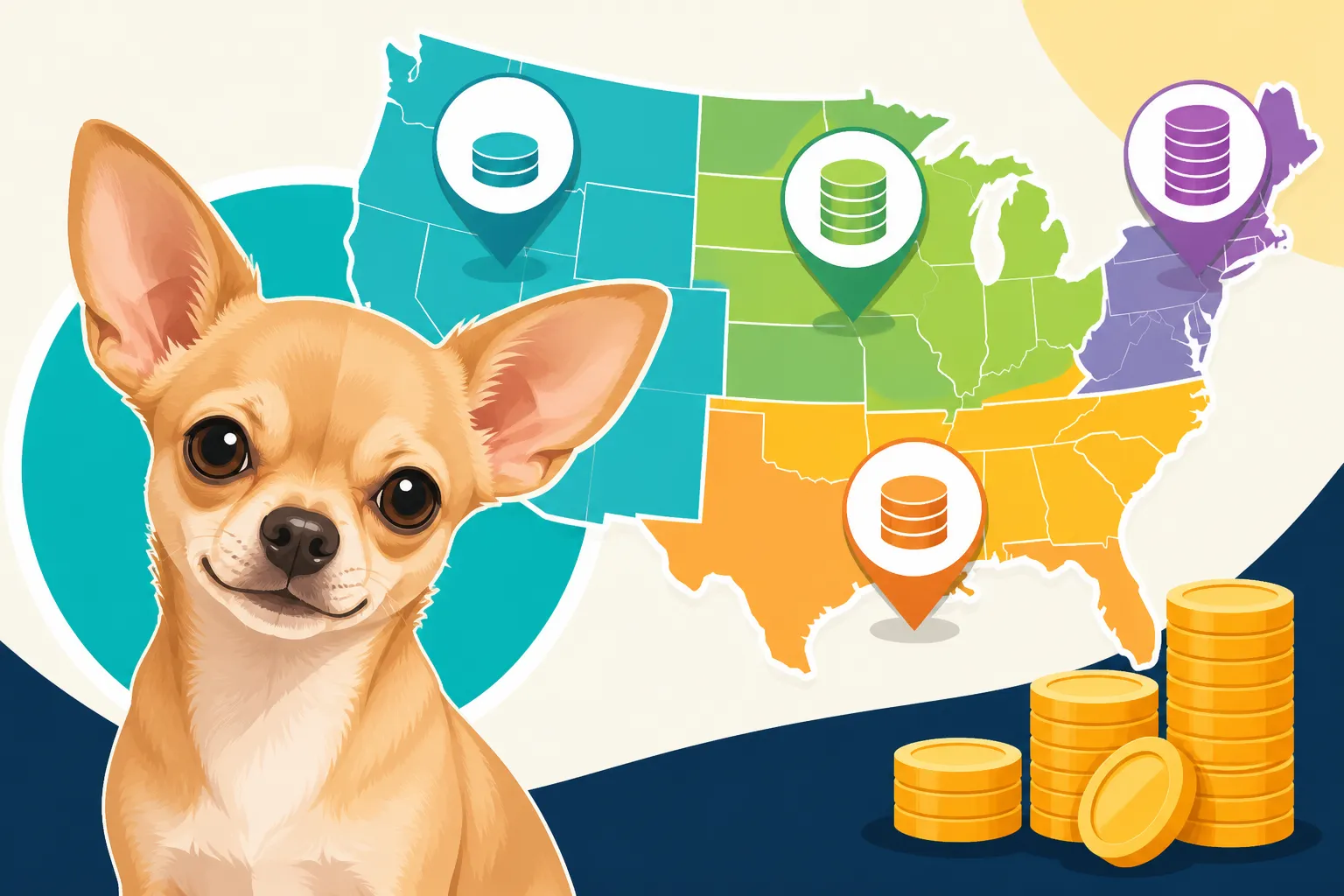
Chihuahua Prices by Region of the Country
Bringing a Chihuahua into your home is an exciting prospect, but the initial sticker shock can sometimes feel overwhelming. It’s easy to get lost in conflicting prices online, leaving you wondering if you're looking at a fair deal or potentially falling for a scam. This comprehensive guide will help you understand the true costs associated with acquiring a Chihuahua, breaking down how prices fluctuate across different regions of the country, and what factors truly influence that initial number, so you can make an informed decision without any unpleasant surprises.
Understanding the Factors Influencing Chihuahua Prices
Before we even dive into specific regions, it's vital to grasp that a Chihuahua's price isn't just pulled out of thin air. It’s a reflection of many underlying factors, some good, some not so good, that ultimately dictate the investment you're making in your new companion. Understanding these nuances is key to identifying a reputable breeder and avoiding pitfalls that can lead to heartache and even higher costs down the line.
Breeder Reputation and Health Clearances
The single biggest determinant of a Chihuahua's price, and arguably its future health and temperament, comes down to the breeder. A responsible, ethical breeder isn't just mating two dogs and selling the puppies. They are investing significant time, knowledge, and money into their breeding program. This includes genetic health testing for both parent dogs for conditions common in Chihuahuas, such as patellar luxation, heart disease, and certain eye problems. These tests alone can be quite expensive, but they significantly reduce the likelihood of your puppy inheriting debilitating health issues. You'll often find breeders offering a health guarantee, which is a strong indicator of their confidence in their breeding practices.
Think about it: a breeder who spends thousands on vet visits, proper nutrition, early socialization, and health screenings for their adult dogs and puppies will naturally charge more than someone who cuts corners. This higher initial cost, however, often translates into lower veterinary bills and a healthier, happier dog over its potentially long lifespan. Many owners wish they had known about the importance of these checks, especially when faced with unexpected and costly health crises that could have been avoided. Reputable breeders will be transparent about their practices and proud to show you the health clearances on their breeding dogs, which is something you should absolutely ask to see. For further insights into a responsible breeder's practices, you might find our article on The Health Tests a Chihuahua Breeder Should Run particularly helpful.
Coat Type, Color, and 'Teacup' Marketing
Beyond health and lineage, certain aesthetic traits can also sway a Chihuahua's price. The breed actually has two recognized coat varieties: smooth coat and long coat. While both are adorable, long-haired Chihuahuas often command a slightly higher price due to their beautiful, flowing coats and the perception that they are somehow more "fancy" or require more specific grooming, which isn't always true in terms of daily care, but the demand can drive prices up. We have a detailed piece on Why a Long Coat Chihuahua Costs More if you're curious about the specifics of this price difference.
Similarly, certain coat colors, especially "rare" or exotic shades like blue or merle, might also be priced higher. However, it’s crucial to exercise caution here. Some of these colors can be associated with genetic health issues, and unethical breeders might use their "rarity" to inflate prices without proper health screening. Always prioritize health over aesthetics. Another term you'll frequently encounter is "teacup Chihuahua." This term is purely a marketing gimmick and does not represent a recognized size or breed variety. Puppies marketed as "teacup" are often just the smallest, sometimes sickly, runts of a litter, or are bred specifically for extreme smallness, which can lead to significant health problems like severe hypoglycemia, fragile bones, and a shortened lifespan. They almost always come with a premium price tag, but this premium is often for potential future heartache and exorbitant vet bills, not for a healthier dog. To truly understand this deceptive practice, I recommend reading Why Teacup Chihuahua Is Not a Real Size.
Age and Training Level
The age of the Chihuahua you're looking to acquire also plays a significant role in its price. Puppies, especially those between 8 and 12 weeks old, are almost always the most expensive. This is the prime age when most people are looking to bring a new furry family member home. As Chihuahuas get a little older, say 4-6 months, their prices might slightly decrease, particularly if they haven't been snatched up yet. Adults, while still wonderful companions, generally have the lowest adoption or purchase fees from breeders, as breeders often prioritize placing their younger dogs.
Sometimes, breeders or even dedicated rescue organizations will offer older puppies or adult Chihuahuas that have received some basic obedience training or house-training. This extra investment in their early education can add to their price, but it can also be a huge benefit for new owners, especially if you're busy or new to dog ownership. Imagine bringing home a Chihuahua who already knows how to sit, stay, and reliably goes potty outside – that's a value-add many busy families would appreciate. In fact, many people find adopting an adult Chihuahua through a rescue organization to be incredibly rewarding, and often more affordable. Our guide on Adopting a Chihuahua From a Shelter delves into this option.
Chihuahua Pricing Across Different US Regions
Now that we understand the variables, let's talk about how these factors, combined with local economics, translate into actual prices across the United States. It’s not just about supply and demand; it’s about the cost of living, veterinary care expenses, and even regional popularity of the breed. These estimates are for well-bred Chihuahuas from reputable sources, not backyard breeders or puppy mills.
Northeast and West Coast Premiums
If you're looking for a Chihuahua in areas like New York, Boston, Los Angeles, or Seattle, prepare for prices to be on the higher end of the spectrum. The Northeast and West Coast generally have a higher cost of living, which trickles down to everything from housing to veterinary services. Breeders in these regions face higher operating costs, which are naturally reflected in their puppy prices. Additionally, there's often a high demand for companion animals in densely populated urban centers, further driving up prices.
In these areas, you can expect to see Chihuahua puppies from reputable breeders ranging anywhere from $1,800 to $3,500, and sometimes even higher for puppies with exceptional show potential or rare pedigrees. These prices typically include the initial vet check, deworming, first vaccinations, and often a microchip. The premium here isn't just for the dog itself, but also for the peace of mind that comes from a well-established breeder who has invested in the health and well-being of their litter.
Southern and Midwestern Affordability
Conversely, states in the South and Midwest often present more affordable options for Chihuahuas. Regions like Oklahoma, Arkansas, Missouri, or parts of the Carolinas tend to have a lower cost of living. This translates to reduced overhead for breeders and often more competitive pricing for puppies. Demand might also be less intense than in major coastal cities, contributing to lower average prices.
In these regions, you might find well-bred Chihuahua puppies ranging from $800 to $2,000. While the lower price point might be tempting, it's still crucial to ensure you're dealing with a responsible breeder who performs health clearances. A lower price can be a good deal, but it should never come at the expense of a puppy's health and genetic background. Always be wary of prices that seem too good to be true, as they often are. For a broader overview of initial costs, check out Chihuahua Puppy Prices From $800 to $3,500.
The Impact of Rural vs. Urban Settings
Even within the same state, whether a breeder is located in a bustling city or a more rural, suburban area can influence pricing. Urban breeders, especially those close to major metropolitan areas, might charge more due to increased overhead (rent, utilities, specialized vet access). They often cater to a clientele with higher disposable income and are aware of the demand.
Rural breeders, on the other hand, might have lower overheads and could offer slightly more competitive pricing. However, a rural location doesn't automatically mean a lower quality puppy. Many fantastic, dedicated breeders operate out of more remote areas, providing excellent care and health testing. The key, regardless of location, is always to do your due diligence, ask detailed questions, and request proof of health clearances. Transportation costs might also factor in if you're traveling a significant distance to pick up your puppy, so remember to include that in your budget.
Here's a general overview of Chihuahua puppy price ranges by region:
| Region | Estimated Price Range (Reputable Breeder) | Key Influencing Factors |
|---|---|---|
| Northeast | $1,800 – $3,500+ | High cost of living, high demand, urban density |
| West Coast | $1,800 – $3,500+ | High cost of living, high demand, urban density |
| Midwest | $800 – $2,000 | Lower cost of living, moderate demand |
| Southeast | $800 – $2,200 | Moderate to lower cost of living, varied demand |
| Southwest | $1,000 – $2,500 | Mixed cost of living, growing demand in some areas |
| Mountain West | $1,000 – $2,500 | Mixed cost of living, often more rural breeders |
Note: These are general ranges and can vary significantly based on individual breeder, pedigree, specific location (urban vs. rural), and current market demand.
Beyond the Initial Purchase: Total Cost of Ownership
It’s easy to get fixated on the initial purchase price of a Chihuahua, but truly understanding the financial commitment means looking at the bigger picture. Chihuahuas, despite their small size, come with a lifetime of expenses that can quickly add up. Being realistic about these ongoing costs from the start will help you budget effectively and ensure you can provide the best possible care for your tiny companion throughout their potentially long life. Many owners are surprised by the recurring expenses, especially in their senior years. For a deep dive into the overall financial commitment, you should read Budgeting for a Chihuahua That Lives Sixteen Years.
Essential Initial Supplies and Vet Care
Once you've decided on your Chihuahua, the spending doesn't stop. You'll need to stock up on a variety of initial supplies to make your new puppy or adult dog comfortable and safe. This includes things like a small crate or playpen, appropriate food and water bowls, a comfortable bed, a harness (never a collar for Chihuahuas due to their delicate tracheas), a leash, and an assortment of tiny toys. Don't forget puppy pads if you plan on indoor potty training, and some enzymatic cleaner for inevitable accidents. Many owners rely on online retailers like Chewy for a convenient way to get these initial supplies delivered right to their door.
Beyond supplies, the first few weeks will involve several veterinary visits for vaccinations, deworming, and a general health check-up. Even if your puppy came with initial vaccinations, a new vet will want to establish a baseline and plan for follow-up shots. Spaying or neutering, typically done around six months of age, is another significant upfront vet cost. These essential initial vet expenses can easily run into several hundred dollars, so factor them into your initial budget. Understanding Week One Chihuahua Bills From Carrier to Vet can help you prepare.
Ongoing Monthly and Yearly Expenses
The initial setup costs are a one-time hit, but the monthly and yearly expenses are where the long-term financial commitment truly settles in. Food, for instance, might seem minimal for such a small dog, but quality matters. A good quality kibble, or even fresh food options like Ollie, specifically formulated for small breeds, can be surprisingly economical per serving, but it's a constant expense. Then there are monthly flea, tick, and heartworm preventatives, which are crucial for any dog's health.
Grooming, while perhaps less intensive for a smooth-coat Chihuahua, still requires regular nail trims, ear cleaning, and occasional baths. Long-coat Chihuahuas will need more frequent brushing to prevent mats. Perhaps the most significant recurring yearly cost, and one that often catches new Chihuahua owners off guard, is dental care. Chihuahuas are highly prone to dental disease due to their crowded small mouths. Regular professional dental cleanings under anesthesia are often required every year or two, and these can be quite expensive. It’s not uncommon for a dental cleaning to cost several hundred dollars, and extractions can add significantly more. This makes Chihuahua Dental Bills as the Biggest Recurring Cost a crucial read for every owner. You'll also have yearly vet check-ups, which include booster vaccinations and general health monitoring. These regular check-ups are vital for catching potential issues early. For a detailed breakdown of these regular expenses, our article on The $95 to $205 a Chihuahua Costs Monthly offers excellent insights.
Budgeting for Unexpected Health Issues
Even with the best breeding and preventative care, unexpected health issues can arise, and they can be incredibly expensive. Chihuahuas, like all purebreds, are predisposed to certain conditions, such as patellar luxation (slipping kneecaps), tracheal collapse, and heart disease as they age. A sudden illness or accident can lead to emergency vet visits, diagnostic tests (X-rays, bloodwork, ultrasounds), medications, or even surgery, quickly running into thousands of dollars.
This is where pet insurance becomes a critical consideration. While it's an additional monthly premium, a good pet insurance policy can save you from financial devastation if your Chihuahua faces a major health crisis. Providers like Healthy Paws offer policies that can cover a significant portion of unexpected vet bills, allowing you to focus on your pet's recovery rather than the cost. It’s generally best to enroll a puppy early, before any conditions might be considered "pre-existing." Having a financial safety net for emergencies is something many experienced Chihuahua owners swear by. Without it, unforeseen medical emergencies become The Emergency Bills That Reach Chihuahua Owners that often lead to difficult choices.
Disclaimer
This guide provides general information and estimates about Chihuahua prices and ownership costs. Actual prices, expenses, and health outcomes can vary significantly based on individual circumstances, location, breeder, and veterinary care decisions. It is always recommended to consult with a veterinarian and reputable breeders or rescue organizations for personalized advice.