Traveling With a Chihuahua in Cabin
Flying with your tiny Chihuahua can feel like an insurmountable challenge. You're constantly worried about their comfort, their safety, and of course, navigating the maze of airline rules when your precious little companion needs to be right there with you. It's a completely valid concern; these small dogs have unique needs that can be easily overlooked in the hustle and bustle of air travel. This comprehensive guide will meticulously break down everything you need to know, from pre-flight preparations to in-cabin comfort, ensuring a smooth and stress-free journey for both you and your little co-pilot.
Understanding Airline Pet Policies for Chihuahuas
Before you even think about booking a ticket, the absolute first step is to dive deep into the specific pet policies of the airline you're considering. Every airline has its own set of rules, and these can change without much warning. What worked for your friend on one carrier might not fly (pun intended!) on another. Given a Chihuahua's small size, they almost always qualify for in-cabin travel, but that doesn't mean you can skip the fine print.
Navigating Carry-On Pet Regulations
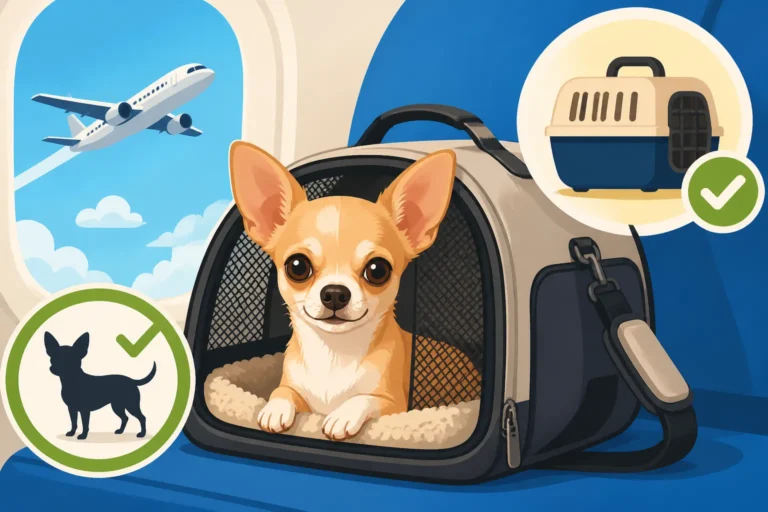
The core of in-cabin pet travel revolves around your Chihuahua fitting comfortably under the seat in front of you. This isn't just a suggestion; it's a strict rule enforced by federal aviation regulations. Airlines will specify maximum dimensions for pet carriers, which typically range from 18"L x 11"W x 11"H or similar, though some might be a bit more generous or restrictive. The carrier must be soft-sided to allow for some flexibility, but crucially, your Chihuahua needs to be able to stand up, turn around, and lie down naturally inside the carrier without touching the top. This isn't just about meeting the airline's rules; it's about your dog's comfort and well-being during what can be a long journey.
Booking your Chihuahua's spot is also paramount, and it's not something you can leave until the last minute. Most airlines limit the number of pets allowed in the cabin per flight to prevent overcrowding and ensure all human and animal passengers have a pleasant experience. It's best to call the airline directly to book your pet's reservation before you finalize your own ticket, as space is allocated on a first-come, first-served basis. If the pet spots are full, you're out of luck for that particular flight, no matter how small and well-behaved your Chihuahua is. This proactive approach saves a lot of stress down the line.
The Cost of Flying Your Chihuahua in Cabin
Let's talk money, because flying with a pet isn't free. The fees for bringing a Chihuahua in the cabin can vary significantly between airlines, but generally, you can expect to pay anywhere from $95 to $125 per one-way flight within the United States, and potentially more for international travel. This fee is in addition to your own ticket price and is usually paid at check-in, though some airlines might allow pre-payment online. It's a cost you need to factor into your travel budget, and it's non-refundable if your flight is canceled and you choose not to rebook.
These costs are often set policies, but it's always wise to confirm the exact fee when you make your pet's reservation. There can be slight variations based on destination (domestic vs. international), and some routes or aircraft types might have different charges. For a deeper dive into these charges, you might find our guide on What Airlines Charge to Fly a Chihuahua in Cabin helpful. Remember, these fees contribute to the airline's overhead for managing pet travel and ensuring compliance with regulations, so while it might feel like a hefty sum for a tiny dog, it's a standard part of the process.
Health and Vaccination Requirements for Air Travel
Ensuring your Chihuahua is healthy enough to fly is non-negotiable, and airlines will often require documentation to prove it. Most airlines require a health certificate issued by a licensed veterinarian within a specific timeframe – usually 10 days before your travel date, but sometimes as little as 48 hours for international flights. This certificate confirms your Chihuahua is fit for travel, free of infectious diseases, and up-to-date on all necessary vaccinations, including rabies. Always check the specific requirements of your destination, as some states or countries have additional entry regulations.
Beyond the basic health certificate, your vet can also advise on any specific concerns related to your Chihuahua's breed and travel. For instance, brachiocephalic (short-nosed) breeds often face restrictions due to breathing difficulties at altitude, though Chihuahuas are not typically categorized this way unless they have severe respiratory issues. Some vets might recommend against flying entirely for very young puppies, senior Chihuahuas, or those with underlying health conditions. It's important to have an open conversation with your vet about your travel plans and your Chihuahua's individual health to mitigate any potential risks and ensure a safe journey.
Choosing the Right Carrier for Your Chihuahua
The carrier isn't just a box; it's your Chihuahua's personal space for the entire journey, a safe haven where they'll spend hours. Selecting the correct one is absolutely critical for both compliance with airline rules and your pet's comfort and security. You can find many options from retailers like Chewy, but ensure it meets all specifications.
Essential Features of an Approved In-Cabin Carrier
When choosing an in-cabin carrier for your Chihuahua, the first thing to prioritize is that it meets specific dimensions allowed by the airline. While dimensions vary, a good rule of thumb is a soft-sided carrier that can compress slightly to fit under the seat, but never to the point where it restricts your dog's movement. Look for a carrier that allows your Chihuahua to stand, turn around, and lie down comfortably without their head touching the top of the carrier. This might seem obvious, but it's easy to misjudge with a wiggly little dog! Many carriers on the market are specifically labeled as "airline approved," but it's still your responsibility to double-check the exact measurements against your chosen airline's policy.
Beyond size, critical features include ample ventilation. Mesh windows on multiple sides are a must to ensure proper airflow, preventing overheating and allowing your Chihuahua to see their surroundings, which can reduce anxiety. The carrier should also have a leak-proof bottom with absorbent padding in case of accidents – because let's face it, even the most perfectly house-trained Chihuahua might have an unexpected mishap during a stressful travel day. A comfortable, washable fleece pad inside the carrier will also make a huge difference to their experience, providing a soft surface and absorbing some of the vibrations of travel. This level of detail helps ensure your Chihuahua Carriers That Meet Airline Rules are up to snuff.
Training Your Chihuahua to Love Their Carrier
Introducing your Chihuahua to their travel carrier shouldn't happen on travel day. That's a recipe for disaster! The carrier needs to become a positive, safe, and familiar space long before you head to the airport. Start by leaving the carrier open in a common area of your home, perhaps with a favorite blanket or toy inside. Allow your Chihuahua to explore it at their own pace, tossing high-value treats inside to encourage them to enter voluntarily. The goal is for them to associate the carrier with good things, not confinement or fear.
Once your Chihuahua is comfortable entering and exiting, begin closing the door for very short periods, gradually increasing the duration. Feed them meals inside the carrier, offer chew toys, or even just let them nap in there. You can practice carrying them around the house in it, or even take short car rides. This desensitization process is vital in minimizing stress on the actual travel day. A Chihuahua that is already relaxed and content in their carrier will have a much smoother journey, reducing potential barking or frantic behavior. Consistent, positive reinforcement training transforms a scary box into a cozy den.
Preparing Your Chihuahua for the Flight Experience
The days and hours leading up to your flight are just as important as the flight itself. Thoughtful preparation can make all the difference in ensuring your Chihuahua feels secure, calm, and ready for their big adventure. Remember, their small size makes them more susceptible to changes in environment and routine.
Pre-Flight Veterinary Check-Ups and Medications
As mentioned earlier, a pre-flight veterinary check-up is crucial. Not only will your vet issue the necessary health certificate, but they can also assess your Chihuahua's overall health for travel. Discuss any anxieties your Chihuahua might have. Some vets may prescribe mild anti-anxiety medication if absolutely necessary, but generally, tranquilizers are not recommended for air travel. They can interfere with your dog's ability to regulate body temperature and blood pressure at altitude, posing serious health risks. Instead, your vet might suggest natural calming aids or pheromone sprays that can be used on the carrier.
This appointment is also a good time to ensure your Chihuahua's microchip information is up-to-date and registered with your current contact details. While it’s rare for a pet to get lost during in-cabin travel, accidents can happen, and a microchip is the fastest way to reunite you with your dog. You might also want to ask your vet about common issues for toy breeds, like Chihuahua Hypoglycemia and the Puppy Emergency, which can be exacerbated by stress or lack of food, and how to carry emergency glucose if needed. Being proactive with health preparations offers peace of mind.
Managing Potty Breaks and Hydration Before and During Travel
A well-timed potty break before heading to the airport is essential. Aim for one last opportunity right before you enter the terminal. Most major airports now have designated pet relief areas, both outside and sometimes even inside the security checkpoint, which can be a lifesaver during long layovers. Research these locations beforehand so you know exactly where to go. While inside the carrier during the flight, your Chihuahua should ideally not need to relieve themselves, but having an absorbent pad in the carrier is a good backup.
Hydration is important, but needs to be managed carefully. Offer water freely before you leave for the airport, but limit it for about an hour or two before boarding to reduce the chance of in-carrier accidents. During the flight, you cannot take your Chihuahua out of the carrier, but if the flight is long, you can often offer a few ice chips through the mesh to provide hydration without the risk of a spill. Small sips of water can also be offered during layovers in a pet relief area. Remember, stress can quickly impact a Chihuahua's tiny body, so keeping them comfortable and hydrated within the rules is key.
Packing the Essentials for Your Chihuahua's Journey
Think of packing a "go-bag" for your Chihuahua, much like you would for yourself. This should include a small portion of their regular food, perhaps pre-portioned for each meal. Brands like Ollie offer convenient fresh food options that can be easier to pack in small, sealed containers. Don't introduce new foods right before or during travel, as this can upset their stomach. Pack some favorite small treats, a familiar toy or blanket (that fits within the carrier without crowding), and a collapsible water bowl. Having these familiar items around can provide immense comfort in a new environment.
Crucially, don't forget their health documents. Keep copies of their health certificate, vaccination records, and any necessary permits in a waterproof pouch that is easily accessible. Consider having digital copies on your phone as well. Attach a tag to the carrier with your name, phone number, and flight information, just in case. Having all these essentials organized and ready will reduce your own stress, which in turn helps keep your Chihuahua calmer.
Onboard Comfort and Safety for Your Little Traveler
The moment you step onto the plane, your focus shifts to making the flight as comfortable and safe as possible for your Chihuahua, who will now be confined to their carrier under the seat. It’s about minimizing external stressors and maximizing their sense of security.
Settling Your Chihuahua During the Flight
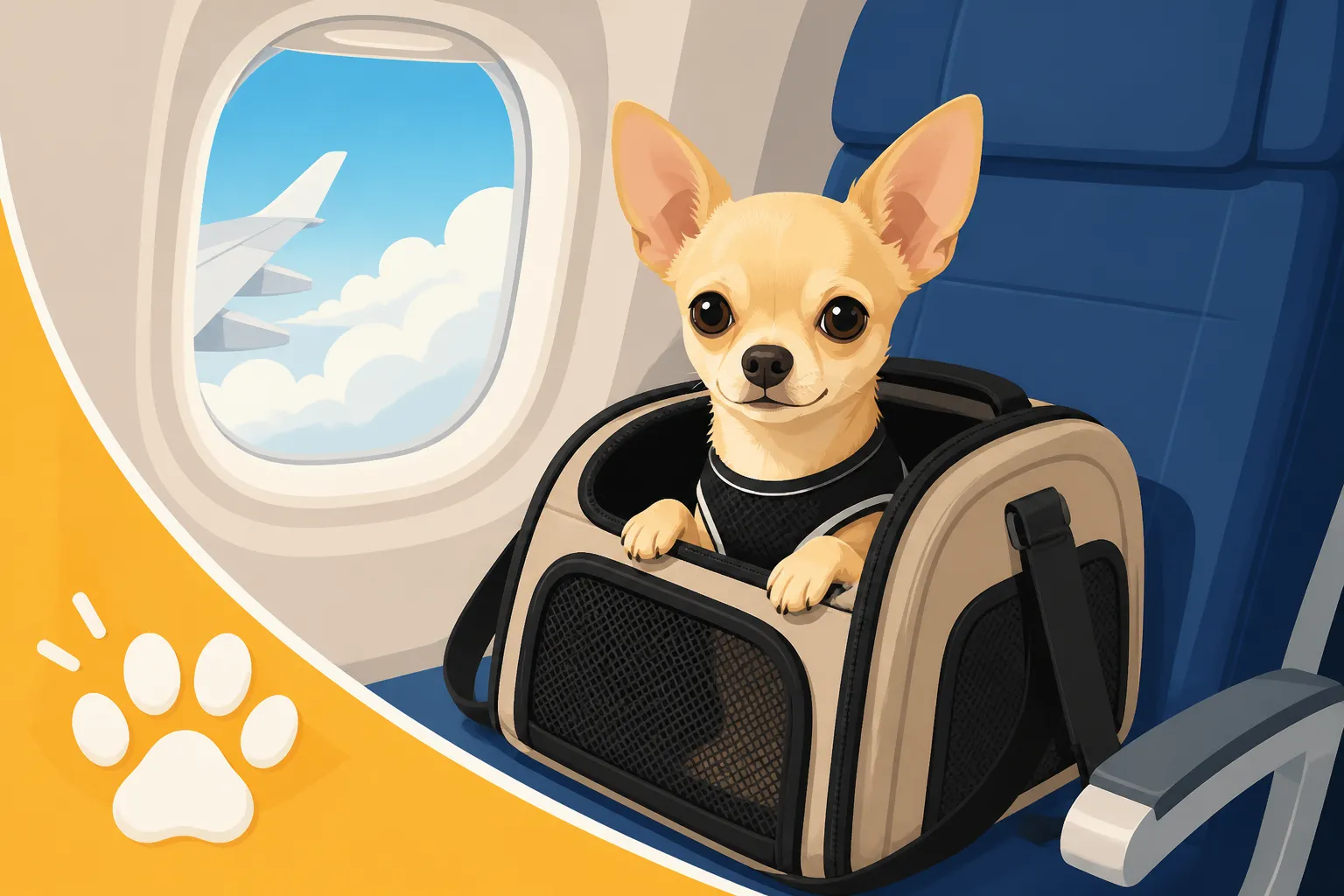
Once you're onboard and settled into your seat, gently place your Chihuahua's carrier under the seat in front of you. Position it so that the ventilation openings are not blocked. It's often helpful to angle the carrier so you can occasionally peek in and offer soft words of reassurance, or even discreetly offer a tiny treat if your airline allows. The ambient noise of the plane's engines can actually be quite soothing for some dogs, acting like white noise, but others might find it unsettling. Try to create a small, dark den-like atmosphere by draping a light blanket or scarf over part of the carrier, but always ensure proper ventilation is maintained.
Remember, your Chihuahua must remain in their carrier with the door closed for the entire flight, from the moment you board until you reach the arrival gate. This is a strict safety regulation. Resist the urge to sneak them out for a cuddle, no matter how much they whimper or how cute they look. Not only could it result in fines or future travel restrictions, but it also compromises their safety during turbulence or unexpected movements. Focus instead on establishing a calm, reassuring presence through the carrier. If you've spent time training them to love their carrier, this confinement will be much easier for them.
Addressing In-Flight Needs and Concerns
Airplanes can be chilly, and given a Chihuahua's minimal body fat, they are prone to getting cold. Consider dressing your Chihuahua in a comfortable, lightweight sweater for the flight, especially if you know they tend to shiver. If they are not used to wearing clothes, refer to resources like Getting a Chihuahua Used to Wearing Clothes well in advance of your trip. While you can't offer extensive food or water during the flight, as mentioned, small ice chips can be a safe way to provide hydration for longer journeys. Avoid over-feeding before the flight to prevent an upset stomach, but ensure they've had a small meal a few hours prior to maintain their blood sugar.
Be mindful of the cabin environment. Loud noises, sudden movements, or even strong smells can be alarming to a small dog. If your Chihuahua seems overly distressed, a quiet, soothing voice can often help. Some owners use a pheromone spray like Adaptil, spritzed inside the carrier an hour or so before travel, to create a calming effect. If your Chihuahua starts making The Noise a Panicking Chihuahua Makes, try to identify if it's due to cold, discomfort, or anxiety, and address it within the confines of what's allowed. A truly distressed dog might benefit from a gentle, comforting touch through the mesh if possible, or just your steady, reassuring presence.
Post-Flight Transition and Decompression
As soon as the plane lands and it's safe to do so, your Chihuahua will likely be eager for a proper stretch and a potty break. Head straight for the nearest pet relief area after disembarking and exiting the terminal. Allow them plenty of time to explore, sniff, and relieve themselves. Offer fresh water and a small, familiar meal if it's mealtime. The transition from the confined carrier to open space can be a bit disorienting, so give them patience and positive reinforcement.
Once you reach your final destination, try to re-establish your Chihuahua's routine as quickly as possible. This includes regular feeding times, designated potty breaks, and plenty of quiet, comfortable rest. Watch for signs of stress or unusual behavior for a day or two after travel. Some Chihuahuas might be extra clingy, a bit withdrawn, or even have a temporary change in appetite. Provide a quiet, secure space where they can decompress. If you're staying in a hotel, be aware of Hotel Pet Fees With a Chihuahua and ensure your room provides a safe environment. Remember that your Chihuahua has just experienced a significant shift in their routine and environment, and they'll need time to adjust.
Common Challenges and Troubleshooting for Chihuahua Travel
Even with the best preparation, travel can throw curveballs. Anticipating these challenges and having a plan can turn a potential disaster into a minor hiccup, keeping both you and your Chihuahua calmer.
Dealing with Anxiety and Barking on the Plane
It's a common worry: what if your Chihuahua barks incessantly on the plane? While no one wants an upset dog or annoyed fellow passengers, addressing potential anxiety proactively is key. Start by making sure your Chihuahua is sufficiently exercised before the flight. A good, long walk or some vigorous play before heading to the airport can help tire them out, making them more inclined to rest during the flight. For ideas on suitable exercise, consider our article on Chihuahua Exercise for a Dog That Fits in a Bag.
During the flight, if your Chihuahua starts to vocalize or show signs of distress (like trembling or excessive panting), try to provide quiet reassurance. A soft voice, a gentle touch through the carrier mesh, or even simply your calming presence can make a difference. Some owners find that a familiar, small chew toy or lick mat (if allowed and not messy) can distract and comfort their Chihuahua. If you suspect separation anxiety might be an issue, our guide on Chihuahua Separation Anxiety and Time Alone offers helpful strategies you can implement before travel. Never scold or punish your Chihuahua for being anxious; it will only exacerbate their fear.
Unexpected Delays and Layover Management
Travel delays are an unfortunate reality, and they can be particularly stressful when you're traveling with a pet. Before you leave, have a contingency plan. Pack extra food and any necessary medications, along with a small amount of emergency glucose gel, especially if your Chihuahua is prone to Emergency Costs When a Chihuahua Goes Hypoglycemic due to stress. If your flight is delayed significantly or you face an unexpected layover, immediately locate the nearest pet relief area at the airport. Many airports now have indoor facilities specifically for this purpose, which are incredibly useful during bad weather or tight connections.
For extended delays, communicate with airline staff about your pet's needs. While they may not be able to offer much beyond directing you to pet relief areas, they might provide updates on the new departure time, allowing you to better plan your Chihuahua's comfort breaks. If a layover becomes overnight, you'll need to find a pet-friendly hotel near the airport – research these in advance if possible. Having a small, comfortable blanket, a familiar toy, and their usual food can help your Chihuahua cope with the unexpected disruption, making a stressful situation a little more manageable for everyone.
Disclaimer
The information provided in this article is for general informational purposes only and does not constitute veterinary advice. Always consult with a qualified veterinarian for any health concerns or before making any decisions about your pet's care, especially concerning travel. Airline policies change frequently, so always verify current regulations directly with your chosen airline before making travel plans.