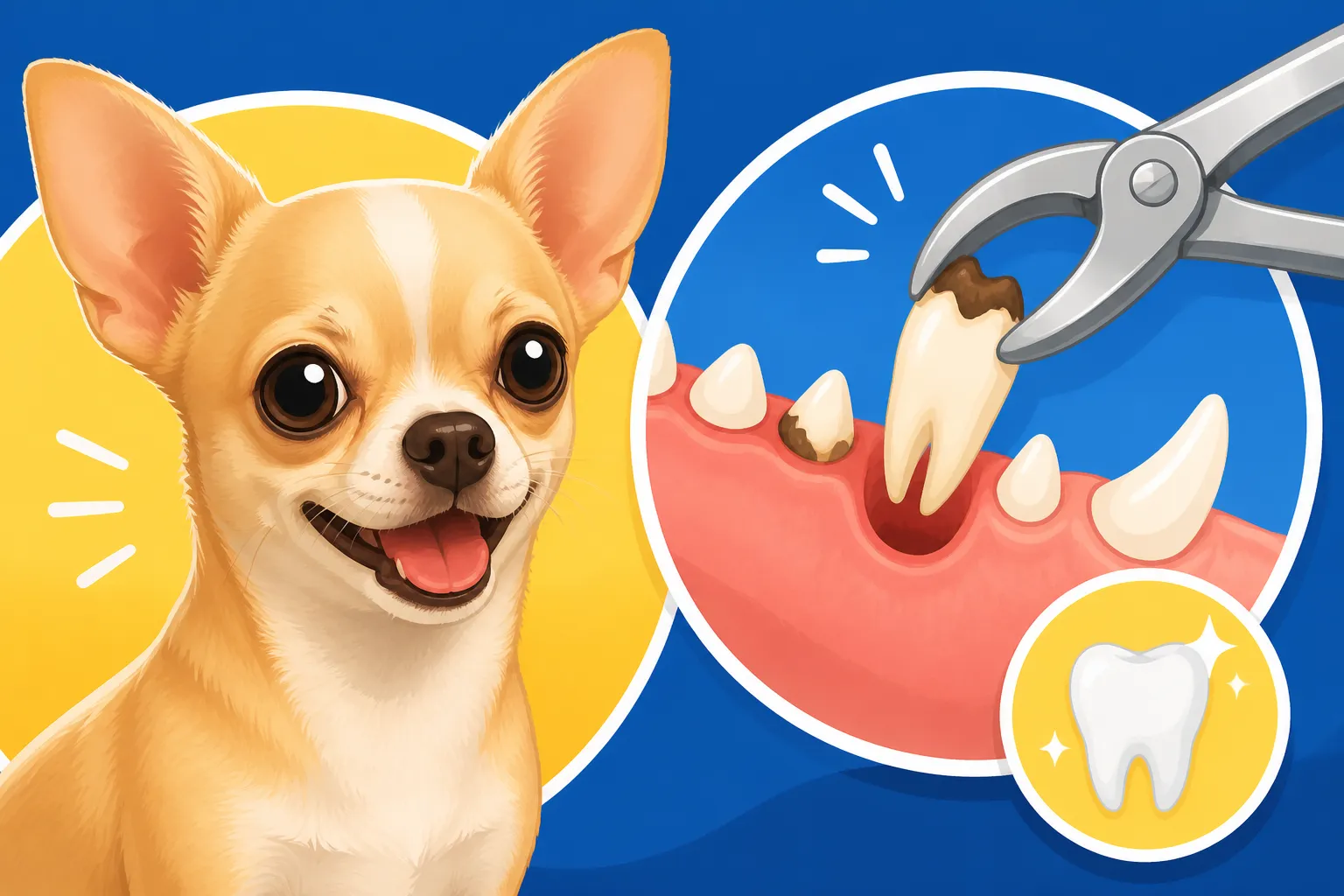
Chihuahua Tooth Extractions From $500 to $1,500
It's a heartbreaking reality for many Chihuahua owners: you adore your tiny companion, you try your best to care for them, yet despite all your efforts, your vet delivers the news that your sweet little dog needs multiple tooth extractions. The thought alone can be terrifying, not to mention the worry about the procedure itself and, let's be honest, the looming financial cost. This guide is here to demystify Chihuahua tooth extractions, explain why they're so common, walk you through the process, and help you understand the associated costs, which can range anywhere from $500 to $1,500 or even more.
The Harsh Reality of Chihuahua Dental Disease
If you're a Chihuahua parent, you've likely heard about, or even witnessed firsthand, the breed's notorious predisposition to dental problems. It's not just bad luck; there are very specific reasons why our small friends struggle so much with their oral health, often leading to extractions being an unavoidable part of their care. It truly feels unfair sometimes, doesn't it? Like they're set up for these issues from the start.
Why Chihuahuas Are Prone to Dental Issues
One of the primary culprits behind extensive dental disease in Chihuahuas is their anatomy. Picture this: a tiny mouth designed to hold a full set of 42 adult teeth, just like a much larger Labrador or German Shepherd. There simply isn't enough room! This crowding leads to teeth pushing against each other, creating tight crevices and overlaps where food particles and bacteria can easily get trapped. These hidden pockets are incredibly difficult to clean, even with diligent brushing, and they become breeding grounds for plaque and tartar. This isn't just a cosmetic issue; it's a structural one that directly contributes to rapid dental deterioration.
Beyond the crowding, Chihuahuas also seem to have a genetic predisposition to faster tartar accumulation and more aggressive periodontal disease. Many owners report seeing significant buildup even in young dogs, leading to Chihuahua Tartar Building Up by Age Three, a stage where larger breeds might still have relatively clean teeth. This accelerated process means that what might be a minor concern in a bigger dog can quickly escalate into a serious infection or painful tooth loss in a Chihuahua. It’s like their dental clock runs on fast forward, making proactive care and early intervention absolutely crucial to their long-term comfort and health.
When Extractions Become Necessary
Extractions aren't usually the first choice; they become necessary when a tooth is beyond saving or is causing significant pain and health risks to your Chihuahua. The most common reason is advanced periodontal disease. This insidious condition affects the tissues supporting the teeth – the gums, ligaments, and bone. As the disease progresses, it leads to gum recession, bone loss, and eventually, the loosening of teeth. Imagine trying to eat with wobbly, painful teeth; it's no wonder Chihuahuas with severe periodontal disease often struggle to chew, lose weight, or become withdrawn. In these cases, removing the affected teeth is the kindest option to alleviate chronic pain and prevent the spread of infection.
Another frequent culprit leading to extractions, especially in younger Chihuahuas, is the issue of retained deciduous teeth, or "puppy teeth." Unlike most breeds where baby teeth fall out naturally as adult teeth emerge, Chihuahuas often hold onto their puppy canines or incisors. When both the baby tooth and adult tooth are present in the same socket, it creates a double layer of dental surfaces where food gets trapped, accelerating tartar buildup and gum inflammation. If not addressed, these retained teeth can severely impact the alignment and health of the permanent teeth. Fractured teeth, often caused by chewing on hard objects or accidental trauma, can also necessitate extraction, especially if the fracture exposes the pulp cavity, leading to infection and intense pain. Sometimes, an X-ray reveals a hidden abscess at the root of a seemingly healthy tooth, or a tooth that has suffered significant damage beneath the gumline, all pointing to extraction as the best course of action. It's a tough decision, but one that ultimately improves their quality of life.
Understanding the Extraction Procedure
The thought of your tiny Chihuahua undergoing anesthesia and having teeth pulled can be incredibly daunting. It's natural to feel anxious, but understanding the steps involved can help alleviate some of that worry. Modern veterinary dentistry prioritizes safety and thoroughness, especially for small breeds like Chihuahuas.
The Comprehensive Pre-Operative Assessment
Before your Chihuahua even steps foot into the operating room for a dental procedure, a thorough pre-operative assessment is absolutely essential. This isn't just a quick look-over; it's a deep dive into their overall health to ensure they can safely handle anesthesia and the surgery itself. Your veterinarian will perform a complete physical exam, paying close attention to their heart, lungs, and existing dental condition. This is often followed by comprehensive bloodwork, which is particularly crucial for toy breeds. These tests check organ function, blood cell counts, and look for any underlying conditions that might increase anesthetic risk or complicate recovery. For example, issues with kidney or liver function could affect how well your Chihuahua metabolizes anesthetic drugs.
You'll have a detailed discussion with your vet about any concerns you might have, and they'll outline the specific risks and benefits tailored to your dog's age and health status. This is the time to ask about everything from the type of anesthesia used to the monitoring equipment in place. For Chihuahuas, whose small size means they can be more sensitive to medications and temperature fluctuations, these discussions are vital. Understanding Anesthesia Risk During a Chihuahua Dental is paramount, and a reputable veterinary clinic will take every precaution, from IV fluids to keep them hydrated and maintain blood pressure, to warming blankets to prevent hypothermia during the procedure. This meticulous preparation is foundational to a safe and successful outcome.
What Happens During the Surgery
Once your Chihuahua has undergone their pre-operative assessment and is deemed healthy enough for surgery, the actual extraction procedure begins. Your vet will induce anesthesia, and throughout the entire process, dedicated veterinary technicians will meticulously monitor your dog's vital signs – heart rate, respiration, blood pressure, oxygen saturation, and temperature. This constant vigilance is critical to ensure their safety. One of the most important parts of any modern dental procedure, especially for Chihuahuas, is the use of full-mouth dental X-rays. What we see on the surface of a Chihuahua's tooth is often only part of the story; up to 60% of dental disease lies hidden beneath the gum line. X-rays allow the veterinary team to assess the roots, detect bone loss, identify abscesses, or spot any un-erupted or retained teeth that might otherwise be missed. This comprehensive imaging is key to deciding which teeth genuinely need to be extracted and which can be saved.
After the X-rays, any healthy teeth will be thoroughly scaled to remove plaque and tartar both above and below the gum line, and then polished to create a smooth surface that's harder for new plaque to adhere to. For the teeth that need to be extracted, the process is performed with extreme care. The goal is to remove the entire tooth, including the root, while minimizing trauma to the surrounding bone and gum tissue. This often involves techniques like creating a gingival flap, sectioning multi-rooted teeth, and meticulously cleaning the socket. Once the tooth is out, the extraction site is carefully sutured, promoting healing and preventing food from accumulating in the empty socket. This meticulous approach helps prevent complications and ensures your Chihuahua can heal comfortably, ultimately leading to a pain-free mouth.
Breaking Down the Costs of Chihuahua Tooth Extractions
The cost of veterinary care, especially surgery, can be a major source of stress for pet parents. When it comes to Chihuahua tooth extractions, the bill can vary quite a bit, but typically falls within the $500 to $1,500 range, sometimes more. It's a significant investment, but understanding what you're paying for can help manage the financial aspect.
Factors Influencing the Total Bill
Several key factors play into the final cost of your Chihuahua's tooth extractions. The most obvious, of course, is the number of teeth that need to be removed. A single, simple extraction will naturally cost less than removing multiple teeth. However, the complexity of each extraction also heavily influences the price. A tooth that is very loose and falls out easily is a simple extraction. A tooth that is fractured below the gumline, has fused roots, or requires a surgical approach with bone removal and sutures will be significantly more expensive. These complex procedures require more time, specialized tools, and greater surgical skill.
Geographic location is another major determinant. Veterinary costs can vary widely depending on whether you live in a large metropolitan area like Los Angeles or New York, versus a more rural community in the Midwest. Urban clinics often have higher overheads, which translate to higher prices. Furthermore, whether the procedure is performed by your general practice veterinarian or requires a referral to a board-certified veterinary dental specialist will impact the cost. Specialists possess advanced training and equipment, and while they may charge more, they can be invaluable for particularly challenging cases or those requiring advanced imaging techniques. Beyond the extractions themselves, the overall bill will also include essential services like the initial consultation, pre-operative bloodwork, IV fluids, the cost of anesthesia and its monitoring throughout the procedure, and all necessary post-operative pain medication and antibiotics. All these components combine to determine the final figure, often leading to a higher total than many owners initially expect. This is part of the reason Why a Chihuahua Dental Costs More Than a Labrador's, as the intricate work and specialized care for such a tiny patient come at a premium.
What the Bill Often Includes
When you receive the estimate or the final bill for your Chihuahua's tooth extractions, you'll see a breakdown of various services and supplies. It's rarely just a single line item for "extractions." Typically, the process starts with a consultation fee, which covers the veterinary examination to assess the dental problem and discuss the treatment plan. Pre-anesthetic bloodwork is almost always included, ensuring your Chihuahua is healthy enough for anesthesia. During the procedure itself, you'll see charges for anesthesia induction and monitoring, which accounts for the anesthetic drugs, the time of the veterinary team dedicated to monitoring vital signs, and the use of specialized equipment.
Crucially, full-mouth dental radiographs are a non-negotiable part of a thorough dental procedure for Chihuahuas; this allows the vet to see what's happening beneath the gumline, and this imaging comes with its own cost. Scaling and polishing of all remaining healthy teeth are standard, ensuring a clean slate. The extraction fees will then be listed, either as a flat fee per tooth, or tiered based on the complexity of each individual extraction (e.g., simple, moderate, surgical). Post-operative medications, including pain relief and antibiotics to prevent infection, are dispensed to go home with you. IV fluids, administered throughout the surgery, are vital for maintaining blood pressure and hydration in tiny patients. While the costs can feel significant, each component contributes to the safety, thoroughness, and success of the procedure, and ultimately, your Chihuahua's comfort.
Here's a generalized example of what a Chihuahua tooth extraction bill might look like, though actual prices vary widely:
| Service/Item | Estimated Cost Range | Notes |
|---|---|---|
| Oral Exam/Consultation | $50 – $100 | Initial assessment before scheduling surgery |
| Pre-Anesthetic Bloodwork | $100 – $250 | Essential for assessing organ function and anesthetic risk |
| IV Catheter & Fluids | $50 – $150 | Maintains hydration, blood pressure; provides venous access |
| Anesthesia & Monitoring | $200 – $500 | Anesthetic drugs, dedicated monitoring tech, specialized equipment |
| Full Mouth Dental X-rays | $150 – $300 | Crucial for identifying hidden disease below the gumline |
| Dental Scaling & Polishing | $100 – $250 | Cleaning of all healthy teeth |
| Simple Extraction (per tooth) | $50 – $150 | For loose or easily removed teeth |
| Moderate Extraction (per tooth) | $150 – $300 | Requires more effort, possibly minor gum flap |
| Surgical Extraction (per tooth) | $300 – $600+ | Complex, involves bone removal, sectioning, extensive suturing |
| Pain Medication (take-home) | $30 – $80 | Essential for comfortable recovery |
| Antibiotics (take-home) | $30 – $70 | Prevents post-operative infection |
| Total (estimate for 2-4 extractions) | $500 – $1,500+ | Varies greatly based on number/complexity of extractions, location, clinic |
Navigating Unexpected or Higher Costs
While the table above provides a general idea, it's important to be prepared for scenarios that could push costs higher than anticipated. One of the more serious potential complications, especially in Chihuahuas with severe dental disease and significant bone loss, is a jaw fracture during extraction. Their tiny, delicate jaws, weakened by infection, can be surprisingly fragile. If this occurs, it necessitates immediate additional care, potentially specialized surgery, and could significantly increase the total bill. This is why thorough pre-operative X-rays are so critical – they allow the vet to assess bone integrity and plan extractions carefully to minimize this risk.
Sometimes, your general practice vet might recommend a referral to a veterinary dental specialist. This is common for cases involving complex fractures, teeth that are notoriously difficult to extract, or if your Chihuahua has other complicating health issues. While a specialist's fees are higher, their expertise and advanced equipment often lead to better outcomes for challenging cases. Beyond the surgery itself, there might be unexpected follow-up appointments, especially if there are concerns about healing, infection, or if your Chihuahua has a particularly sensitive recovery. These additional visits and any further medications will add to the overall expense. It truly underlines the importance of budgeting for veterinary care, as unexpected costs can certainly arise. For many owners, understanding the potential for these higher bills reinforces the value of preventative care and planning ahead, such as saving up annually for dental care or looking into pet insurance, which can help with the financial burden of these essential procedures.
Post-Operative Care and Recovery at Home
Bringing your Chihuahua home after tooth extractions can be a bit nerve-wracking. They've just been through surgery and anesthesia, and their little mouths are undoubtedly sore. Your role in their post-operative care is crucial for a smooth and comfortable recovery.
Immediate Aftercare and Pain Management
When you pick up your Chihuahua from the vet, they might still be a little groggy from the anesthesia. The most important thing is to get them home to a quiet, warm, and comfortable space where they can rest without disturbance. Make sure they have a cozy bed or blanket nest to burrow into, as their small bodies can chill easily after surgery. Your veterinarian will send home specific instructions, which will almost certainly include prescribed pain medication and possibly antibiotics. It is absolutely vital that you administer these medications exactly as directed, even if your Chihuahua seems to be feeling better. Pain relief is key to a comfortable recovery, encouraging them to eat and drink. Antibiotics, if prescribed, are crucial for preventing infection in the extraction sites.
You'll need to closely monitor your Chihuahua for any signs of complications over the next few days. Keep an eye out for excessive swelling around the mouth or face, persistent bleeding, extreme lethargy, loss of appetite, or any signs of severe discomfort beyond what the pain medication seems to be handling. While some mild swelling and a little drooling are normal, anything that seems unusual should prompt a call to your vet. Remember, your Chihuahua relies on you to recognize when something isn't right, so trust your instincts and don't hesitate to reach out to your veterinary team if you have any concerns at all.
Adjusting Diet and Routine
After tooth extractions, your Chihuahua's mouth will be sore, and chewing hard food will be uncomfortable, if not impossible. Your vet will advise you on dietary changes, which typically involve feeding only soft foods for at least 1-2 weeks, sometimes longer depending on the extent of the extractions. This might mean offering canned dog food, or if your Chihuahua is used to kibble, softening it thoroughly with warm water or broth until it's mushy. Many owners find success with retailers like Chewy for a wide selection of palatable canned foods, or fresh food delivery services such as Ollie which often provide soft, easily digestible meals perfect for recovery. The goal is to make eating as pain-free as possible, ensuring they get the nutrition they need to heal. Avoid any hard treats, chew toys, or even dental chews during this period, as these can easily damage the healing gum tissue and extraction sites.
Maintaining hydration is equally important, so ensure they always have fresh water available and encourage them to drink. Your vet might suggest adding a little water to their food to increase fluid intake. Beyond diet, you'll also need to restrict their activity. No jumping on or off furniture, no rough play, and short, calm leash walks for potty breaks only. The idea is to minimize any activity that could put strain on their healing jaw or cause accidental trauma. For a Chihuahua who might only have a few teeth left, knowing How a Toothless Chihuahua Eats becomes a long-term adjustment, often requiring a permanent switch to a soft diet. This period of careful rest and dietary modification is essential for proper healing and prevents complications that could prolong recovery.
Long-Term Dental Health After Extractions
While extractions solve immediate pain and infection, they don't necessarily stop future dental problems for the remaining teeth. In fact, if your Chihuahua has had extractions due to advanced periodontal disease, it's a clear signal that their remaining teeth are still at risk. Therefore, a renewed and vigilant commitment to daily dental hygiene is paramount. This means brushing any remaining teeth every single day using a dog-specific toothbrush and toothpaste. It might seem like a chore, but it's the single most effective way to prevent plaque and tartar buildup from leading to more extractions down the line. Many owners who experienced severe dental issues with their Chihuahuas wish they had been more consistent with Brushing a Chihuahua's Teeth Every Single Day from the start.
Regular veterinary dental check-ups become even more important after extractions. Your vet will want to monitor the healing of the extraction sites and assess the health of the remaining teeth. These check-ups are opportunities for early intervention, catching any new tartar buildup or gum inflammation before it escalates into another painful and costly extraction procedure. Additionally, this is where pet insurance can really shine. While most policies won't cover pre-existing conditions (like the dental disease that led to the current extractions), enrolling your Chihuahua with a company like Healthy Paws early on can provide coverage for future dental ailments or unexpected accidents. A proactive approach to long-term dental health, combining daily at-home care with professional veterinary oversight, is the best strategy to ensure your Chihuahua enjoys a pain-free mouth for years to come.
Preventing the Need for Extensive Extractions
While sometimes extractions are unavoidable, particularly in Chihuahuas given their unique dental challenges, there's a lot we can do as owners to minimize the need for extensive procedures. Prevention truly is the best medicine when it comes to dental health for our tiny companions.
Proactive Daily Dental Hygiene
The cornerstone of preventing extensive tooth extractions is a consistent, proactive daily dental hygiene routine at home. This means brushing your Chihuahua's teeth every single day, without fail. It's not just a nice-to-have; for Chihuahuas, it's a non-negotiable part of their care, given how quickly tartar can accumulate in their crowded mouths. Start this routine when your Chihuahua is a puppy, if possible, to get them accustomed to it. Use a soft, finger-sized toothbrush or a very small child's toothbrush and always use a veterinary-approved toothpaste specifically designed for dogs. Never use human toothpaste, as it contains ingredients that are toxic to pets. The goal isn't just to brush, but to thoroughly clean all surfaces of the teeth, especially those tiny molars and premolars hidden in the back.
Consistency is absolutely key here. Skipping days allows plaque to harden into tartar, which can only be removed by a professional cleaning under anesthesia. Many owners find that setting aside The Two Minute Daily Chihuahua Tooth Routine as part of their dog's evening ritual makes it easier to stick to. Even if your Chihuahua is older and you're just starting, it's never too late to try. Gradual introduction, positive reinforcement with treats, and making it a positive experience can help even the most reluctant Chihuahua tolerate brushing. This daily commitment is your first and strongest line of defense against the painful progression of periodontal disease that often leads to costly extractions.
Regular Professional Cleanings
Even with the most diligent at-home brushing, Chihuahuas, due to their unique dental anatomy and genetic predispositions, almost invariably require regular professional dental cleanings under anesthesia. Think of it like your own dental check-ups and cleanings – you brush every day, but still need your hygienist for a deeper clean. For Chihuahuas, these professional cleanings are typically recommended annually, or even bi-annually for those with a history of rapid tartar buildup or advanced disease. These aren't just cosmetic cleanings; they involve a thorough examination of each tooth, scaling above and below the gumline to remove hardened tartar, polishing, and full-mouth dental X-rays to check for issues lurking unseen beneath the gums.
Recognizing the signs of early dental disease is crucial. Bad breath (halitosis) is often the first and most obvious indicator that something isn't right. Red, swollen, or bleeding gums, visible tartar buildup, and changes in chewing habits are all red flags. Waiting until your Chihuahua is showing significant pain or has visibly loose teeth means the disease is likely already advanced, making extractions almost inevitable. This is why proactive professional cleanings are so important. Investing in The Yearly Chihuahua Dental Cleaning Bill might seem like an expense, but it's a far less costly and less invasive alternative than waiting until multiple painful extractions are the only option left. By staying ahead of dental disease with both daily brushing and regular professional cleanings, you can significantly improve your Chihuahua's quality of life and potentially save them from significant discomfort and you from major veterinary bills.
Disclaimer
The information provided in this article is for general informational purposes only and does not constitute veterinary advice. Always consult with a qualified veterinarian for any health concerns or before making any decisions related to your Chihuahua's care, especially regarding medical procedures like tooth extractions.