Jaw Fractures From Chihuahua Dental Disease
It’s a heartbreaking reality that for many Chihuahua parents, the topic of dental health isn't just about bad breath or plaque; it’s about a silent, insidious threat that can lead to something truly devastating: a jaw fracture. Given their tiny, delicate bone structure and propensity for severe periodontal disease, Chihuahuas are uniquely vulnerable to this extremely painful and costly complication. This guide aims to shed light on why these fractures happen, how to spot the early warning signs, and most importantly, how to protect your beloved little companion from such a serious ordeal.
Understanding Why Chihuahuas Are Prone to Jaw Fractures from Dental Disease
If you've ever looked at your Chihuahua's tiny mouth, you might already suspect they face unique dental challenges. Their small size, while endearing, often works against them when it comes to oral health, making them far more susceptible to severe dental disease and, ultimately, the risk of a broken jaw. It’s not just bad luck; it’s a combination of anatomy and genetics that puts them in a precarious position.
The Fragile Nature of a Chihuahua's Jawbone
Imagine fitting 42 teeth – the same number a Labrador has – into a jaw that's perhaps one-tenth the size. That's the reality for many Chihuahuas. Their jawbones are incredibly delicate, much thinner and more porous than those of larger breeds. This makes them inherently more fragile, almost like fine china compared to earthenware. In a healthy Chihuahua, this isn't usually an issue, but when dental disease enters the picture, this inherent fragility becomes a serious liability. The tiny roots of their teeth sit very close to the outer surface of the jawbone, meaning that any infection or inflammation around these roots directly impacts the bone itself. It’s a tight squeeze, and unfortunately, there’s little room for error or disease without the bone being compromised.
The problem is compounded by tooth crowding, a common issue in the breed. With limited space, teeth often overlap, rotate, or grow too close together. This creates perfect little nooks and crannies where food particles and bacteria can easily get trapped, making effective cleaning, even with diligent brushing, incredibly difficult. This crowding contributes to why Chihuahuas Lose Teeth Younger Than Big Dogs, accelerating the progression of periodontal disease and weakening the surrounding bone structures much faster.
How Periodontal Disease Erodes Bone Structure
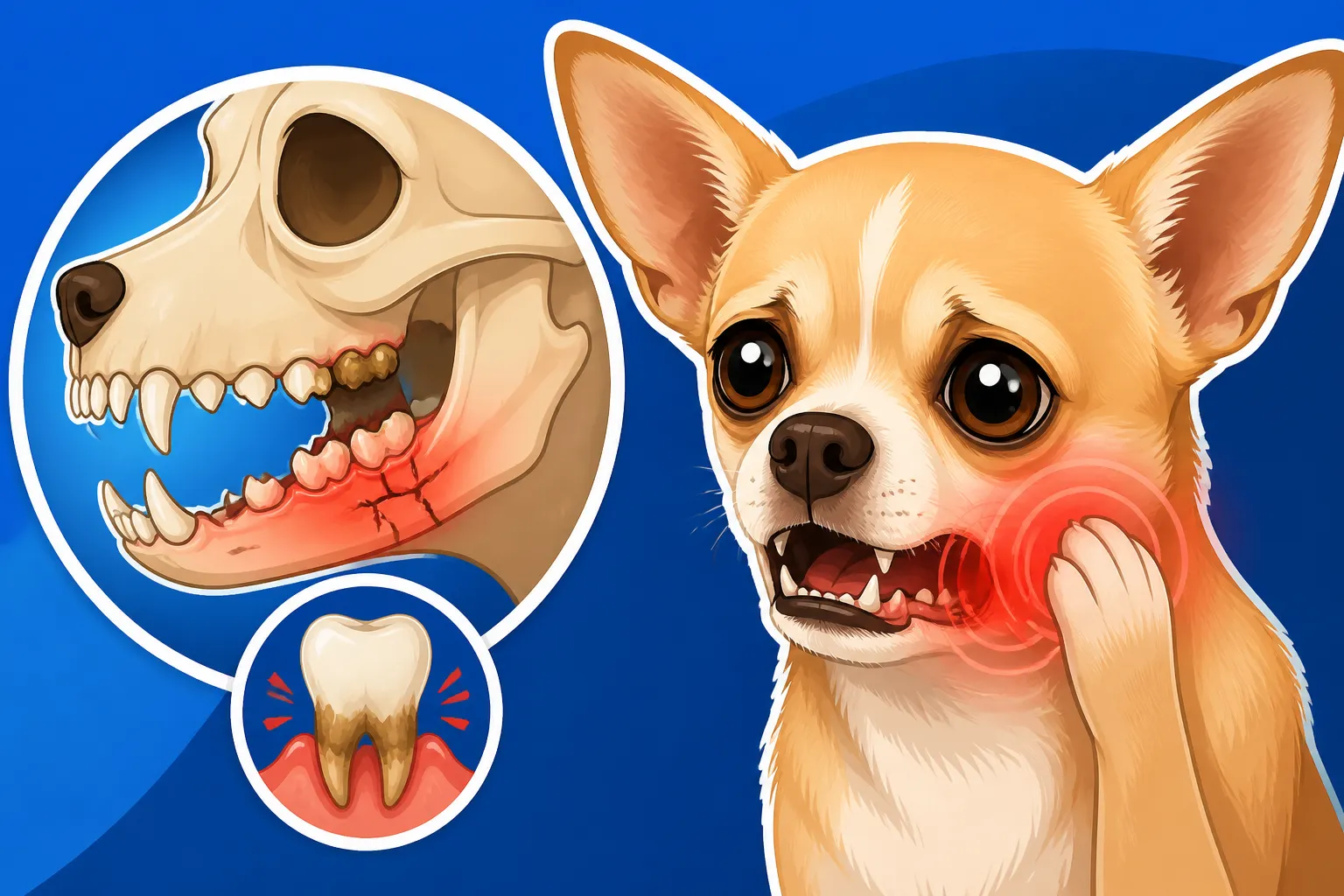
Periodontal disease isn't just about plaque and tartar on the visible parts of the teeth. It's an infection that starts in the gums and, if left untreated, relentlessly works its way down into the supporting structures of the tooth, including the ligament that holds the tooth in place and the very jawbone itself. The bacteria involved release toxins that cause inflammation, destroying the soft tissues and, critically, leading to bone loss. As the infection progresses, pockets form around the tooth roots, filling with pus and bacteria. The body’s immune response tries to fight it, but often, the result is a slow, steady erosion of the alveolar bone that encases the tooth roots.
For a Chihuahua, whose jawbone is already so thin, even a moderate amount of bone loss can significantly compromise its structural integrity. We’re talking about bone that can be as thin as a piece of cardboard in some areas, especially around the lower canines and premolars. When that bone is eaten away by chronic infection, what’s left becomes brittle and incredibly weak. It can reach a point where a simple yawn, a playful shake of the head, or even just eating a crunchy kibble can cause the jaw to snap. It’s a truly frightening thought for any owner, especially considering that this process is often hidden beneath the gum line, invisible to the untrained eye.
Recognizing the Advanced Stages of Dental Trouble
The scary part about dental disease, particularly in its advanced stages, is that our little Chihuahuas are masters at hiding pain. They’re instinctually programmed to mask discomfort, especially around their mouths, making it hard for us to know just how much they’re suffering. However, there are signs that, when you know what to look for, can alert you to severe dental issues that are compromising the jaw.
One of the most obvious indicators is persistent, severe bad breath. This isn't just typical "dog breath"; this is a foul, putrid odor often described as the smell of decay. If your Chihuahua has this kind of bad breath, it's a strong sign of advanced infection, often indicating significant bacterial load and tissue necrosis within the mouth. You might also notice visible tartar buildup that looks like thick, yellowish-brown crusts on the teeth, especially the molars and canines. Gums that are red, swollen, or bleeding easily are also major red flags. Sometimes, you'll even see pus oozing from around the gum line, or the gums may have receded so much that the roots of the teeth are exposed. If you're seeing any of these signs, it's past time for a visit to the vet for a thorough examination and probably a dental procedure. This is the point where the risk of something serious, like a jaw fracture, becomes very real. Addressing Chihuahua Bad Breath and What It Means is crucial, as it’s often the first strong indicator of a deeper problem.
Recognizing the Signs of a Potential Jaw Fracture
Spotting a potential jaw fracture can be incredibly distressing, but knowing what to look for can lead to earlier intervention and a better outcome for your Chihuahua. Because their jaws are so small and delicate, these fractures often happen with little immediate warning, making it vital for owners to be vigilant about their dog's oral health and behavior.
Subtle Behavioral Changes Indicating Pain
Chihuahuas are incredibly stoic animals, often enduring significant pain without overtly complaining. This can make recognizing a problem particularly challenging. However, subtle shifts in their behavior can be significant clues. If your usually enthusiastic eater suddenly becomes hesitant around their food bowl, perhaps taking longer to eat, dropping food, or showing a preference for softer kibble or wet food, this could indicate oral pain. They might start chewing only on one side of their mouth, or they might make unusual noises while eating, like a soft whine or grunt.
Beyond eating, look for changes in their grooming habits. A dog with a painful mouth may stop grooming themselves, leading to a dull coat or matted fur. They might also become withdrawn, less playful, or irritable, especially if you try to touch their face or head. Some Chihuahuas might rub their face against furniture or paw at their mouth frequently, trying to alleviate discomfort. These are not just quirks; they are often direct indicators that something is seriously wrong and causing them considerable pain. Any of these signs should prompt an immediate veterinary visit to investigate the underlying cause.
Physical Symptoms and Oral Examination Clues
While your Chihuahua might try to hide their pain, there are often physical symptoms that can be observed. If you're comfortable and your dog allows it, a gentle visual inspection of their mouth can sometimes reveal issues, though it’s important not to force it if they are already in pain. Look for missing teeth, or teeth that appear loose or are clearly shifting. You might notice unusual swelling around the jawline or under the eye (which can indicate a tooth root abscess). Sometimes, there might be visible bleeding from the mouth, or even dried blood on their fur around their muzzle.
In the case of a jaw fracture, a more severe sign could be an obvious misalignment of the jaw or teeth. The lower jaw might appear to sag slightly, or your Chihuahua might be unable to close their mouth completely. They might drool excessively, often with blood-tinged saliva, because swallowing is painful or difficult. If you notice any of these more severe signs, handle your Chihuahua with extreme care and seek emergency veterinary attention immediately. Do not attempt to manipulate their jaw yourself. This is where having pet insurance, such as a policy from Healthy Paws, can be incredibly helpful, as emergency dental and surgical interventions can be quite costly.
| Symptom Category | Mild to Moderate Dental Pain (Potential Precursor) | Severe Dental Pain (Possible Jaw Fracture) |
|---|---|---|
| Eating Habits | Hesitant, slower eating, dropping food, soft food preference, chewing on one side. | Refusal to eat, inability to pick up or chew food, constant drooling, blood-tinged saliva. |
| Behavior | Reduced playfulness, irritability when touched near mouth, pawing at face, rubbing face. | Extreme lethargy, withdrawal, persistent whining/crying, reluctance to open mouth. |
| Oral Appearance | Bad breath, visible tartar, red/swollen gums, gum recession, exposed tooth roots, pus. | Obvious jaw misalignment, sagging jaw, inability to close mouth, severe swelling, visible bone exposure. |
| Other | Weight loss over time, dull coat, mild facial swelling. | Profuse bleeding, signs of shock, difficulty breathing if swelling is severe. |
The Critical Role of Regular Veterinary Check-ups
Given how adept Chihuahuas are at hiding pain and the subtle nature of early symptoms, regular veterinary check-ups are absolutely non-negotiable. Your vet can perform a thorough oral examination that goes beyond what you can see at home. They can assess gum health, check for loose teeth, and identify areas of concern that might not be immediately obvious. Often, they can tell the severity of the dental disease simply by looking, but a comprehensive assessment always requires radiographs (X-rays) under anesthesia.
During these check-ups, your vet can discuss the frequency of professional cleanings. Many Chihuahuas need a professional dental cleaning every year, sometimes even more frequently, due to the rapid progression of their dental disease. Don't let the fear of Anesthesia Risk During a Chihuahua Dental deter you; modern veterinary anesthesia protocols are very safe, especially for healthy animals, and the risks of untreated dental disease far outweigh the risks of anesthesia. These regular cleanings allow the vet to scale away tartar both above and below the gum line, polish the teeth, and most importantly, take full mouth radiographs. These X-rays are crucial for identifying bone loss around tooth roots, abscesses, or other underlying issues that could lead to a fracture – long before visible signs appear. Being proactive with these regular check-ups is the single most important step you can take to prevent a jaw fracture. This is a key part of your Senior Chihuahua Care Past the Age of Twelve as dental disease often worsens with age.
Preventing Jaw Fractures: Proactive Dental Care Strategies
Prevention is truly the best medicine when it comes to keeping your Chihuahua's jaw strong and healthy. Because their anatomy makes them so vulnerable, a multi-pronged approach to dental care is absolutely essential. It's not enough to just hope for the best; active, consistent intervention is required to stave off the destructive progress of periodontal disease.
Daily Oral Hygiene at Home
This might sound like a big ask for a tiny dog, but daily brushing is the single most effective thing you can do at home to slow the progression of dental disease. Just like with humans, regular removal of plaque prevents it from hardening into tartar and harboring bacteria. Start early, ideally when your Chihuahua is a puppy, to get them accustomed to the routine. Use a soft, small toothbrush or a finger brush designed for pets, along with a pet-specific toothpaste (never human toothpaste, as it contains ingredients toxic to dogs).
Make it a positive experience with lots of praise and treats. Even if you can only manage a few teeth at first, consistency is key. Focus on the outside surfaces of the upper canines and molars, as these are often where tartar builds up fastest. While Brushing a Chihuahua's Teeth Every Single Day might seem daunting, even a few minutes each evening can make a world of difference. Consider setting a reminder on your phone to help establish the habit. Think of it as a nightly ritual, like tucking them into bed, that contributes significantly to their long-term health and comfort.
Beyond brushing, there are other at-home dental aids that can supplement, but not replace, brushing. Dental chews can help mechanically scrape plaque, but choose ones specifically designed for tiny dogs and monitor your Chihuahua to ensure they chew safely and don't choke. Water additives can also help reduce bacteria in the mouth. Always discuss these options with your vet to ensure they are appropriate and effective for your individual Chihuahua's needs.
Professional Dental Cleanings Under Anesthesia
No matter how diligently you brush at home, professional dental cleanings under anesthesia are indispensable for Chihuahuas. This is because plaque and tartar invariably build up below the gum line, and brushing simply cannot reach these areas. A professional cleaning allows your veterinarian to perform a comprehensive examination, including probing the gum pockets to check for disease and taking full-mouth X-rays to assess bone loss around the roots – something crucial for preventing jaw fractures.
During these procedures, the vet can thoroughly scale off all plaque and tartar, both above and below the gum line, using specialized ultrasonic tools. They can then polish the teeth to smooth the surfaces, making it harder for new plaque to adhere. If severe disease is present, infected or damaged teeth can be extracted, preventing further bone erosion. The Yearly Chihuahua Dental Cleaning Bill can feel like a significant expense, but it’s an investment in your Chihuahua's overall health and comfort, and a preventative measure against much costlier emergencies like jaw fractures. Many owners find it easier to manage the costs if they Budgeting a Chihuahua Dental Every Year, setting aside funds specifically for this essential care. Organizations like Healthy Paws can also alleviate the financial burden of these procedures, helping you afford the best possible care.
Nutritional Support for Bone Health
While the primary battle against jaw fractures is fought through hygiene, nutrition also plays a supporting role. Ensuring your Chihuahua receives a balanced diet with adequate calcium and phosphorus is important for overall bone health, though this won't directly prevent bone loss due to periodontal disease. High-quality commercial dog foods formulated for small breeds should provide all the necessary nutrients.
However, be cautious with hard chews or toys that are too tough. While some chewing is good for dental health, extremely hard items like natural bones, antlers, or overly firm nylon chews can actually cause dental fractures in Chihuahuas, leading to pain and potential infections that further compromise the jaw. Always opt for softer, more pliable chew toys that are size-appropriate for your tiny dog. If your Chihuahua enjoys a good chew, look for rubber toys or dental-specific chews designed to be gentle on small mouths but still provide some dental benefits. When choosing treats, remember the Chihuahua's tiny calorie budget and opt for small, palatable options that won't add too much to their daily intake while also being gentle on their teeth.
Managing a Chihuahua Jaw Fracture: Treatment and Recovery
If, despite all preventative efforts, your Chihuahua suffers a jaw fracture, it's a terrifying moment. But understanding the steps involved in treatment and recovery can help you navigate this challenging time with confidence and hope. Early and appropriate veterinary intervention is key to a successful outcome.
Diagnostic Procedures and Surgical Options
Once your vet suspects a jaw fracture, the first step is always to confirm the diagnosis and assess the extent of the damage. This will involve detailed oral X-rays, possibly under sedation, to clearly visualize the fracture lines and any associated dental disease. In some complex cases, a CT scan might be recommended, especially if the fracture involves intricate areas of the jaw. These diagnostics are crucial for planning the most effective treatment.
Treatment for a Chihuahua jaw fracture is almost always surgical, given the delicate nature of their bones. The goal is to stabilize the fractured bone segments so they can heal properly. Several techniques might be used:
- Cerclage Wiring: This involves using thin orthopedic wire to encircle the bone fragments, holding them together.
- Mini-Plates and Screws: Tiny metal plates and screws can be applied to bridge the fracture, providing rigid support.
- Interdental Wiring/Bonding: Sometimes, the teeth themselves can be used as anchors, with wires or dental bonding material used to stabilize the jaw.
- External Fixators: In very severe or contaminated fractures, an external frame might be attached to the jaw, with pins going into the bone, allowing for stabilization while keeping the surgical site accessible.
The choice of technique depends on the location and type of fracture, as well as the overall health of your Chihuahua. This is specialized surgery, often performed by a veterinary dental specialist or an orthopedic surgeon. The costs for such complex procedures can be substantial, often ranging from several thousand dollars, which is why having comprehensive pet insurance from providers like Healthy Paws can be a true lifesaver, covering a significant portion of these unexpected bills.
Post-Operative Care and Pain Management
Recovery from a jaw fracture is a critical period that requires immense dedication from you, the owner. Your Chihuahua will likely come home with pain medication, antibiotics, and possibly anti-inflammatory drugs. Administering these exactly as prescribed is paramount to managing their pain, preventing infection, and ensuring a smooth recovery.
A major component of post-operative care will be diet. For several weeks, your Chihuahua will need a strictly soft, liquid, or gruel-like diet. This means no crunchy kibble, no hard treats, and no chew toys. Everything must be easily lapped up or swallowed without requiring any chewing motion that could stress the healing jaw. Your vet will provide specific instructions on what to feed and how to prepare it. You might need to syringe-feed them for the first few days, or until they regain enough comfort to eat on their own.
Activity restriction is also vital. Your Chihuahua will need to be kept calm and quiet, avoiding any rough play, jumping, or sudden movements that could dislodge the surgical repair. This might mean kennel rest, limiting their time out of a carrier, and strict leash walks only for potty breaks. Regular follow-up appointments with your vet will be necessary to monitor healing, assess pain levels, and potentially adjust medication. X-rays will likely be taken periodically to confirm that the bone is mending correctly. The recovery period can be lengthy, often 6-8 weeks or more, but with your diligent care, your Chihuahua has an excellent chance of a full recovery.
Long-Term Outlook and Preventing Recurrence
The long-term outlook for a Chihuahua recovering from a jaw fracture is generally good, provided the fracture was managed appropriately and healing progresses without major complications. However, it's important to understand that having experienced one fracture due to dental disease means your Chihuahua is at a heightened risk for recurrence if the underlying dental issues aren't aggressively managed.
This means a renewed commitment to preventing further periodontal disease. Your vet will likely recommend a more frequent schedule for professional dental cleanings, perhaps every six months, along with unwavering daily home dental care. You'll need to be extra vigilant about signs of dental pain or new tartar buildup. Discuss with your vet whether any specific diet changes or dental supplements could be beneficial. Avoiding anything that could put undue stress on the jaw, such as hard chews or rough play, will become a permanent part of your routine.
It’s also crucial to continue financially planning for ongoing dental health. Because Why Chihuahua Dental Costs Recur Every Year, having a plan to cover these regular cleanings and potential extractions will reduce stress and ensure your dog gets the care they need. This might involve continuing your pet insurance coverage or maintaining a dedicated savings fund. Your Chihuahua's jaw may never be as robust as it once was, but with careful, consistent attention, they can live a long, comfortable life free from further dental complications.
Disclaimer
This article is intended for informational purposes only and does not constitute veterinary advice. Always consult with a qualified veterinarian for any health concerns or before making any decisions about your pet's medical care.