Chihuahua Tartar Building Up by Age Three
It's a frustrating truth for many Chihuahua owners: despite their tiny size, these spirited little dogs often face colossal dental challenges. You might notice an unwelcome odor or a stubborn yellow crust on their teeth, sometimes before they're even three years old, leaving you wondering why it's happening so fast and what you can possibly do about it. This comprehensive guide will delve deep into why Chihuahuas are particularly prone to tartar buildup, how to spot it early, and what proactive steps you can take to protect their precious smiles and overall health.
The Harsh Reality of Chihuahua Dental Health
Chihuahuas, with their delicate stature, are unfortunately predisposed to a range of dental issues that can begin surprisingly early in life. This isn't just bad luck; it's often a direct consequence of their unique anatomy. Understanding these foundational challenges is the first step toward effective prevention and management.
The Crowded Jaws and Persistent Baby Teeth
Chihuahuas, with their diminutive size and often "apple-head" skull shape, come with a built-in predisposition to dental woes. Their mouths are simply not designed to perfectly accommodate the full complement of 42 adult teeth that every dog, big or small, is supposed to have. This often leads to severe overcrowding. Imagine trying to fit a king-size mattress into a twin-size bedroom – things get cramped, quickly. This crowding creates nooks and crannies where food particles and bacteria can easily hide, becoming perfect breeding grounds for plaque.
Adding to this anatomical challenge is the notorious issue of retained deciduous (baby) teeth. It’s incredibly common for Chihuahua puppies to hold onto their tiny baby canines or incisors long after the adult teeth have erupted. You might see a "shark mouth" with two rows of teeth side-by-side. These persistent baby teeth trap even more food and debris, accelerating the process of plaque hardening into tartar. This isn't just an aesthetic concern; it’s a significant health risk that veterinarians frequently warn about. Owners often miss this because the puppy still looks fine, but the groundwork for severe dental disease is already being laid.
This unfortunate combination of crowded adult teeth and stubbornly retained puppy teeth means that by the time many Chihuahuas reach their second or third birthday, they can already have a significant amount of tartar buildup, far more than a similarly aged larger breed might experience. It’s a disheartening reality, especially when you’re doing your best to care for them. This early onset of dental problems is a key reason why understanding Chihuahua Dental Disease in a Crowded Small Jaw is so critical from puppyhood.
Many new Chihuahua owners are taken by surprise, thinking that a small dog means fewer problems, but it's often the opposite for dental health. The genetic predisposition is strong, and coupled with these structural issues, it creates a perfect storm. It’s a frustration shared by countless Chihuahua parents who want to do right by their little companions but feel like they’re fighting an uphill battle against nature.
How Rapid Tartar Accumulation Begins
The process of tartar accumulation starts subtly. Every time your Chihuahua eats, tiny food particles mix with saliva and bacteria in their mouth to form plaque – a soft, sticky film that adheres to the tooth surface. Initially, plaque is relatively easy to remove with brushing or even chewing. However, if this plaque isn't removed within a matter of days, it begins to mineralize, transforming into the hard, calcified substance we know as tartar (or calculus). Once plaque becomes tartar, it can no longer be removed by brushing alone; it requires professional scaling by a veterinarian.
In Chihuahuas, this transformation happens at an alarmingly fast rate, partly due to the crowded conditions that protect plaque from the natural scrubbing action of the tongue and cheeks, and partly due to individual variations in saliva chemistry. Some Chihuahuas are simply more predisposed to rapid mineralization than others. This means that even with diligent home care, plaque can quickly become a problem, which is why consistent, daily attention is non-negotiable.
Imagine a tiny fissure or gap between two overlapping teeth. Food gets trapped, bacteria flourish, and plaque forms. Without the space for a toothbrush bristle or even the natural friction of the dog's tongue, that plaque quickly becomes hardened tartar, creating a rough surface that attracts even more plaque. It's a vicious cycle that contributes to Why Chihuahuas Lose Teeth Younger Than Big Dogs and underscores the need for proactive prevention.
The situation is often exacerbated by diet, especially if a Chihuahua is primarily fed soft, wet food without any abrasive kibble or appropriate dental chews to provide some mechanical cleaning. While wet food can be beneficial for small mouths or picky eaters, it does little to help scrub away the initial plaque. This rapid buildup can lead to a host of problems, progressing from mild gingivitis to severe periodontal disease, impacting not just the teeth, but the gums and underlying bone structure.
Recognizing the Early Signs of Tartar and Gum Disease
As a diligent Chihuahua owner, being able to spot the early warning signs of dental problems is incredibly important. Chihuahuas are notorious for stoically enduring discomfort, so by the time they show obvious signs of pain, the issue is often quite advanced. Learning what to look for can help you intervene much sooner.
Visual Cues of Plaque and Tartar
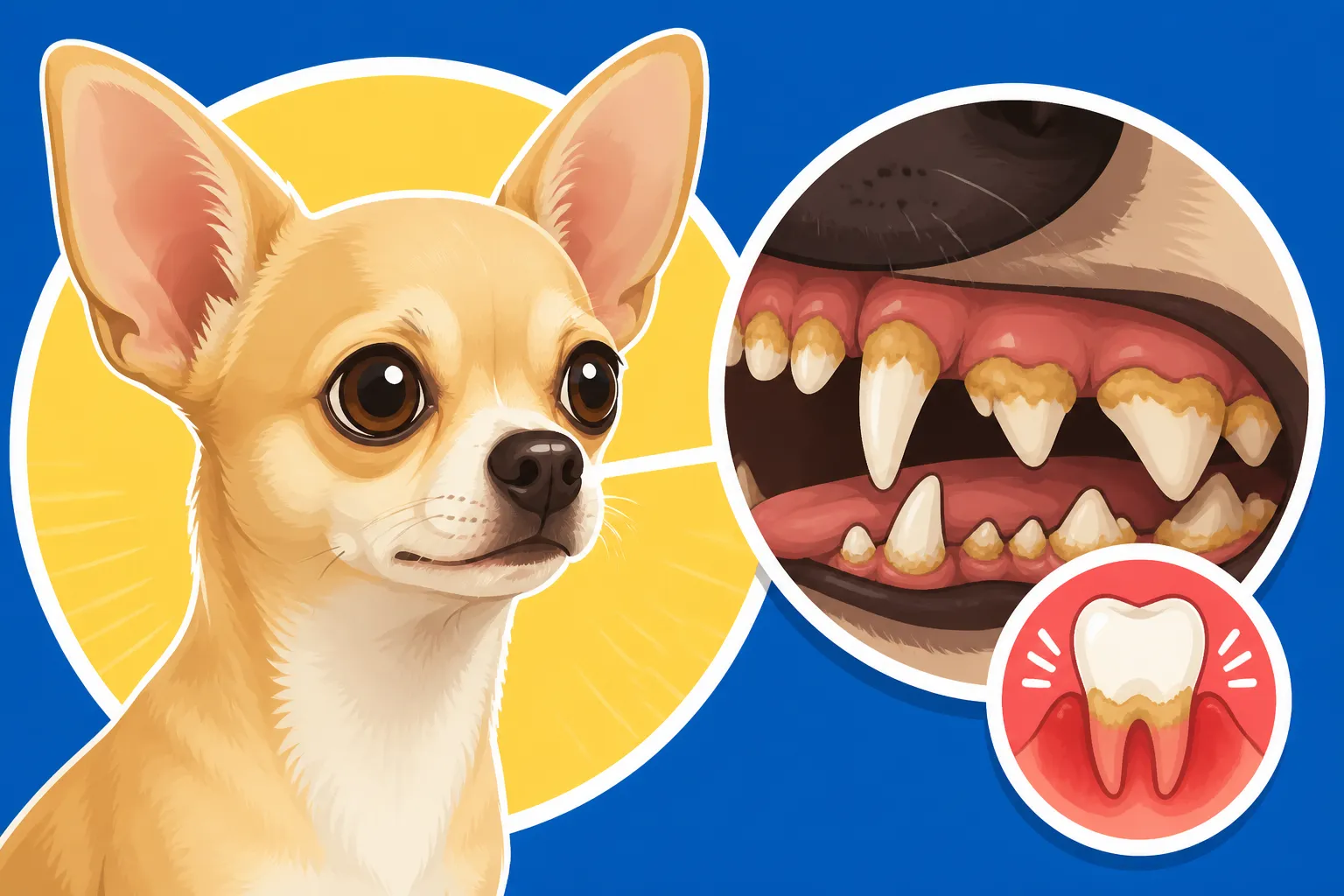
As a Chihuahua owner, being vigilant about visual cues is your first line of defense against escalating dental issues. The earliest sign you might notice is a yellowish-brown discoloration near the gum line, especially on the outside surfaces of the upper canine teeth and premolars. This isn't just a stain; it’s plaque that has hardened into tartar. It often starts as a thin film but can rapidly thicken and spread, eventually covering a significant portion of the tooth surface.
Beyond the discoloration, pay close attention to the gums. Healthy gums should be a pale pink, snug around the teeth, and not inflamed. If you notice redness, swelling, or bleeding when your Chihuahua chews on a toy or you gently try to inspect their mouth, these are clear indicators of gingivitis – the initial stage of gum disease, directly caused by plaque and tartar irritation. Sometimes, you might even see a distinct red line along the gum margin where it meets the tooth.
Another tell-tale sign of worsening dental health is visible recession of the gum line. As the disease progresses, the gums may start to pull away from the teeth, exposing the roots. This can be incredibly painful and makes the teeth highly sensitive. You might also notice loose teeth, although this usually occurs in more advanced stages where significant bone loss has already occurred. Regularly lifting your Chihuahua’s lip to examine their teeth, even if they protest a little, is a critical habit to develop.
Don't just look at the front teeth; those often look cleaner due to more exposure and friction. Focus your attention on the back molars and premolars, as these are often where tartar builds up most rapidly and severely due to their complex surfaces and the difficulty of cleaning them effectively at home. Early detection of these signs can literally save your Chihuahua from immense pain and costly procedures down the line.
The Unmistakable Sign: Bad Breath
Let’s be frank: no dog has breath that smells like roses, but if your Chihuahua’s breath could knock a buzzard off a outhouse, it's a huge red flag for dental disease. That truly awful, putrid smell isn't just "dog breath"; it's a direct consequence of the bacterial colonies thriving in the plaque and tartar in their mouth. These bacteria produce volatile sulfur compounds, which are the primary culprits behind that undeniable stench. If you find yourself recoiling when your beloved Chihuahua tries to give you a kiss, it’s a strong indicator that something is amiss.
Many owners mistakenly believe that bad breath is normal for dogs, especially older ones. But it’s not. It's a symptom, and it tells you that there's an active infection and bacterial overload in the mouth. When you detect persistent bad breath, it means the dental disease has likely progressed beyond simple plaque and is already involving gingivitis or even periodontitis. This is why understanding Chihuahua Bad Breath and What It Means is vital for every owner.
This unpleasant odor is often the first sign that owners truly notice, precisely because it's so difficult to ignore. While you might not routinely lift your Chihuahua's lips to check their gum line, you certainly interact with them closely enough to smell their breath. If your vet confirms dental disease, don't feel guilty; it's a common issue, but it does mean it's time to take action. Ignoring it not only continues the discomfort for your dog but also allows the underlying infection to potentially spread.
Beyond the smell, severe dental pain can also manifest in behavioral changes. Your Chihuahua might become reluctant to chew on toys they once loved, show difficulty eating hard kibble, or even become irritable or withdrawn. They might start dropping food, eating on one side of their mouth, or rubbing their face. These are all subtle cries for help, indicating that the bacterial buildup has led to significant discomfort or pain within their tiny mouth.
Preventing and Managing Tartar Buildup
The fight against Chihuahua tartar buildup requires a multi-pronged approach that combines consistent home care with essential professional veterinary intervention. Neglecting either aspect will ultimately lead to more significant problems down the road.
The Daily Routine: Brushing is Non-Negotiable
The single most effective way to combat tartar buildup in Chihuahuas is daily tooth brushing. Yes, daily! It might sound like a chore, but it’s truly the gold standard for maintaining their oral hygiene. Think of it like brushing your own teeth – you wouldn't go days without it, right? For a Chihuahua, with their propensity for rapid plaque buildup, skipping days is like giving those bacteria an open invitation to set up permanent residence.
Start slowly and gently, ideally when your Chihuahua is a puppy, to get them accustomed to the process. Use a soft-bristled, finger brush or a small toothbrush designed for pets, and always use dog-specific toothpaste (human toothpaste contains ingredients like xylitol that are toxic to dogs). Begin by letting them lick the toothpaste off the brush, then gently rub their teeth and gums for just a few seconds. Gradually increase the duration as they become more comfortable. Consistency is key, even if you only manage a minute or two each day. This commitment ties directly into comprehensive Chihuahua Dental Disease in a Crowded Small Jaw.
Focus on the outside surfaces of the upper teeth, especially the canines and molars, where tartar tends to accumulate fastest. Don't worry too much about the inside surfaces; their tongue usually does a decent job there. If your Chihuahua is resistant, try making it a positive experience with lots of praise and a tiny, low-calorie treat afterward. Some owners find it easier to wrap a piece of gauze around their finger with a dab of toothpaste to gently rub the teeth initially. Remember, even a little brushing is better than none. You can learn more about specific techniques in guides like The Two Minute Daily Chihuahua Tooth Routine.
Many owners feel guilty if they haven't been brushing, but it's never too late to start. Even an older Chihuahua can learn to tolerate brushing with patience and positive reinforcement. Establishing this routine is an act of love that can significantly extend their healthy years and reduce the need for painful and expensive dental procedures.
The Role of Diet and Dental Chews
While daily brushing is paramount, diet and appropriate dental chews can play a supportive role in managing tartar buildup. Feeding a high-quality kibble that encourages chewing can provide some abrasive action against the tooth surface. Look for dental-specific kibbles that are formulated with unique shapes or textures designed to mechanically scrub teeth as your dog eats. Brands like Royal Canin Dental or Hill's Prescription Diet t/d are often recommended by vets.
Dental chews, when chosen carefully, can also be beneficial. It's crucial to select chews that are sized appropriately for your Chihuahua's small mouth and are digestible. Avoid overly hard chews like antlers or bones, which can actually fracture their tiny teeth. Look for products that carry the Veterinary Oral Health Council (VOHC) seal of approval, indicating they meet specific standards for reducing plaque and tartar. Popular options include Greenies or Virbac C.E.T. VeggieDENT Chews, ensuring they are small enough for toy breeds. More tips can be found in Dental Chews Small Enough for a Chihuahua.
However, it’s important to manage expectations: no dental chew or kibble is a substitute for brushing. They are supplementary tools. A common mistake is relying solely on these products, thinking they will do all the work. They simply don't provide the comprehensive cleaning that daily brushing does, especially in those tight, crowded spaces typical of a Chihuahua's mouth. Always consider the caloric intake of any chews to avoid accidental weight gain, which brings its own set of health problems.
Water additives can also offer a small benefit by reducing bacteria in the mouth, but again, they should be used as an addition to a proper dental care routine, not a replacement. Brands like TropiClean Fresh Breath Water Additive are widely available. A multi-faceted approach combining brushing, appropriate diet, and safe dental chews provides the best defense against tartar.
Why Professional Cleanings are Crucial
Even with the most diligent home care, Chihuahuas will almost certainly need professional dental cleanings under anesthesia at some point in their lives, often starting as early as age two or three. This isn't a failure on your part; it's a reality of the breed's anatomy. Once tartar hardens, only a veterinarian can safely remove it using specialized ultrasonic scalers, similar to what a human dentist uses. These cleanings allow for a thorough examination of every tooth, below the gum line where disease often hides.
The thought of anesthesia for such a tiny dog can be terrifying for owners, and that’s a completely valid concern. However, modern veterinary anesthesia protocols are incredibly safe, especially for small breeds. Your vet will perform pre-anesthetic bloodwork to ensure your Chihuahua is a good candidate, and they'll monitor vital signs meticulously throughout the procedure. Discussing Anesthesia Risk During a Chihuahua Dental with your vet can help ease your worries. Proactive care, like purchasing pet insurance from providers such as Healthy Paws, can also help mitigate the financial stress associated with these essential procedures.
During a professional cleaning, the vet or veterinary technician will not only scale the visible tartar but will also perform dental X-rays to assess the health of the tooth roots and the surrounding bone – issues that are invisible to the naked eye. This is crucial because much of periodontal disease occurs below the gum line. Any diseased or painful teeth can then be extracted, relieving your Chihuahua of chronic pain and preventing further infection. This thoroughness is why these cleanings are so valuable.
Many vets recommend annual or biennial dental check-ups and cleanings for Chihuahuas, depending on the individual dog's rate of tartar buildup. Don't wait until your Chihuahua is in severe pain or has extensive tooth loss. Regular professional care, combined with your home routine, is the most effective strategy for preventing advanced dental disease and ensuring your little friend lives a comfortable, healthy life. Thinking ahead about The Yearly Chihuahua Dental Cleaning Bill can help you budget for this essential care.
Understanding the Long-Term Consequences
It's easy to dismiss a little bit of bad breath or a bit of yellow on the teeth as a minor inconvenience, but for Chihuahuas, dental disease left unchecked can rapidly escalate into severe, debilitating problems that extend far beyond their mouth.
Pain, Tooth Loss, and Jaw Fractures
Ignoring tartar buildup and the subsequent gum disease in a Chihuahua isn't just about bad breath; it leads to chronic pain that profoundly affects their quality of life. Imagine having a constant toothache or sensitive gums – that's what many Chihuahuas endure silently. They are masters at hiding pain, so by the time you notice overt signs like reluctance to eat or chew, the disease is often advanced. This pain can make them irritable, withdrawn, or even aggressive when touched near their mouth.
As periodontal disease progresses, the infection attacks the ligaments and bone supporting the teeth, leading to tooth mobility and eventually, tooth loss. It's heartbreaking to see a tiny Chihuahua missing most of its teeth at a relatively young age, but it’s a common outcome of neglected dental health. Furthermore, the persistent infection can weaken the jawbone, especially in the fragile lower jaw of small breeds. This can lead to a pathological jaw fracture, where the jaw literally breaks from a minor trauma or even spontaneously, due to the compromised bone structure.
The process of severe tooth decay and loss is not only painful but also dramatically impacts a Chihuahua’s ability to eat comfortably and gain proper nutrition. They might shy away from hard food, preferring softer options, or stop eating altogether. This can lead to weight loss and other health complications. The expenses associated with multiple tooth extractions, bone grafting, or jaw fracture repair can also be astronomical, reinforcing the benefit of proactive care or a good pet insurance policy like those offered by Healthy Paws.
It’s a truly awful trajectory that no Chihuahua owner wants for their dog, yet it’s the reality for many. The good news is that much of this suffering is preventable. By addressing tartar buildup early and consistently, you can spare your furry family member immense discomfort and safeguard their ability to enjoy their food and toys for years to come. Recognizing Jaw Fractures From Chihuahua Dental Disease helps underscore the severity of waiting too long.
Systemic Health Risks Beyond the Mouth
What many owners don't realize is that dental disease isn't just confined to the mouth. The mouth is a gateway to the rest of the body, and the chronic bacterial infection present in severe periodontal disease can have far-reaching systemic effects. Every time your Chihuahua swallows or has an open sore in their mouth, those bacteria can enter the bloodstream. This bacteremia, or bacteria in the blood, can travel to vital organs and cause serious secondary infections.
The organs most commonly affected by dental-related bacteremia are the heart, kidneys, and liver. Chronic infection in the mouth can contribute to or worsen existing heart conditions, such as endocarditis (inflammation of the heart lining), or even impact conditions like Mitral Valve Disease in an Older Chihuahua. The kidneys and liver, which are responsible for filtering toxins from the blood, can become overworked and damaged over time, potentially leading to organ failure. This makes regular dental care an integral part of your Chihuahua's overall wellness plan, not just an aesthetic concern.
Furthermore, persistent inflammation from gum disease can put a constant strain on your Chihuahua's immune system, making them more susceptible to other illnesses. While dental disease might not be the direct cause of other serious health problems, it can certainly be a contributing factor or exacerbate existing conditions. This interconnectedness highlights why a holistic approach to your Chihuahua’s health is so important, and why veterinarians emphasize dental care so strongly during annual check-ups.
Taking preventative measures and seeking professional veterinary care when needed isn't just about their teeth; it's about safeguarding their heart, kidneys, and overall vitality for their entire, potentially long, lifespan. Think of regular dental care as an investment in your Chihuahua's future health, helping them to thrive well into their senior years. This comprehensive approach to health is a cornerstone of responsible pet ownership, and it’s why many discerning owners consider pet insurance options from companies like Healthy Paws for peace of mind regarding unexpected veterinary costs.
Here's a quick comparison of various dental care methods and their effectiveness for Chihuahuas:
| Dental Care Method | Description | Effectiveness Against Plaque | Effectiveness Against Tartar | Chihuahua Suitability | Notes |
|---|---|---|---|---|---|
| Daily Brushing | Manual scrubbing with a pet toothbrush and enzymatic toothpaste. | High | Moderate (prevents new) | Excellent | The gold standard; requires consistency and patience. |
| VOHC Dental Chews | Specific chews designed to mechanically clean teeth; VOHC-approved. | Moderate | Low-Moderate | Good (select size) | Supplementary only; choose appropriate size and hardness. |
| Dental Kibble | Specially shaped kibble that provides abrasive action during chewing. | Low-Moderate | Low | Good | Better than soft food, but not a substitute for brushing. |
| Water Additives | Solutions added to drinking water to reduce bacteria in the mouth. | Low | Low | Good | Minimal impact; best used as an adjunct to other methods. |
| Professional Cleaning | Full anesthetic scaling, polishing, and oral exam by a vet. | High | High (removes existing) | Essential | Required to remove existing tartar and address gum disease. |
Disclaimer
This article provides general information and guidance regarding Chihuahua dental health. It is not a substitute for professional veterinary advice. Always consult with your veterinarian for specific concerns about your Chihuahua's health, diagnosis, and treatment plan. Individual outcomes may vary.