Whether a Chihuahua Molera Ever Closes
One of the most common worries for new Chihuahua parents, or even seasoned ones, revolves around that little soft spot on their puppy's head – the molera. It's a natural instinct to feel concerned about something that seems so delicate on such a tiny creature, leading to a lot of questions about whether it will ever harden completely. This guide is here to unravel the mystery of the Chihuahua molera, explain why it's so common in the breed, whether it typically closes, and how to best care for your little companion, easing those understandable anxieties along the way.
Understanding the Chihuahua Molera: A "Soft Spot" Explained
The molera in Chihuahuas is a fascinating and often misunderstood aspect of their unique anatomy. It's essentially an unclosed fontanelle, much like the "soft spot" on a human baby's head. However, for Chihuahuas, this trait is far more prevalent and, in many cases, entirely normal. It's not a sign of weakness or a defect in every instance, but rather a characteristic that has become intertwined with the breed's development.
What Exactly is a Molera?
To truly grasp what a molera is, let's think about how a skull forms. A puppy's skull isn't a single, solid bone at birth. Instead, it's made up of several separate bony plates that are designed to be somewhat flexible. This flexibility is absolutely crucial for two main reasons: first, it allows the puppy's head to safely navigate the birth canal during delivery. Second, and perhaps even more important, it accommodates the rapid brain growth that occurs in the initial weeks and months of life. These bony plates are connected by fibrous membranes, and where several of these plates meet, a gap can form, creating a fontanelle. In Chihuahuas, the most prominent of these gaps is usually at the top of the skull, which we refer to as the molera. While it feels soft to the touch, it's not simply an open hole into the brain; there's a tough membrane protecting the underlying tissue. You can usually feel What a Chihuahua Molera Feels Like Under the Skin as a slightly indented, pliable area.
The Normalcy of a Molera in Chihuahuas
It's truly remarkable how common moleras are within the Chihuahua breed. Unlike many other dog breeds where an open fontanelle might immediately raise a red flag, for Chihuahuas, it's often considered a standard breed trait, particularly in those with the classic "apple head" skull shape. The breed standard for Chihuahuas actually acknowledges and allows for a molera, recognizing it as a characteristic that often accompanies their distinct head structure. This means that a responsible breeder will generally disclose if a puppy has a molera, but they won't necessarily treat it as a significant health issue unless other symptoms are present. In fact, many healthy, long-lived Chihuahuas carry a molera throughout their entire lives without any complications whatsoever. This is a critical point to remember, as seeing an open molera doesn't automatically mean your beloved pet is in danger. It's just part of their unique charm and heritage, a testament to The Molera as a Normal Chihuahua Trait.
The Difference Between a Molera and Hydrocephalus
This is where a lot of confusion, and frankly, fear, can creep in for Chihuahua owners. It's true that both an open molera and hydrocephalus involve the head, but they are fundamentally different conditions. Hydrocephalus, often called "water on the brain," is a serious neurological condition where there is an abnormal accumulation of cerebrospinal fluid within the brain's ventricles. This buildup creates pressure, which can cause the skull to swell and the fontanelles to remain open or even expand beyond their normal size. However, the key distinction is that a molera is simply an unclosed fontanelle, whereas hydrocephalus involves fluid buildup and pressure.
A Chihuahua with hydrocephalus will almost always present with other, more severe symptoms beyond just a soft spot. These can include a dramatically domed or bulging skull, seizures, poor coordination, difficulty learning, circling, head pressing, and overall developmental delays. If you're observing these kinds of concerning signs in your puppy, alongside a molera, then it's absolutely crucial to seek veterinary attention immediately to investigate Hydrocephalus in an Apple-Head Chihuahua or Hydrocephalus Signs in a Chihuahua Puppy. But if your Chihuahua puppy is otherwise developing normally, alert, playful, and has no other neurological symptoms, then an open molera on its own is far more likely to be a normal breed characteristic rather than a sign of hydrocephalus.
The Closing Timeline of a Chihuahua Molera
The most pressing question for many Chihuahua owners is whether that soft spot will ever disappear. The answer isn't a simple yes or no, as it really depends on the individual dog, but it certainly offers a lot of hope and insight into their development.
When Do Moleras Typically Close?
For many Chihuahua puppies, the molera does begin to close and calcify over time, though often at a slower pace than fontanelles in other breeds or in human infants. You might start to notice the edges feeling firmer around 3 to 6 months of age, and for some, it will continue to shrink and eventually feel completely solid by their first birthday. However, this is not a hard and fast rule, and there's a wide spectrum of normal. Some Chihuahuas might have a molera that closes partially, becoming significantly smaller and less noticeable, while others might retain a very tiny, almost imperceptible soft spot into adulthood. The process is a gradual one, involving the slow ossification of the fibrous tissue connecting the skull plates. During this time, the brain continues its important growth and development, which these flexible areas accommodate.
Factors Influencing Molera Closure
Several factors can play a role in whether and when a Chihuahua's molera fully closes.
- Genetics: This is perhaps the biggest player. Moleras are a genetic trait, deeply embedded in the Chihuahua's lineage. Some lines are simply more predisposed to having larger or more persistent moleras. If a puppy's parents or grandparents had open moleras that never fully closed, there's a higher likelihood that the puppy will as well.
- Skull Shape: Chihuahuas with the pronounced "apple head" are more likely to have a molera that persists. Their domed skull structure naturally lends itself to these unossified areas. While Whether an Apple Head Raises Chihuahua Risk for hydrocephalus is a common concern, remember that the molera itself isn't the risk.
- Individual Development: Just like children, every puppy develops at its own pace. Some might be early closers, while others take their sweet time. Nutrition and overall health can also play a minor role, though it's less about force-feeding supplements and more about ensuring a well-rounded diet that supports bone development. A healthy puppy with appropriate calcium and phosphorus levels will have the best chance for proper bone formation.
Why Some Moleras Never Fully Close
This is the direct answer to our core question: yes, some Chihuahua moleras never fully close. It's a reality for a significant number of Chihuahuas, and it's important for owners to understand that this is often not a problem. Studies and anecdotal evidence from long-time breeders and veterinarians suggest that a small, persistent molera is incredibly common. How Many Chihuahuas Keep an Open Molera varies, but it's not a rare occurrence.
Why does this happen? It boils down to the unique genetic blueprint of the Chihuahua. Their specific skull development, particularly the pronounced doming in the apple head variety, means that the bony plates simply may not completely fuse in that particular spot. The fibrous membrane remains, providing a protective layer, even if it feels soft. It’s a quirk of the breed, a vestige of their unique evolutionary path, and in the absence of any other symptoms, it’s considered a perfectly acceptable variation. Many Chihuahuas live long, happy, and completely normal lives with an open molera that persists from puppyhood right through their senior years.
Living with a Chihuahua That Has an Open Molera
Discovering your Chihuahua's molera isn't closing might initially be a source of worry, but the good news is that living with a dog that has an open molera is usually straightforward and perfectly manageable. It primarily involves adopting a few common-sense precautions to ensure their safety and well-being.
Protecting Your Chihuahua's Head
The primary concern with an open molera is the potential for head injury. While the membrane covering the brain is surprisingly tough, a direct, sharp blow to the soft spot could theoretically cause damage. Therefore, proactive protection is key:
- Avoid Rough Play: Especially when your Chihuahua is a puppy, be mindful of roughhousing, particularly with other pets or young children who might not understand the delicacy of their head. Supervising interactions is crucial.
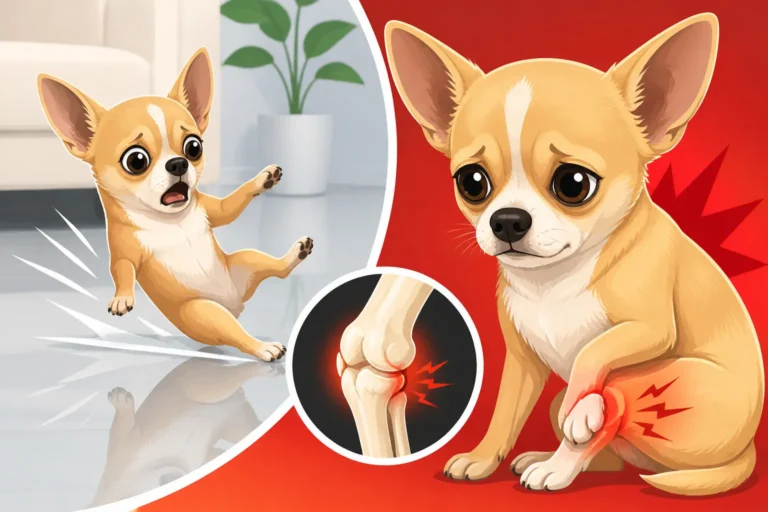
- No High Jumps or Falls: Chihuahuas love to jump off furniture, but repeated impact or accidental falls could be risky. Consider using pet ramps or steps for beds and sofas to reduce impact on their joints and head. This is also excellent advice for protecting delicate knees, preventing issues like Patellar Luxation, the Chihuahua's Commonest Joint Problem.
- Careful Handling: When picking up or holding your Chihuahua, always support their body and head gently. Teach everyone in the household, especially children, how to handle your tiny dog safely. Never grab them by the head or allow anything to press directly on the soft spot.
- Secure Travel: When traveling in the car, a secure pet carrier or a car seat designed for small dogs is essential. This prevents them from being jostled around or hitting their head in the event of a sudden stop.
- Home Environment Scan: Look around your home for potential hazards at Chihuahua level. Are there sharp table corners they could bump into during zoomies? Could they get tangled in cords and fall? Simple adjustments can make a big difference in Protecting a Chihuahua Puppy With a Soft Spot.
Veterinary Care and Monitoring
Regular veterinary check-ups are always important for Chihuahuas, but they take on a slightly more focused role when your dog has an open molera. Your vet will monitor the size and feel of the molera during routine physical exams, noting any changes.
- Regular Check-ups: Ensure your Chihuahua has annual check-ups, or more frequently if they are a puppy or a senior. This allows your vet to track the molera's status and perform a general neurological assessment.
- Discuss Any Changes: If you notice any changes in the molera itself (e.g., bulging, sudden expansion, or extreme tenderness) or any accompanying neurological symptoms (e.g., balance issues, behavioral changes, seizures), report them to your vet immediately. Even if your Chihuahua is active and healthy, it's always wise to discuss When a Chihuahua Soft Spot Should Worry You with your vet.
- Anesthesia Considerations: While a molera doesn't typically complicate anesthesia, it's always good to remind your vet of its presence, especially if your dog needs a procedure where the head might be positioned in a particular way. Your vet is already thinking about this, as Anesthesia Risk During a Chihuahua Dental or other procedures is always a careful consideration for such small breeds.
Debunking Myths and Reducing Anxiety
It's easy to get caught up in worrying about a molera, especially with so much misinformation out there. However, remember that a persistent molera, without any other symptoms, is generally not a cause for alarm. Your Chihuahua can live a full, active, and normal life.
- Don't Isolate Your Dog: While careful handling is important, don't let the fear of the molera turn your Chihuahua into a "bubble dog" that can't play or interact. Sensible precautions allow for a normal, joyful life.
- Educate Others: Help friends and family understand what a molera is and how to safely interact with your Chihuahua. This reduces accidental mishandling and helps spread accurate information.
- Trust Your Vet: Your veterinarian is your best resource for accurate information and professional guidance. Avoid relying solely on internet forums or anecdotal stories that might inflate fears.
Navigating Potential Health Concerns and Care
While a molera is often benign, it's important to understand the rare instances where it might be linked to other issues and how to manage the ongoing care for your unique companion. Being prepared for potential scenarios, even unlikely ones, is part of being a responsible pet parent.
Recognizing Signs of Trouble
As discussed, a molera itself isn't usually a problem. However, it can sometimes be a red flag if it’s accompanied by other, more worrying symptoms. It’s crucial to differentiate between a normal breed trait and a sign of an underlying health issue. Here’s what to look out for that might indicate a problem beyond just an open molera:
- Changes in Head Shape or Size: If your Chihuahua's head appears to be growing disproportionately fast, or if the molera itself starts to bulge outward rather than remain flat or slightly indented, this is a serious concern.
- Neurological Symptoms: Any sign of neurological distress warrants immediate veterinary attention. This includes:
- Seizures: These can manifest as full-body convulsions, or more subtly as staring spells, disorientation, or uncontrolled twitching.
- Balance and Coordination Issues: Stumbling, falling, walking in circles, or an unsteady gait.
- Behavioral Changes: Sudden onset of aggression, extreme lethargy, confusion, or pressing their head against walls or furniture (known as head pressing).
- Vision Problems: Difficulty seeing, bumping into objects, or a noticeable change in eye movement.
- Difficulty Feeding or Drinking: Problems latching, swallowing, or an inability to properly eat.
- Developmental Delays: If your puppy is significantly behind its littermates or breed typical milestones in terms of learning, movement, or overall growth, this could be a concern.
If you observe any of these symptoms in conjunction with a molera, contact your veterinarian right away. They will likely recommend diagnostic tests, which might include imaging like an MRI, to get a clear picture of what’s happening inside your Chihuahua's skull. This is where the distinction between a harmless molera and conditions like hydrocephalus becomes critical.
Insurance Considerations for Moleras
When it comes to pet insurance, the presence of a molera can sometimes be a nuanced topic. Generally, if your Chihuahua is enrolled in a pet insurance policy before any symptoms related to the molera or any associated conditions (like hydrocephalus) are noted by a veterinarian, it’s typically covered like any other illness or injury that might arise. However, if a molera is already documented as an existing condition, or if symptoms related to hydrocephalus are noted before enrollment or during a waiting period, it could be considered a pre-existing condition.
It’s always best to be proactive. Enrolling your Chihuahua in a comprehensive pet insurance plan as early as possible, ideally when they are a puppy, helps ensure that future, unforeseen conditions are covered. Companies like Healthy Paws are well-regarded for their comprehensive accident and illness plans, and understanding their policies regarding congenital or hereditary conditions, which a molera could be categorized under if it leads to complications, is crucial. While Healthy Paws aims to cover a broad range of veterinary expenses, every policy has terms and conditions regarding pre-existing conditions. Always read the fine print or call the provider directly to ask specific questions about how an existing molera might be handled, especially if it's open. For instance, you’d want to know how they view Chihuahua Pet Insurance and Its Low Premium in relation to hereditary traits. Getting a clear answer upfront can save a lot of stress and financial burden down the line. It's about being prepared for anything, even the long-term journey of Chihuahua Lifespan and Why the Breed Reaches Sixteen.
Molera vs. Hydrocephalus: A Quick Comparison
To help clarify the differences between a benign molera and the more serious condition of hydrocephalus, here's a quick comparison:
| Feature | Molera (Normal Variant) | Hydrocephalus (Serious Condition) |
|---|---|---|
| Cause | Incomplete fusion of skull bones (normal breed trait). | Abnormal accumulation of cerebrospinal fluid, causing pressure. |
| Appearance | Soft spot on top of head, usually flat or slightly indented. | May have an open molera, often accompanied by a visibly domed, bulging skull. |
| Symptoms | None, dog is otherwise healthy, playful, and develops normally. | Neurological signs: seizures, balance issues, head pressing, blindness, behavioral changes, developmental delays. |
| Prognosis | Excellent; most Chihuahuas live normal, healthy lives. | Varies; can be managed with medication or surgery, but often involves lifelong care. |
| Urgency | Monitor, but no immediate emergency if asymptomatic. | Immediate veterinary intervention required. |
This table should reinforce that simply having an open molera is not, in itself, a reason to panic. It’s the presence of other significant symptoms that truly indicates a potential problem.
Disclaimer
This article is intended for informational purposes only and does not constitute medical advice. Always consult with a qualified veterinarian for any health concerns or before making any decisions about your pet's health or treatment.