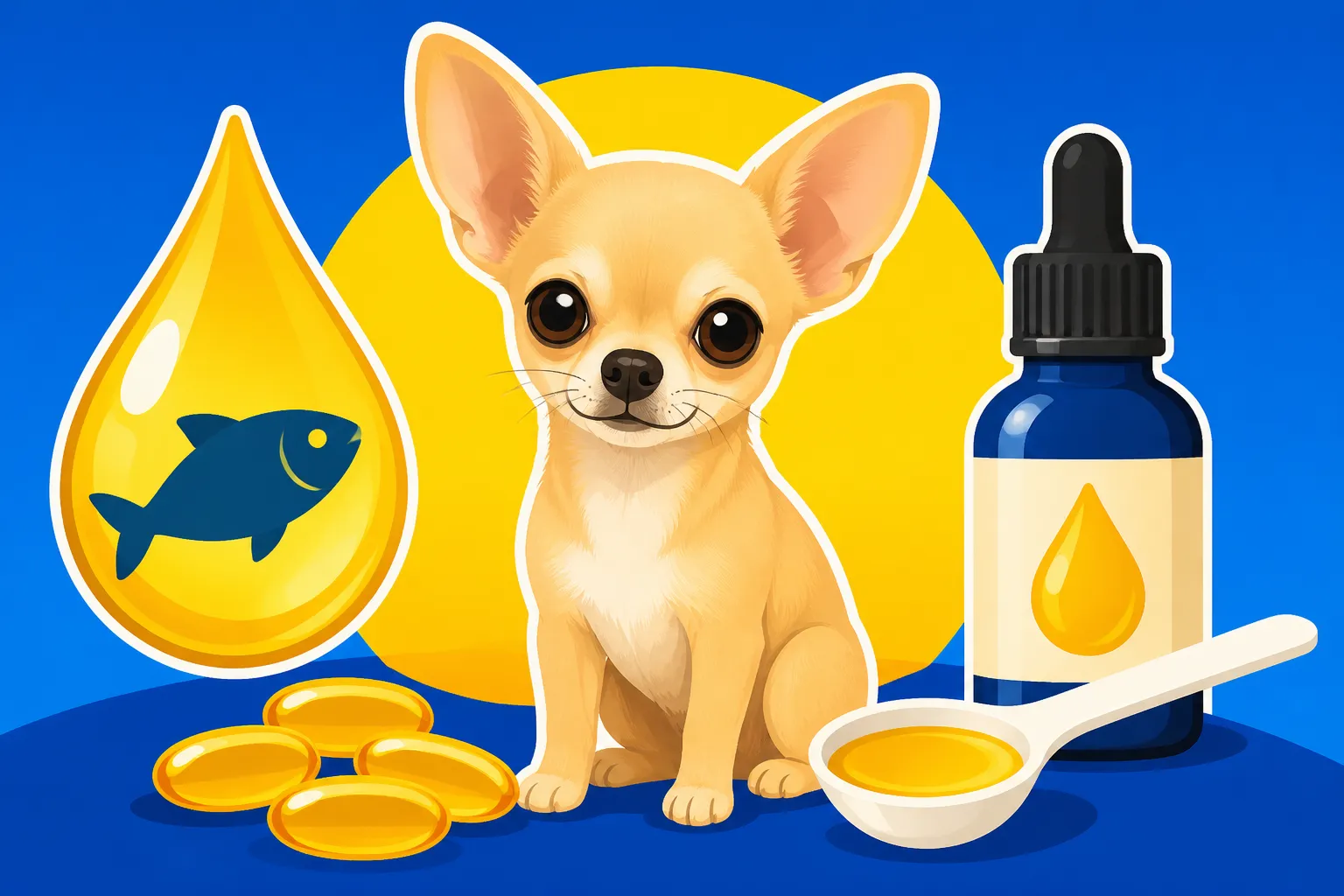
Fish Oil Dosed for a Six Pound Chihuahua
It's incredibly frustrating when you want to give your tiny Chihuahua the best possible care, especially when it comes to supplements like fish oil, but everything feels designed for much larger dogs. You look at a bottle of fish oil capsules and wonder how on earth you're supposed to get a tiny fraction of that into your six-pound companion without accidentally overdosing them. This guide is here to walk you through the nuances of safely and effectively dosing fish oil for your petite pup, ensuring they get the benefits without the risks.
Understanding Fish Oil for Your Tiny Chihuahua
Chihuahuas, despite their small stature, are prone to many of the same health issues as larger breeds, and sometimes even more so because of their delicate systems. Fish oil, rich in Omega-3 fatty acids, can be a fantastic addition to their diet, but the "tiny dog" factor makes precise dosing absolutely critical.
Why Fish Oil Matters for Such a Small Dog
Just like in humans, Omega-3 fatty acids, primarily EPA and DHA, offer a host of health benefits for dogs. For a Chihuahua, these can be particularly impactful. Think about their skin and coat: Chihuahuas often have delicate skin, and Omega-3s can help reduce dryness, flakiness, and itching, leading to a healthier, shinier coat. If your little one suffers from Chihuahua Skin Allergies and Hair Loss, fish oil can be a soothing balm from the inside out.
Beyond skin deep, these fatty acids are potent anti-inflammatories. This is huge for Chihuahuas, a breed known for joint issues like patellar luxation or even Chihuahua Arthritis in the Teenage Years. Reducing inflammation can ease discomfort and support joint mobility, keeping those tiny legs spry for longer. Furthermore, fish oil supports cardiovascular health, which is vital as Chihuahuas age and can become susceptible to conditions like Chihuahua Heart Disease as the Breed Ages. It's not just a vanity supplement; it's a cornerstone of preventative health for these long-lived companions.
The Big Difference: EPA and DHA
When you're looking at a fish oil supplement, don't just glance at the "total Omega-3s" number. That's often misleading. The real heroes are eicosapentaenoic acid (EPA) and docosahexaenoic acid (DHA). These are the specific fatty acids responsible for the anti-inflammatory and health-promoting effects you're after. Many supplements might contain other Omega-3s that don't offer the same therapeutic benefits.
It's a bit like buying juice: you want to know how much actual fruit is in it, not just the total liquid volume. For your Chihuahua, it's paramount to identify the precise amounts of EPA and DHA per serving. This will be listed on the "Supplement Facts" or "Guaranteed Analysis" panel. Without these numbers, you can't accurately dose your dog, and you're essentially guessing, which is a risky game with a six-pound dog.
The Dangers of Overdosing a Small Chihuahua
Because Chihuahuas are so small, their systems are incredibly sensitive, and the margin for error with supplements is much tighter than with a larger dog. What might be a harmless amount for a Golden Retriever could be a serious overdose for your six-pound friend. The consequences of too much fish oil can range from uncomfortable gastrointestinal upset – think diarrhea, vomiting, and really stinky breath – to more serious issues.
High doses can impact blood clotting, potentially increasing the risk of bleeding, especially if your dog needs surgery or has an injury. It can also suppress the immune system over time, making them more vulnerable to infections. Furthermore, fish oil contains calories, and for a dog on a tight Daily Calories for a Three to Seven Pound Chihuahua budget, an overdose might also contribute to Chihuahua Obesity on a Six Pound Frame, which itself leads to a cascade of other health problems. This isn't just about making them feel sick; it's about protecting their delicate internal balance, which is why precision is non-negotiable.
Calculating the Right Fish Oil Dose for a Six-Pound Chihuahua
This is where many owners get stuck, and understandably so. Pet supplement labels are not always clear, and translating recommendations for a dog that barely tips the scales can feel like rocket science. The key is to be meticulous and, most importantly, to partner with your veterinarian.
Finding the EPA and DHA Content on the Label
The first step in accurate dosing is to completely ignore the "total fish oil" or "total Omega-3" numbers on the front of the bottle. Flip that bottle over and find the guaranteed analysis or supplement facts section. You are looking for specific breakdowns of EPA (eicosapentaenoic acid) and DHA (docosahexaenoic acid). These should be listed in milligrams (mg) per capsule, per pump, or per milliliter (ml).
For example, a label might say "1000 mg fish oil," but then break it down to "180 mg EPA, 120 mg DHA." The combined 300 mg (180 + 120) is the figure you'll be working with. Sometimes, they might list total Omega-3s and then say "of which EPA and DHA constitute X%." You'll need to do a little math to get the exact milligram count. If a product doesn't clearly list separate EPA and DHA amounts, it's best to avoid it, as it makes accurate dosing impossible for a tiny dog.
General Dosing Guidelines and Why a Vet is Essential
While there are general guidelines floating around for dogs (often expressed as milligrams of combined EPA and DHA per kilogram of body weight), applying a generic formula to a six-pound Chihuahua can be tricky. These guidelines typically suggest a range, and where your Chihuahua falls within that range depends on their specific health needs. For instance, a Chihuahua with advanced Chihuahua Arthritis in the Teenage Years might benefit from a higher end of the therapeutic range compared to a young, healthy pup receiving it for preventative coat health.
This is precisely why a visit to your veterinarian is non-negotiable before starting any new supplement regimen, especially for such a small dog. Your vet can assess your Chihuahua's individual health status, current diet, and any existing conditions to recommend an exact daily dosage tailored to them. They can advise if it's safe to give a higher dose for a specific condition like severe joint pain or a lower, maintenance dose. They'll likely provide a precise milligram target, taking the guesswork out of the equation for you.
Practical Steps for Precise Dosing
Once your vet gives you a specific EPA/DHA target, you'll need to work backward from the supplement label. Let's say your vet recommends 100 mg of combined EPA/DHA per day for your six-pound Chihuahua. If your chosen liquid fish oil has 150 mg of combined EPA/DHA per 1 ml, you'd know you need to give less than 1 ml. A syringe, like those used for baby medicine, becomes your best friend here. It allows you to measure out incredibly small, precise amounts, such as 0.6 or 0.7 ml, far more accurately than a measuring spoon.
If you're using capsules, you might find that even the smallest capsule is too much. For example, if a capsule contains 300 mg and your vet recommends 100 mg, you'd need one-third of a capsule. This is often where owners get frustrated. Some people prick a gel cap with a needle, squeeze out a portion, and then seal the rest, but this can be messy and lead to oxidation. This is why many Chihuahua owners prefer liquid formulas, as they offer much greater flexibility for exact dosing. When shopping on sites like Chewy or Amazon, you'll often see user reviews mentioning how easy or difficult a product is to dose for small pets.
Choosing the Best Fish Oil Supplement for Your Chihuahua
With so many options on the market, selecting the right fish oil for your tiny companion can be overwhelming. It's not just about the numbers; it's about the form, quality, and how easily you can administer it.
Liquid vs. Capsule: Pros and Cons for a Small Dog
For a six-pound Chihuahua, the form of fish oil makes a huge difference in accurate dosing and ease of administration.
- Liquid Fish Oil: This is often the preferred choice for tiny dogs. The main advantage is the ability to precisely measure very small doses using an oral syringe. You can administer a few drops or a fraction of a milliliter directly into their mouth, mix it into their food, or even put it on a tiny treat. This flexibility is crucial for achieving the exact dosage your vet recommends. However, liquid fish oil can be prone to oxidation once opened, so you'll need to store it correctly (usually in the refrigerator) and use it within the manufacturer's recommended timeframe. It can also be a bit messy if your Chihuahua isn't keen on taking it directly.
- Small Capsules/Softgels: Some brands offer smaller capsules designed for cats or very small dogs. While less flexible than liquid for exact fractional dosing, they can be convenient if a whole capsule happens to align perfectly with your Chihuahua's prescribed dose. The capsule protects the oil from oxidation until it's consumed. The downside is that if the dose is half a capsule, you're back to pricking and squeezing, which can be inaccurate and messy. Trying to cut a softgel in half rarely works well.
| Feature | Liquid Fish Oil | Small Softgel/Capsule |
|---|---|---|
| Dosing Accuracy | Excellent; precise measurements with a syringe. | Good if dose is a whole capsule; difficult for fractions. |
| Ease of Administration | Mixes easily with food; can be given orally. | Can be harder to get small dogs to swallow a whole pill. |
| Freshness/Stability | More prone to oxidation once opened; needs refrigeration. | More stable; oil protected until ingested. |
| Mess Factor | Can be messy if not administered carefully. | Generally less messy, unless you cut or pierce it. |
| Cost | Varies widely; often more cost-effective per dose. | Varies; sometimes more expensive per dose for small sizes. |
Quality Matters: Purity and Freshness
Not all fish oils are created equal, and quality is paramount, especially for a delicate Chihuahua. You want a product that is pure, potent, and fresh. Look for brands that offer third-party testing for contaminants such as heavy metals (mercury, lead), PCBs (polychlorinated biphenyls), and other toxins. This information should be available on the product's website, often with a batch number you can look up.
Rancidity is another major concern. Fish oil is a polyunsaturated fat, meaning it's highly susceptible to oxidation, which causes it to go rancid. Rancid fish oil not only tastes bad but can actually be harmful, causing inflammation instead of reducing it. Fresh fish oil should have a very mild, sometimes almost undetectable, fishy smell. If it smells strongly "fishy" or "off," it's likely rancid. Many reputable brands include antioxidants like Vitamin E to help preserve freshness. When browsing online retailers like Chewy or Amazon, read reviews specifically mentioning smell or freshness to gauge product quality.
Integrating Fish Oil into Your Chihuahua's Diet
Getting your Chihuahua to actually take the fish oil is the next hurdle. The good news is that many dogs enjoy the taste, but some can be picky.
- Mix with Food: For liquid fish oil, the easiest method is often to mix it thoroughly into a small portion of their regular food at mealtime. Ensure they eat the entire portion to get the full dose. If you feed wet food or a fresh diet (like those offered by Ollie, though you'd still likely need to supplement if the Omega-3s aren't balanced specifically for your dog), it blends in beautifully.
- Direct Oral Administration: If your Chihuahua is cooperative, you can draw the liquid dose into a small oral syringe and administer it gently into the side of their mouth. This ensures they get the entire dose without waste, but it requires a trusting relationship and a calm dog.
- On a Treat: For a really picky eater, you might be able to put a few drops of liquid fish oil on a tiny, absorbent treat. Just be mindful of the extra calories if your Chihuahua is on a strict diet, or if you're concerned about Chihuahua Obesity on a Six Pound Frame.
- Hiding Capsules: If using capsules, try hiding them in a tiny piece of cheese, cooked chicken, or a specific pill pocket designed for small dogs. Make sure the treat is small enough that your Chihuahua doesn't just eat around the capsule.
Remember, consistency is key for fish oil to be effective. Find a method that works for both you and your Chihuahua, and stick to it daily.
Monitoring Your Chihuahua and Adjusting the Dose
Starting a new supplement isn't a "set it and forget it" task, especially for a small dog. You need to observe your Chihuahua closely for any changes, both positive and negative, and be prepared to adjust their regimen under veterinary guidance.
What to Watch For: Signs of Too Much or Too Little
When you first introduce fish oil, start with a lower dose for a few days, even if your vet gave you a target, to allow your Chihuahua's digestive system to adjust. Then, gradually increase to the full recommended dose.
-
Signs of Too Much Fish Oil (Potential Overdose):
- Gastrointestinal Upset: Diarrhea, loose stools, vomiting, excessive gas, or an upset stomach are the most common initial signs.
- "Fishy" Odor: While some mild fishy breath is normal, an overwhelming, strong fish odor from their skin or breath could indicate too high a dose or rancid oil.
- Lethargy: Uncommon but possible if the GI upset is severe.
- Increased Thirst: In rare cases, especially with severe GI distress.
-
Signs of Benefit (Proper Dosing):
- Improved Coat: Shinier, softer fur, less flakiness. This might take a few weeks to become noticeable.
- Reduced Itching/Scratching: If they suffered from skin issues, you might see a decrease in their scratching or licking. This is particularly relevant if you're dealing with Chihuahua Skin Allergies and Hair Loss.
- Increased Mobility: For Chihuahuas with joint stiffness or Chihuahua Arthritis in the Teenage Years, you might notice them moving more freely or being less hesitant to jump (though jumping should be discouraged for joint health regardless).
- Overall Vitality: Some owners report a general improvement in their dog's energy and well-being.
If you notice any concerning symptoms, stop the fish oil and contact your veterinarian immediately.
Gradual Introduction and Patience
Introducing any new supplement to a Chihuahua should be a slow and deliberate process. Their tiny digestive systems can be quite sensitive. Start with about one-quarter to one-half of the vet-recommended dose for the first week, mixed thoroughly into their food. Watch for any signs of upset stomach, changes in stool consistency, or lack of appetite.
If all goes well, you can gradually increase the dose over the next week or two until you reach the full daily amount prescribed by your vet. This slow approach minimizes the risk of digestive upset and gives your Chihuahua's body time to adapt. Don't expect immediate results, especially for things like coat health or joint support. It often takes several weeks, sometimes even a couple of months, of consistent daily supplementation to see the full benefits of fish oil. Patience is definitely a virtue when caring for a Chihuahua.
When to Re-evaluate the Dose
Your Chihuahua's needs aren't static; they change over time. Therefore, the optimal fish oil dose might also need to be re-evaluated periodically.
- Annual Vet Visits: During your Chihuahua's regular Vet Visit Frequency for a Chihuahua Past Twelve check-ups, discuss their supplements, including fish oil. Your vet can advise if the dosage is still appropriate based on their current health, weight, and any new conditions.
- Changes in Health Status: If your Chihuahua develops a new health condition, such as more severe arthritis, heart issues, or skin problems, your vet might recommend adjusting the dose of fish oil. Conversely, if a condition improves, they might suggest reducing it to a maintenance level.
- Weight Fluctuations: Even a small change in weight for a Chihuahua can be significant. If your six-pound dog gains or loses a pound, it's a substantial percentage of their body mass, and the fish oil dose might need tweaking.
- Seasonal Changes: Some owners find that their Chihuahuas with skin allergies might benefit from a slightly higher dose during peak allergy seasons, though always with vet consultation.
Remember to keep good records of what dose you're giving and when, along with any observations about your Chihuahua's health. This information will be invaluable during your discussions with the vet.
Disclaimer
This article is for general informational purposes only and does not constitute professional advice. Laws, prices and regulations vary by location and change over time. Consult a qualified professional for guidance on your specific situation.