Car Seats and Travel Restraints for a Chihuahua
The open road calls, but the thought of your tiny Chihuahua becoming a projectile in a sudden stop or, worse, distracting you by burrowing under your feet, is a genuine fear for any responsible pet parent. It's a terrifying scenario, and frankly, a completely avoidable one. This guide is here to walk you through the essential car seats and travel restraints available for Chihuahuas, helping you make informed choices to keep your precious cargo safe and sound on every journey.
Why Your Chihuahua Needs a Dedicated Car Restraint
It's easy to think a tiny Chihuahua, nestled on your lap or happily snoozing on the passenger seat, is safe. But the reality is, even a minor fender bender can have devastating consequences for such a small, fragile dog. They lack the mass and bone density to withstand impacts that larger breeds might, and their natural curiosity can make them a serious driving hazard. This isn't just about protecting them in an accident; it's about preventing an accident from happening in the first place and ensuring their long-term well-being.
The Dangers of Unsecured Travel for a Small Dog
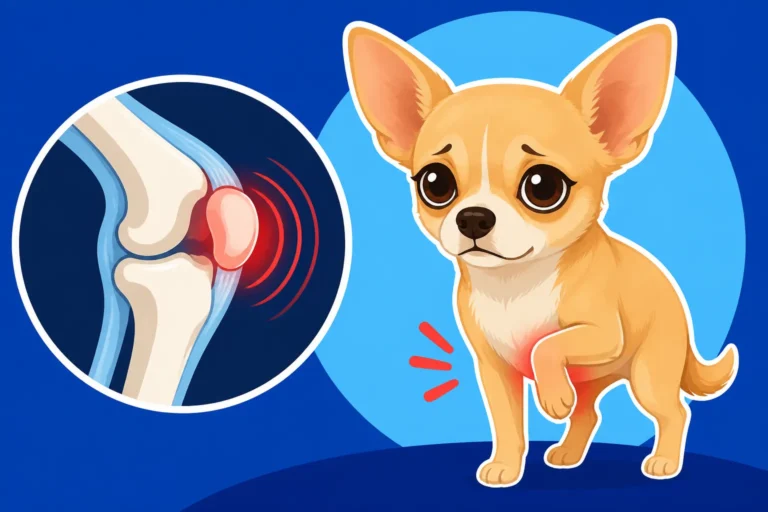
Imagine driving along, and suddenly you have to brake hard. An unsecured Chihuahua, no matter how small, becomes a literal projectile within the car. They could hit the dashboard, the back of the seat, or even you, causing severe injury to both of you. Their delicate bones, especially in their legs and skull, are incredibly vulnerable. We often talk about serious health issues like Patellar Luxation, the Chihuahua's Commonest Joint Problem or Chihuahua Eye Injuries and Prominent Eyes, but a car accident can cause far more immediate and catastrophic damage. Even without a crash, a Chihuahua can panic and try to hide under the pedals, jump out an open window, or climb onto your lap, creating dangerous distractions that take your eyes off the road. The safety of your dog and everyone else on the road really does depend on proper restraint.
Preventing Driver Distraction and Promoting Calmness
Beyond the risk of impact, an unrestrained Chihuahua is a constant source of potential distraction. They might whine, pace, try to get into your lap, or even explore the footwells. This kind of movement can draw your attention away from traffic, making you miss a hazard or a road sign. A dedicated travel restraint not only keeps them physically contained but also often creates a sense of security for your Chihuahua. When they learn that their car seat or crate is their safe space for travel, they're more likely to relax, lie down, and even nap, turning car rides from a stressful ordeal into a peaceful experience for everyone. This calm can be especially important for a breed prone to anxiety, helping them feel secure rather than overwhelmed by the strange sights and sounds of the road.
Common Types of Car Restraints for Chihuahuas
When it comes to securing your Chihuahua in the car, you have several excellent options, each with its own advantages. The best choice often depends on your dog's personality, your car's interior, and your personal preferences. The key is to find something that is crash-tested or at least designed with safety in mind, keeping your tiny companion snug and immobile during transit.
Secured Booster Seats and Dog Car Seats
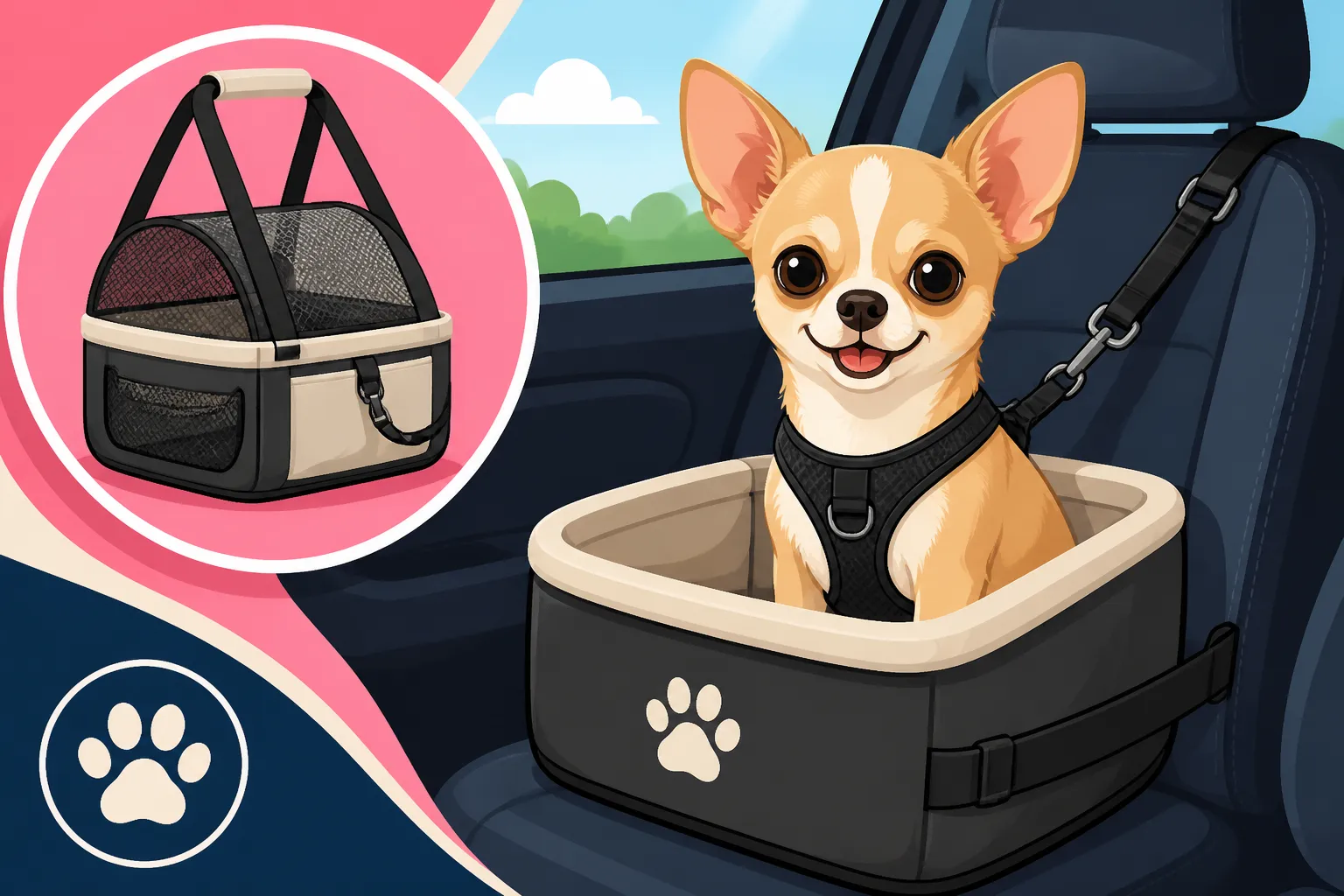
Booster seats and dedicated dog car seats are popular choices for Chihuahuas, and for good reason. They elevate your dog, allowing them to look out the window, which many Chihuahuas absolutely adore. This can significantly reduce anxiety for dogs who get stressed not being able to see out. These seats are designed to be secured by your car's seatbelt system, often having internal straps that clip onto your Chihuahua's harness (never their collar, as a sudden stop could cause severe neck injury, potentially leading to issues like a Collapsing Trachea in a Chihuahua and Its Triggers).
Many models feature soft, comfortable interiors, sometimes even with washable liners. When looking for these, consider what's available through retailers like Chewy, who offer a wide variety of styles and features. Some booster seats act almost like a small, soft basket, giving your Chihuahua a cozy den while still allowing them to see out. Others are more structured, providing robust sides for added protection. The goal is to ensure the seat itself is firmly anchored and that your Chihuahua is securely clipped in, preventing them from being thrown around the vehicle.
Travel Crates and Carriers
For some Chihuahuas, especially those who prefer a more enclosed, den-like space, a travel crate or carrier is the ideal solution. These come in various materials, from hard-sided plastic to soft-sided fabric carriers. When choosing a crate for car travel, look for models specifically designed for vehicle use, often with features like seatbelt straps or tethers to prevent them from sliding or tipping over. The crate should be small enough to prevent your Chihuahua from being jostled excessively inside, but large enough for them to stand up, turn around, and lie down comfortably.
Hard-sided crates offer excellent protection against impacts from other objects in the car, provided they are securely anchored. Soft-sided carriers are generally lighter and easier to carry, but may offer less impact protection unless they have a very rigid frame. Always place crates in the back seat, preferably in a spot where they can be belted in or secured behind a front seat for added stability. For puppies, particularly those prone to Chihuahua Hypoglycemia and the Puppy Emergency, a crate can provide a safe, contained space where you can easily monitor them and provide comfort as needed.
Crash-Tested Harnesses and Seatbelt Attachments
A third common option is a crash-tested dog harness designed specifically for car safety. These harnesses are engineered to distribute crash forces across your dog's strongest points – their chest and shoulders – rather than concentrating pressure on their neck. They typically come with a short tether or a loop that can be threaded through a seatbelt or clipped into a seatbelt receiver. It's absolutely crucial to use a crash-tested harness, as many standard walking harnesses are not built to withstand the forces of a car accident and can fail, or even cause injury.
These harnesses allow your Chihuahua a little more freedom of movement than a crate or booster seat, but still keep them safely in one place, preventing them from becoming a distraction. They're often a good choice for dogs who might feel anxious in an enclosed space but still need the protection of a restraint. Again, when you're exploring options, sites like Chewy will often clearly label products that have undergone crash testing. Remember that even with a secure harness, it's best for your Chihuahua to be in the back seat. This simple setup can prevent the kind of minor injuries that could lead to unexpected vet bills, though it's always wise to prepare for the unforeseen, perhaps with a good pet insurance plan from providers like Healthy Paws.
Choosing the Right Restraint for Your Chihuahua
Deciding on the perfect car restraint isn't a one-size-fits-all situation. It involves considering your Chihuahua's individual needs, your car's setup, and your typical travel habits. Thinking through these factors will help you select a solution that offers maximum safety and comfort.
Considering Your Chihuahua's Size and Temperament
First and foremost, think about your specific Chihuahua. Are they a tiny three-pounder or a sturdier six-pounder? The size will dictate the scale of the restraint needed. A small crate might be too big for a tiny Chihuahua, allowing them to be tossed around too much, while a larger one might be perfect for a bigger Chihuahua. If your Chihuahua tends to be very anxious or prone to motion sickness, a cozy, enclosed crate might provide more comfort and security than an open booster seat. Some Chihuahuas love looking out the window; for them, a booster seat could be a game-changer, making travel much more enjoyable. Others prefer to burrow and hide, in which case a soft, private carrier might be better. Remember that proper training, perhaps starting with Chihuahua Puppy Class and Trainer Fees, can also help them adapt to any new travel routine.
Matching the Restraint to Your Vehicle Type
Next, take a look at your car. Do you have a small sedan, a spacious SUV, or a truck? This will influence the practicalities of fitting the restraint. Hard-sided crates take up more space and need a flat, secure surface. Booster seats typically buckle into individual seats. If you have multiple Chihuahuas, you might need multiple restraints or a larger, compartmentalized crate. Think about how easily you can secure the restraint. Does it have straps long enough to reach your seatbelts? Will it block your view? Some car seat designs are better suited for specific vehicle interiors than others, so it's worth checking dimensions and attachment methods carefully before you buy. Consider how often you'll be putting the restraint in and taking it out – some systems are more cumbersome than others.
Prioritizing Safety Certifications and Durability
This is perhaps the most critical factor. The market is flooded with pet car products, but not all are created equal in terms of safety. Always look for products that are crash-tested. Organizations like the Center for Pet Safety (CPS) conduct independent crash tests and certify pet travel products. While certifications can sometimes come with a higher price tag, the peace of mind – and the actual safety – they offer is invaluable.
A crash-tested harness or crate is designed to withstand impact forces, minimizing injury to your dog. Durability also matters; you want a restraint that will last for years, through countless car rides, without fraying straps or breaking buckles. Read reviews, look for robust materials, and choose brands known for their commitment to safety. Investing in a high-quality, safe car restraint is one of the most important aspects of Budgeting for a Chihuahua That Lives Sixteen Years, as it prevents potential emergency vet visits and ensures their longevity.
Here's a quick comparison of common Chihuahua car restraint options:
| Restraint Type | Pros | Cons | Best For |
|---|---|---|---|
| Booster Car Seat | Elevates dog for view, cozy, secures with car seatbelt | Less impact protection than a hard crate, some movement possible | Chihuahuas who like to see out, don't mind being contained but not enclosed |
| Hard-Sided Crate | Excellent impact protection, secure den-like space | Takes up more space, can be heavy, may block view if unsecured | Anxious Chihuahuas, dogs prone to motion sickness, maximum protection |
| Soft-Sided Carrier | Lightweight, portable, comfortable for short trips | Less impact protection, less stable, usually not crash-tested | Short trips, Chihuahuas who prefer enclosed spaces, easier carrying |
| Crash-Tested Harness | Allows more freedom, secured by car seatbelt system | Must be genuinely crash-tested, allows more movement in car | Chihuahuas who dislike enclosures, active dogs, versatile for walks too |
Making Car Travel a Positive Experience for Your Chihuahua
Even with the safest restraint, car travel can be daunting for a tiny Chihuahua. The noise, the movement, the confinement – it can all be a lot. But with a little patience and positive reinforcement, you can transform car rides into an enjoyable and stress-free part of your dog's life.
Gradual Introduction and Positive Reinforcement
Start small. Don't just shove your Chihuahua into a new car seat or crate and head straight for a long road trip. Begin by introducing the restraint in your home. Let them explore it, put their favorite Chihuahua Toys That Survive Small Sharp Teeth inside, and offer high-value treats. Make it a positive space. Once they're comfortable with the restraint itself, introduce it to the car without starting the engine. Let them sit in it, give treats, and praise them.
Next, try short trips. Start with just a drive around the block, then gradually extend the duration. Always associate the car and the restraint with good things: treats, praise, and perhaps a fun destination like a park. If your Chihuahua shows signs of fear or anxiety, back up a step and go slower. Patience is key. This gradual desensitization process is similar to how you'd introduce any new routine, like training them with methods described in Marker Training a Chihuahua From Eight Weeks.
Comfort and Familiar Scents
Make the travel space as comfortable as possible. Line their car seat or crate with a familiar blanket or their favorite bed, items that carry your scent and their own. This familiarity can be incredibly reassuring in a new environment. A comfortable space can also help prevent them from getting too cold, which can be a concern for Chihuahuas, especially in winter. You can even consider a small, favorite toy to keep them company.
If your Chihuahua is prone to car sickness, talk to your vet about options for nausea relief. Sometimes just being able to see out the window helps, which is where a booster seat shines. For other dogs, a darker, more enclosed crate can reduce visual stimuli and help. Avoid feeding a large meal right before a car ride. Many of these items, from blankets to portable water bowls, can be found readily at places like Chewy, making it easy to create a comfortable travel environment.
Regular Stops and Hydration on Longer Journeys
For longer trips, plan for frequent stops. Your Chihuahua has a tiny bladder, and they'll need opportunities to relieve themselves. Regular breaks also allow them to stretch their legs, get some fresh air, and rehydrate. Always offer water at these stops, but be mindful not to overdo it right before getting back in the car to prevent accidents.
These breaks are also a good time to check on their general well-being. Are they warm enough? Too hot? Do they seem stressed? A quick walk can help burn off some nervous energy and reset their mood. Planning for these stops and having access to water will make the journey much more pleasant for both of you, and help ensure your Chihuahua's health, avoiding issues like dehydration or discomfort that could escalate to more serious problems. It’s all part of the long-term commitment of care, alongside understanding why Chihuahua costs recur every year.
Disclaimer
This article is for general informational purposes only and does not constitute professional advice. Laws, prices and regulations vary by location and change over time. Consult a qualified professional for guidance on your specific situation.