Dog Walkers Who Handle a Chihuahua
It’s a common dilemma for Chihuahua owners: you need a reliable dog walker, but trusting your tiny, fragile companion to just anyone feels like a huge leap of faith. Our Chihuahuas aren't like larger breeds who can shrug off a misstep or handle a rough-and-tumble interaction without consequence. This guide is here to walk you through exactly what to look for and how to find a dog walker who truly understands the unique needs of your pint-sized friend, ensuring their safety and your peace of mind.
Understanding the Unique Challenges of Walking a Chihuahua
Finding someone to walk your Chihuahua isn't as simple as hiring the neighborhood teenager. These tiny dogs have specific vulnerabilities and behavioral traits that require a specialized approach. It's not about being overprotective; it's about being realistic about what our little companions can handle in the big, wide world.
The Physical Vulnerabilities of Toy Breeds on Walks
Our Chihuahuas are undeniably adorable, but that small size comes with a set of physical considerations that a dog walker must be acutely aware of. Their bones are delicate, their windpipes are sensitive, and their little bodies regulate temperature differently than a larger dog. A casual tug on a collar, a sudden fall from a curb, or even an unexpected encounter with a boisterous Labrador can have serious consequences. We worry about things like a collapsing trachea and its characteristic honking cough, which can be exacerbated by collar pressure, making a harness absolutely essential for most Chihuahuas. Their tiny legs are also prone to joint issues like patellar luxation, meaning every step, every jump, needs to be considered. Any walker needs to understand that what might be a minor bump for a bigger dog could be a significant injury for a Chihuahua.
Beyond structural issues, Chihuahuas have minimal body fat, making them highly susceptible to cold. A quick jaunt in chilly weather that a husky would barely notice could lead to a dangerously low body temperature for a Chihuahua, especially if they are standing still for too long. Similarly, in hot weather, their proximity to the scorching pavement can put them at risk of overheating. A responsible walker must consider the ambient temperature, the ground temperature, and have appropriate gear like sweaters or cooling vests ready. They also need to be vigilant for signs of hypoglycemia, particularly in young puppies or Chihuahuas that run out of blood sugar so fast, which can manifest as trembling or weakness.
Behavioral Nuances a Walker Needs to Appreciate
Chihuahuas often get a bad rap for being "yappy" or "nippy," but much of this behavior stems from fear reactivity, a common problem for dogs who feel easily overwhelmed by the world. Imagine navigating a world where everyone is a giant, and every approaching dog could be a predator. This constant state of vigilance can make Chihuahuas prone to barking, lunging, or snapping as a defensive mechanism. A walker who doesn't understand this might inadvertently trigger these behaviors, making the walk stressful for your dog and potentially for others. They need to recognize subtle body language cues, like a tucked tail or whale eye, long before a Chihuahua snaps.
Furthermore, Chihuahuas often bond intensely with their primary caregivers. This strong attachment, while endearing, can sometimes lead to separation anxiety or apprehension around strangers. A good walker understands that building trust with a Chihuahua takes time and patience, and they won't rush the relationship. They'll know how to calmly introduce themselves, respect your Chihuahua's personal space, and make the experience positive, reinforcing confidence rather than fear. They also need to be aware of how to avoid reinforcing undesirable behaviors, like constantly picking up a barking Chihuahua, which teaches the dog that barking makes the scary thing go away.
The Importance of Safe Gear and Handling
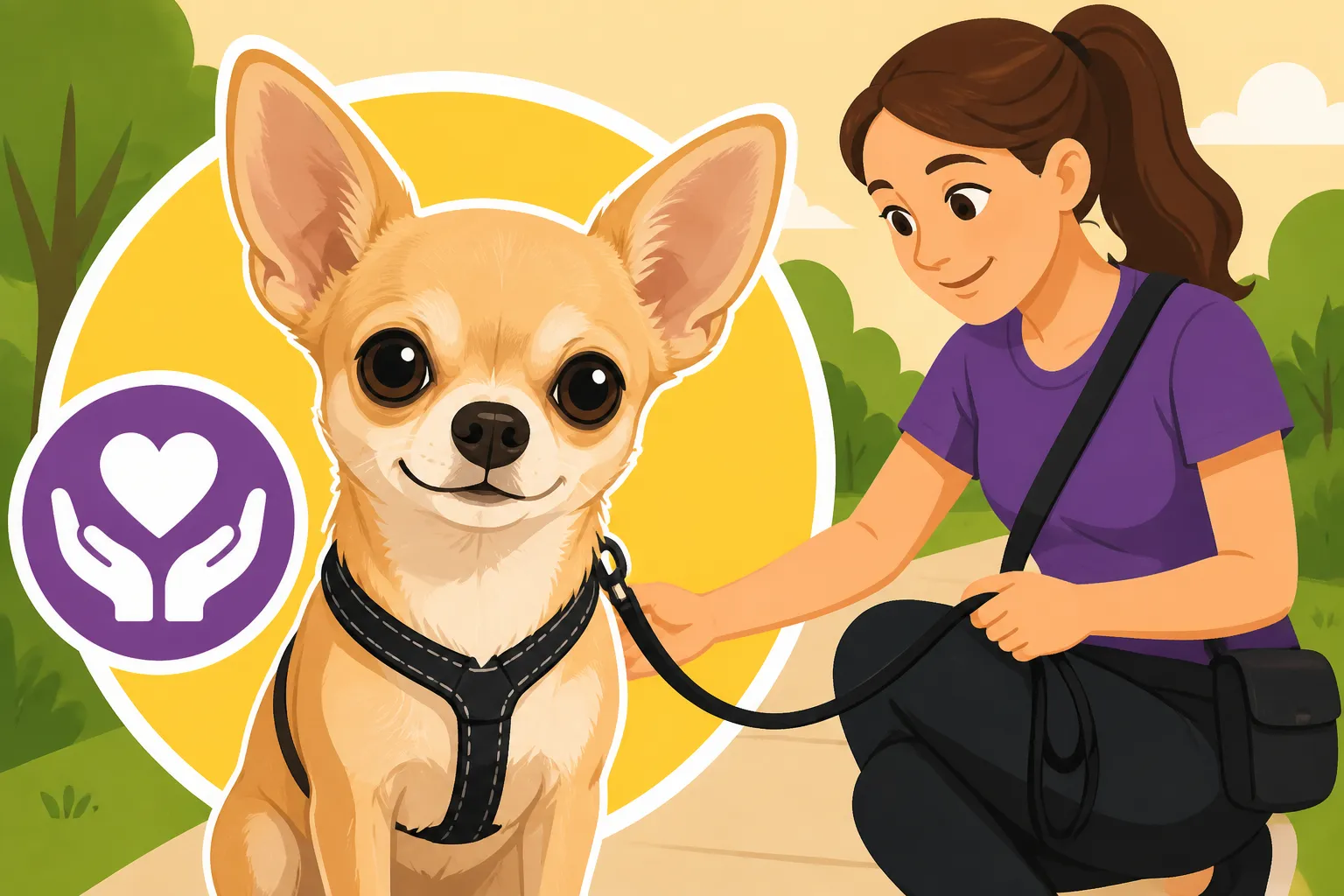
When it comes to walking a Chihuahua, the right gear isn't just a suggestion; it's a necessity. As mentioned, a harness is non-negotiable for most Chihuahuas, protecting their delicate throats from the pressures of a collar, especially given the prevalence of collapsing trachea in the breed. But not just any harness will do; it needs to be properly fitted to avoid rubbing or allowing your escape artist to wriggle out. A walker should be proficient in putting on and checking the fit of such a harness, ensuring it's secure but comfortable.
Beyond harnesses, a walker needs to understand the subtle art of handling a tiny dog. Our Chihuahuas aren't meant to be scooped up and carried without warning, as this can exacerbate fear and remove their agency. A good walker will often get down to their level, offer a hand for sniffing, and ideally, teach your Chihuahua to step into their hands before being lifted, if lifting is even necessary. They'll also understand the importance of a secure leash that's not too heavy or bulky for your dog's size, and they'll always maintain a gentle but firm grip, ready to intervene if another dog or a sudden noise poses a threat. This thoughtful approach to gear and handling is foundational to keeping your Chihuahua safe and happy on their walks.
What to Look for in a Chihuahua-Savvy Dog Walker
So, how do you sift through the countless dog walkers out there to find the diamond in the rough who truly "gets" Chihuahuas? It comes down to specific experience, a tailored approach, and an unwavering commitment to safety.
Experience with Small and Toy Breeds
This might seem obvious, but it's crucial to emphasize: don't just ask if they've walked dogs; ask if they've walked Chihuahuas or similarly fragile toy breeds. Someone accustomed to walking Golden Retrievers or Pit Bulls might inadvertently use too much force on a leash, misinterpret a Chihuahua's subtle signs of stress, or simply not grasp the physical fragility. A walker with specific toy breed experience will understand things like the appropriate pace for a short-legged dog, the need for frequent potty breaks due to a tiny bladder, and the vigilance required to spot potential dangers like predatory birds or off-leash bigger dogs. They'll be prepared for the breed's common health concerns, from the risk of hypoglycemia to the possibility of a slipping kneecap.
A professional who truly understands small breeds will also appreciate the importance of appropriate interaction. They'll know that letting your Chihuahua play unsupervised with a rambunctious large dog is a recipe for disaster. They'll be familiar with techniques for building confidence in fearful Chihuahuas and understand that constant carrying often hinders socialization rather than helping it. Look for someone who speaks knowledgeably about the specific traits and needs of Chihuahuas, not just general dog care. Brands like Chewy, for instance, offer a wide array of specialized small-breed equipment, and a knowledgeable walker will be familiar with such dedicated products that cater to smaller dogs.
A Focus on Individualized Care Over Pack Walks
While many dog walkers offer group or "pack" walks, these can be incredibly overwhelming and even dangerous for a Chihuahua. The sheer size difference makes them vulnerable to accidental injury, and the stress of being in a large group, especially with boisterous or untrained dogs, can exacerbate fear and reactivity. An ideal walker for a Chihuahua will prioritize individual walks or very small, carefully curated groups of similarly sized, calm dogs. This allows them to focus solely on your Chihuahua's needs, pace, and safety, providing a truly personalized experience.
Individualized care also means the walker can adapt the walk to your Chihuahua's mood and physical condition that day. If your dog is feeling a bit under the weather, or if the weather itself is too extreme, they can adjust the duration or even switch to indoor enrichment. They can also work on specific training cues you're reinforcing, like polite leash walking or building confidence around novel stimuli, without the distractions of a group. This one-on-one attention ensures your Chihuahua feels safe, seen, and truly cared for, rather than just being one of many dogs on a routine outing.
Essential Safety Protocols and Emergency Preparedness
This is where you absolutely cannot compromise. A dog walker entrusted with your Chihuahua must have rigorous safety protocols in place. This includes always using a secure, well-fitting harness and leash, never letting your dog off-leash outside of a secure, pre-approved area, and having a clear plan for unexpected encounters with other dogs or people. They should carry water, waste bags, and ideally, a small emergency kit that includes something like glucose gel for a Chihuahua puppy in case of a sugar crash.
More critically, they must be trained in basic pet first aid and have a concrete emergency plan. What happens if your Chihuahua gets hurt, suddenly becomes ill, or has an adverse reaction to something? They should know the location of your preferred vet, a local emergency vet, and have your contact information readily available. They should also be familiar with common Chihuahua health issues, like knowing the signs of a Chihuahua heart murmur and understanding when a cough might indicate a serious issue. When considering insurance, a company like Healthy Paws, for example, emphasizes the importance of immediate care in emergencies, and a responsible walker should be prepared to act swiftly and appropriately, communicating with you every step of the way.
Interviewing Potential Dog Walkers for Your Chihuahua
Once you've narrowed down a few promising candidates, the interview process is your chance to really dig in and assess their suitability. Don't be afraid to ask detailed questions; remember, you're entrusting them with a precious family member.
Key Questions to Ask About Chihuahua-Specific Care
When you sit down with a potential dog walker, don't just run through a generic list of questions. Tailor your questions specifically to the nuances of owning a Chihuahua.
Here's a table of crucial questions to ask:
| Category | Question | Why It Matters for Chihuahuas |
|---|---|---|
| Experience | "How much experience do you have specifically with Chihuahuas or similarly small toy breeds?" | General dog experience isn't enough; small breeds have unique physical and behavioral needs. |
| Safety & Gear | "What kind of harness do you recommend/use, and how do you ensure it's securely fitted?" | Collar pressure can damage a Chihuahua's trachea. Proper harness fitting is crucial for safety and preventing escapes. |
| Walk Routine | "Do you offer individual walks, or are they always in groups? If groups, how do you manage size differences?" | Pack walks can be dangerous and overwhelming for a small Chihuahua. Individualized attention is often best. |
| Weather Prep | "How do you handle extreme weather conditions, both hot and cold, for small dogs?" | Chihuahuas are highly susceptible to temperature extremes due to their low body fat. A plan for sweaters, boots, or indoor alternatives is vital. |
| Health & Emergencies | "Are you familiar with common Chihuahua health issues like hypoglycemia or patellar luxation, and what's your emergency protocol?" | Chihuahuas have breed-specific health vulnerabilities. A walker should know the signs and what to do, including having an emergency vet contact readily available. |
| Behavior Management | "How do you handle fear-based reactivity or barking when encountering other dogs or strangers?" | Many Chihuahuas are fearful. A walker needs positive reinforcement techniques, not punishment, and understanding of their body language to prevent escalation. |
| Handling | "How do you pick up and handle a small dog to ensure they feel safe and comfortable?" | Rough handling or sudden lifting can startle a Chihuahua and erode trust. They should know how to properly and gently interact. |
| Communication | "How do you communicate updates during and after the walk, including any observations?" | Regular feedback helps you stay informed about your Chihuahua's well-being and any changes in behavior or health. |
Ask them about their knowledge of Chihuahua dental disease – not directly related to walking, but it shows an overall understanding of breed-specific health. Inquire about their methods for introducing your Chihuahua to new environments without overwhelming them, or how they ensure your dog gets enough mental stimulation during a walk, not just physical exercise. The more specific and thoughtful their answers, the better.
Observing Their Interaction and Walking Style
Words are one thing, but actions speak louder. Arrange a meet-and-greet with the potential walker and your Chihuahua present. Observe their body language around your dog. Do they immediately try to pick up your Chihuahua, or do they get down to eye level, offer a gentle hand, and let your dog approach on their own terms? Look for patience and a calm demeanor. See if your Chihuahua seems comfortable or stressed in their presence. Sometimes a dog's gut reaction tells you more than any interview answer.
During this trial walk, pay close attention to their walking style. Do they pull on the leash? Are they constantly distracted by their phone? Do they seem aware of their surroundings, scanning for potential threats like aggressive dogs or loose children? A good walker will be focused, observant, and proactive, anticipating situations before they become problems. They should be using the harness and leash correctly, demonstrating a firm but gentle hand, and adapting their pace to your Chihuahua's little legs. Observe how they handle interactions with other dogs or people they encounter; a professional will calmly redirect or create space rather than engaging in confrontation.
Checking References and Credentials
Never skip this step! Ask for at least three references, preferably from other small dog owners. When you call these references, ask not just if they were happy with the service, but specifically about how the walker handled their small dog's particular needs, any challenges they faced, and how the walker communicated. Ask about their reliability, punctuality, and professionalism. Did the walker ever cancel last minute? Were there any unforeseen issues, and if so, how were they resolved?
Beyond references, inquire about their professional credentials. Are they bonded and insured? This is critical for your protection in case of an accident, injury, or property damage. Do they have any certifications in pet first aid or CPR? This demonstrates a higher level of commitment to safety and preparedness. If they belong to any professional pet sitting or dog walking associations, that can be a good sign of their dedication to industry standards. Some platforms like Ollie, while primarily a fresh dog food service, also often partner with vetted pet care providers or can offer resources on how to find reputable ones, underlining the importance of proper vetting. Don't be shy about confirming everything; it's your Chihuahua's safety on the line.
Setting Up Your Chihuahua and Walker for Success
Once you've found the perfect dog walker, the work isn't quite over. Setting up a clear communication channel and detailed instructions will pave the way for a smooth, successful relationship.
Creating a Detailed Care Plan
Don't assume anything. Even the most experienced walker needs a clear, written plan that outlines every detail of your Chihuahua's routine and needs. This document should be comprehensive, covering everything from feeding schedules (and why Chihuahua meal timing against low blood sugar is so important) to specific commands.
Include details such as:
- Emergency Contacts: Your number, a backup family member/friend, and your vet's contact info (primary and emergency clinic).
- Health Information: Any known allergies, medications, existing conditions (e.g., Chihuahua patellar luxation, the Chihuahua's commonest joint problem), and what to watch out for.
- Routine: Exact walk times, duration, preferred routes, and any areas to avoid (e.g., dog parks with large dogs, busy streets).
- Gear: Specific instructions on how to put on your Chihuahua's harness and leash.
- Feeding (if applicable): Precise food portions, treat allowances (especially important with a tiny calorie budget), and any dietary restrictions.
- Behavioral Notes: How your Chihuahua reacts to strangers, other dogs, children, and how you prefer these situations to be managed. Do they have Chihuahua fear reactivity around bicycles? Are they prone to Chihuahua resource guarding and snapping with certain items?
- Home Details: Where supplies are kept, alarm codes, and specific entry/exit instructions.
A well-organized care plan minimizes misunderstandings and ensures consistency, which is vital for your Chihuahua's comfort and confidence.
Communication and Feedback Loops
Open and consistent communication is the cornerstone of a successful relationship with your dog walker. Establish from the outset how you prefer to communicate – texts, calls, or a daily log app. Request updates during or immediately after each walk, even if it's just a quick message confirming they've finished and your Chihuahua is happy. Ask for details beyond "they peed and pooped." Did they seem happy? Did they encounter any challenges? What was their energy level like? This feedback helps you monitor your Chihuahua's well-being and catch any potential issues early.
Likewise, you need to be available for your walker. Provide multiple ways to reach you, especially in an emergency. Be open to their feedback and suggestions. They are spending time with your dog when you're not there and might notice things you miss, such as a subtle limp that could indicate Chihuahua arthritis in the teenage years or a new behavioral quirk. Consider a daily report card, whether digital or written, that tracks key details like potty breaks, exercise duration, and any notable observations. This level of transparency fosters trust and ensures everyone is on the same page for the long-term health and happiness of your little one.
Building Trust and a Lasting Relationship
Finding a fantastic dog walker for your Chihuahua isn't just about hiring a service; it's about forming a partnership. Consistency is key for Chihuahuas, who thrive on routine and established relationships. Once you find someone reliable and trustworthy, strive to maintain that connection. This reduces stress for your dog, who won't have to adjust to new people constantly, and provides you with invaluable peace of mind.
Show your appreciation for their dedicated care. Acknowledge their efforts, especially when they go above and beyond. Regular communication, timely payments, and mutual respect will strengthen this professional bond. Remember, your dog walker becomes an extension of your care for your Chihuahua, and a long-term relationship with a knowledgeable, compassionate individual can contribute significantly to your dog's overall well-being and longevity, helping you budget for a Chihuahua that lives sixteen years. They truly become part of your Chihuahua's extended family.
Disclaimer
This article is for general informational purposes only and does not constitute professional advice. Laws, prices and regulations vary by location and change over time. Consult a qualified professional for guidance on your specific situation.