Why Chihuahua Dental Claims Get Refused
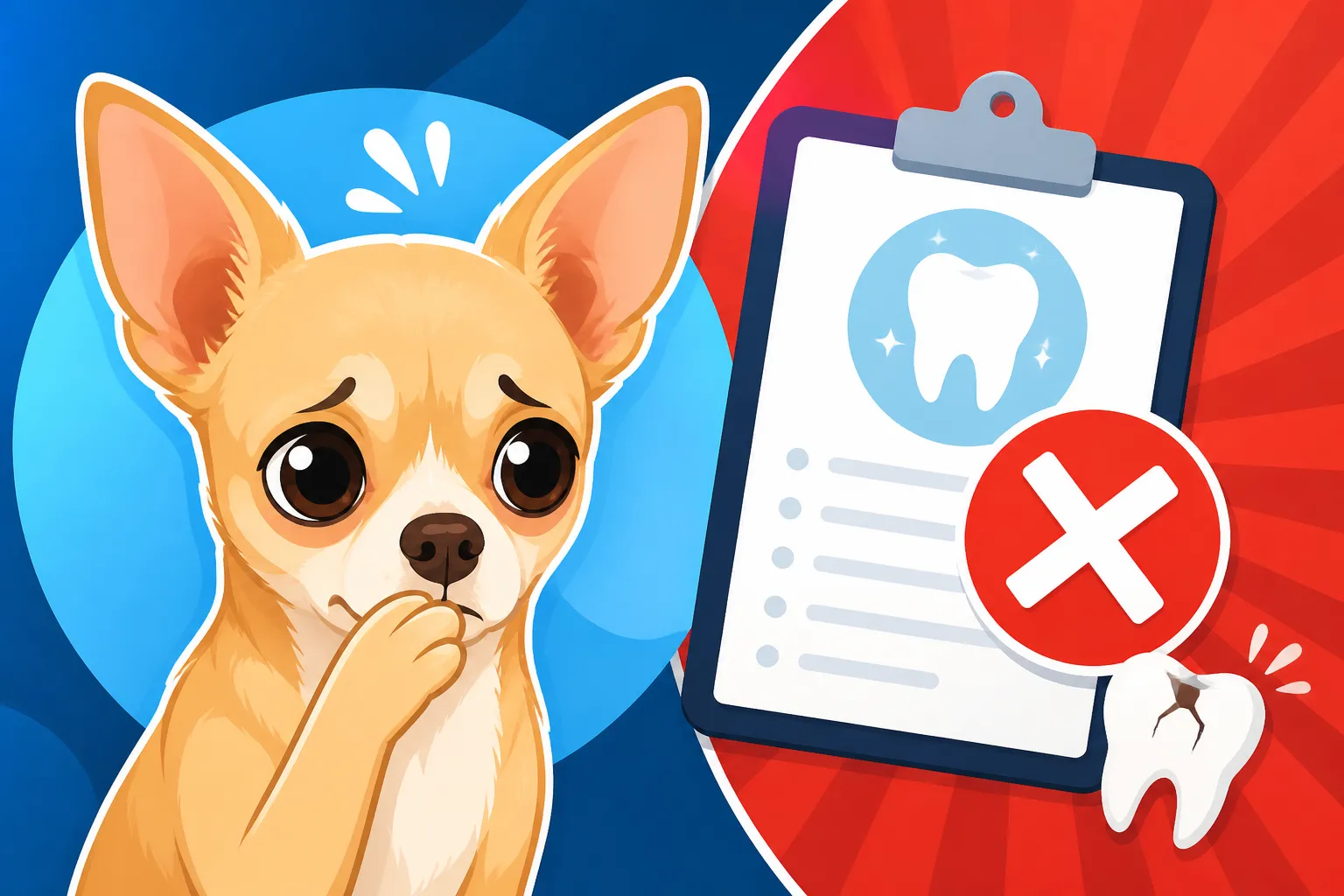
It’s incredibly frustrating when you’re doing your best to take care of your beloved Chihuahua, diligently taking them to the vet, only to have a dental claim denied by your pet insurance. You pay those premiums faithfully, month after month, expecting peace of mind, and then when you need it most, you’re left with a hefty bill and a lot of questions. This guide is all about shedding light on why Chihuahua dental claims often get refused and what you can do to navigate these tricky waters.
Understanding the Common Reasons for Dental Claim Denials
Pet insurance can be a lifesaver, especially for Chihuahuas who are notoriously prone to dental issues. Their tiny mouths and crowded teeth are a recipe for problems, often leading to significant veterinary bills. But even with insurance, claims for dental work can frequently be denied, leaving owners puzzled and out of pocket. Let’s delve into the primary reasons this happens, so you can be better prepared.
Pre-Existing Conditions and How They're Defined
One of the biggest hurdles many Chihuahua owners face when it comes to dental claims is the "pre-existing condition" clause. This term can feel like a catch-all, but it essentially means any illness or injury that your pet showed signs of before the start date of your insurance policy, or during any applicable waiting periods. For Chihuahuas, this is particularly relevant because dental problems often begin to manifest at a young age, sometimes even before they're insured.
Imagine you get a Chihuahua puppy, sign up for insurance at 10 weeks old, but they’ve already had a vet visit at 8 weeks where the vet noted "mild gingivitis." If, a year later, your dog needs extensive dental work due to advanced periodontal disease, the insurance company might argue that the gingivitis documented at 8 weeks was a pre-existing condition, and thus, deny the claim. Even if the condition wasn't severe or diagnosed as full-blown periodontal disease at the initial visit, any signs or symptoms can be used to label it as pre-existing. This can be incredibly disheartening, as it feels like you're being penalized for a problem that was inherent to your dog or breed, not something preventable. It really emphasizes the importance of starting insurance coverage as early as possible and understanding what exactly constitutes a pre-existing condition according to your specific policy’s terms and conditions.
Lack of Routine Preventive Care Documentation
Pet insurance typically focuses on unforeseen accidents and illnesses, not routine preventive care. While some policies offer wellness add-ons that cover things like annual cleanings, standard accident and illness policies usually do not. What's more, a lack of documented routine dental care can actually lead to the denial of claims for more serious dental procedures. Insurance companies expect responsible pet ownership, which includes preventive measures.
If your Chihuahua hasn't had annual dental check-ups and cleanings, and suddenly needs multiple extractions due to severe, long-standing dental disease, the insurance provider might argue that the condition was exacerbated or allowed to progress due to a lack of routine care. They could claim that if regular cleanings had been performed, the extensive and costly procedure might have been avoided or less severe. This isn't always fair, especially if a previous vet didn't emphasize yearly dentals, or if you simply couldn't afford them. However, for the insurance company, a clear history of annual vet visits, including discussions about dental health and possibly professional cleanings, serves as evidence that you were proactive. Without this paper trail, they might view the severe dental problem as a neglect of routine care, making the claim ineligible. This is a tough pill to swallow for many owners who just want to do right by their little companions but find themselves caught between rising vet costs and strict policy clauses. Knowing The Yearly Chihuahua Dental Cleaning Bill can be substantial, it often puts owners in a difficult position.
Waiting Periods and Policy Effective Dates
When you sign up for a new pet insurance policy, there's always a waiting period before certain coverages kick in. These periods vary by insurer and by the type of condition. For example, accident coverage might begin within a few days, but illness coverage could have a 14-day waiting period, and orthopedic conditions or dental issues often have much longer waiting periods, sometimes 30 days, 60 days, or even six months. This is to prevent people from buying insurance only after their pet has developed a problem.
If your Chihuahua needs dental work during one of these waiting periods, the claim will almost certainly be denied. Let's say you notice your Chihuahua has terrible breath and a loose tooth, you quickly enroll in a policy, and two weeks later, the vet recommends an immediate dental cleaning and extraction. If your policy has a 30-day waiting period for dental illness, that claim will be refused because the procedure fell within that initial exclusion window. It doesn't matter that the problem was already there; the timing of the veterinary intervention relative to your policy's start and waiting periods is critical. It's a cruel twist of fate when you're trying to be responsible, but the system itself creates a barrier to immediate help. This highlights why it's so important to understand the specific waiting periods for all types of conditions, especially dental ones, before you finalize your policy.
Deciphering Policy Language and Exclusions
Pet insurance policies, like all insurance documents, are packed with specific language, definitions, and exclusions that can be incredibly confusing. It's easy to skim through them, assuming broad coverage, only to find out later that the specific issue your Chihuahua is facing isn't actually covered. Diving into the details of your policy is essential to avoid surprises, especially concerning your Chihuahua's delicate dental health.
Specific Dental Exclusions You Might Miss
Beyond the general pre-existing conditions and waiting periods, many pet insurance policies contain very specific exclusions related to dental care. It’s not uncommon for policies to differentiate between dental issues caused by an "accident" versus those resulting from "illness." For instance, if your Chihuahua breaks a tooth chewing on a hard toy (an accident), that might be covered. However, if they need an extraction due to severe periodontal disease (an illness), it might fall under a different set of rules or even be excluded entirely unless you have a specific dental rider or wellness plan.
Other common exclusions include cosmetic dental procedures, orthodontics (like braces for misaligned teeth), or even certain types of routine extractions. Some policies might also have limits on the number of teeth that can be extracted in a year or specific limits on anesthesia costs associated with dental work. This can be particularly frustrating when your tiny companion needs extensive work due to Chihuahua Dental Disease in a Crowded Small Jaw but your policy only covers a fraction of it. It’s crucial to scrutinize the dental section of your policy for these nuances. Don't assume that just because dental care is mentioned, all dental issues are covered equally. Many providers also exclude anything that could be considered "preventable," which is where the lack of routine care documentation often comes into play. You really need to dig into the fine print to know Whether Chihuahua Insurance Covers Dental Disease fully.
Annual Limits, Deductibles, and Coinsurance
Even when a dental claim is approved, the actual amount you receive back from the insurance company can be significantly less than your total bill due to annual limits, deductibles, and coinsurance. These are standard features of most pet insurance policies and impact how much you ultimately pay out of pocket.
- Deductible: This is the amount you must pay before your insurance company starts reimbursing you. For example, if you have a $250 deductible and your Chihuahua's dental bill is $1,000, you'll pay the first $250, and the insurance company will cover a percentage of the remaining $750. Some policies have an annual deductible, while others have a per-incident deductible.
- Coinsurance/Reimbursement Percentage: After your deductible is met, the insurance company will reimburse you a certain percentage of the remaining eligible costs. Common percentages range from 70% to 90%. So, if your reimbursement is 80% on that $750 remaining bill, the insurance company pays $600, and you're still responsible for $150 (plus your $250 deductible, totaling $400 out of pocket).
- Annual Limit: Most policies have an annual maximum payout. If your Chihuahua has a particularly rough year with multiple health issues, including dental problems, you might hit this limit, and any further claims for that policy year would not be covered.
Understanding these financial mechanics is just as important as knowing what’s covered. It helps you manage expectations and plan your budget. For instance, Setting a Chihuahua Deductible Against Dental Bills requires careful thought, as a lower deductible means higher premiums but less out-of-pocket per incident, while a higher deductible offers lower premiums but a larger initial expense.
The Importance of Timely Claim Submission
It sounds obvious, but you’d be surprised how often claims are denied simply because they weren't submitted within the specified timeframe. All pet insurance policies have a deadline for submitting claims after a vet visit or procedure. This window can vary significantly, from 60 days to 180 days, or even up to a year, depending on the provider.
Life with a Chihuahua is busy, and it's easy to let paperwork pile up, especially when you're dealing with the stress of a sick pet or recovering from a costly vet visit. However, missing this submission deadline, even by a day, can result in an automatic denial, regardless of how valid the claim itself might be. Imagine getting a $1,200 dental bill for your Chihuahua and realizing you missed the 90-day submission window by a week – it's a truly disheartening experience. To avoid this, it's a good habit to submit claims as soon as you receive the final, paid invoice from your veterinarian. Many pet insurance companies now offer convenient online portals or mobile apps, making the process much quicker and easier than dealing with snail mail. Keeping a calendar reminder for each vet visit to submit the claim shortly after can save you a lot of headache and heartache in the long run.
Steps to Take When Your Chihuahua's Dental Claim is Refused
Discovering your Chihuahua's dental claim has been refused can feel like a punch to the gut. All that careful planning, all those premiums, and still you’re left with the bill. But a refusal isn’t always the final word. There are definite steps you can take to understand the decision and potentially appeal it. It's about being proactive and persistent on behalf of your little companion.
Reviewing the Denial Letter and Policy Details
The very first thing you need to do is thoroughly read the denial letter from your pet insurance provider. Do not just glance at it and feel defeated. This letter is legally required to state the specific reason (or reasons) for the denial. It might cite a pre-existing condition, a missed waiting period, an exclusion in your policy, or a lack of documentation. This is your starting point for understanding what went wrong.
Once you have the stated reason, pull out your actual insurance policy document. It’s usually a lengthy PDF you received when you signed up. Go directly to the sections the denial letter references. Does the policy genuinely state that the condition is excluded? Is the definition of a "pre-existing condition" in your policy broad enough to cover the one cited? Are the waiting periods clearly outlined and did your claim indeed fall within them? Sometimes, there's a misinterpretation on either your part or even the insurance company's. Compare their specific wording with the exact terms of your policy. For instance, if they deny based on a pre-existing condition, but your vet records prior to enrollment show no signs or symptoms of that specific condition, you might have grounds for an appeal. Understanding the exact language and identifying any discrepancies between the denial and your policy is crucial for your next steps.
Gathering Documentation and Appealing the Decision
If, after reviewing your denial letter and policy, you believe the claim was wrongly refused, it's time to gather your ammunition and prepare an appeal. This is where your detailed records become invaluable.
First, contact your veterinarian and request all relevant medical records for your Chihuahua. This should include detailed notes from initial consultations, diagnostic test results (like dental X-rays, if applicable), treatment plans, and all invoices. Make sure these records are as comprehensive as possible, particularly focusing on any documentation from before your policy's start date that might refute a "pre-existing" claim. For example, if the insurer claims a pre-existing condition, but your prior vet records show a clean bill of health or only minor, unrelated issues, this is powerful evidence. Keeping Health Records Worth Keeping Across Sixteen Years is a smart move for all dog owners, but especially with Chihuahuas who have many potential health issues.
Next, draft a concise and factual appeal letter. Clearly state your policy number, your Chihuahua's name, the claim number, and the date of the denial. Explain why you believe the denial was incorrect, referencing specific clauses in your policy and providing supporting evidence from your vet records. Attach copies of all relevant documentation, highlighting the key information. Many pet insurance providers, like Healthy Paws, have a formal appeals process outlined on their websites or within their policy documents. Follow their process meticulously. Be polite but firm, and present a clear, evidence-based argument. Persistence often pays off, and a well-documented appeal has a much higher chance of success.
Considering Alternatives or Future Prevention
Even if your appeal is unsuccessful, or if you simply want to be better prepared for future dental costs, it's wise to explore alternative financial strategies and double down on preventive care. Veterinary care, particularly specialized procedures like extensive dental work, can be expensive, and having a plan B is essential.
One option is to look into veterinary financing programs like CareCredit or Scratchpay, which offer credit lines specifically for pet healthcare, often with deferred interest options. You could also start a dedicated savings account for your Chihuahua's health, earmarking funds specifically for routine dentals or unexpected emergencies. Some owners also explore switching insurance providers at renewal if they find their current policy's dental coverage too restrictive, but always be wary of new waiting periods and pre-existing condition clauses with a new insurer.
Most importantly, commit to rigorous daily dental hygiene for your Chihuahua. Brushing your Chihuahua's teeth every single day is the single most effective way to prevent severe dental disease. Use a Chihuahua-sized toothbrush and enzymatic pet toothpaste. Products like dental chews (make sure they're veterinary approved and appropriately sized) and water additives can help, but they are never a substitute for brushing. Stores like Chewy offer a wide variety of these products. Regularly scheduled professional cleanings, perhaps annually or every other year, are still critical. Discuss Brushing a Chihuahua's Teeth Every Single Day with your vet to learn proper technique. Additionally, some fresh food services, such as Ollie, can contribute to overall health, though they don't negate the need for active dental care. By being proactive with home care and financial planning, you can significantly reduce the chances of facing another hefty, unreimbursed dental bill down the line.
| Reason for Dental Claim Refusal | Explanation | How to Potentially Prevent/Address |
|---|---|---|
| Pre-Existing Condition | Any dental issue showing signs before policy start or during waiting periods. | Insure your Chihuahua early, before any dental issues arise. Keep thorough vet records to dispute claims. |
| Lack of Preventive Care | Extensive dental disease allowed to progress due to no routine check-ups or cleanings. | Schedule annual dental check-ups and cleanings. Document all vet visits. |
| Waiting Period | Procedure performed before the policy's specific dental waiting period has elapsed. | Understand all waiting periods before needing to file a claim. Avoid delaying enrollment. |
| Policy Exclusions | Specific dental procedures (e.g., cosmetic, illness-related, certain extractions) not covered by your plan. | Read your policy's dental section carefully. Consider wellness add-ons or riders for broader coverage. |
| Missed Submission Deadline | Claim submitted after the insurer's designated timeframe from the date of service. | Submit claims immediately after receiving the final, paid vet invoice. Use online portals for quick submission. |
| Annual Limits/Deductibles | Claim amount exceeds annual payout limit or is less than your deductible. | Understand your policy's financial limits. Plan for out-of-pocket costs with a savings fund or credit. |
Disclaimer
The information provided in this article is for general informational purposes only and does not constitute professional veterinary or financial advice. Always consult with your veterinarian for any health concerns regarding your Chihuahua and a qualified insurance or financial advisor for specific policy questions or financial planning. Pet insurance policies vary widely, and it is crucial to read your individual policy documents carefully to understand your coverage, exclusions, waiting periods, and limitations.