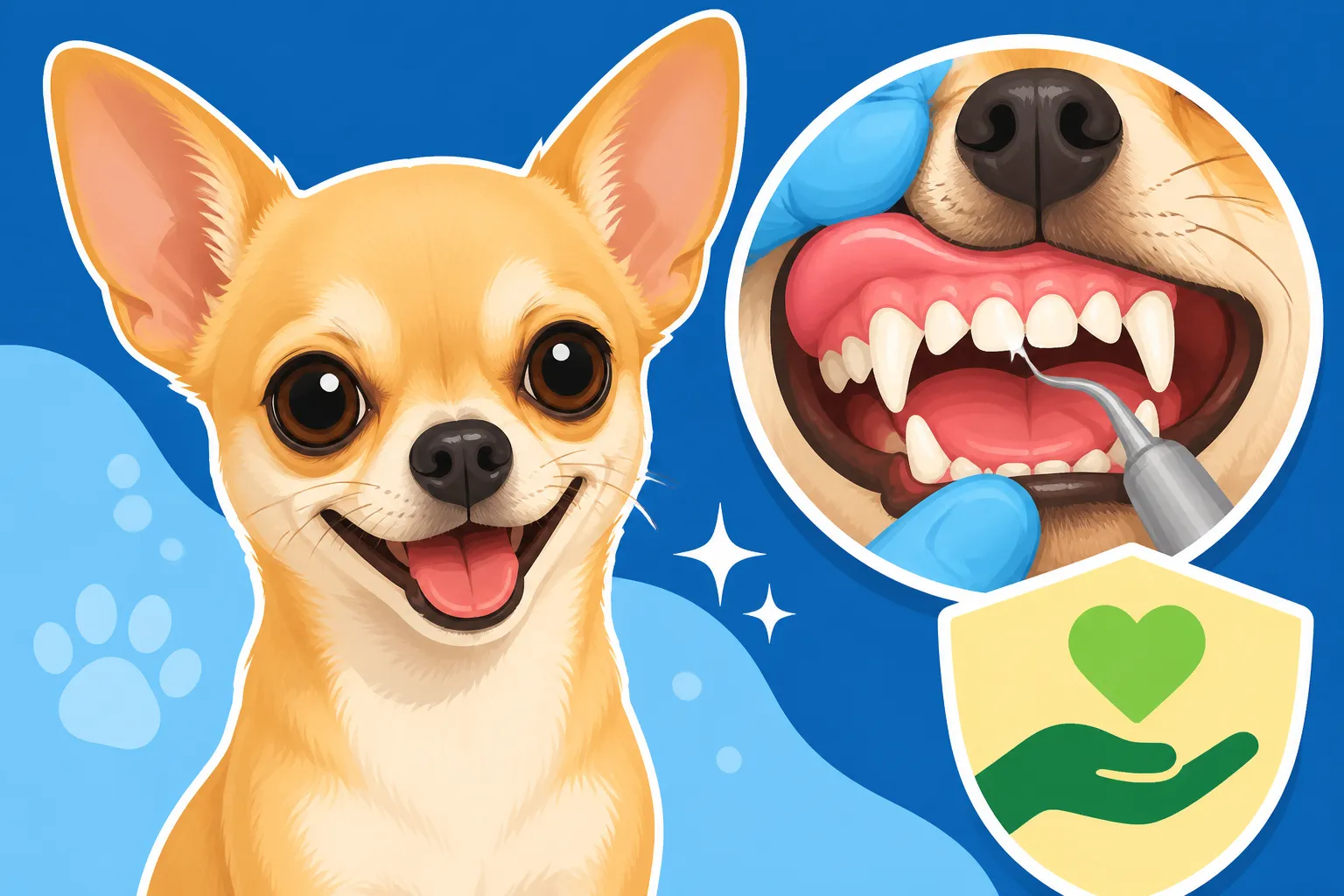
Chihuahua Dental Cleaning at $300 to $700
It’s a truly upsetting moment when you get that dental estimate from your vet for your precious little Chihuahua. You might be thinking, "Three hundred dollars? Seven hundred dollars? For a mouth that tiny?!" It feels astronomical, and it’s a frustration many Chihuahua owners share. This guide is here to walk you through exactly what goes into that dental cleaning bill, why it’s often so high for our little companions, and how you can best prepare for these essential, yet often costly, procedures.
The Harsh Reality of Chihuahua Dental Disease
Let's be honest, few things are as universally dreaded by Chihuahua owners as the phrase "dental cleaning." It's not just an optional cosmetic procedure; for our breed, it's often a critical health necessity. The sad truth is that Chihuahuas are disproportionately affected by dental problems, and it’s a reality we all grapple with.
Why Chihuahuas Are Uniquely Prone
Our little Chihuahuas have tiny mouths packed with the same number of teeth as a much larger dog. Think about that for a second – 42 teeth crammed into a jaw that barely fits your thumb! This severe overcrowding creates a breeding ground for plaque and tartar. Food particles and bacteria get trapped easily, making it incredibly difficult to keep their teeth clean, even with diligent home care. This anatomical predisposition is a huge reason why vets often see significant dental disease in Chihuahuas as young as two or three years old. It’s not a reflection of your care; it's just the way their little mouths are designed. This is why addressing Chihuahua Dental Disease in a Crowded Small Jaw is so crucial from an early age.
The Silent Progression of Dental Disease
One of the biggest heartaches for us as owners is that dental disease often progresses silently, right under our noses. By the time we notice symptoms like really bad breath (beyond "dog breath"), excessive drooling, difficulty eating, or pawing at their mouth, the problem is usually quite advanced. Beneath the gum line, where we can't see, infection can be raging, eroding bone and loosening teeth. This silent progression is why regular vet check-ups are so important, as your vet can spot early signs before they become painful emergencies. It’s also why many Chihuahuas seem to suddenly develop severe issues, even if they looked fine just months before.
Breaking Down the Chihuahua Dental Cleaning Bill
Understanding what you’re actually paying for can help ease some of the sticker shock. A Chihuahua dental cleaning isn't just a quick brush-and-rinse; it's a comprehensive medical procedure performed under general anesthesia, requiring a team of trained professionals and specialized equipment.
Initial Exam and Pre-Anesthetic Work
Before your Chihuahua even sniffs the anesthesia, a thorough physical examination is paramount. Your vet needs to assess their overall health, listening to their heart and lungs, checking their hydration, and looking for any underlying conditions that could complicate anesthesia. Following this, pre-anesthetic bloodwork is almost always recommended, especially for smaller, older, or seemingly healthy Chihuahuas. This blood panel checks vital organ function, like the kidneys and liver, ensuring they can safely process the anesthetic drugs. It also screens for hidden issues that could make anesthesia risky. For our tiny Chihuahuas, whose systems are so delicate, these steps are non-negotiable for safety.
Anesthesia and Monitoring
This is often the largest single component of the dental cleaning cost, and for good reason. Anesthesia in a Chihuahua is a delicate balance, requiring precise dosing and constant, vigilant monitoring. Imagine monitoring the heart rate, respiratory rate, oxygen saturation, blood pressure, and body temperature of a dog that weighs less than a gallon of milk! This requires dedicated veterinary technicians who are highly skilled in small animal anesthesia. They'll use specialized equipment designed for tiny patients. Maintaining a Chihuahua's body temperature is particularly challenging during anesthesia, so techniques like Warming a Chihuahua Through an Anesthetic are critical to prevent hypothermia, which can have serious complications. This level of care is incredibly labor-intensive and requires significant expertise.
The Cleaning Process Itself
Once safely anesthetized, the actual cleaning begins. This isn't just a cosmetic scaling. Veterinary dental cleanings involve:
- Scaling: Using ultrasonic and hand scalers, the vet or technician meticulously removes plaque and tartar from above and below the gum line. This subgingival cleaning is crucial because that's where most periodontal disease hides.
- Polishing: After scaling, the teeth are polished to smooth out any microscopic etches left by the scaling tools. This makes the tooth surface less hospitable for new plaque to attach.
- Fluoride Treatment: Sometimes a fluoride treatment is applied to strengthen enamel and reduce sensitivity.
Each tooth is carefully examined, probe measurements are taken around each tooth to check for gum pockets (a sign of advanced disease), and any abnormalities are noted. This systematic approach ensures no spot is missed, giving your Chihuahua the best chance at a healthy mouth.
Dental X-Rays: Non-Negotiable for Tiny Mouths
Just like humans, dogs can have significant problems lurking beneath the gum line that aren't visible to the naked eye. For Chihuahuas, dental X-rays are especially crucial due to their propensity for root abscesses, bone loss, and unerupted teeth. Without X-rays, your vet is essentially working blind. They can't see fractured roots, deep pockets of infection, or the extent of bone degradation. Taking full-mouth X-rays means extra time under anesthesia, specialized digital dental radiography equipment, and the skilled eye of a vet or technician to interpret them. It adds to the cost, but it's an indispensable tool for truly comprehensive dental care and preventing missed painful issues.
Extractions: The Unavoidable Surprise
Ah, the dreaded extractions. This is often where the initial estimate can balloon. Many Chihuahuas, especially as they age, will need one or more teeth extracted. Those tiny, crowded teeth are prone to decay, root exposure, and severe periodontal disease. When a tooth is compromised, extraction is often the only way to alleviate pain and prevent further infection. Extractions can be simple or surgical, involving gum flaps, bone removal, and sutures. Each extraction adds to the cost, based on its complexity and the time involved. It's not uncommon for a Chihuahua to need several teeth out, especially if they haven't had regular dental care, leading to higher bills. To understand the potential financial impact, it's good to know What Chihuahua Extractions Cost Per Tooth. Sometimes, Chihuahuas even retain their baby teeth, which can cause significant issues and require extraction. If your Chihuahua keeps its puppy canines, that's an extra procedure that can add to the bill.
| Procedure Component | Typical Cost Range (USD) | What it Covers |
|---|---|---|
| Initial Exam & Bloodwork | $100 – $300 | Physical check-up, pre-anesthetic blood panel to assess organ function. |
| Anesthesia & Monitoring | $150 – $400+ | Anesthetic drugs, gas, IV fluids, dedicated technician for vital sign monitoring, warming support. |
| Scaling & Polishing | $150 – $350 | Ultrasonic scaling, manual scaling, polishing, fluoride treatment, comprehensive oral exam. |
| Dental X-Rays | $100 – $250 | Full-mouth digital X-rays to assess bone health, roots, and hidden problems. |
| Simple Extraction (per tooth) | $50 – $150 | Removal of a single-rooted tooth without complications. |
| Surgical Extraction (per tooth) | $150 – $400+ | Removal of multi-rooted or fractured teeth, requiring gum flap, bone removal, and sutures. |
| Medications (Pain/Antibiotics) | $30 – $80 | Post-procedure pain medication and/or antibiotics, if infection is present. |
Note: These ranges are estimates and can vary significantly based on location, clinic, and individual circumstances.
Factors That Influence Your Chihuahua's Dental Cost
It's not just the list of services; several other factors play a role in how much you'll pay when your Chihuahua needs their pearly whites cleaned.
Veterinary Clinic Location and Type
Just like human healthcare, vet costs vary widely by geographic location. A dental cleaning in a major metropolitan area like New York City or Los Angeles will almost certainly cost more than the same procedure in a rural town in Kansas. Overhead, rent, and staff wages are higher in urban areas, and these costs are reflected in the services. Additionally, the type of clinic matters. A basic general practice vet may charge less than a specialized veterinary dental clinic, though the latter may offer more advanced procedures or equipment. Some clinics might also offer different levels of monitoring or pain management protocols, which can influence the final price.
Severity of Dental Disease
This is perhaps the biggest variable. A young Chihuahua with minimal tartar build-up and no extractions needed will obviously have a much lower bill than an older dog with advanced Gum Disease in a Five Year Old Chihuahua, multiple loose teeth, and raging infection. The more severe the disease, the longer the procedure, the more medications required, and the higher the likelihood of needing costly extractions. Unfortunately, because Chihuahuas are so predisposed, it's not uncommon for them to already have significant issues, like Chihuahua Tartar Building Up by Age Three, making preventative care even more critical. Ignoring the early signs, such as a strong odor, often means a more expensive intervention down the line.
Your Chihuahua's Age and Health
Older Chihuahuas, or those with pre-existing health conditions like heart murmurs or kidney disease, often require more intensive pre-anesthetic testing and monitoring. For example, a senior Chihuahua might need additional blood tests, chest X-rays, or even a cardiac workup before they can safely undergo anesthesia. While these add to the cost, they are vital for ensuring their safety. A healthy, young adult Chihuahua typically presents fewer anesthetic risks and therefore, potentially, a less complicated and less expensive dental procedure. It's a cruel irony that the longer our beloved Chihuahuas live, often reaching the upper end of the Chihuahua Lifespan and Why the Breed Reaches Sixteen, the more likely they are to develop complex health issues that drive up routine care costs.
Emergency vs. Routine Care
If your Chihuahua develops a sudden dental abscess, a fractured tooth that's causing acute pain, or a severe infection that requires immediate attention, you might be facing emergency vet fees on top of the dental procedure costs. Emergency clinics often have higher base rates due to staffing and operating 24/7. Waiting until a dental problem becomes an emergency will almost always be more expensive than scheduling routine, preventative cleanings. This also highlights the importance of not ignoring warning signs like Chihuahua Bad Breath and What It Means, as it's often a sign of underlying infection that will only worsen without intervention.
Beyond the Cleaning: Managing Long-Term Dental Health
A dental cleaning is a fantastic reset button, but it's not a one-and-done solution. For Chihuahuas, maintaining oral hygiene between cleanings is absolutely crucial to extend the time between professional procedures and keep those costs down.
Daily Brushing and At-Home Care
This is the golden standard, folks, and frankly, it’s the most impactful thing you can do for your Chihuahua's dental health. Committing to The Two Minute Daily Chihuahua Tooth Routine can make a world of difference. It might seem daunting at first, trying to get a tiny dog to cooperate with a toothbrush, but with patience, positive reinforcement, and dog-specific toothpaste (never human toothpaste!), it's entirely achievable. Start slow, make it a positive experience with treats and praise, and gradually introduce the brush. Brushing physically removes plaque before it hardens into tartar, preventing the progression of periodontal disease. It's your first line of defense against those recurring high dental bills.
Dietary Considerations and Dental Chews
While not a replacement for brushing, certain dietary choices and dental chews can offer some support. Look for dental diets specifically formulated to reduce plaque and tartar, often designed with kibble that scrubs the teeth as your dog chews. Brands like Chewy offer a wide range of vet-recommended dental diets and dental chews. Be cautious with dental chews, though; ensure they are size-appropriate for your Chihuahua and that you supervise their chewing to prevent choking or fractured teeth. Avoid anything too hard. Water additives can also offer a small benefit by reducing bacteria in the mouth, but again, these are supplements to brushing, not substitutes. Always discuss any dietary changes or supplements with your vet.
Regular Vet Check-ups
Even with the best at-home care, regular veterinary check-ups are essential. Your vet can monitor your Chihuahua's oral health, spotting early signs of trouble that you might miss. They can assess the rate of tartar buildup, identify any developing issues like gum recession or early tooth mobility, and advise you on when the next professional cleaning might be needed. These regular examinations are crucial for catching problems when they are small and less expensive to address, preventing the need for extensive work years down the line. It's truly a long-term commitment, as Why Chihuahua Dental Costs Recur Every Year is a reality of owning this breed.
Budgeting and Financial Support for Chihuahua Dentals
The cost of dental care can be a real burden, but there are ways to manage it and ensure your Chihuahua gets the care they need without breaking the bank.
Pet Insurance and Wellness Plans
Pet insurance can be a lifesaver for unexpected medical expenses, but its coverage for dental care varies. Some comprehensive pet insurance policies, like those from Healthy Paws, might cover dental illnesses (like extractions due to periodontal disease) as long as the condition wasn't pre-existing when you enrolled. However, routine cleanings are often not covered by standard accident-and-illness plans. This is where wellness plans come in. Many insurance providers and veterinary clinics offer optional wellness packages that specifically include routine dental cleanings, vaccinations, and annual exams for a monthly fee. If you opt for insurance, consider enrolling your Chihuahua as a puppy to avoid pre-existing condition clauses. It's worth digging into Chihuahua Dental Coverage and Its Limits to understand what each policy truly offers.
Payment Plans and Veterinary Credit
If you're faced with a significant dental bill, don't despair. Many veterinary clinics understand the financial strain and offer solutions. They might have in-house payment plans, allowing you to pay the bill over several installments. Alternatively, veterinary credit cards, such as CareCredit or Scratchpay, are widely accepted and can help you finance treatments with deferred interest options if paid off within a certain timeframe. It's always a good idea to discuss financial options with your vet clinic's office staff before the procedure, so you know exactly what to expect and what's available to you.
Saving for Future Dental Care
Ultimately, setting aside funds specifically for your Chihuahua's dental health is one of the most proactive steps you can take. Given their predisposition to dental disease, it's almost guaranteed your Chihuahua will need multiple professional cleanings throughout their long life. Calculating the average cost of a cleaning in your area, and then setting aside a small amount each month into a dedicated "Chihuahua Dental Fund," can significantly reduce the stress when that estimate comes in. For example, if a cleaning costs $500, saving $40 a month means you'll have the funds in about a year. Considering that Chihuahuas can live for Why Chihuahuas Live Twelve to Twenty Years, this long-term savings approach is a responsible and realistic way to ensure they always receive the best possible care. Another option could be exploring fresh food delivery services like Ollie, which often provide precise portioning and can help maintain ideal weight, indirectly supporting overall health that impacts dental resilience.
Disclaimer
The information provided in this guide is for general informational purposes only and does not constitute veterinary advice. Always consult with a qualified veterinarian for any health concerns or before making any decisions about your Chihuahua's care.