Adopting a Chihuahua From a Shelter
It’s a tale as old as time: you’re dreaming of a tiny Chihuahua companion, full of vibrant personality, but you're probably picturing a puppy from a breeder. What many loving future owners don't realize is that thousands of wonderful Chihuahuas, from energetic youngsters to mellow seniors, are waiting for forever homes in shelters and rescues right now. This guide will walk you through the often-misunderstood world of adopting a Chihuahua, dispelling myths and showing you just how rewarding it can be.
Why Chihuahuas End Up in Shelters
It's easy to assume that any dog in a shelter must have a "reason" for being there, often a perceived behavioral problem. But with Chihuahuas, especially, this couldn't be further from the truth. These tiny dogs frequently find themselves in overcrowded shelters through no fault of their own, victims of circumstance rather than character flaws. Understanding these reasons can help you approach adoption with an open mind and a compassionate heart.
Common Misconceptions About Shelter Dogs
One of the biggest hurdles for people considering adoption is the belief that shelter dogs are "damaged goods." We've all heard the stories, or perhaps formed our own assumptions, that these dogs must have significant behavioral issues, medical problems, or a history of aggression or severe anxiety. This narrative is incredibly unfair and wildly inaccurate, particularly when it comes to a breed as sensitive and responsive as the Chihuahua. Many of these dogs are simply confused, scared, or grieving the loss of their previous life, not inherently "bad." Their behaviors in a shelter environment are often a direct response to stress and a lack of familiarity, not an indicator of their true personality or potential as a pet. Think about it: a small, vulnerable dog in a noisy, unfamiliar kennel environment, surrounded by strangers and other barking dogs – it’s a recipe for anxiety, not an accurate display of their calm, loving nature.
The Overpopulation Crisis for Small Breeds
While larger breeds certainly fill shelters, there’s a quiet crisis unfolding for small dogs, and Chihuahuas are tragically at the forefront of it. You might think that because they're so small and popular, Chihuahuas would always find homes easily. However, their very popularity sometimes works against them. Impulse purchases, lack of understanding about the breed's specific needs, and unfortunately, backyard breeding contribute to a significant overpopulation. Many people buy a tiny, adorable puppy, not realizing the commitment involved in owning a dog that can live to be sixteen years old or more. As a result, shelters, particularly in states with high populations, are often overflowing with Chihuahuas, waiting for someone to give them a second chance. It's a sad reality that highlights the urgent need for adoption. If you've ever wondered why so many Chihuahuas sit in shelters, it's often a complex mix of these factors.
Owner Surrenders and Life Changes
The heartbreaking truth is that most Chihuahuas end up in shelters because of human life changes, not because of anything they did wrong. Imagine a family who loved their Chihuahua dearly, but a sudden move to a no-pets apartment, a severe allergy developing in a child, a job loss, or a divorce means they can no longer keep their beloved pet. These are often devastating decisions for owners, and the dogs themselves are simply caught in the middle. Elderly owners might pass away or become too ill to care for their companion, leaving their Chihuahua without a home. Financial hardship can make it impossible to afford proper vet care or food, leading to a difficult surrender. These Chihuahuas are often well-socialized, house-trained, and have known love and comfort their whole lives; they just need a new family to continue that journey with them.
The Reality of Shelter Chihuahuas
When you first walk into a shelter, it can be overwhelming, especially seeing so many little faces hoping for a new start. But looking beyond the initial impression and understanding what to realistically expect from a shelter Chihuahua can help you make a truly informed and compassionate decision. They are often incredibly resilient, and while some may have a few quirks, most are ready to become devoted members of a new family.
Assessing a Chihuahua's Temperament in a Shelter Setting
It's crucial to remember that a shelter environment is incredibly stressful for any dog, let alone a tiny Chihuahua. The constant noise, strange smells, confinement, and lack of consistent human interaction can make even the most outgoing dog seem timid, anxious, or even reactive. Don't judge a Chihuahua solely on their initial kennel behavior. A dog who barks incessantly might just be desperately trying to get attention, or one who shrinks to the back of their kennel might be overwhelmed and need a quiet approach. Ask the shelter staff or volunteers about their observations – they spend time with the dogs and know their personalities best. They might tell you that the "shy" one melts into a puddle of affection once out of the kennel, or that the "loud" one quiets down quickly with a bit of focused attention. Look for signs of engagement, even subtle ones, and be prepared to spend some quiet time with the dog in a less stressful area, if possible. Remember, a Chihuahua's temperament and what the standard asks for is typically a bold, alert, and keen companion, and many shelter Chihuahuas retain these wonderful traits, simply needing the right environment to let them shine.
Health Status and Vet Care History
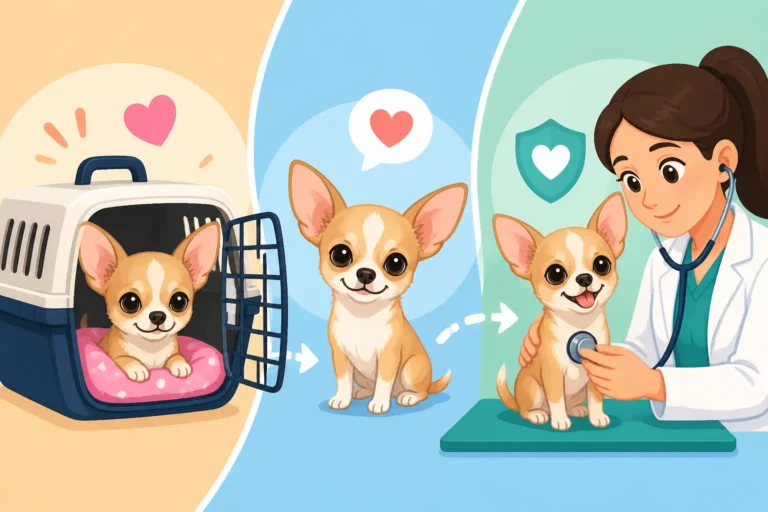
One of the most valuable aspects of adopting from a reputable shelter or rescue is that the dogs have almost always received initial veterinary care. This often includes a comprehensive check-up, vaccinations, deworming, microchipping, and spaying or neutering. This significantly reduces your immediate out-of-pocket veterinary expenses and provides a baseline understanding of your new companion's health. Shelter staff should be transparent about any known medical conditions, past injuries, or ongoing treatments. Don't be afraid to ask for their veterinary records. While shelters do their best, some Chihuahuas might still have underlying issues that haven't been fully diagnosed or treated, such as early stages of dental disease or patellar luxation, which are common in the breed. However, shelters will usually disclose what they know, allowing you to be prepared. If you're concerned, many shelters have partnerships with local vets where you can get a follow-up exam shortly after adoption.
Age, Coat Type, and Other Characteristics
Chihuahuas of all ages, from puppies to seniors, can be found in shelters. While everyone loves a puppy, don't overlook the incredible benefits of adopting an adult or senior Chihuahua. Older dogs often come with established house-training, basic manners, and a calmer demeanor, making the transition into your home smoother. They've also passed the tumultuous puppy phase, which means fewer surprises in terms of adult personality and size. You'll also find both smooth coat and long coat Chihuahua varieties, each with its own charm and grooming needs. The shelter will often have records of the dog's approximate age, and sometimes even their history if they were an owner surrender. Pay attention to how the Chihuahua interacts with you, how comfortable they seem being handled, and whether they show any fear or aggression. While some traits are breed-specific, each Chihuahua is an individual. You might find a quiet, reserved companion or a playful, boisterous friend, regardless of their age or coat.
The Adoption Process: More Than Just Paperwork
Adopting a Chihuahua from a shelter isn't like buying a new toy; it's a serious commitment, and reputable organizations take that very seriously. They're not trying to make it difficult for you; they're trying to ensure the best possible match for both the dog and the prospective family. Understanding each step can help you navigate the process smoothly and with confidence.
Application and Screening Deep Dive
The first step in virtually any shelter or rescue adoption is filling out an application. This isn't just a formality; it's a detailed questionnaire designed to give the organization a comprehensive picture of your living situation, lifestyle, and experience with pets. Expect questions about your housing (do you rent or own, and if renting, do you have landlord approval?), your work schedule, existing pets, children, previous pet ownership history, and your philosophy on pet care. They want to know if you'll keep the dog indoors, how you plan to exercise them, and what your emergency care plans are. Don't be surprised if they ask for veterinary references for current or past pets; this helps them confirm you provide consistent care. The screening process also often involves a phone interview where staff can ask follow-up questions and you can ask yours. This thoroughness, while sometimes feeling intrusive, is ultimately for the dog's benefit, ensuring they go to a home where they'll thrive. This is exactly what the screening Chihuahua rescues put you through to ensure a good match.
Meet-and-Greets and Home Visits
Once your application is reviewed and you seem like a good potential fit, the next exciting step is usually a meet-and-greet with the Chihuahua you're interested in. This is your chance to interact with the dog outside of the kennel, often in a quieter, more relaxed environment. Pay attention to how the dog responds to you, and how you feel around them. Do you feel a connection? Do they seem comfortable? If you have other pets or family members, the shelter might require or strongly recommend that they also attend to ensure everyone gets along. Some rescues, especially those operated out of foster homes, might also conduct a home visit. This isn't about judging your housekeeping skills! It's about ensuring the home environment is safe and suitable for a Chihuahua, checking things like secure fencing (if applicable), potential hazards, and general living conditions. They want to see where the dog will eat, sleep, and play to ensure it's a good fit for their needs.
Understanding the Adoption Contract and Fees
When you've found your perfect Chihuahua and everyone agrees it's a match, you'll sign an adoption contract and pay an adoption fee. Don't let the phrase "adoption fee" make you think these Chihuahuas are being sold. This fee helps offset the significant costs the shelter or rescue incurs for the dog's care, including vet exams, vaccinations, spaying/neutering, microchipping, food, and housing. It's often a fraction of what those services would cost if you paid for them yourself, which is why Chihuahua adoption fees are so low compared to purchasing from a breeder. The contract is a legally binding agreement outlining your responsibilities as the new owner. It typically states that you will provide appropriate care, food, shelter, and veterinary attention, and that if for any reason you can no longer keep the dog, they must be returned to the rescue rather than rehomed independently. This ensures the dog always has a safety net. Read every word carefully and ask any questions you have before signing.
Costs Associated with Adopting a Chihuahua
While adopting a Chihuahua from a shelter is significantly less expensive than buying one from a breeder, it's crucial to understand that "free" or "cheap" is not the reality of dog ownership. There are definite costs involved, both upfront and ongoing, and being prepared for them financially is a huge part of being a responsible pet parent to a tiny companion.
What the Adoption Fee Covers and What It Doesn't
As we just touched on, the adoption fee you pay to a shelter or rescue covers a substantial portion of the initial veterinary care. This typically includes:
| Service Provided by Adoption Fee | Estimated Cost (if paid separately) |
|---|---|
| Spay/Neuter Surgery | $150 – $400 |
| Initial Vaccinations (DHPP, Rabies) | $50 – $150 |
| Microchipping & Registration | $30 – $75 |
| Deworming & Flea/Tick Treatment | $20 – $100 |
| Basic Vet Exam & Health Check | $50 – $100 |
| Food, Shelter, and Care (per day) | $10 – $25 (multiplied by days) |
| Total Value | $310 – $825+ |
Note: These are general estimates and can vary widely based on location and clinic.
While the adoption fee covers these vital services, it usually doesn't cover everything. For instance, any pre-existing conditions that require specialist care or long-term medication might not be fully included, although the shelter should disclose what they know. You'll also be responsible for ongoing preventive care, such as annual booster shots, follow-up deworming, and monthly flea, tick, and heartworm prevention. Think of the adoption fee as a fantastic head start, not the end of your financial obligations.
Initial Setup Costs for a New Chihuahua
Beyond the adoption fee, you'll have a number of initial setup costs to consider as you prepare to bring your new Chihuahua home. Even though they're small, they need all the same essentials as a larger dog, just in tiny sizes! This first week or two will likely involve a flurry of shopping. You'll need a suitable harness and leash (never just a collar for a Chihuahua's delicate trachea!), food bowls, a comfortable bed, a crate or playpen for safe confinement, and a variety of toys appropriate for their size and chewing habits. Don't forget puppy pads, especially if you're dealing with a young pup or an older dog with bladder control issues. Many owners also invest in ramps or steps for furniture to protect those delicate Chihuahua knees and backs. Think about what you'll need for their first week one Chihuahua bills from carrier to vet, and plan accordingly. Places like Chewy offer convenient online shopping for these essentials, often with delivery right to your door.
Budgeting for Ongoing Monthly and Emergency Expenses
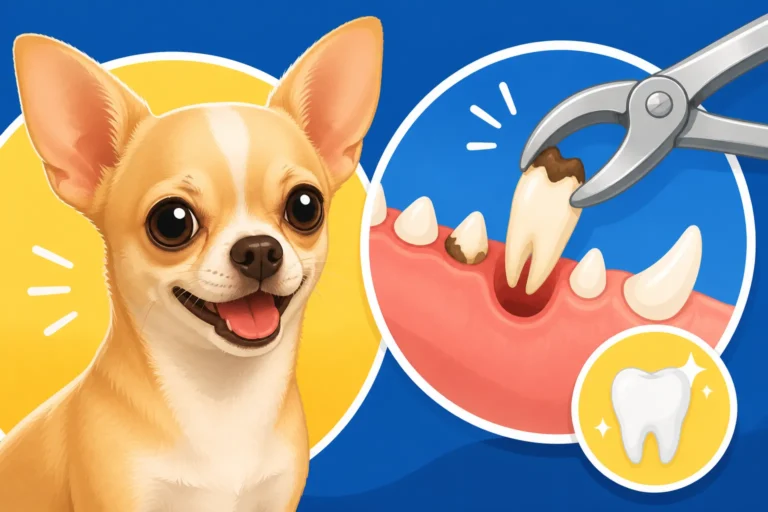
Once your Chihuahua is settled, the financial commitment continues. You'll need to budget for monthly food, which, for a Chihuahua on around two hundred calories a day, is relatively inexpensive compared to larger breeds. However, quality matters, and brands like Ollie offer fresh, pre-portioned meals that can be a fantastic option, though they come at a higher price point. Regular preventive medications for fleas, ticks, and heartworm are non-negotiable, and these costs add up over time. Don't forget regular grooming, especially for long-coat Chihuahuas, and annual vet check-ups. The biggest recurring cost that often surprises Chihuahua owners is dental care. Chihuahua dental bills as the biggest recurring cost because their tiny mouths are prone to overcrowding and gum disease, often requiring annual cleanings and potentially extractions. Finally, always have an emergency fund or pet insurance, like Healthy Paws, in place. Chihuahuas, despite their hardiness, can face unexpected medical emergencies, and those bills can quickly climb into the thousands. Preparing for these possibilities is key to a stress-free ownership experience. Understanding the monthly cost of keeping a Chihuahua will help you create a realistic budget.
Preparing Your Home for a Rescue Chihuahua
Bringing any new dog home is a big deal, but with a rescue Chihuahua, there are some extra layers of consideration. They might be coming from a stressful environment, and you don't always know their full history. Setting up your home thoughtfully, with their comfort and safety in mind, will make the transition much smoother for everyone.
Creating a Safe and Secure Environment
Your Chihuahua's new home needs to be their safe haven. Start by "Chihuahua-proofing" your space. Get down on their level and look for potential hazards. This means securing any loose electrical cords, blocking off stairs (especially if they're a puppy or have joint issues), and removing small objects that could be choked on. Toxic household plants need to be moved out of reach, and secure child locks on lower cabinets can prevent them from getting into cleaning supplies or medications. Consider baby gates to define specific "safe zones" for your Chihuahua, especially if you have other pets or young children, allowing them quiet space to decompress. A comfy, cozy bed or crate in a low-traffic area will become their personal retreat. Remember that Chihuahuas are excellent burrowers, so soft blankets or a covered bed can make them feel extra secure.
Essential Supplies for a New Chihuahua
Having all the necessary supplies ready before your Chihuahua arrives will reduce stress on that first day. Beyond food and water bowls, a sturdy, properly fitted harness (never a collar alone for a Chihuahua!) and leash are paramount for walks. Their little windpipes are very delicate, so a harness that distributes pressure across their chest is vital. You’ll need a comfortable, appropriately sized bed and maybe even a soft blanket for them to burrow into, as Chihuahuas love to nest and get chilly easily. A travel carrier is also a must for vet visits and safe transport. Stock up on some small, durable toys – interactive puzzle toys can be great for mental stimulation. For chewing, look for toys designed for tiny mouths that won't splinter. And don't forget grooming supplies like a soft brush, nail clippers, and dog-specific toothpaste and toothbrush. Chewy offers a wide selection of Chihuahua beds, carriers, and small gear, making it easy to get everything you need.
Addressing Potential Behavioral Challenges with Preparation
While many shelter Chihuahuas are well-adjusted, some may come with behavioral quirks or challenges that require patience and preparation. These might include house-training accidents, fearfulness of new people or environments, separation anxiety, or resource guarding. For house-training, have plenty of enzymatic cleaner on hand and be prepared for frequent potty breaks. If you're concerned about fear, create quiet, predictable routines and avoid overwhelming your new dog with too many new experiences at once. Consider setting furniture rules for a Chihuahua from the start, such as teaching them to use ramps or steps instead of jumping, which can hurt their delicate joints. Having a dedicated, safe space like a crate can also help with separation anxiety. Remember, these behaviors often stem from previous trauma or confusion, not malice. Your preparation and understanding will be their best tools for overcoming these hurdles.
Integrating Your New Chihuahua into Your Life
Bringing a rescue Chihuahua into your home is a marathon, not a sprint. It takes time, patience, and consistency to help them decompress, learn your routines, and truly blossom. Don't expect perfection overnight; instead, focus on building trust and a strong bond.
The "Rule of Threes" for Adaptation
A popular guideline for integrating a rescue dog is the "Rule of Threes." While not a hard-and-fast science, it provides a helpful framework for understanding a dog's adjustment period:
- 3 Days: In the first three days, your Chihuahua will likely be overwhelmed, scared, and unsure. They might hide, refuse to eat, or seem withdrawn. This is their initial decompression phase, where they are just trying to figure out where they are and who you are. Keep interactions calm, quiet, and predictable.
- 3 Weeks: After about three weeks, your Chihuahua will start to settle in. They'll begin to learn your routine, understand your expectations, and show more of their true personality. They might start to feel more comfortable exploring, playing, and seeking affection. This is when some behavioral issues might surface as they feel safe enough to test boundaries or express unresolved anxieties.
- 3 Months: By three months, your Chihuahua should feel fully at home. They'll have a solid understanding of your household, their place in it, and will have built a strong bond with you. Their personality will be fully evident, and you'll have a good grasp of their needs and quirks.
Remember, this is an average. Some Chihuahuas might adjust faster, others slower. Be patient, consistent, and celebrate every small victory. Rushing the process can set back progress.
Establishing Routines and Boundaries
Chihuahuas thrive on routine and predictability. Establishing a consistent schedule for feeding, potty breaks, walks, and playtime will provide a sense of security and help them understand what's expected of them. Feed them at the same times each day, take them out to potty frequently, especially in the beginning, and create a consistent bedtime ritual. Clearly defined boundaries are also crucial, even for a small dog. Decide where they are allowed in the house, if they can be on furniture, and what toys are theirs. Consistency from all family members is key. If you don't want them jumping on guests, everyone needs to reinforce that boundary. This helps prevent confusion and allows your Chihuahua to feel secure in their environment. Avoid the first year mistakes Chihuahua owners make by being clear and consistent from day one.
Socialization and Continued Training
Even if your rescue Chihuahua is an adult, continued socialization and training are vital. Socialization doesn't just mean dog parks (which are often too risky for tiny Chihuahuas anyway); it means controlled, positive exposure to new sights, sounds, people, and other well-behaved dogs. Gradually introduce them to new experiences, always making sure they feel safe and confident. Enroll in a positive reinforcement training class specifically for small dogs. This not only teaches them basic commands but also builds their confidence and strengthens your bond. It's an excellent way to continue socializing a Chihuahua without overwhelming it. Even if they know commands, going through a class together reinforces their learning and gives you both a fun activity. Regular, short training sessions at home, using high-value treats (like those from Ollie, broken into tiny pieces), can keep their minds sharp and reinforce good behaviors.
Finding the Right Shelter or Rescue Group
Not all shelters and rescue organizations are created equal, and choosing a reputable one is paramount for a successful adoption experience. A good organization prioritizes the well-being of its animals and provides comprehensive support to adopters. Doing your homework here will make a world of difference.
Local Animal Shelters vs. Breed-Specific Rescues
When looking to adopt a Chihuahua, you essentially have two main avenues: your local municipal animal shelters or private, breed-specific Chihuahua rescues.
- Local Animal Shelters: These are often city or county-run facilities that take in all types of animals. They are typically open admission, meaning they can't turn away animals, which often leads to overcrowding. While they do amazing work, their resources can be stretched thin, and staff may not know the individual history or nuances of every dog's personality. However, adoption fees are often very low, and they perform essential services like spaying/neutering and vaccinations. You might find a hidden gem here, and by adopting, you directly help alleviate overcrowding.
- Breed-Specific Rescues: These organizations, like many smaller, volunteer-run groups, focus exclusively on Chihuahuas and Chihuahua mixes. They often operate out of foster homes, meaning the dogs live in a family environment rather than a kennel, allowing the foster parents to truly get to know their personalities, quirks, and needs. This can be invaluable information for potential adopters. Breed-specific rescues are highly knowledgeable about Chihuahua health and temperament. Their adoption fees might be slightly higher to cover specialized care, but you often get a much more detailed understanding of the dog you're bringing home. Many of these rescues specialize in fostering a Chihuahua out of an overfull shelter in another state, bringing them to areas with fewer Chihuahuas in need.
Both options offer wonderful Chihuahuas; your choice might depend on what information and support you prioritize.
Questions to Ask Before Adopting
Before you commit to adoption, arm yourself with questions. A reputable shelter or rescue will welcome your inquiries and be transparent with their answers. Here are some key questions to consider:
- What is known about the dog's history? (Previous owners, reason for surrender, etc.)
- What veterinary care has the dog received since arriving here? (Vaccinations, spay/neuter date, last vet check, any known health issues.)
- What is the dog's typical temperament like? (How do they react to strangers, children, other dogs, loud noises, etc.?)
- Is the dog house-trained, crate-trained, or leash-trained?
- How does the dog behave when left alone? (Any signs of separation anxiety?)
- What are the dog's energy levels and exercise needs?
- Can I speak with their foster parent if they are in a foster home? (This is highly recommended!)
- What kind of post-adoption support do you offer? (Behavioral advice, return policy, etc.)
Their answers will help you gauge whether the Chihuahua is a good match for your lifestyle and if the organization is truly dedicated to the animals' welfare. The depth and honesty of their responses can also help you decide whether a rescue Chihuahua is the better choice for you.
Fostering a Chihuahua Before Permanent Adoption
Many rescue organizations offer "foster-to-adopt" programs, which can be an excellent way to ensure a perfect match. In this scenario, you foster the Chihuahua in your home for a trial period, typically a few weeks, before making the adoption permanent. This allows you to experience what it's truly like to live with the dog outside of the stressful shelter environment. You get to see their real personality, work on house-training or basic commands, and address any initial behavioral quirks in a low-pressure setting. If, for any reason, it's not a good fit, the Chihuahua returns to the rescue, and you haven't made a permanent commitment that could lead to another surrender. It's a fantastic option for both you and the dog, as it provides a clearer picture of compatibility and reduces the risk of failed adoptions.
Benefits Beyond Saving a Life
While the profound satisfaction of giving a homeless dog a second chance is undeniable, adopting a Chihuahua from a shelter offers so many more benefits than just saving a life. It can bring immense joy, unique companionship, and contribute positively to your own well-being and the wider community.
The Unique Bond with a Rescue Dog
There's something incredibly special, almost spiritual, about the bond you form with a rescue dog. These Chihuahuas, often having experienced loss, neglect, or confusion, seem to possess an innate gratitude once they feel safe and loved. They often become fiercely loyal, incredibly affectionate, and deeply appreciative of their new home and family. It’s not about them knowing they were "rescued" in a human sense, but rather the profound relief they experience from stability, kindness, and consistent care. This deep-seated connection can manifest as an unwavering devotion, a constant shadow, or an intuitive understanding of your moods. Many adopters report that their rescue Chihuahuas are uniquely tuned into them, offering comfort and companionship that feels profoundly earned and cherished. It's a bond built on trust, patience, and a shared journey towards a better future.
Contributing to the Wider Animal Welfare Community
Every time you choose to adopt a Chihuahua from a shelter or rescue, you're not just helping that one dog; you're making a significant contribution to the entire animal welfare community. When one kennel spot opens up, another dog in need can be taken in from overcrowded situations or dangerous circumstances. You're supporting the crucial work of these organizations, allowing them to continue rescuing, rehabilitating, and rehoming countless animals. Your adoption also sends a powerful message: that buying from breeders, especially those who aren't responsible, contributes to the problem, while adoption is a compassionate and sustainable solution. It helps break the cycle of overpopulation and highlights the value of giving deserving dogs a second chance. It's a choice that resonates far beyond your own home.
Finding a Perfectly Suited Companion
One of the often-overlooked benefits of adopting an adult Chihuahua is the ability to choose a dog whose personality and needs are already largely established. Unlike a puppy, whose adult size, temperament, and energy levels are still a mystery, an adult rescue Chihuahua comes with a known track record. Shelter staff or foster parents can tell you if a dog is calm or energetic, a couch potato or an adventurer, good with kids or preferring an adult-only home, or if they thrive with other pets or prefer to be an only dog. This allows you to find a Chihuahua that genuinely fits your lifestyle, rather than gambling on a puppy and hoping they grow into the companion you envisioned. Whether you're looking for a quiet lap dog for your apartment or a spunky sidekick for your daily errands, adoption increases your chances of finding a perfectly suited companion. You’re giving a new life to a dog who truly deserves it, and in return, you’ll gain a loyal friend for many wonderful years, potentially even seeing a Chihuahua lifespan and why the breed reaches sixteen.
Disclaimer
The information provided in this guide is for general informational purposes only and does not constitute veterinary advice. Always consult with a qualified veterinarian for any health concerns or before making any decisions about your Chihuahua's care.