Hydrocephalus and a Domed Chihuahua Skull
Discovering that your precious Chihuahua puppy has a soft spot on their head, or an unusually domed skull, can bring a wave of anxiety, immediately prompting concerns about serious health conditions. It’s a terrifying moment for any dog parent, wondering if this adorable little creature is facing an uphill battle before life has even truly begun. This guide aims to shed light on hydrocephalus in Chihuahuas, demystifying the condition, explaining its connection to a domed skull, and detailing the critical steps for diagnosis, management, and living a full life with your special companion.
Understanding Hydrocephalus in Chihuahuas
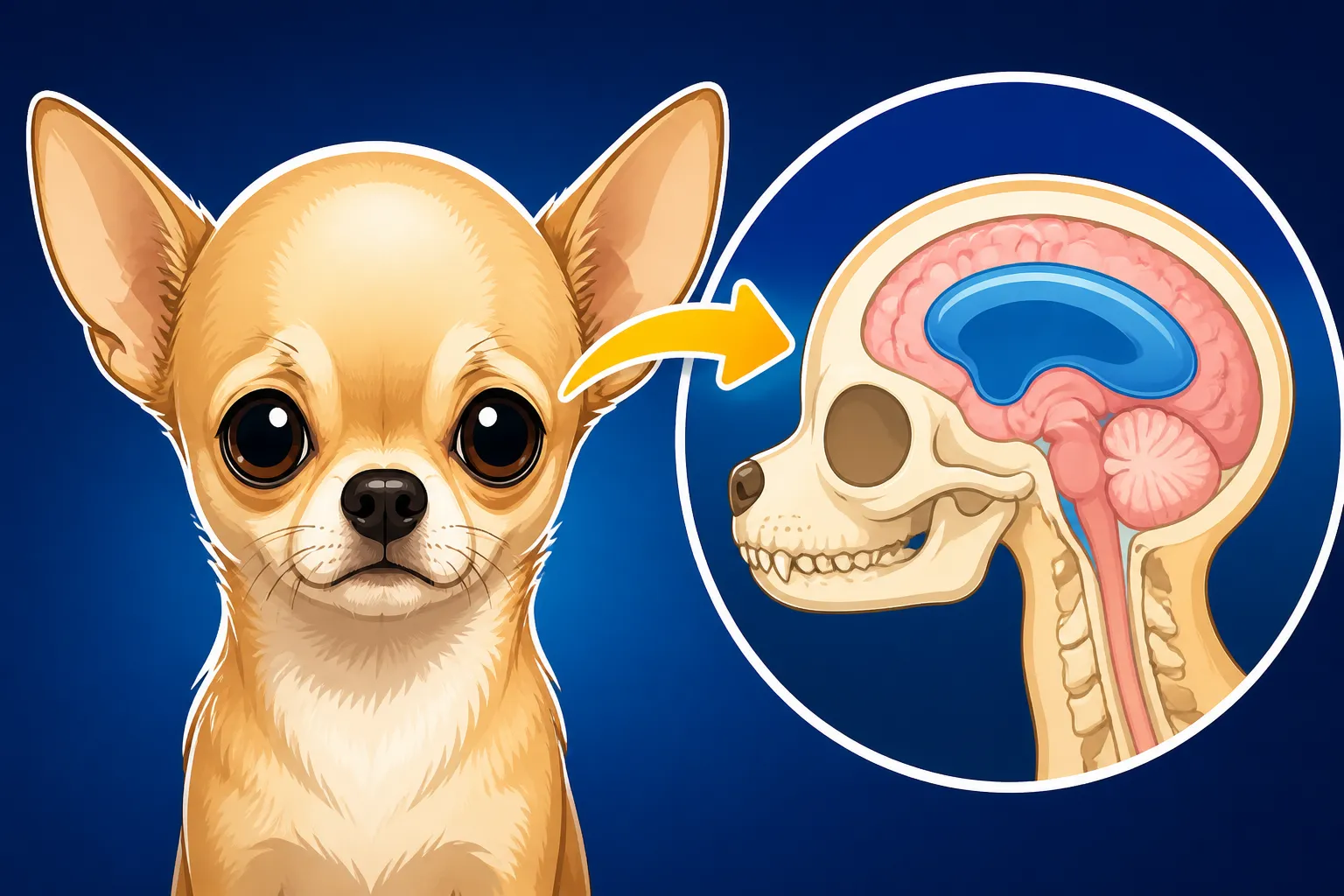
Hydrocephalus, often referred to as "water on the brain," is a serious neurological condition that sadly affects some Chihuahuas, particularly the apple-head variety. It occurs when there's an abnormal accumulation of cerebrospinal fluid (CSF) within the brain's ventricles. This buildup creates pressure on the delicate brain tissue, leading to a range of neurological issues. For a breed already known for its distinctive head shape, it's crucial to understand the nuances of this condition and how it manifests.
What Causes Fluid Buildup in the Brain?
The cerebrospinal fluid (CSF) that bathes the brain and spinal cord is constantly produced, circulated, and reabsorbed. It acts as a cushion, provides nutrients, and removes waste. Hydrocephalus occurs when this delicate balance is disrupted. The most common cause in Chihuahuas is a congenital malformation, meaning they are born with it. This can involve blockages in the pathways where CSF normally flows, or an issue with the body's ability to reabsorb the fluid. Sometimes, it can also be acquired later in life due to infection, inflammation, trauma, or even a tumor, but the congenital form is more prevalent in Chihuahuas. The breed's unique skull structure, particularly in the apple-head type, can predispose them to these issues, making them more vulnerable to impaired CSF flow.
The Link Between a Domed Skull and Hydrocephalus
The term "domed skull" is often associated with the apple-head Chihuahua, and it's important to differentiate between a normal breed characteristic and a sign of hydrocephalus. Many healthy apple-head Chihuahuas have a prominent, rounded forehead that is simply part of their genetic makeup and breed standard. However, in cases of hydrocephalus, the excessive accumulation of fluid inside the skull can cause the skull bones, particularly in puppies whose cranial sutures haven't fully fused, to expand outwards, exaggerating this domed appearance. This leads to a visibly larger, more rounded, and sometimes oddly shaped head than what would be considered typical for even an apple-head. It’s not just the shape, though; it’s the combination of the domed skull with other neurological symptoms that truly signals a problem. You might also notice a significantly open fontanelle, or "molera," which is the soft spot on top of the head. While many Chihuahuas naturally have an open fontanelle, an unusually large or bulging one can be a red flag. You can learn more about The Chihuahua Molera and What a Soft Spot Means to understand this common breed trait.
Recognizing the Signs of Hydrocephalus
Spotting hydrocephalus can be incredibly challenging, especially in the early stages, because many of the subtle signs can be mistaken for normal puppy behavior or other conditions. However, paying close attention to your Chihuahua's development and behavior is critical. Early intervention can significantly improve outcomes and quality of life. Owners often describe a nagging feeling that "something isn't quite right" before more obvious symptoms emerge.
Early Symptoms in a Chihuahua Puppy
The earliest signs of hydrocephalus typically appear within a puppy's first few weeks or months of life. While an unusually large or domed head might be one indicator, it's often accompanied by behavioral and neurological changes. You might notice your puppy struggles with coordination, often appearing clumsy or having difficulty walking in a straight line. They might have an abnormal gait, or even struggle to stand upright. Seizures are another concerning early symptom, which can sometimes be confused with a sugar crash, so it's important to understand how to tell a Chihuahua Seizure Caused by Low Blood Sugar from other types of neurological events.
Other common indicators include an inability to be house-trained, or persistent house-training accidents despite consistent effort. Affected puppies might also exhibit a "sun-setting" gaze, where their eyes appear to be fixed downwards, with the whites visible above the iris. They might be unusually lethargic, unresponsive, or struggle to learn basic commands. Some puppies also exhibit a lack of appetite, leading to poor growth and weight gain, which can be very alarming when you're already concerned about conditions like Chihuahua Hypoglycemia and the Puppy Emergency. Always remember, any deviation from normal puppy development warrants a vet visit.
Progressive Signs and Behavioral Changes
As hydrocephalus progresses, especially if left undiagnosed or untreated, the symptoms tend to become more pronounced and debilitating. The pressure on the brain can lead to severe neurological deficits. You might observe changes in their personality and demeanor; a once playful puppy could become increasingly withdrawn, irritable, or even aggressive due to chronic discomfort and confusion. Their cognitive function might decline, making them appear disoriented or confused in familiar surroundings.
The "domed skull" might become more obvious, and the open fontanelle could be visibly bulging or tense to the touch. The coordination issues can worsen, leading to frequent stumbling, circling, or head-pressing against walls or furniture, a classic sign of neurological distress. Vision and hearing problems can also develop, further impacting their quality of life. In severe cases, puppies might experience frequent, intense seizures that are difficult to control, leading to a significant impact on their daily functioning. It's truly heartbreaking to witness, and these signs indicate an urgent need for veterinary attention.
Here's a quick overview of potential signs:
| Symptom Category | Mild/Early Signs (Puppyhood) | Moderate/Progressive Signs (Later Puppyhood/Adulthood) | Severe Signs (Advanced Stages) |
|---|---|---|---|
| Physical | Unusually domed head, large/bulging molera | Exaggerated domed head, constant "sun-setting" eyes | Head pressing, circling, severe gait abnormalities |
| Behavioral | Lethargy, difficulty house-training, unresponsiveness | Disorientation, confusion, irritability, vocalization, aggression | Loss of consciousness, severe seizures, coma |
| Motor Skills | Clumsiness, poor coordination, abnormal gait | Stumbling, difficulty standing/walking, tremors | Paralysis, inability to ambulate, loss of reflexes |
| Cognitive | Slow learning, lack of engagement | Forgetfulness, inability to recognize family, withdrawn | Complete unresponsiveness, vegetative state |
Diagnosing and Managing Hydrocephalus
When you notice concerning signs in your Chihuahua, your veterinarian will be your first and most important resource. Diagnosing hydrocephalus requires a thorough examination and often advanced imaging, but managing it is a long-term commitment that focuses on improving quality of life. Don't hesitate to seek veterinary care the moment you suspect something is wrong.
The Diagnostic Process
Upon your initial visit, your vet will perform a comprehensive physical and neurological exam. They'll assess your Chihuahua's gait, reflexes, vision, and mental alertness. They'll also carefully palpate the skull, checking for the size and tension of the molera. If hydrocephalus is suspected, advanced imaging is usually the next step. An MRI (Magnetic Resonance Imaging) is considered the gold standard for diagnosing hydrocephalus, as it provides detailed images of the brain and can clearly show enlarged ventricles and the extent of fluid accumulation. You can read more about MRI Diagnosis of Chihuahua Hydrocephalus and what to expect during this procedure. Sometimes, an ultrasound of the brain can be performed through an open fontanelle in very young puppies, which is less invasive and costly, but it's not as definitive as an MRI. Blood tests might also be run to rule out other conditions that could cause similar symptoms, such as infections or metabolic imbalances.
Treatment Options for Hydrocephalus
Treatment for hydrocephalus in Chihuahuas typically falls into two main categories: medical and surgical. The choice depends on the severity of the condition, the underlying cause, and the dog's overall health.
-
Medical Management: For mild to moderate cases, or as an initial approach, medication is often prescribed. The primary goal of medical therapy is to reduce CSF production or increase its absorption, thereby decreasing pressure on the brain. Diuretics, like furosemide, are commonly used to reduce fluid. Corticosteroids, such as prednisone, can help reduce inflammation and swelling within the brain, which can sometimes contribute to CSF flow obstruction. Anti-seizure medications, like phenobarbital or potassium bromide, will be prescribed if your Chihuahua is experiencing seizures. These medications can often help manage symptoms and slow progression, but they don't cure the condition. It's a daily commitment to administer these drugs, and careful monitoring by your vet is essential to adjust dosages and manage potential side effects.
-
Surgical Intervention: For severe cases or those unresponsive to medical management, surgical intervention might be considered. The most common surgical procedure is the placement of a ventriculoperitoneal (VP) shunt. This involves implanting a small tube into one of the brain's ventricles, which then drains the excess CSF into the abdominal cavity, where it's safely reabsorbed by the body. This shunt has a one-way valve that regulates the flow of fluid, preventing over-drainage. While a VP shunt can be life-changing, it's a complex and costly procedure with potential risks, including infection, blockages, or mechanical failure of the shunt. Recovery requires careful post-operative care, but many Chihuahuas with shunts go on to live a much improved quality of life.
Prognosis and Long-Term Care
The prognosis for Chihuahuas with hydrocephalus varies greatly depending on the severity of the condition, the age at diagnosis, and the response to treatment. With prompt diagnosis and appropriate management, many Chihuahuas can live comfortable and fulfilling lives. However, it's important to understand that hydrocephalus is often a chronic condition that requires lifelong care and monitoring. Regular veterinary check-ups, medication adjustments, and watchful observation for any worsening symptoms or new issues will be part of your routine.
It's also crucial to create a safe and stable environment for your Chihuahua. Minimize opportunities for head trauma, as even a minor bump can have severe consequences for a brain already under pressure. Providing ramps and steps to furniture can help prevent falls, which is also beneficial for breeds prone to joint issues like Patellar Luxation, the Chihuahua's Commonest Joint Problem. Because these conditions often incur significant veterinary bills, having pet insurance from providers like Healthy Paws can be incredibly helpful in offsetting the costs of diagnostics, medications, and potential surgeries. Many owners find peace of mind knowing they have a safety net for these unexpected, and often substantial, expenses. It's worth researching different plans and enrolling your Chihuahua as early as possible, especially if you're concerned about pre-existing conditions. Healthy Paws is just one option, but there are many reputable providers out there.
Living with a Chihuahua with Hydrocephalus
Caring for a Chihuahua with hydrocephalus is a journey that requires patience, dedication, and a deep well of love. While it can be challenging, seeing your beloved companion thrive despite their condition is incredibly rewarding. Your daily routine will likely be tailored to their specific needs, focusing on comfort, safety, and consistent support.
Daily Management and Home Environment
Your home environment plays a massive role in the well-being of a Chihuahua with hydrocephalus. The goal is to minimize stress and prevent injuries. This means ensuring soft, comfortable bedding where they can rest without bumping their head. Avoiding stairs or providing easy-to-use ramps can prevent falls, which are especially dangerous for dogs with sensitive brains. Consider soft surfaces and remove any sharp-edged furniture. Since many affected Chihuahuas struggle with coordination, keeping pathways clear and uncluttered can prevent stumbles.
Daily medication administration will become a routine. Some Chihuahuas are quite finicky, so finding creative ways to give pills, perhaps hidden in a small piece of cheese or a special treat, will be key. Consistent feeding schedules are also important, and you might need to adjust their diet based on their energy levels or if they have trouble chewing or swallowing. Regular, gentle exercise is still important, but it should be tailored to their abilities. Short, supervised walks on a harness are ideal, avoiding over-exertion or situations where they might bump their head or encounter boisterous dogs. Puzzle toys and gentle mental stimulation can help keep their minds active without over-stimulating them.
Monitoring for Changes and Emergency Situations
As a pet parent, you'll become incredibly attuned to your Chihuahua's baseline behavior. This heightened awareness is crucial for early detection of any changes, which could signal a worsening of their condition or a complication from treatment. Keep a journal of their symptoms, medication schedule, and any unusual events. Watch for subtle shifts in their gait, changes in appetite or water intake, new episodes of disorientation, or an increase in the frequency or severity of seizures. If your Chihuahua is on medication, it's vital to administer it precisely as prescribed; missing a dose can have serious repercussions.
In the event of a seizure, remain calm and ensure your dog is in a safe place, away from anything they could hit. Do not try to hold their tongue or put anything in their mouth. Simply observe the duration and characteristics of the seizure to report to your vet. If a seizure lasts longer than a few minutes, or if they have multiple seizures in a short period, it's an emergency. Similarly, if your Chihuahua suddenly becomes extremely lethargic, unresponsive, starts head-pressing intensely, or shows severe disorientation, seek immediate veterinary attention. These could be signs of increased intracranial pressure or a shunt malfunction, and prompt medical intervention is critical. Remember, pet insurance like Healthy Paws can provide much-needed support for these sudden emergency visits.
Quality of Life and End-of-Life Decisions
One of the hardest aspects of caring for a Chihuahua with a chronic condition like hydrocephalus is continually assessing their quality of life. This isn't a static evaluation; it can fluctuate day by day, month by month. Look for signs that your Chihuahua is still enjoying life: are they eating, drinking, interacting with you, showing interest in toys or walks (even short ones)? Are they comfortable, or are they constantly in pain or distress? Your vet can provide valuable guidance in this assessment, helping you objectively look at their physical comfort, mental state, and ability to engage in normal activities.
There might come a time when, despite all your efforts and medical interventions, your Chihuahua's quality of life diminishes significantly. This is when you'll face the incredibly difficult decision of considering humane euthanasia. It's a conversation filled with heartbreak, but it's also the final act of love and compassion you can offer to prevent prolonged suffering. Discuss this openly with your veterinarian, who can help you understand the progression of the disease and identify the point where comfort can no longer be maintained. While no one wants to think about end-of-life decisions for a pet they adore, planning for it ensures your Chihuahua's final moments are peaceful and free from pain, a testament to the years of love and care you've provided.
Disclaimer
This article is intended for informational purposes only and does not constitute medical advice. Always consult with a qualified veterinarian for any health concerns or before making any decisions about your Chihuahua's care.