The Two Minute Daily Chihuahua Tooth Routine
Many Chihuahua owners find themselves overwhelmed by the persistent bad breath and rapidly declining dental health of their tiny companions. It's a common, heartbreaking struggle to keep those tiny teeth clean and healthy, especially when they're so small and often reluctant. This guide is here to walk you through a simple, effective two-minute daily routine that can make a world of difference, protecting your little one's smile and overall well-being for years to come.
The Alarming Truth About Chihuahua Dental Disease
Let's be honest, nobody gets a Chihuahua thinking about their future dental bills. But the reality is, dental disease is one of the most prevalent and often underestimated health problems our tiny friends face. It's not just about bad breath, though that's certainly a strong indicator; it's about pain, infection, and even systemic health issues. Many owners feel frustrated because they've tried a few things, or assumed that dry kibble would be enough, only to find their vet recommending costly cleanings by the time their Chi is just a few years old. You're not alone in this struggle, but understanding why it happens is the first step to preventing it.
Why Small Breeds are So Prone to Dental Issues
It's truly unfair how much Chihuahuas are predisposed to dental problems compared to their larger canine cousins. The biggest culprit is often their mouth structure. Imagine trying to fit a full set of adult human teeth into a child's mouth – that's essentially what a Chihuahua's crowded jaw looks like. Those tiny teeth are packed in tight, leading to overlapping, rotations, and areas where food particles and bacteria can easily get trapped. This creates a perfect breeding ground for plaque and tartar.
Furthermore, genetically, many small breeds, Chihuahuas included, tend to produce saliva that's particularly effective at forming tartar. It’s like their mouths are almost designed to accumulate buildup, making regular cleaning even more critical. If you've ever looked closely at your Chihuahua's back teeth and noticed that yellowish-brown crud forming, you're seeing the beginning stages of what can become a serious problem. This crowded environment is a major reason why issues like Chihuahua Dental Disease in a Crowded Small Jaw are so common.
The Silent Progression of Periodontal Disease
Periodontal disease isn't some sudden illness; it's a creeping, silent enemy. It starts with plaque, a sticky film of bacteria and food that constantly forms on teeth. If that plaque isn't removed daily, it mineralizes into tartar, which is hard and firmly attached to the tooth surface. Tartar is porous, allowing even more bacteria to latch on, and it irritates the gums, causing gingivitis – an inflammation that makes the gums red, swollen, and prone to bleeding. This is often the first stage where you might notice issues like persistent bad breath, or even a tiny spot of blood when your Chi chews a hard toy.
Left unchecked, gingivitis progresses to full-blown periodontal disease. The bacteria migrate below the gum line, attacking the supporting structures of the teeth. This leads to bone loss, receding gums, and eventually, loose teeth. Your Chihuahua could be experiencing chronic pain and discomfort, even if they're still eating. They might just be chewing differently, on one side of their mouth, or simply gulping food. This is a significant factor in Why Chihuahuas Lose Teeth Younger Than Big Dogs. In severe cases, these infections can spread through the bloodstream to other organs, including the heart, kidneys, and liver, leading to much more serious health complications.
Your Two-Minute Daily Tooth Routine: A Step-by-Step Guide
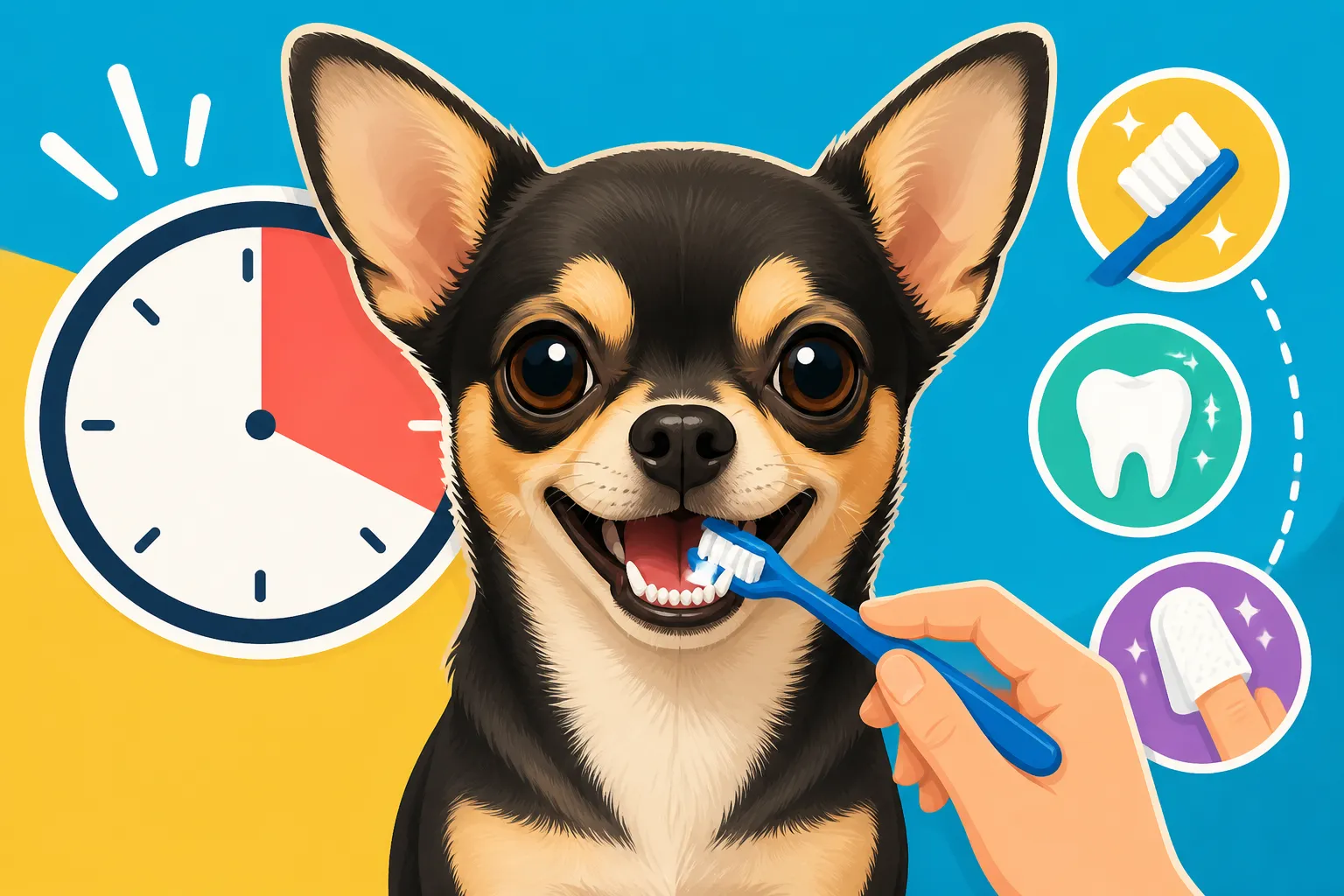
You might be thinking, "Two minutes? That sounds impossible with my wiggle worm!" I get it, trust me. But consistency, not perfection, is the key here. Even a minute of effective brushing is better than nothing, and building up to two minutes will become easier than you think. This routine isn't about deep cleaning every single surface, but about disrupting that daily plaque formation.
Gathering Your Arsenal of Tiny Tools
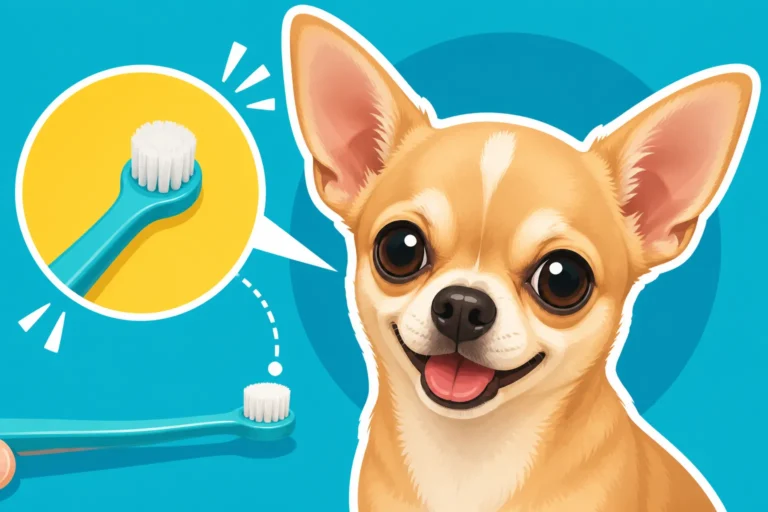
Before you even think about brushing, you need the right tools. A human toothbrush is far too large and stiff for a Chihuahua's delicate mouth. You'll want a very small, soft-bristled toothbrush designed for pets, or even a finger brush. Many pet supply stores, and online retailers like Chewy and Amazon, offer these specialized brushes. Look for brushes with a small head and soft bristles, or a brush that fits over your fingertip for better control.
Next, and critically important, is dog-specific toothpaste. NEVER use human toothpaste for your Chihuahua. Human toothpaste contains ingredients like fluoride and xylitol (a sugar substitute) that are toxic to dogs. Pet toothpastes are formulated to be safe if swallowed and often come in flavors dogs enjoy, like poultry or beef. These enzymatic toothpastes don't even require rinsing, which makes the whole process much simpler. Brands like Virbac C.E.T. or Petrodex are popular and widely available.
The Gentle Approach to Brushing
Once you have your tools, it's time for the main event. Pick a time of day when your Chihuahua is relaxed, perhaps after a walk or a cuddle session.
- Introduce the Toothpaste: Let your Chihuahua lick a tiny bit of toothpaste off your finger or the brush. Make it a positive experience – this is a treat!
- Lift the Lip: Gently lift your Chihuahua's upper lip to expose the outer surfaces of their teeth and gums. Don't try to pry open their mouth at first; focus on the surfaces you can easily access.
- Angle and Brush: Hold the toothbrush at a 45-degree angle to the gum line, just like you would for your own teeth. Use small, circular motions, focusing on one or two teeth at a time. Pay extra attention to the canine teeth (the fangs) and the molars at the back, as these tend to accumulate the most tartar.
- Cover All Accessible Areas: While you might not get every single tooth, aim to brush the outside surfaces of as many teeth as you can, both upper and lower. These are the surfaces where plaque builds up fastest.
- Praise and Reward: As soon as you're done, offer enthusiastic praise and a special treat. This reinforces that brushing is a good thing.
Remember, this is about quick, consistent effort. You're aiming for mechanical removal of plaque, and even a little bit daily makes a huge difference compared to nothing at all. Consistency in The Two Minute Daily Chihuahua Tooth Routine is far more impactful than trying for a perfect, lengthy scrub once a week.
Making Brushing a Positive Experience (Even for the Fussy Chi)
Let's face it, some Chihuahuas are just naturally more opinionated than others when it comes to having their mouths touched. But even the most resistant little diva can learn to tolerate, and even enjoy, their daily tooth routine with the right approach. Patience and positive reinforcement are your best friends here.
Starting Early and Slowly
If you're lucky enough to have a Chihuahua puppy, start early! Even before their permanent teeth fully come in, get them used to having your fingers in their mouth. Gently rub their gums, let them lick pet toothpaste, and slowly introduce the toothbrush. The younger they are, the more adaptable they'll be. It's about building a positive association from day one.
For adult Chihuahuas who are new to brushing, take it slow. Don't expect to accomplish a full two-minute brush on the first try. Start by simply letting them lick the toothpaste. For a few days, just lift their lip and touch the brush to their teeth, then praise and treat. Gradually increase the duration and the number of teeth you brush. Think of it as a desensitization process. It might take a week or two, or even longer, but every small step forward is a win. Focusing on The Toothbrush Size a Chihuahua Needs can also make a huge difference in comfort.
Rewards, Praise, and Positive Reinforcement
This isn't a chore for your Chihuahua; it should feel like a game or a pathway to a delicious reward. Use high-value treats – something they absolutely adore and only get after brushing. Verbal praise in a happy, encouraging tone, and gentle petting, all contribute to a positive experience.
Consider creating a specific "brushing spot" or routine. Maybe it's always on your lap on the sofa after breakfast, followed by their favorite toy. This predictability can help reduce anxiety. Some Chihuahuas respond well to a "lick mat" smeared with a tiny bit of peanut butter or wet food (ensure it's xylitol-free!) to distract them during the brushing process. The goal is to make them associate the routine with good things, not something they have to endure. For tips on how to introduce the toothpaste without a struggle, consider insights on Getting a Chihuahua to Accept Toothpaste.
Dealing with Resistance and Building Trust
If your Chihuahua is actively resisting, trying to bite, or becoming very stressed, don't force it. Pushing too hard will only create a negative association and make future attempts more difficult. Back off, reset, and try a simpler step. Perhaps today, you just get the toothpaste on their lip. Tomorrow, you might just touch their gum line.
Building trust is paramount. Your Chihuahua needs to understand that this isn't scary, and you're not going to hurt them. Short, positive sessions are better than long, stressful ones. If your Chi is particularly sensitive, you might even talk to your vet or a professional dog trainer for guidance. They can offer specific techniques tailored to your dog's temperament. Remember, some older Chihuahuas might have pain in their mouth already, making them resistant. If you suspect pain, a vet check-up is crucial before continuing with brushing.
Beyond the Brush: Complementary Dental Care
While daily brushing is truly the gold standard for maintaining your Chihuahua's oral health, it's not the only thing you can do. Think of these additional strategies as valuable supporting cast members to your main star – the toothbrush. They can enhance your efforts, but they shouldn't replace the physical act of brushing.
Dental Chews and Water Additives (With Caveats)
Many companies offer dental chews and water additives, and they can play a role in your Chihuahua's dental care, but it's important to understand their limitations. Dental chews work by providing a mild abrasive action on the tooth surface as your dog chews. Look for chews that are sized appropriately for a small dog and have been scientifically proven to reduce plaque and tartar. Brands like Greenies or VeggieDent are often recommended, and you can find them easily on platforms like Chewy or Amazon. However, always supervise your Chihuahua with chews to prevent choking, and be mindful of the calorie content – those extra treats can quickly lead to weight gain on a tiny frame.
Water additives contain ingredients that can help reduce bacteria in the mouth. While they won't remove existing tartar, they can help prevent new plaque from forming. They are typically added to your Chihuahua's drinking water daily. Again, look for products that are veterinary-approved. Neither dental chews nor water additives are a substitute for brushing, but they can be a helpful addition to a comprehensive routine. For more information, you can research Dental Chews Small Enough for a Chihuahua and Whether Anything but Brushing Helps Chihuahua Teeth.
Here's a quick comparison of various dental care methods:
| Method | Primary Action | Effectiveness | Best Used As | Important Considerations |
|---|---|---|---|---|
| Daily Brushing | Mechanical removal of plaque & food debris | High (gold standard) | Primary daily routine | Requires training, consistency; specific pet toothpaste |
| Dental Chews | Abrasive action, some anti-plaque ingredients | Moderate (supplemental) | Adjunct to brushing | Calorie content, choking hazard, size appropriate |
| Water Additives | Reduce oral bacteria, inhibit plaque formation | Low to Moderate | Adjunct to brushing | Does not remove existing tartar, check ingredients |
| Prescription Dental Diets | Specialized kibble texture/ingredients | Moderate (preventative) | Primary food source | Requires vet recommendation, may not be suitable for all dogs |
| Professional Cleaning | Scale, polish, examine under anesthesia | Very High (therapeutic) | Periodic; removes existing plaque and tartar | Requires anesthesia, cost, vet necessity |
Diet and Professional Cleanings
The food your Chihuahua eats can also play a role in their oral health. While dry kibble alone isn't enough to prevent dental disease (despite common myths), some specialized dental diets have kibble designed to scrub the teeth as your dog chews, or contain ingredients that reduce plaque. If you're considering a change, discuss it with your veterinarian. For those who opt for fresh food diets from services like Ollie, remember that even perfectly balanced fresh food doesn't replace the need for mechanical cleaning of the teeth.
Perhaps the most crucial complement to daily brushing is regular professional dental cleaning by your veterinarian. No matter how diligently you brush at home, tartar will eventually accumulate, especially below the gum line where you can't reach. Professional cleanings are performed under anesthesia, allowing the vet to thoroughly scale and polish each tooth, examine the gums for disease, and take X-rays to check for problems below the gum line. For Chihuahuas, it's not uncommon to need their first dental cleaning at a much younger age than larger breeds, sometimes as early as two or three years old. Discuss with your vet about How Young a Chihuahua Needs Its First Dental and what they recommend for your specific dog.
Signs Your Chihuahua Needs a Vet Right Away
Even with the best at-home care, sometimes problems arise that require immediate veterinary attention. Be vigilant for these signs, as they could indicate pain, infection, or serious underlying issues:
- Persistent Bad Breath: While some "doggy breath" is normal, a truly foul, metallic, or rotting smell is a major red flag for infection. This is a clear indicator that you need to address Chihuahua Bad Breath and What It Means.
- Red, Swollen, or Bleeding Gums: These are classic signs of gingivitis and potentially more advanced periodontal disease.
- Difficulty Eating or Dropping Food: If your Chihuahua seems hesitant to eat, chews only on one side of their mouth, or drops kibble, they are likely experiencing pain.
- Pawing at the Mouth or Rubbing Face: This is a clear indicator of discomfort or pain in the mouth.
- Loose or Missing Teeth: This is a sign of advanced dental disease.
- Changes in Behavior: Any sudden increase in irritability, lethargy, or reluctance to be touched around the face could be linked to dental pain.
- Visible Tartar Buildup: If you see significant brown or yellow buildup, especially on the back teeth, it's time for a professional cleaning. As we discussed, Chihuahua Tartar Building Up by Age Three is a common, worrying sign.
Don't wait if you notice these symptoms. Dental pain is real, and early intervention can prevent more severe, and more costly, problems down the road. Addressing issues like Gum Disease in a Five Year Old Chihuahua early can save your Chi from a lot of suffering. Sometimes, the cost of these cleanings can be a worry for owners, so understanding how to manage Budgeting a Chihuahua Dental Every Year is a smart move. Keep in mind that for a toy breed, Anesthesia Risk During a Chihuahua Dental is a valid concern, making proactive home care even more valuable to minimize the frequency of professional cleanings.
Disclaimer
This article is for general informational purposes only and does not constitute professional advice. Laws, prices and regulations vary by location and change over time. Consult a qualified professional for guidance on your specific situation.