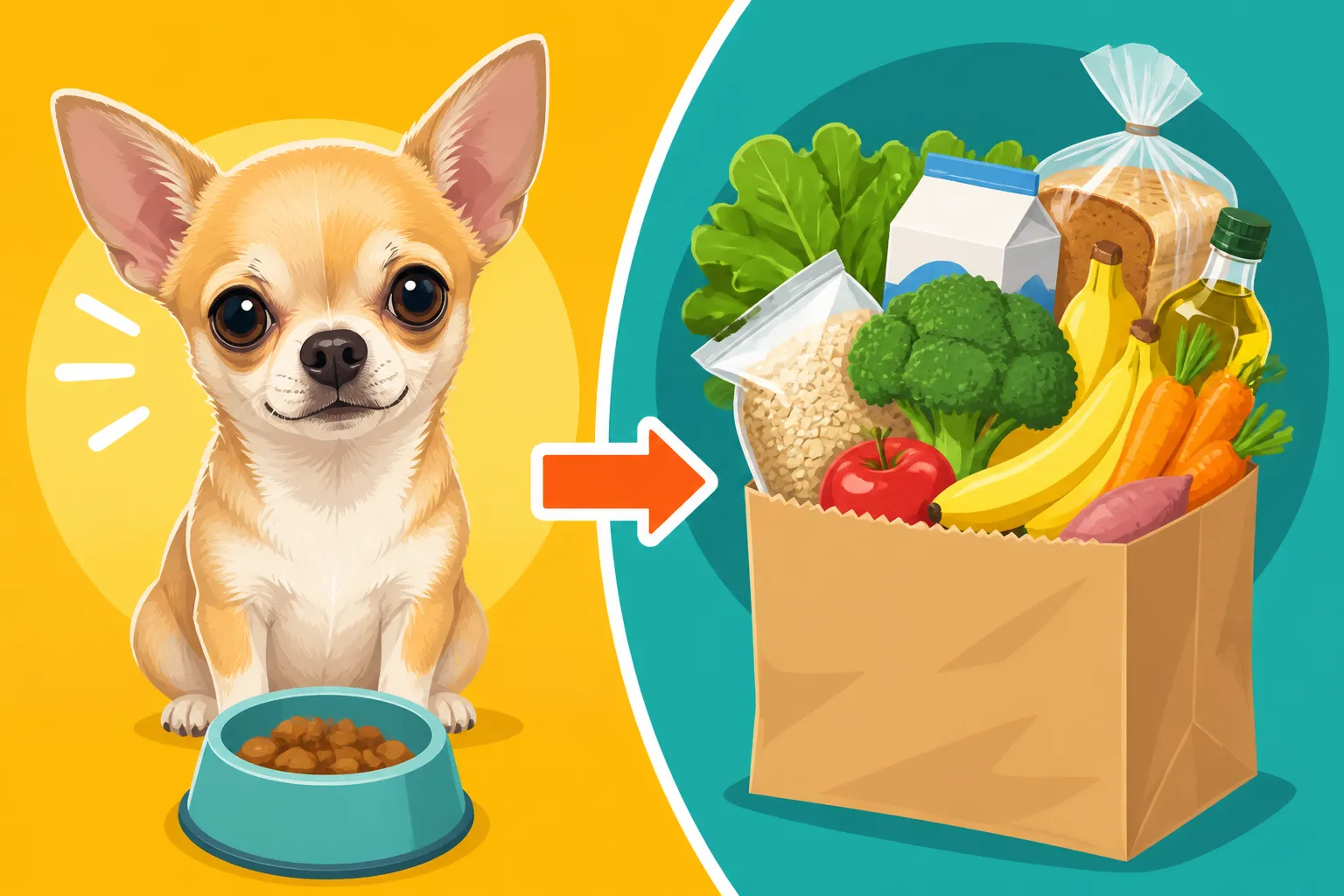
The Grocery Cost of Two Hundred Chihuahua Calories
It's a common dilemma for Chihuahua parents: you know your tiny companion needs the very best nutrition, but when you look at dog food bags, the portion sizes and calorie counts seem designed for dogs ten times their weight. Trying to figure out the actual grocery cost of those precious two hundred calories your Chihuahua needs can feel like solving a complex puzzle, especially when every dollar counts in your household budget. This guide is here to untangle that knot, offering a realistic look at what you can expect to spend to keep your little one healthy and happy.
Understanding Your Chihuahua's Tiny Tummy: The 200-Calorie Reality
When you have a Chihuahua, their small size isn't just about fitting into a handbag; it dictates their entire physiology, especially their metabolism and dietary needs. Unlike larger breeds that can handle a more flexible eating schedule or calorie intake, a Chihuahua's diminutive stature means every single calorie you feed them carries significant importance.
The Unique Metabolic Needs of a Toy Breed
Chihuahuas are known for their incredibly fast metabolisms. Think of them like tiny, high-performance sports cars that burn through fuel at an astonishing rate. This isn't just about staying warm, although their lack of body fat certainly plays a role in why you often see them shivering. Their small bodies work harder to maintain core temperature and fuel their energetic personalities. This rapid metabolic rate means they need a consistent, energy-dense food supply. However, because they are so small, their total calorie requirement is still quite low, typically hovering around 40-50 calories per pound of body weight for an adult. For a Chihuahua weighing, say, five pounds, that's roughly 200-250 calories per day, an amount that can be surprisingly challenging to measure accurately. Knowing the precise daily calories for a three to seven pound Chihuahua is essential for their long-term health.
Why Every Calorie Counts for a Chihuahua
Because their calorie budget is so tight, the quality of each calorie truly matters. A poor-quality food, even if it technically meets the calorie target, might not provide the nutrient density your Chihuahua needs. This can lead to a host of problems, from dull coats and low energy to more serious health issues over time. On the flip side, even a slight overestimation of calories can quickly lead to weight gain, which is particularly detrimental to Chihuahuas. Just half a pound of extra weight on a five-pound Chihuahua is a 10% increase in body mass, equivalent to a 150-pound person gaining 15 pounds – a significant strain on their tiny joints, heart, and overall system. We often discuss why a Chihuahua runs out of blood sugar so fast, and proper calorie management is key to preventing such issues.
The Pitfalls of Overfeeding and Underfeeding
Underfeeding a Chihuahua, especially a puppy, is incredibly dangerous due to their susceptibility to hypoglycemia, or low blood sugar. These little ones don't have large glycogen reserves, and missing even one meal can send them into an emergency situation where they become weak, disoriented, and can even seize. Understanding Chihuahua hypoglycemia and the puppy emergency is vital for all owners. Conversely, overfeeding is a silent epidemic in the toy breed world. Owners, seeing their small dogs and feeling guilty, often give too many treats or slightly too large portions. This can quickly lead to obesity, exacerbating conditions like patellar luxation, putting strain on their delicate hearts, and worsening respiratory issues like collapsing trachea. Learning why free feeding a Chihuahua ends in obesity is crucial for managing their weight and health. Even a tiny dog needs measured meals, often split into three small meals a day for a Chihuahua to keep their blood sugar stable and prevent overeating.
Deconstructing the Daily Spend: What 200 Calories Really Costs
The actual cost of your Chihuahua's 200 calories can vary wildly depending on the type of food you choose. It's not just about the price per bag or can, but the calorie density and nutritional value each option provides.
Crunching Numbers: Dry Kibble for the Budget-Conscious
Dry kibble is generally the most economical choice for feeding any dog, and Chihuahuas are no exception. A high-quality small-breed kibble designed for Chihuahuas (think brands like Royal Canin Chihuahua formula or Hill's Science Diet Small Paws) might cost anywhere from $25 to $40 for a 4-5 pound bag. This might seem like a lot upfront, but when you break it down by the 200-calorie serving, it becomes surprisingly affordable.
Let's consider a typical high-quality kibble that contains about 375 calories per cup. To reach 200 calories, your Chihuahua would need approximately half a cup (0.53 cups, to be precise). A 4-pound bag (which is roughly 16 cups, depending on kibble density) would then contain about 30 servings of 200 calories. If that bag costs $30, your daily cost is approximately $1.00. For many, this offers a practical and budget-friendly way to provide consistent nutrition. When shopping online platforms like Chewy, you can often find competitive pricing, subscription discounts, and a wide selection of small-kibble options that fit a Chihuahua mouth and are easy for them to chew.
Wet Food Wonders: The Price of Palatability and Hydration
Wet food can be a fantastic option for Chihuahuas, offering increased palatability, higher moisture content (which is great for hydration and kidney health), and often a more enticing aroma. However, it typically comes with a higher price tag per calorie. A small 3.5-ounce can of premium wet food might cost between $2.00 and $4.00. Many of these small cans contain around 90-120 calories.
To meet your Chihuahua's 200-calorie requirement, you'd likely need close to two full cans per day, or perhaps a can and a half if it's a very calorie-dense formula. This could easily push your daily feeding cost to between $4.00 and $8.00. Over a month, that adds up quickly, making wet food a considerably more expensive option than kibble. However, for Chihuahuas with few teeth left or those who struggle with hydration, the benefits can sometimes outweigh the cost.
Fresh and Human-Grade: Investing in Optimal Nutrition
In recent years, fresh or human-grade dog food has become incredibly popular, offering meals that look and often smell like something you'd prepare for yourself. These foods are typically made with whole ingredients, gently cooked, and delivered to your door. Brands like Ollie are prime examples, providing pre-portioned meals tailored to your dog's specific needs.
For a Chihuahua needing 200 calories per day, these services typically cost between $3.00 and $6.00 daily. While this is significantly more than kibble, and often comparable to or slightly more than wet food, many owners feel the investment is worth it for the perceived health benefits, ingredient quality, and convenience. The cost is usually inclusive of shipping and the tailored portioning, which takes the guesswork out of feeding. Fresh food delivery portioned for a Chihuahua can also be a great option for picky eaters or those with sensitivities, as the ingredients are often simpler and less processed.
Navigating the Aisles: Choosing the Right Food for Your Chihuahua and Wallet
With so many options on the market, choosing the right food for your Chihuahua can feel overwhelming. It's not just about price, but about understanding what you're actually paying for and how it aligns with your dog's health needs and your budget.
Decoding Dog Food Labels: Beyond the Marketing Hype
Dog food labels can be a minefield of buzzwords and clever marketing. Terms like "natural," "premium," and "holistic" don't always translate to higher quality or better nutrition. When evaluating a food for your Chihuahua, especially one with such a tight calorie budget, focus on the ingredient list and the guaranteed analysis. Look for real meat as the first ingredient (e.g., chicken, beef, lamb). Avoid excessive fillers like corn, wheat, and soy, particularly if your Chihuahua has sensitivities. Check the fat and protein percentages in the guaranteed analysis – Chihuahuas generally do well on moderate-to-high protein and fat to support their energy needs. For specific dietary requirements or health concerns, it's always best to consult with your veterinarian. They can help you understand what to read on a Chihuahua food bag and choose a formula that's truly beneficial for your pet.
Subscription Services and Bulk Buying: Convenience vs. Cost Savings
Many online retailers, including Chewy, offer subscription services for regular food deliveries. These often come with a small discount (5-10% is common) and the undeniable convenience of never running out of food. For Chihuahuas, whose small bags of food last a while, this can be an easy way to save a little money and ensure consistency.
Bulk buying, on the other hand, can be trickier. While buying a larger bag of kibble typically offers a lower price per pound, a 15-20 pound bag might last a Chihuahua for many months. The concern then shifts to freshness. Dog food can lose its nutritional value and palatability over time once opened. For a Chihuahua, buying the largest bag that can be consumed within 1-2 months of opening is usually the sweet spot. If you have multiple Chihuahuas or other small dogs, larger bags might make more sense, but always store them properly in an airtight container to preserve freshness.
Specialty Diets for Specific Health Needs
Sometimes, the "grocery cost" isn't just about general nutrition, but addressing specific health issues. Chihuahuas are prone to certain conditions that might necessitate a prescription diet, which can significantly impact your monthly food budget. For instance, some Chihuahuas develop bladder stones, requiring a specialized diet to manage crystal formation. Others might have severe food allergies, leading to expensive novel protein diets. These prescription foods are typically more costly per calorie than over-the-counter options, but they are medically necessary. The costs can range from $40-$70 for a small bag or case of specialty wet food, often pushing the daily calorie cost higher than the fresh food options discussed earlier. These are not choices you make lightly; they're made under veterinary guidance to address serious health concerns.
Smart Strategies to Stretch Your Chihuahua's Food Budget
While the ideal is always to feed the best food possible, life happens, and budgets can be tight. Fortunately, there are smart ways to ensure your Chihuahua still gets excellent nutrition without breaking the bank.
Homemade Additions and Supplementing with Care
Adding safe, healthy human foods to your Chihuahua's kibble can boost palatability and nutritional variety without excessive cost. A tablespoon of plain, cooked chicken breast, a few green beans, or a spoonful of pure pumpkin puree can make a 200-calorie meal feel more substantial and appealing. These additions are generally low in calories themselves and inexpensive when bought in bulk for your own family. However, it's crucial to ensure any homemade additions are dog-safe (no onions, garlic, xylitol, grapes, etc.) and proportioned correctly to avoid throwing off the nutritional balance of their complete and balanced diet.
Be wary of over-supplementing. Most high-quality dog foods are already nutritionally complete. Adding too many extra vitamins or minerals without veterinary guidance can actually be harmful, leading to nutrient imbalances. For specific concerns like joint health for an aging Chihuahua or a sensitive stomach, targeted supplements can be beneficial, but always discuss them with your vet first. Fish oil dosed for a six-pound Chihuahua can be helpful for skin and coat, but again, get the dosage right.
Leveraging Sales and Loyalty Programs
Staying vigilant for sales and signing up for loyalty programs can offer tangible savings over time. Many pet stores and online retailers like Chewy frequently run promotions, especially around holidays or for specific brands. Stocking up when your Chihuahua's preferred food is on sale, provided it's within the reasonable shelf life guidelines, is a smart move.
Consider joining email lists or downloading apps for your favorite pet supply stores. They often send out coupons or alerts for upcoming sales. Some programs even offer points for every purchase that can be redeemed for discounts later. Over the lifespan of a Chihuahua, which can be 12 to 20 years, these small savings add up to a significant amount, allowing you to allocate more of your budget to other essential care, or even simply enjoy a few extra quality treats.
Treats and Chews: Fitting Them Into the Calorie and Cash Budget
It's easy to overlook the cost of treats when budgeting for your Chihuahua's food, but they can quickly add up, both in terms of calories and dollars. A single tiny training treat might seem negligible, but a handful throughout the day can easily account for 10-20% of your Chihuahua's total daily calorie intake. When calculating a Chihuahua ration at forty calories a pound, every treat needs to be considered.
To manage costs and calories, opt for small, low-calorie treats specifically designed for training. You can also break larger treats into tiny pieces. Brands like Zuke's Mini Naturals or Charlee Bear Training Treats are often a good choice, and you can buy them in bulk on platforms like Chewy for better value. Alternatively, use pieces of your Chihuahua's regular kibble as treats, especially during training sessions. This keeps the calories consistent with their diet and costs virtually nothing extra. For longer-lasting chews, look for options specifically designed for tiny mouths, ensuring they are safe and digestible, like small dental chews. Just remember to factor in their calorie content. Finding Chihuahua treats inside a tiny calorie budget can be a fun challenge, but it's essential for maintaining a healthy weight.
Here's a quick comparison of daily and monthly costs for a 200-calorie diet for your Chihuahua:
| Food Type | Daily Cost Estimate | Monthly Cost Estimate (30 days) | Pros | Cons |
|---|---|---|---|---|
| High-Quality Kibble | $0.80 – $1.20 | $24 – $36 | Most economical, shelf-stable, convenient | Less moisture, can be less palatable |
| Premium Wet Food | $4.00 – $8.00 | $120 – $240 | High moisture, very palatable, enticing | Most expensive per calorie, less shelf-stable |
| Fresh/Human-Grade | $3.00 – $6.00 | $90 – $180 | Whole ingredients, tailored portions | Requires refrigeration, subscription often needed |
| Prescription Diet | $1.50 – $2.50+ | $45 – $75+ | Addresses specific health issues | More expensive, vet-prescribed, limited options |
Note: These are estimates based on typical market prices for high-quality options and a 200-calorie daily intake. Actual costs may vary.
Beyond the Bowl: Hidden Costs and Long-Term Financial Planning
The grocery cost of your Chihuahua's food is just one piece of the financial puzzle. While good nutrition is a cornerstone of health, there are other considerations that can impact your overall budget for your long-lived companion.
The Impact of Nutrition on Vet Bills and Health
Choosing a high-quality, appropriate diet for your Chihuahua isn't just about immediate energy; it's a long-term investment in their health. Proper nutrition can help prevent or mitigate many common health issues that Chihuahuas face. For instance, maintaining a healthy weight through careful portion control significantly reduces the strain on their small joints, potentially delaying or reducing the severity of conditions like patellar luxation or arthritis in the teenage years. A balanced diet also supports a strong immune system, potentially leading to fewer minor illnesses and vet visits. While unforeseen emergencies can always arise, a well-nourished Chihuahua is generally more resilient. For those unexpected, larger medical costs, pet insurance can be a lifesaver. Companies like Healthy Paws offer various plans that can help manage significant vet bills, ensuring you can afford the best care should your Chihuahua need it, regardless of your immediate food budget.
Dental Health and the Role of Diet
Chihuahuas are notoriously prone to dental disease in a crowded small jaw. Their tiny mouths often have teeth packed too tightly, leading to rapid tartar buildup and gum disease, sometimes starting as early as two or three years old. While daily tooth brushing is the gold standard for prevention, diet also plays a role. Dry kibble is often believed to help scrape tartar, though its effect is minimal compared to brushing. Some specialty dental diets or treats are specifically formulated with enzymes or textures designed to reduce plaque and tartar, but these are often more expensive. Ultimately, investing in daily tooth brushing for your Chihuahua and potentially budgeting for regular professional dental cleanings (which can be a significant recurring cost) will have a far greater impact on their oral health than relying solely on food. Ignoring dental health can lead to painful extractions, infections, and even jaw fractures from Chihuahua dental disease, which are far more costly to address than any specialized food.
Preparing for Future Dietary Changes in Senior Years
Chihuahuas are known for their longevity, often living well into their teens and even early twenties. This means you'll need to plan for potential dietary changes as they age. A senior Chihuahua past the age of twelve might require a different nutritional profile – perhaps a food lower in calories if their activity levels decrease, or one with added joint support. They may also develop health conditions like kidney disease or heart disease, necessitating a prescription diet. Their appetite might fluctuate, or they might develop sensitivities.
These changes can sometimes mean a higher cost per calorie, as senior or prescription diets tend to be more expensive. It's wise to set aside a small emergency fund or factor these potential increases into your long-term budget. Just like humans, older Chihuahuas can benefit from tailored nutrition that supports their changing bodies. Feeding a Chihuahua with few teeth left or dealing with an old Chihuahua that stops eating breakfast are common challenges that require flexibility in diet and budget. Thinking ahead can save you stress and ensure your beloved companion receives the best care throughout their golden years.
Disclaimer
The information provided in this guide is for general informational purposes only and does not constitute veterinary advice. Always consult with a qualified veterinarian for any health concerns or before making any dietary changes for your Chihuahua. Individual dogs may have unique needs and sensitivities.